
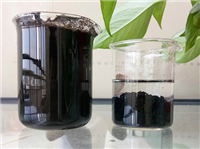
Cationic polyacrylamide
Category:
Environmental Protection/Water treatment chemicals/Dehydrating agent
Model:
10-60
Brand:
Ruishengyu
Retail Price
10,000,000.00USD
重量
kg
- Product Description
-
Description :
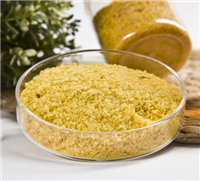
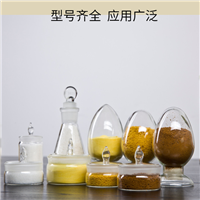
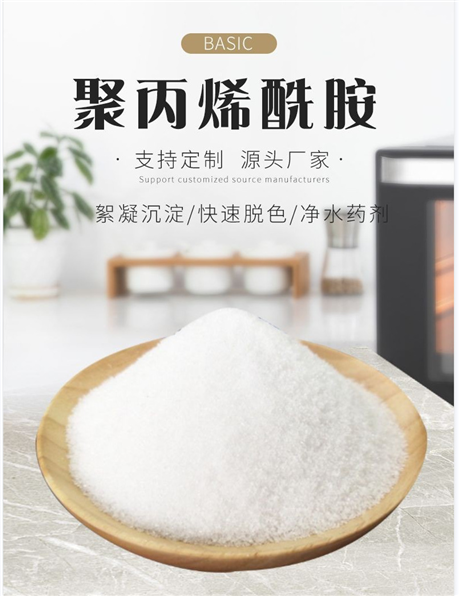
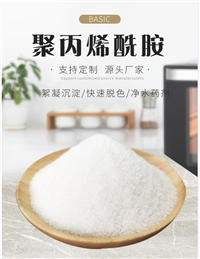
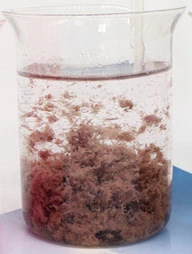
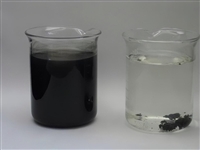
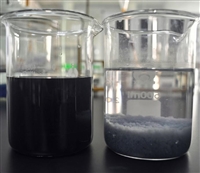
Cationic polyacrylamide (CPAM) is a linear polymer flocculant. Due to its various active functional groups, CPAM can form hydrogen bonds by affinity and adsorption with many substances. Cationic polyacrylamide, due to its positive charge, is mainly used to treat negatively charged substances. It has functions such as turbidity removal, adsorption, and adhesion, and is suitable for the treatment of wastewater with high organic content in industries such as dyeing, papermaking, food, construction, metallurgy, mineral processing, coal powder, aquatic processing, and fermentation. It is particularly suitable as a dehydration treatment agent for urban sewage, sludge, papermaking sludge, and other industrial sludge.
Project Name indicator Project Name indicator ion type Cationic type Dissolution Time ≤ 60 minutes Appearance white granules Effective pH 7-14 molecular weight 12 million water-insoluble substance ≤0.1% Ionicity 10%-70% Residual units ≤0.05% solid content ≥90% screen factor ≥20.0 1. Various technical indicators can be adjusted according to user needs;
2. The test method is: GB/T 31246-2014;
3. Packaging: lined with plastic bags and covered with plastic coated kraft paper bags, each weighing 25KG.
[Product Features]:
1. Cationic polyacrylamide has good water solubility and can be completely dissolved even in cold water.
2. Cationic polyacrylamide generally only needs to be added at 0.01-10ppm (0.01-10g/m3) to fully exert its effect.
3. The use of cationic polyacrylamide combined with inorganic flocculants (such as polymeric ferric sulfate, polymeric aluminum chloride, iron salts, etc.) can demonstrate greater effectiveness.
[Scope of Application]:
1. Cationic polyacrylamide is used for sludge dewatering, producing large flocs that do not stick to the filter cloth. It does not disperse during pressure filtration, resulting in thick sludge cake and high dewatering efficiency. The moisture content of the sludge cake is below 80%.
2. Cationic polyacrylamide, as a flocculant, is mainly used in solid-liquid separation processes in industry, including sedimentation, clarification, concentration, and sludge dewatering processes.
3. Cationic polyacrylamide is used as an economic additive in oil fields, such as clay anti swelling agent and thickening agent for oil field acidification.
4. Cationic polyacrylamide is used in the paper industry to improve the retention rate of fillers, pigments, and other materials. To reduce the loss of raw materials and environmental pollution; The second is to improve the strength of paper (including dry strength and wet strength). In addition, the use of cationic polyacrylamide can also enhance the tear resistance and porosity of paper to improve visual and printing performance. It is also used in food and tea packaging paper.
5. Cationic polyacrylamide is used as a flocculant for the treatment of tap water from river water sources. It has low dosage, good effect, and low cost, especially when combined with inorganic flocculants. It will become an efficient flocculant for the treatment of water plants in the Yangtze River, Yellow River, and other watersheds.
6. Cationic polyacrylamide is used in the textile and printing and dyeing industries. Cationic polyacrylamide is used as a sizing and finishing agent for fabric treatment, as well as a protective layer that can generate softness, wrinkle resistance, and mold resistance. By utilizing its strong hygroscopicity, it can reduce the breakage rate of fine yarn during spinning. As a post-treatment agent, it can prevent static electricity and flame retardancy of fabrics. When used as a printing and dyeing additive, it can enhance the adhesion and brightness of the product, and can also serve as a non silicone polymer stabilizer for bleaching.
【 Instructions 】:
1. Cationic polyacrylamide is generally dissolved in tap water and can be dissolved in room temperature water. Water temperature below 5℃It dissolves very slowly. An increase in water temperature will accelerate the dissolution rate, but when the water temperature reaches 40℃The above will accelerate degradation and affect the effectiveness of use. Strong acid, strong alkali, and high salt water are not suitable for preparation.
2. When dissolving, evenly sprinkle the cationic polyacrylamide into the stirred water, and control the stirring speed at 100-300rpm. Moderate heating (<60 ° C) can accelerate dissolution.
3. Adjust the pH value of the treated solution to fully utilize the cationic polyacrylamide (select the pH value and dosage through experiments)
4. When adding cationic polyacrylamide solution, the mixing with the treated liquid should be accelerated. After the appearance of flocs, the stirring speed should be slowed down to facilitate floc growth and accelerate sedimentation.
AfterSalesService :
Key words: