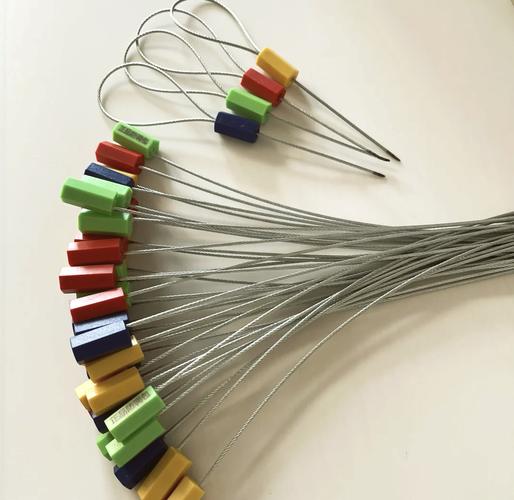

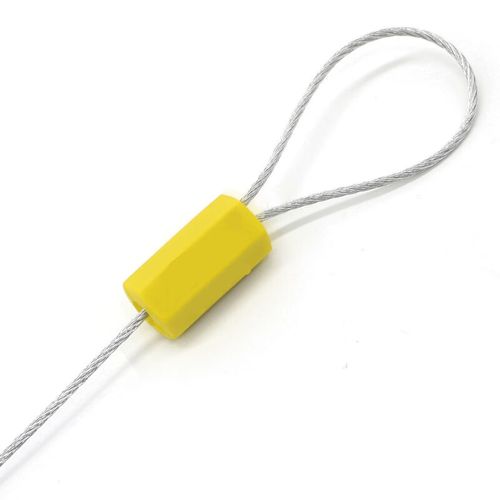
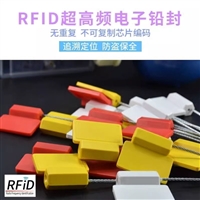
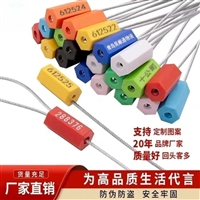
High strength steel wire lead seal tamper proof safety lock for container trucks, universal type
Category:
hardware/Locks/Steel wire lock
Model:
YY-001
Brand:
Yuyang
wire diameter:
1.8mm
Lock body material:
aluminum alloy
Steel wire material:
galvanized steel
Seal length:
400mm
Identification method:
Laser coding/stamping
tensile strength:
≥1500N
Operating Temperature:
-40℃~+80℃
color:
Silver/Red/Blue
Retail Price
10,000,000.00USD
重量
kg
- Product Description
-
wire diameter 1.8mm
Lock body material aluminum alloy
Steel wire material galvanized steel
Seal length 400mm
Identification method Laser coding/stamping
tensile strength ≥1500N
Operating Temperature -40℃~+80℃
color Silver/Red/Blue
Description :
Steel wire lead seal is a disposable safety sealing device used to seal containers, vehicles or equipment, mainly to solve the problems of tamper proof and anti-theft during transportation and storage. It uses a unique self-locking structure to ensure that once locked, non-destructive means cannot be opened, thereby clarifying the boundaries of responsibility. It is widely used in typical working conditions such as logistics transportation, customs supervision, power instruments, and oil tankers. The core of this category is to provide visual security evidence, and any attempt to open it will cause the seal to break or leave obvious traces. It is an indispensable basic consumable in supply chain security management, suitable for various closed scenarios that require strict control of access permissions.
The steel wire lead seal is usually composed of high-strength galvanized steel wire, aluminum alloy or copper lock body, and clear digital identification. The common diameter of steel wire is between 1.8mm and 2.5mm, and the length can be customized according to needs, generally ranging from 300mm to 600mm, with strong tensile and shear resistance. The lock body adopts precision die-casting technology, with a smooth surface and no burrs. It is equipped with a one-way reverse tooth structure inside to ensure that it can only be inserted and cannot be retracted. The implementation of standards mostly refers to the requirements of ISO 17712 for high security seals, and some products have passed C-TPAT certification. Each seal is printed with a unique serial number, supporting laser marking or stamping numbering to ensure one item, one code, easy traceability and management, and resistant to temperature changes and slight corrosion in conventional outdoor environments.
When selecting, special attention should be paid to the thickness of the steel wire and the material of the lock body. For high-strength scenarios such as container transportation, products with a steel wire diameter of 2.0mm or more and a lock body made of aluminum alloy or stainless steel should be selected; Ordinary instrument boxes or water meters can use finer steel wires to reduce costs. It is necessary to distinguish the differences between wire lead seals, plastic seals, and bullet seals. The advantage of wire lead seals is their high tensile strength, making them suitable for heavy equipment, but their flexibility is slightly lower than that of plastic zip ties. Not suitable for environments that require frequent switching or high temperature melting. If purchasing goods for export, it is necessary to confirm the clarity of the serial number and whether it complies with the International Logistics Security Initiative standards to avoid customs clearance obstruction due to regional standard differences. At the same time, attention should be paid to whether the lock body size matches the lock hole size.
During installation, the steel wire should be threaded through the hole or handle in the area to be sealed, inserted into the lock body until a clicking sound is heard or it feels tight, and gently pulled back to confirm that it has been locked. It is strictly prohibited to reuse, and once dismantled, it will be scrapped. No special maintenance is required for daily use, but storage should be kept dry and ventilated to avoid oxidation of the lock body affecting the operation feel. The typical usage cycle is a single transportation or inspection cycle. Common faults include rusting and breakage of steel wires or lock body jamming, often caused by damp storage environments or violent installation. During inspection, it is only necessary to visually confirm the integrity of the steel wire and whether the number is consistent with the document. If any splicing marks or blurry numbers are found on the steel wire, it should be immediately rejected or alarmed to ensure the authenticity and effectiveness of the sealed state.
AfterSalesService :
Key words:
More Products