


Fluent shelving design standards
Category:
Transportation/Warehousing equipment/Shelves
Model:
Brand:
Hengya shelves
Retail Price
1,350.00USD
重量
kg
- Product Description
-
Description :
Fluent shelves can be divided into heavy-duty fluent shelves and medium B-type fluent shelves based on the material of the basic framework that makes up the shelf. The fluent bar of the fluent shelf is directly connected to the front and rear crossbeams and the middle support beam, and the crossbeam is hung directly on the pillar. The installation inclination of the fluent bar is taken from the size, weight, and depth of the cargo box, usually 5% to 9%. When the raceway is long, a partition plate can be used to separate the raceway. Brake pads need to be installed at the pickup end to reduce the weight and impact of the goods.
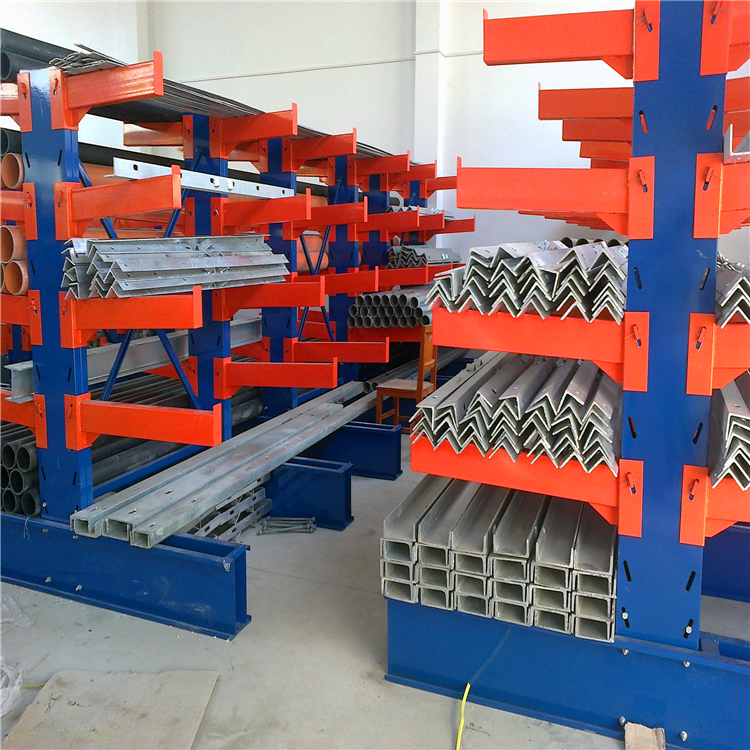
Fluent shelves have high storage efficiency and are suitable for short-term storage and picking of large quantities of goods. Can be equipped with electronic tags, easy management of physical items, commonly used sliding containers include turnover boxes, parts boxes, and cardboard boxes, suitable for large quantities of goods and short-term storage and picking. Widely used in distribution centers, assembly workshops, and warehouses with high shipping frequency.
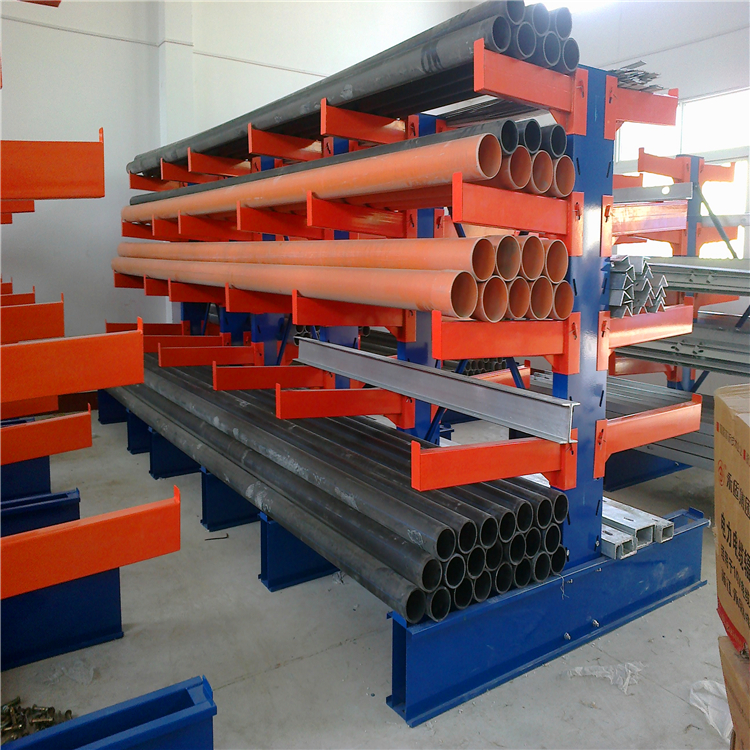
Characteristics of fluent shelving:
1. Fluent shelves can meet the requirement of first in, first out for goods, utilizing the weight of the goods to stock on one side and retrieve from the other;
2. Due to the structural characteristics of the shelves, it is convenient to store goods and allows for multiple restocking and pick-up at once;
3. Fluent shelves can save space, improve efficiency, and are suitable for storing and picking large quantities of goods;
4. Can be equipped with electronic tags for easy management of physical objects.
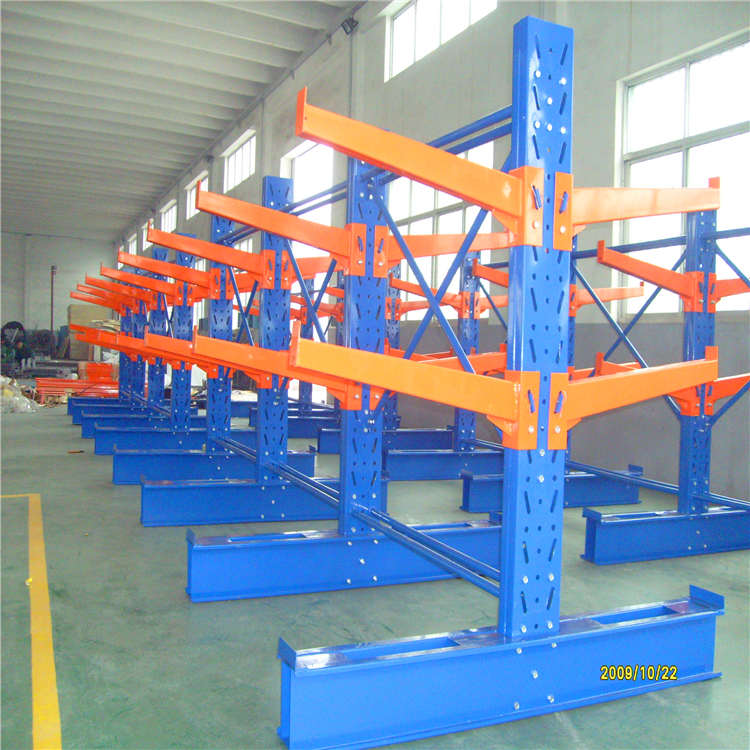
Fluent shelves and gravity shelves are both types of shelves with sloping tracks that can utilize the weight of the goods themselves to store and retrieve them from the lower end of the shelf. However, although the two are very similar in usage, their structures are vastly different.
Fluent shelves use fluent bar tracks, which are generally directly connected to the front and rear crossbeams as well as the middle support beam, with the crossbeam hanging directly from the pillar. The installation inclination of the fluent bar depends on the size, weight, and depth of the cargo box, usually ranging from 5% to 9%. The bearing capacity of the fluent strip roller is 6kg per piece. When the goods are heavy, 3-4 fluent strips can be installed on one roller track. Usually, a support beam is installed every 0.6m in the depth direction to increase the stiffness of the flow bar. When the raceway is long, a partition plate can be used to separate the raceway. The pickup end needs to install brake pads to slow down the goods and reduce impact.
Gravity shelves use roller tracks or bottom wheel pallets. Generally, the shelves are equipped with roller devices with a slope of about 3 degrees, which are suitable for large quantities of equivalent goods. The space utilization rate is extremely high, and single pallet goods are generally within 1000kg. Damping rollers can be installed in the middle to slow down the sliding speed of the pallet. A separator is also installed at one end of the slide for shipment, and the depth and number of layers can be determined according to needs. However, the design, manufacturing, and installation are difficult and costly, and the shelf height is well controlled within 6 meters, otherwise its reliability and operability will be reduced.
AfterSalesService :
Key words:- Fluent shelving design standards
More Products