

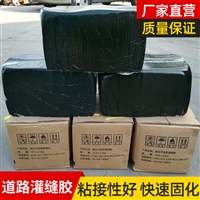
Xinjiang Road Surface Grouting Adhesive Highway Maintenance Grouting Adhesive Price Asphalt Grouting Adhesive Manufacturer
Category:
building materials/Highway materials/Highway engineering materials
Model:
-10℃ -20℃ -30℃
Brand:
moist and glossy
brand:
moist and glossy
Product Name:
crack sealant
model:
-10℃ -20℃ -30℃
material:
modified asphalt
Specifications:
12.5KG
Scope of Application:
Highway cracks
Processing & Customization:
yes
Whether it is imported:
No
Place of Origin:
Shandong
Retail Price
5,000.00USD
重量
kg
- Product Description
-
brand moist and glossy
Product Name crack sealant
model -10℃ -20℃ -30℃
material modified asphalt
Specifications 12.5KG
Scope of Application Highway cracks
Processing & Customization yes
Whether it is imported No
Place of Origin Shandong
Description :

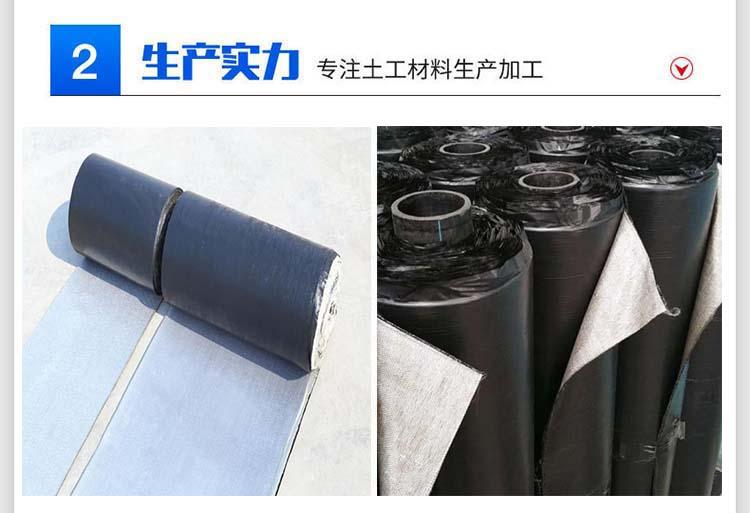
Highway sealant, used for repairing road cracks, is called pavement heating sealant according to industry standards. The main substrate is heavy-duty road petroleum asphalt. The editor of the sealant manufacturer introduces that there are some differences in the three major indicators of penetration and elongation between sealant and road petroleum asphalt. The technical indicators for evaluating sealant are five: cone penetration, softening point, flow value, elastic recovery rate, and low-temperature stretching.
1. Cone penetration
Derived from needle penetration, cone penetration reflects the viscosity of the sealant. The higher the cone penetration, the lower the viscosity of the sealant, making it more suitable for areas with low ambient temperatures. Its appearance is that under the same low temperature environment, the smaller the cone penetration value, the more likely it is to crack.
2. Softening point
The high-temperature performance index of highway sealant refers to the temperature at which the material begins to soften under specified conditions. At the same degree of softness and hardness, the higher the softening point, the higher the temperature required for the sealant to soften. Appearance: Under a fixed temperature condition of * * *, if the softening point is lower than this temperature, the sealant begins to soften; Above this temperature, the sealant is still relatively hard.
3. Current value
For heavy duty petroleum asphalt, the softening point reflects the high-temperature performance. However, for sealant, it cannot fully reflect the high-temperature performance, especially the degree of flow of sealant under high temperature conditions. Therefore, the flow value index is introduced.
4. Elastic recovery rate
The percentage of recoverable deformation of sealant under specified conditions. The appearance deformation is: if the elastic recovery rate is 100%, during the process of the wheel passing through, the part of the crack higher than the road surface will undergo flattening and restoration to its original state. The lower the elastic recovery, the lower the probability of restoration; At the same time, the width of road cracks varies seasonally with environmental temperature, and when the elastic recovery rate is low or even zero, the material cannot change with the crack width, resulting in internal cracking or joint surface cracking of the material. The wider the crack width, the more obvious it is.
5. Low temperature stretching
For the ductility index of heavy-duty petroleum asphalt, due to the fact that the low temperature of the ductility test can only reach 5 ℃, while the road surface temperature in China generally drops below 0 ℃ under winter temperature conditions, and can reach below -30 ℃ in some cold regions, the ductility test cannot achieve a sufficiently low test temperature and is not suitable for evaluating the low-temperature performance of sealant; Furthermore, the cracking of highway sealant often occurs at the interface between sealant and asphalt pavement cracks, and cannot reflect the bonding performance between sealant and the interface. After introducing the low-temperature stretching index, 0 ℃, -10 ℃, -20 ℃, -30 ℃, and -40 ℃ were set to correspond to different regions. The appearance is characterized by internal cracking of the material or cracking of the bonding surface, with wider cracks becoming more pronounced.
AfterSalesService :
Key words:- crack sealant
More Products