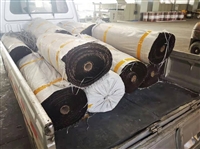
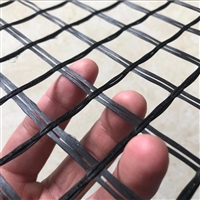


Hunan Fiberglass Geogrid Shandong Yingrun Manufacturer produces Fiberglass Grid
Category:
building materials/Geosynthetic materials/Geogrid
Model:
60KN
Brand:
moist and glossy
model:
60KN
type:
Bidirectional tensile geogrid
material:
fiberglass
tensile strength:
sixty thousand
Yield elongation:
three
purpose:
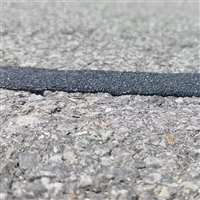
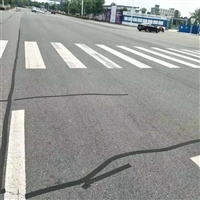
Road reinforcement pavement maintenance
width:
four
grid size:
twenty-five point four
manufacturer:
Shandong Yingrun
Retail Price
2.40USD
重量
kg
- Product Description
-
model 60KN
type Bidirectional tensile geogrid
material fiberglass
tensile strength sixty thousand
Yield elongation three
purpose Road reinforcement pavement maintenance
width four
grid size twenty-five point four
manufacturer Shandong Yingrun
Description :
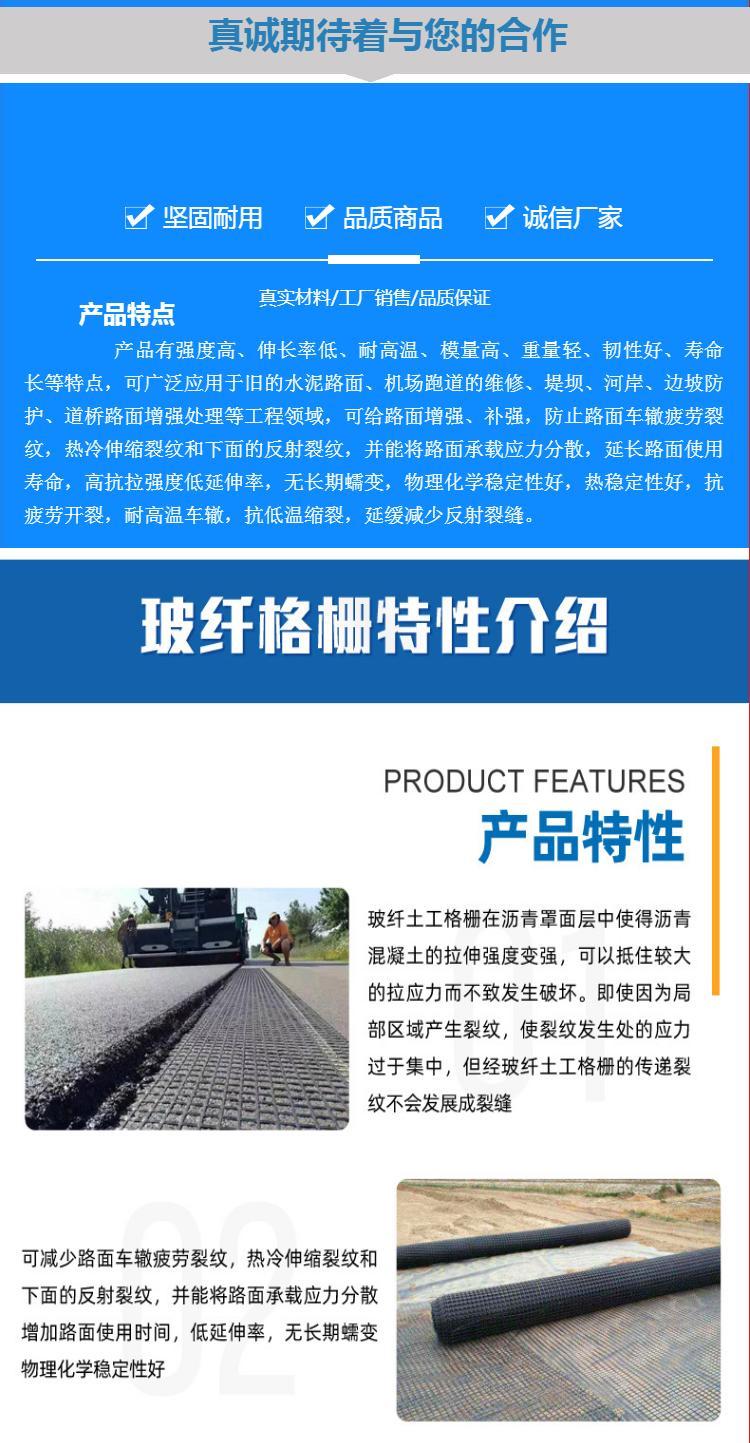

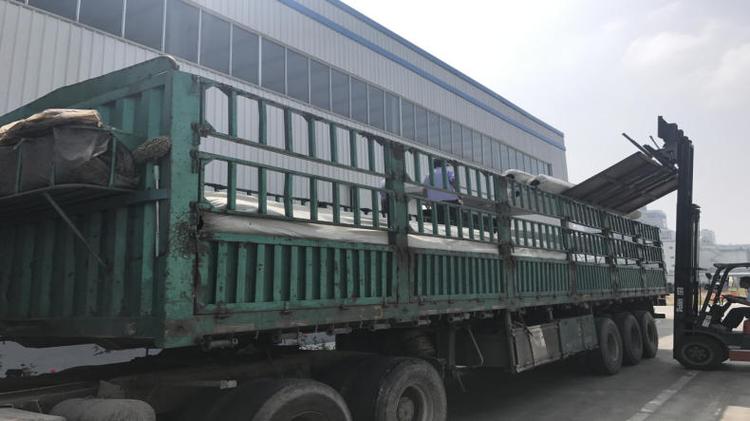

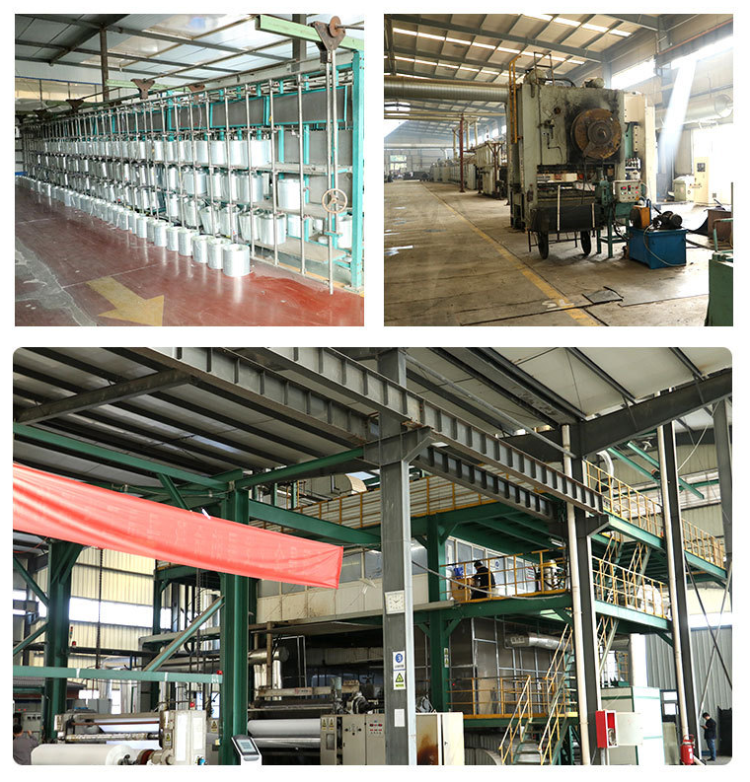
Classification and construction method of fiberglass geogrid
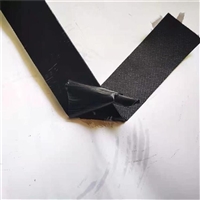
There are two commonly used types of fiberglass geogrids: those with self-adhesive and those without self-adhesive. Those with self-adhesive can be directly laid on a flat base, while those without self-adhesive are usually fixed with nails.
1. Construction site: requires compaction, leveling, and removal of sharp protrusions.
2. Grid laying: On a flat and compacted site, the main force direction (longitudinal) of the installed grid should be perpendicular to the axis direction of the embankment. The laying should be smooth, without wrinkles, and as tight as possible. Fixed with nails and soil and rock compaction, the main force direction of the laid grid is continuous without joints, and the connections between the beams can be manually tied and overlapped, with a minimum overlap width of 10cm. If the grid is set in two or more layers, the joints between layers should be staggered. After large-scale installation, the overall flatness should be adjusted. After filling a layer of soil and before rolling, the grid should be tensioned again manually or with machinery, with even force, so that the grid is in a straight and stressed state in the soil.
3. Selection of fillers: The fillers should be selected according to the design requirements. Practice has proven that except for frozen soil, swamp soil, household waste, chalk soil, and diatomaceous earth, they can all be used as fillers. However, gravel soil and sandy soil have stable mechanical properties and are minimally affected by moisture content, so they should be preferred. The particle size of the filler shall not exceed 15cm, and attention shall be paid to controlling the grading of the filler to ensure compaction weight.
4. Laying and compaction of filling materials: After the grid is laid and positioned, it should be filled with soil and covered in a timely manner. The exposure time should not exceed 48 hours, and the flow operation method of laying and backfilling at the same time can also be adopted. First, spread the filling material at both ends, fix the grille, and then push it towards the middle. The order of compaction is from both sides first to the middle. During compaction, the roller cannot directly contact the reinforcement material. Vehicles are generally not allowed to drive on the unconsolidated reinforcement body to avoid misalignment of the reinforcement material. The compaction degree of each layer is 20-30cm. The compaction degree must meet the design requirements, which is also the key to the success or failure of reinforced soil engineering.
5. Waterproof and drainage measures: In reinforced soil engineering, it is necessary to carry out drainage treatment inside and outside the wall; Be careful to protect your feet and prevent erosion; Filter and drainage measures should be installed within the soil, and geotextile should be used if necessary.
AfterSalesService :
Key words:- Hunan Fiberglass Geogrid
More Products