

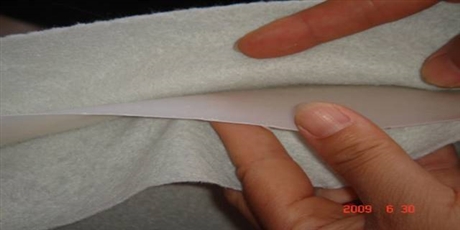

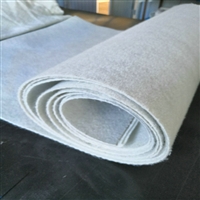


Introduction to 800 gram waterproof geotextile with two fabrics and one membrane for anti-seepage of Gansu reservoir
Category:
building materials/Geosynthetic materials/Geomembrane
Model:
800 grams
Brand:
Zhengyu Geotechnical Materials
Retail Price
Negotiable
重量
kg
- Product Description
-
Description :


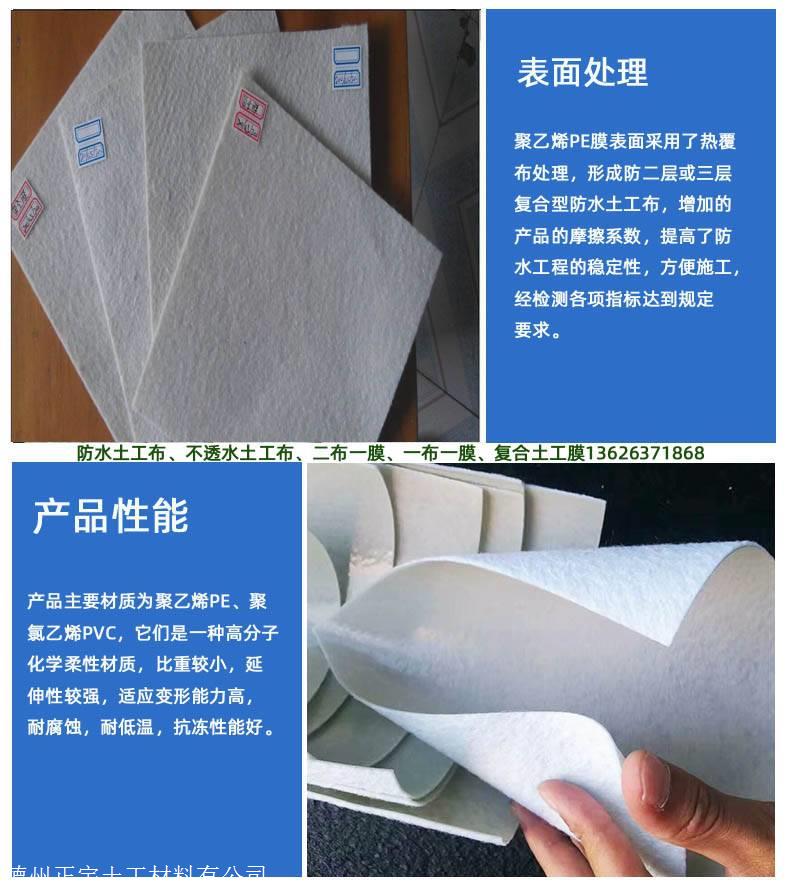
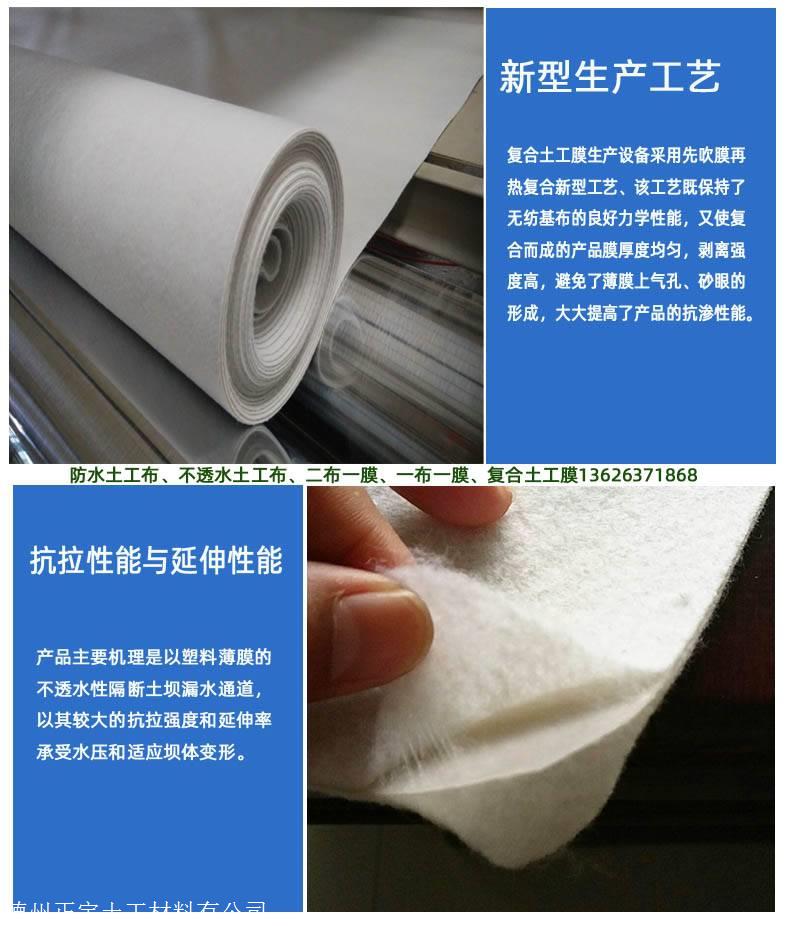
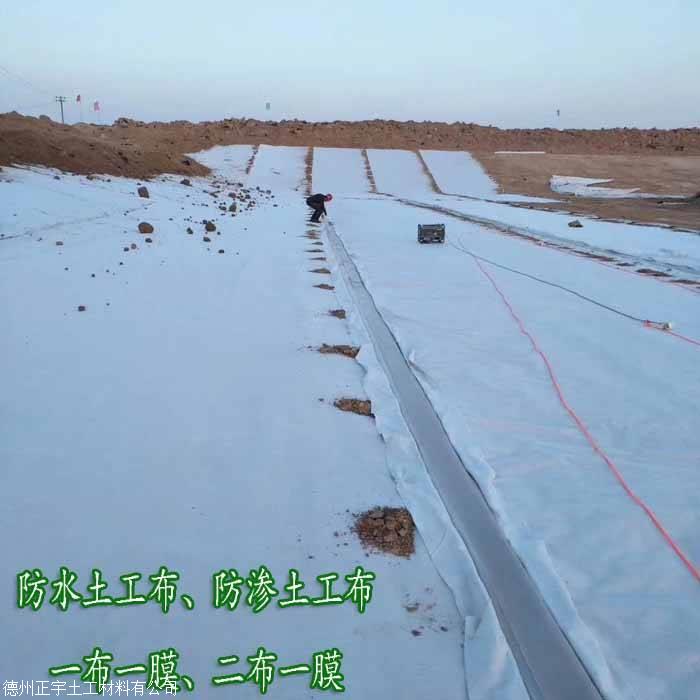
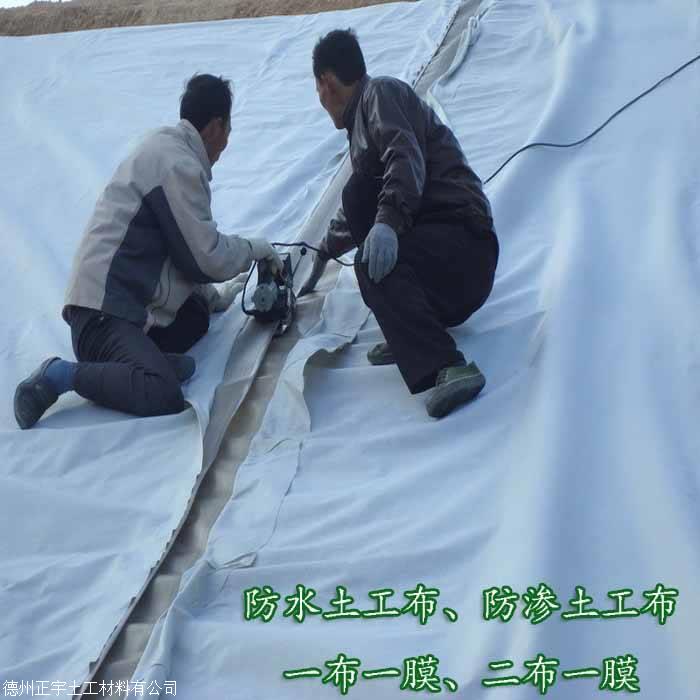
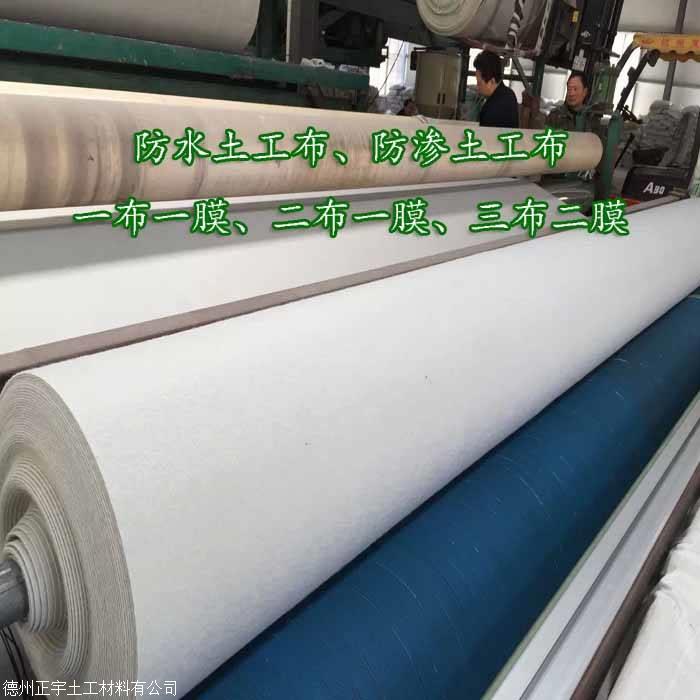
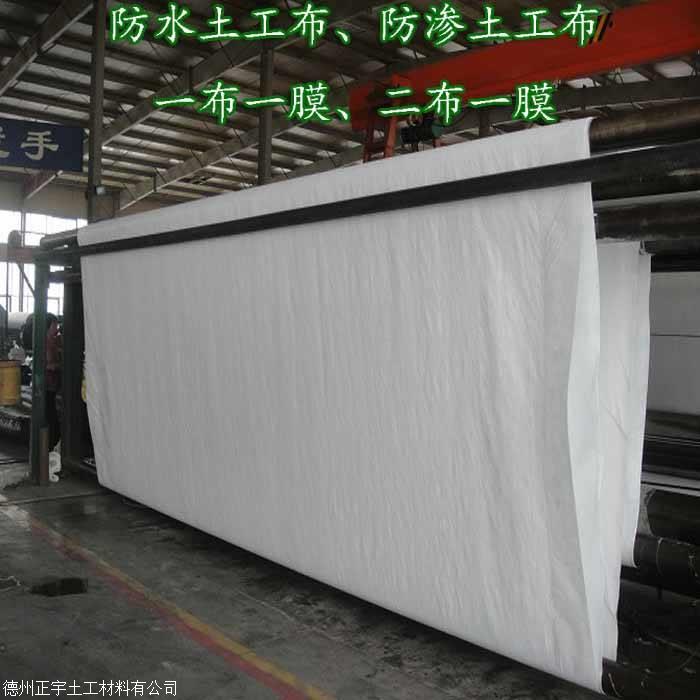
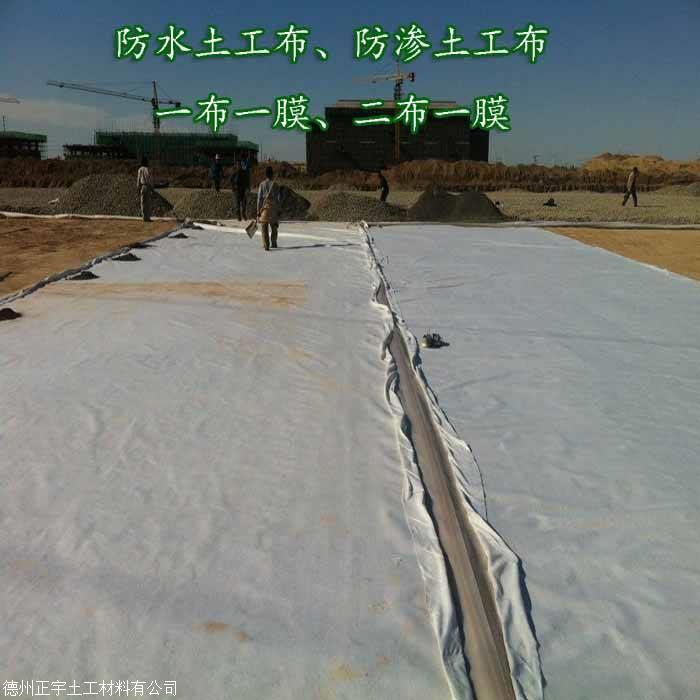
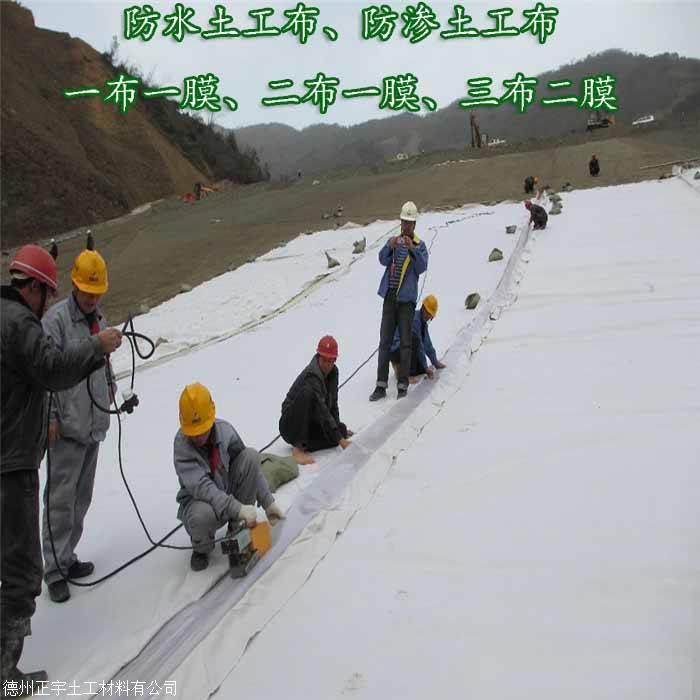
Introduction to 800g Two Cloth One Membrane Waterproof Composite Geomembrane Product for Gansu Reservoir,
Gansu is located in the intersection of the Loess Plateau, Qinghai Tibet Plateau and the Inner Mongolian Plateau. The terrain within the territory is complex, with mountains crisscrossing and varying elevations, including high mountains, basins, plains, deserts, and Gobi, making it a mountainous plateau landform.
Dezhou Xiangsheng New Materials Co., Ltd. Gansu 800g Two Cloth One Film is a geotechnical anti-seepage material composed of plastic film as the anti-seepage substrate and non-woven fabric composite. Its anti-seepage performance mainly depends on the anti-seepage performance of the plastic film. At present, the plastic films used for anti-seepage applications mainly include polyvinyl chloride (PVC) and polyethylene (PE), which are high molecular weight chemical flexible materials with low specific gravity, strong extensibility, high adaptability to deformation, corrosion resistance, low temperature resistance, and good frost resistance. The thickness of the membrane is generally 0.30-2.00mm. The main mechanism is to use the impermeability of plastic film to block the leakage channel of the earth dam, and to withstand water pressure and adapt to dam deformation with its high tensile strength and elongation. Non woven fabric is also a type of polymer fiber chemical material, which is formed by needle punching or thermal bonding, and has high tensile strength and extensibility. At present, the non-woven fabrics mainly used in composite include: polyester short fiber needle punched geotextile, polyester long fiber spun clay geotextile, flat fiber plastic woven fabric, etc. After being combined with plastic film, it not only increases the tensile strength and puncture resistance of the plastic film, but also increases the friction coefficient of the contact surface due to the rough surface of the non-woven fabric, which is beneficial for the stability of the Gansu 800 gram two cloth one film and protective layer. At the same time, they have good corrosion resistance to bacteria and chemical reactions, and are not afraid of acid, alkali, or salt erosion.
Gansu 800g Two Cloth One Film Specification:
One cloth, one film base cloth: 100-1000g/㎡ Film thickness: 0.1-1.5mm
One cloth, two film base cloth: 100-1000g/㎡ Film thickness: 0.1-0.8mm
Two fabrics and one film base fabric: 80-600 g/㎡ Film thickness: 0.2-1.5 mm
Multi cloth and multi film base fabric: 100-1000g/㎡ Film thickness: 0.1-0.8mm
Performance characteristics of 800 grams of two fabrics and one film in Gansu Province:
Good flexibility, in addition to the anti-aging, high strength, good flexibility, and isolation properties of geotextiles, it also has a sealing (anti-seepage) function.
The purpose and function of 800 grams of two fabrics and one film in Gansu Province:
Widely used in many fields such as water conservancy, dams, tunnels, road construction, airports, etc., it mainly plays a role in waterproofing, anti-seepage, protection, reinforcement, leakage prevention, isolation, etc. in engineering.
Precautions for 800 grams of two fabrics and one film construction in Gansu Province:
1. The use should be buried, and the covering thickness should not be less than 30cm
2. The entire anti-seepage system is composed of a cushion layer, anti-seepage layer, transition layer, and protective layer.
3. The soil should be solid, avoiding uneven settlement, cracks, and removing grass and tree roots within the anti-seepage range. Lay a protective layer of sand or clay with small particle size on the contact surface with the membrane.
4. When laying, do not pull the geomembrane too tightly. It is better to embed the soil at both ends in a corrugated shape, especially when anchoring with rigid materials, leaving a certain amount of expansion and contraction.
5. During construction, stones and heavy objects should be avoided from directly hitting the geomembrane. The construction should be carried out while laying the membrane and covering the protective layer.
Gansu has complex and diverse landforms, with mountains, plateaus, plains, river valleys, deserts, and Gobi interspersed. The terrain slopes from southwest to northeast, with a narrow and elongated shape. It is 1659 kilometers long from east to west and 530 kilometers wide from north to south, roughly divided into six distinct regions. The altitude is mostly above 1000 meters, surrounded by mountains and steep ridges. There are six plates in the north.
AfterSalesService :
Key words:- Two fabrics and one film
More Products


