


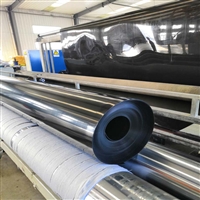


Installation method of Qinghai 2.0HDPE rough surface geomembrane
Category:
building materials/Geosynthetic materials/Geomembrane
Model:
two
Brand:
sonata
Retail Price
Negotiable
重量
kg
- Product Description
-
Description :
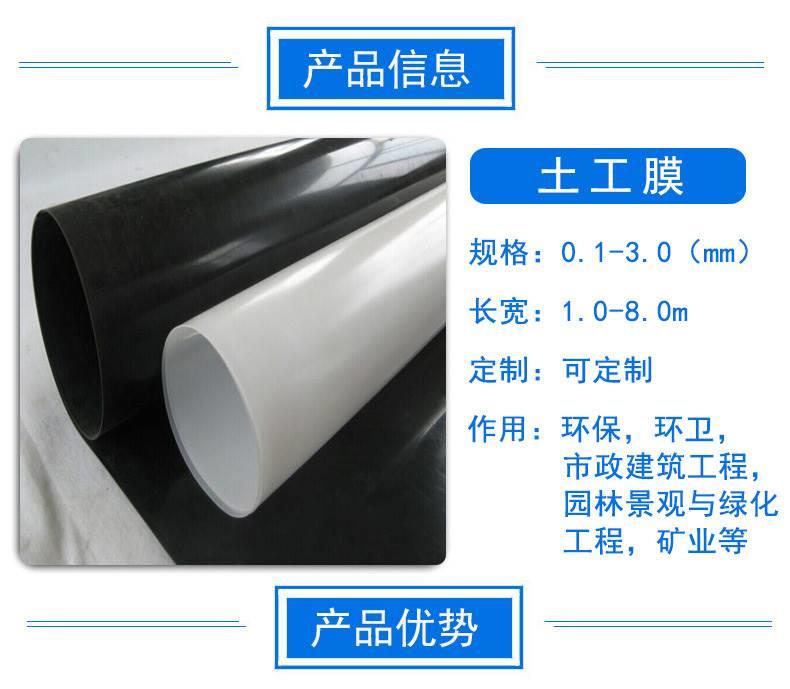
Installation method of Qinghai 2.0HDPE rough surface geomembrane,
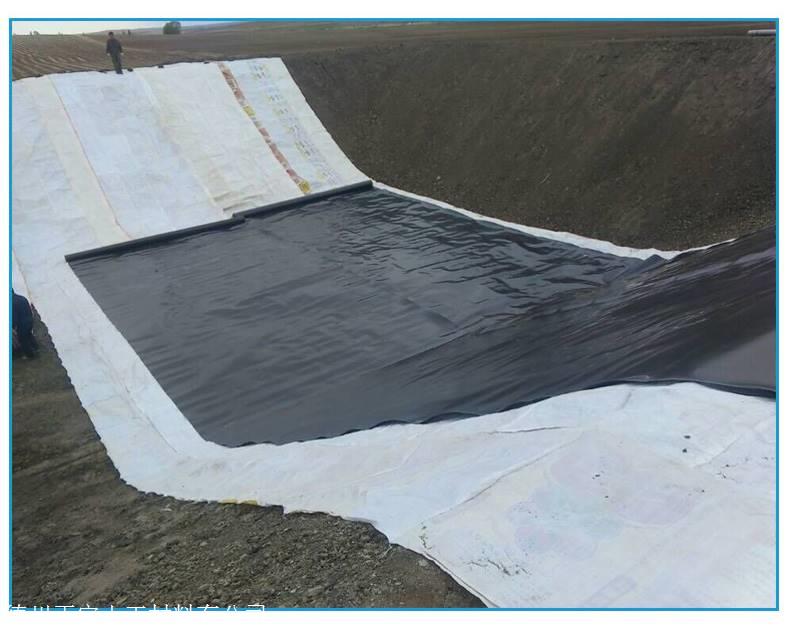
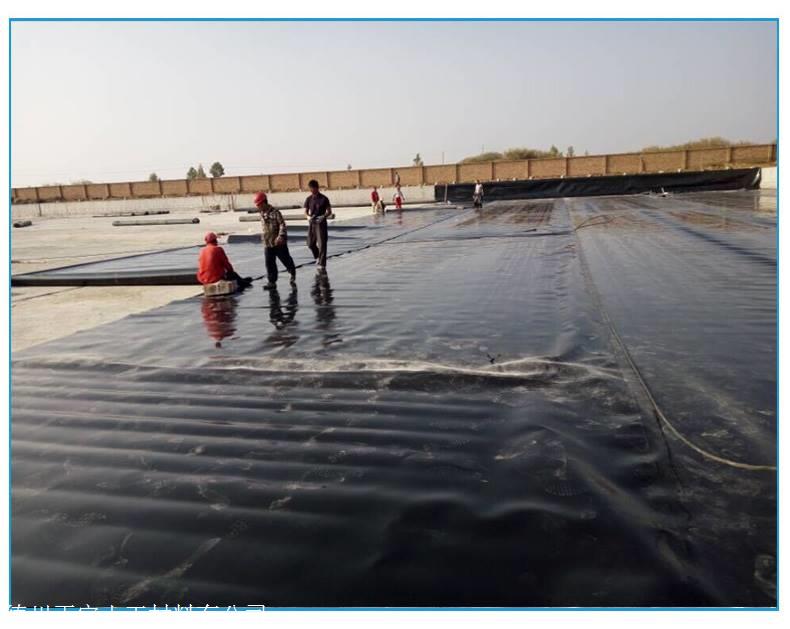
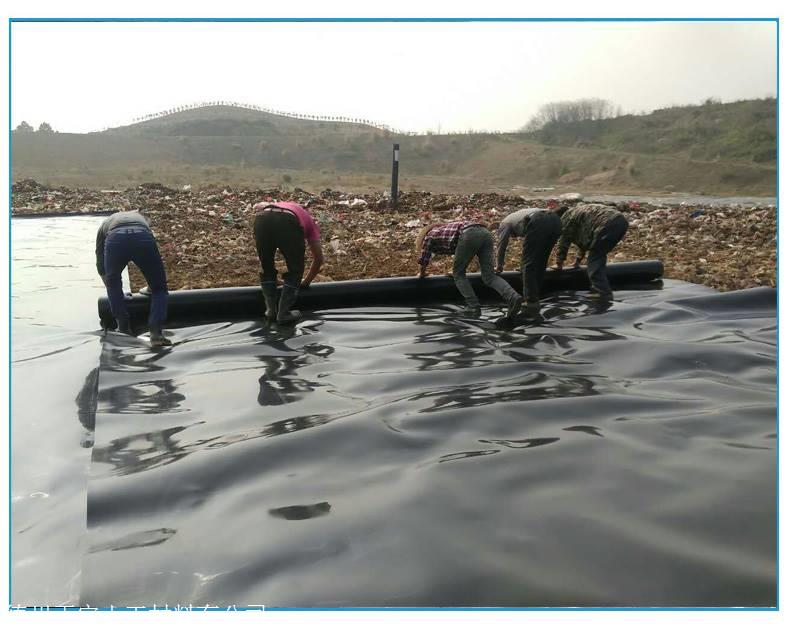
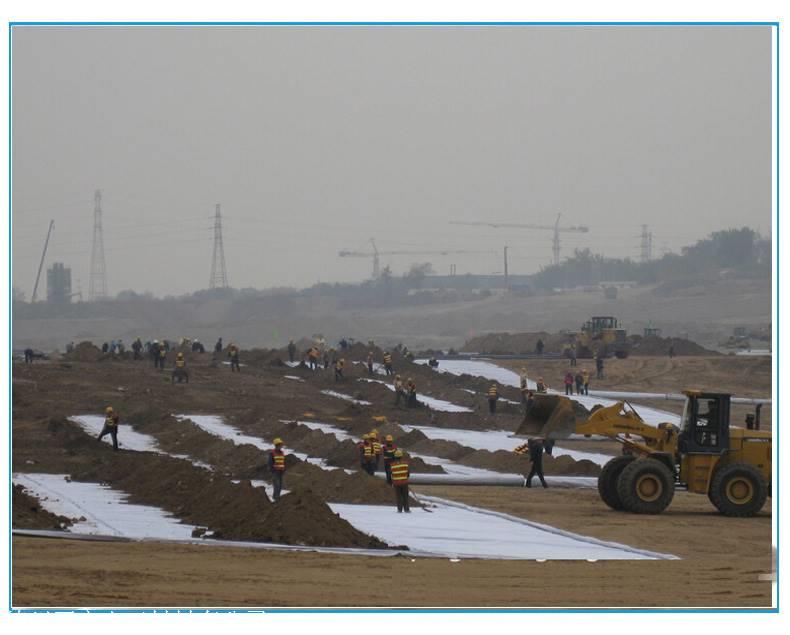
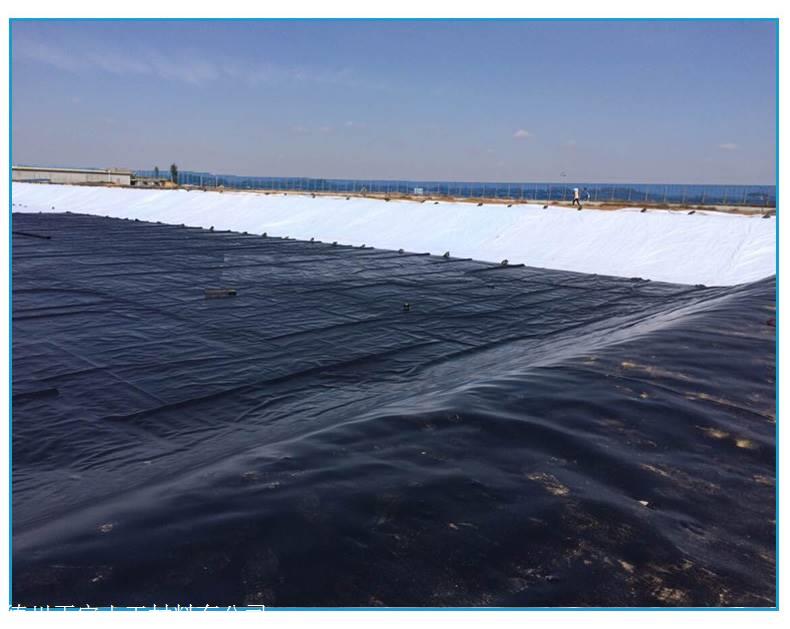
1、 Laying of 2.0HDPE rough surface geomembrane in Qinghai
Before laying HDPE geomembrane, the corresponding qualified acceptance certificate of civil engineering should be obtained.
Before cutting HDPE film, its relevant dimensions should be accurately measured and then cut according to the actual size. Generally, it is not advisable to cut according to the dimensions shown in the diagram. Each piece should be numbered and recorded in detail on a dedicated form.
When laying Qinghai 2.0HDPE rough surface geomembrane, efforts should be made to minimize welding seams and save raw materials as much as possible while ensuring quality. It is also easy to ensure quality.
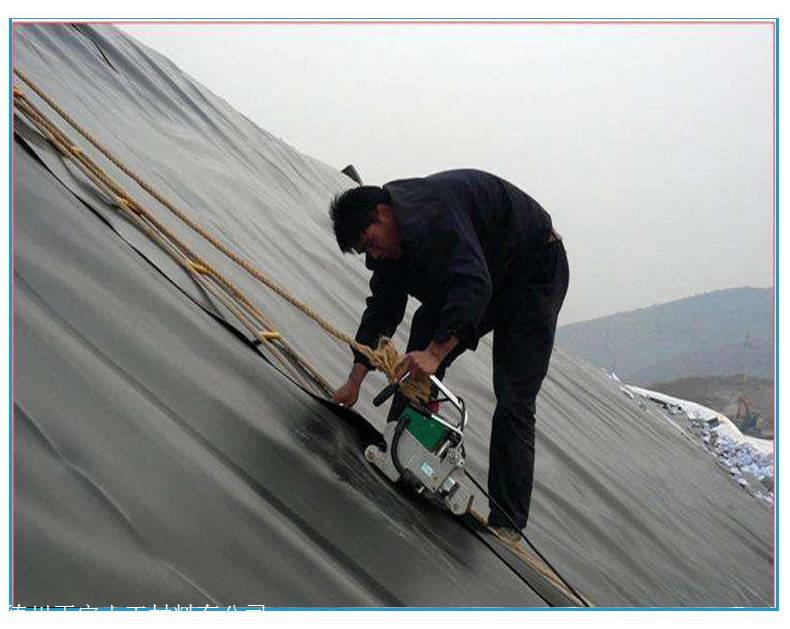
4. The overlap width between membranes is generally not less than 10cm, and the welding seam is usually arranged parallel to the steep slope, that is, along the slope direction.
5. Usually, in corners and deformed areas, the joint length should be minimized as much as possible. Unless otherwise specified, welding seams should be avoided as much as possible within a range of 1.5 meters from the top slope or stress concentration area on slopes with a gradient greater than 1:6.
During the laying of Qinghai 2.0HDPE rough surface geomembrane, artificial wrinkles should be avoided. When the temperature is low, it should be tightened and leveled as much as possible.
7. After the HDPE geomembrane is laid, walking and moving tools on the membrane surface should be minimized as much as possible. Any objects that can cause harm to the HDPE membrane should not be placed on or carried on the membrane to avoid accidental damage to the membrane.
Qinghai belongs to the plateau continental climate, characterized by low temperature, large temperature difference between day and night, concentrated rainfall, long sunshine, and strong solar radiation. Winter is cold and long, summer is cool and short. There are significant differences in climate among different regions. In the Huangshui Valley of eastern China, the annual average temperature ranges from 2 to 9 ℃, the frost free period is 100 to 200 days, and the annual rainfall is 250 to 550 millimeters, mainly concentrated from July to September. The heat and moisture conditions of the 2.0HDPE rough surface geomembrane in Qinghai can meet the requirements of a single crop. The average annual temperature in the Chaidamu Basin is 2-5 ℃, with an annual rainfall of nearly 200 millimeters and over 3000 hours of sunshine. The temperature is low in the mountainous areas of the northeastern part of Qinghai 2.0HDPE rough surface geomembrane and the Qingnan Plateau. Except for the Qilian Mountains, Altai Mountains, and mountainous areas west of the river source, the annual rainfall is generally between 100-500 millimeters. Qinghai is located in the mid latitude zone, with high solar radiation intensity and long illumination time. The annual total radiation amount per square centimeter can reach 690.8~753.6 thousand joules. The direct radiation amount accounts for more than 60% of the radiation amount, with an annual value of more than 418.68 thousand joules, second only to Xizang, ranking second in China.

AfterSalesService :
Key words:- Qinghai geomembrane

More Products


