



Yancheng Yangmu Board Factory Wood Processing Factory
Category:
building materials/Wooden materials/Poplar wood
Model:
Brand:
Exhibition route
Retail Price
1,050.00USD
重量
kg
- Product Description
-
Description :
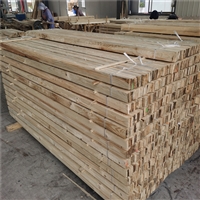
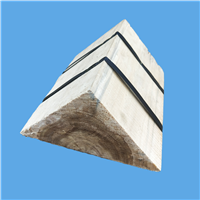
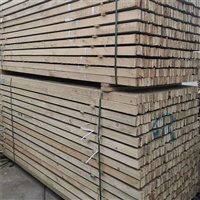
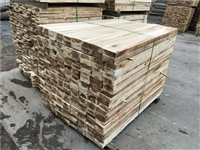
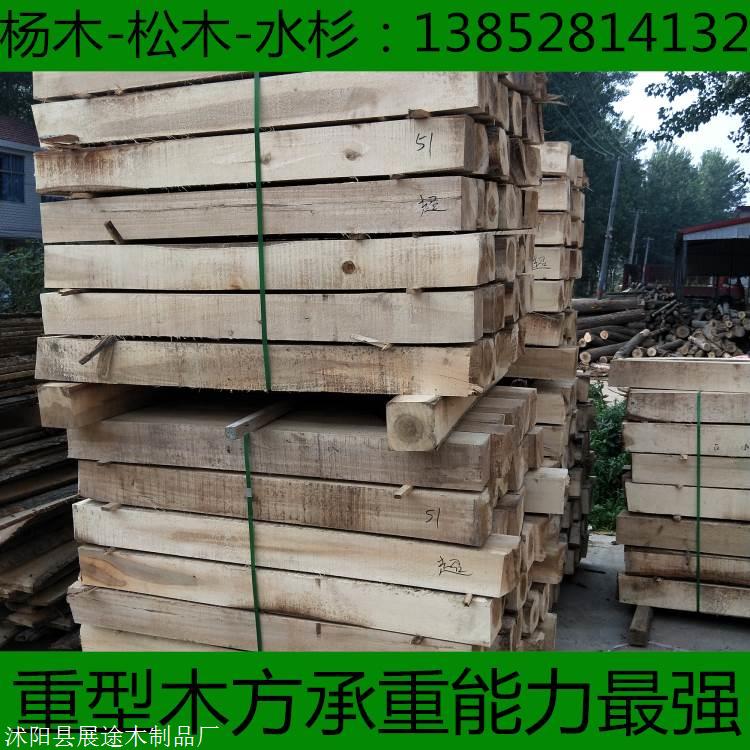
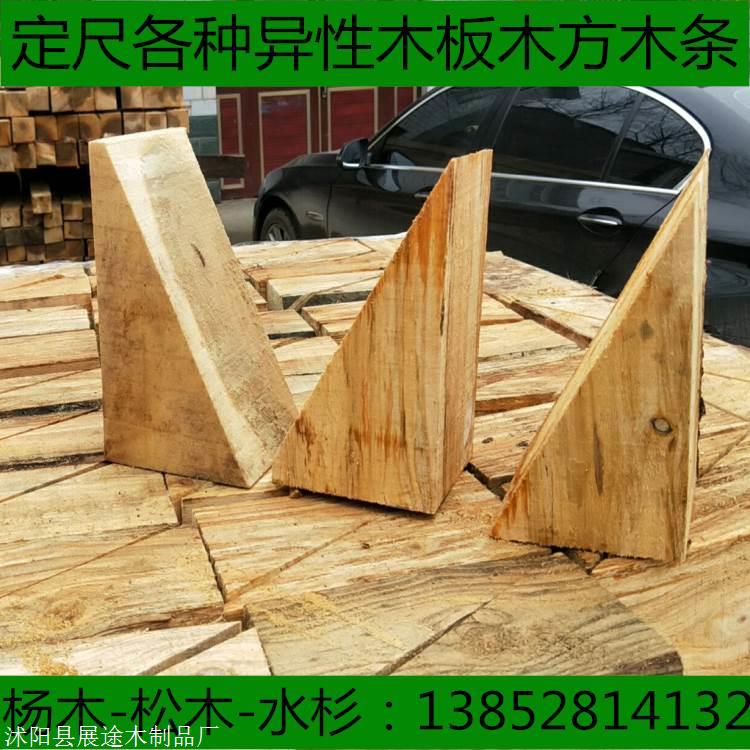
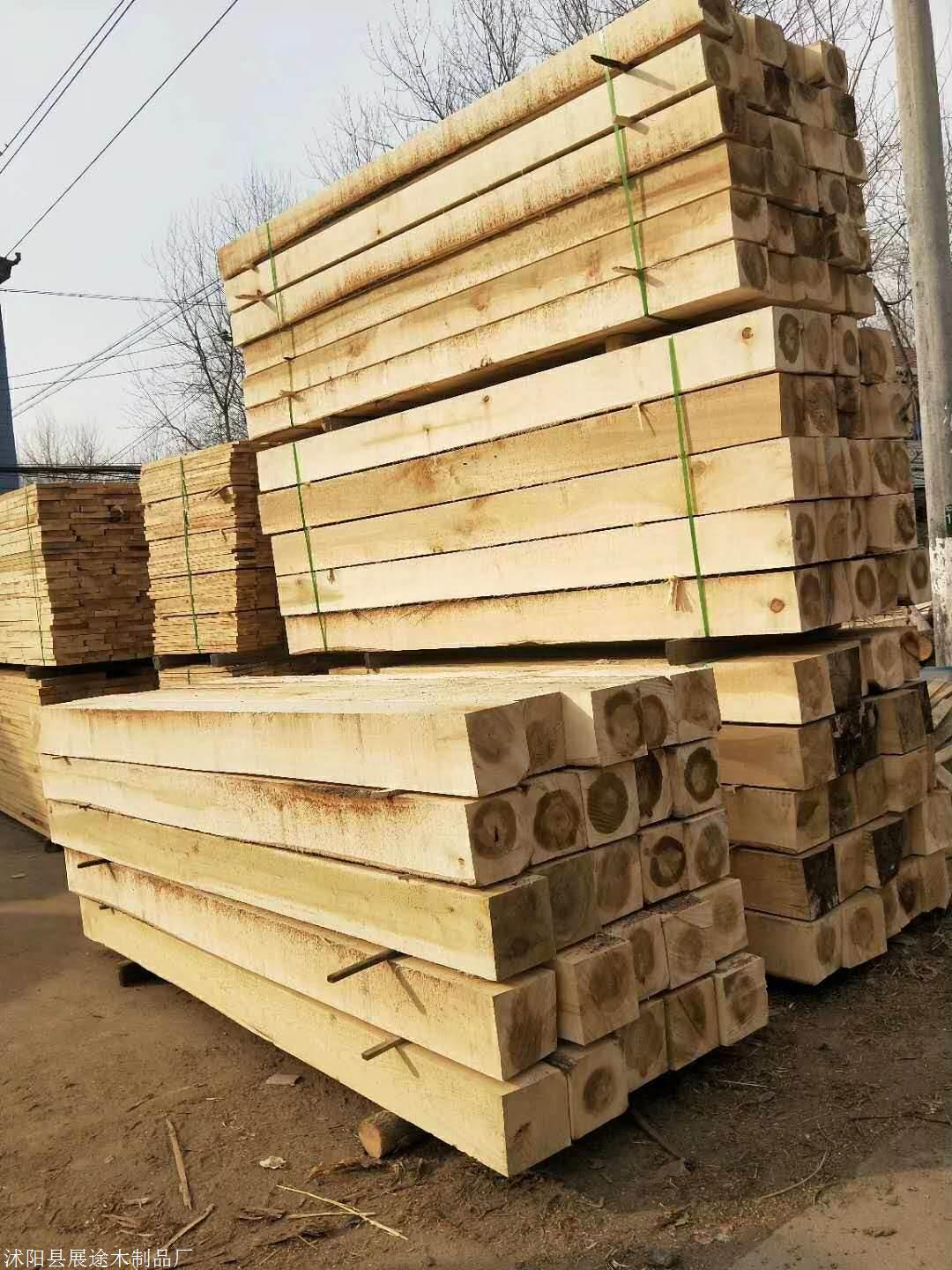
Wooden boxwood planks, square wooden processing factories, square wooden stripsPoplar trees have characteristics such as rapid growth in the early stage, strong adaptability, wide distribution, resistance to diseases and pests, high survival rate, easy afforestation, and easy hybridization improvement. Therefore, they are widely used in intensive cultivation and directional cultivation. Poplar wood has the characteristics of light weight, high strength, good elasticity, long and high fiber content, and easy processing. So far, many countries around the world have listed poplar wood as an important industrial material. The primary industrial use of poplar wood is:
Wood Encyclopedia | Characteristics and Uses of Poplar Wood
Shuyang StarWood processing plantBuilding materials
Poplar wood, as a building material, has a long history in China and is also recorded in ancient literature. In the construction of wooden houses, poplar wood is used for beams, wooden frames, purlins, rafters, ceilings, partitions, etc. Some countries in the Near and Far East use poplar as the primary material for village construction, and it is also common in the vast villages of the Yellow River Basin in China. Professor Wang Bingquan from Northwest Forestry University conducted a specialized study on poplar wood as building material, summarizing and analyzing the physical and mechanical properties of 28 types of poplar wood distributed in 13 provinces. The results showed that the length and diameter grades of 28 types of poplar trees meet the material standard requirements of the "Wood Structure Planning Standards". According to the evaluation of the mechanical principles for each type of poplar, except for the fact that the bending elastic modulus of the wood of Shalan poplar, Wanhua poplar, and Liaoyang is lower than the requirements of the "Wood Structure Planning Standard" and the hardness of Wanhua poplar and Beijing poplar is very low, most of them meet the planning and construction requirements of the "Wood Structure Planning Standard". However, in terms of architectural application, poplar has its own shortcomings, such as monotonous cracking, lack of corrosion resistance, and some tree species have too low bending elastic modulus and bending strength, to the extent that they cannot be used in buildings. Such as the small leaved poplar and bitter poplar in Jilin; Shalan Yang and Wanhua Yang from Henan.
According to research in Hebei, Shandong, Henan, Anhui, northern Jiangsu and other places, there is a trend in villages where poplar wood is replaced as a building material by cement products or other hard broad-leaved materials.
2. Pulp and paper making
Due to the shortage of wood as a fiber material, wood pulp in China's paper industry only accounts for 13% of papermaking materials. In 1998, 10.343 million tons of wood pulp were imported from abroad. To advance the utilization rate of wood pulp, it is necessary to expand the forest of fast-growing papermaking materials. Among them, poplar is a key tree species to be developed in northern China. The tree species used for papermaking materials should meet the following requirements: high cellulose content in wood, long and thin fibers, wood base density between 0.4-0.6g/cm3, low non target components such as lignin and extracts, easy steaming and pulping, high pulp yield, high color whiteness, high paper strength, suitable for making paper for various purposes.
Poplar trees have the characteristics of rapid growth, simple afforestation, high survival rate, wood anatomical features, and chemical composition that meet the requirements of pulp for wood. They are one of the desirable tree species in broad-leaved wood. Sun Chengzhi and others studied the anatomical characteristics, chemical composition, and pulp and paper making technology of the whole tree wood of I-69 poplar, I-63 poplar, I-72 poplar, and I-214 poplar using chemical thermal pulping (CTMP). Their research results indicate that the fiber shape, chemical composition, and pulping characteristics of the four types of poplar wood are not significantly different and can be mixed for use. Chemical thermal grinding machinery (CTMP) is produced by using poplar wood, which is used for construction and plywood production and processing above 26cm. Small diameter wood, tree top wood, branch wood, and root wood of 3-26cm can be pre soaked with steam alkaline sodium sulfite (NaOH+Na2SO3) or caustic soda anthraquinone (NaOH+Aa) and then subjected to thermal grinding. This process produces a good chemical thermal grinding machinery pulp (CTMP) with a pulp yield of 84% -92%, a whiteness of about 50%, and a fracture length of about 34m. When combined with 15% -20% coniferous bleached pulp, it can be used to produce high-quality news paper. The Beijing Paper Research Institute and Beijing Paper Factory have used poplar trees such as Populus euphratica, Populus euphratica, Populus tomentosa, Populus euphratica, I-214 poplar, and Populus nigra as materials. When using sulfate pulping, the alkali content is 18% -20%, and the pulp yield is 48.8% -56.4%, with simple bleaching and pulping. Using general pulp and paper making processes can produce various types of paper. The Forestry Department of Nanjing Forestry University uses Italian I-214, I-72, I-69, and I-63 poplar as materials and uses alkaline sodium sulfite anthraquinone pulping method to produce high-yield chemical pulp with a yield of 57% -60%. This pulp making method not only has high yield, good water filtration function, high whiteness of the pulp, and simple bleaching, but also has papermaking function and strength policy similar to sulfate pulp. Therefore, it can be used as a skeleton pulp for various civilized papers and as a strong pulp for the pulp or semi bleaching process.
Nowadays, many paper companies in China have used poplar wood as the material for papermaking. Generally, they use a mixture of poplar wood and needle leaf wood pulp to make paper, which can overcome the disadvantage of shorter poplar fibers and produce some high-strength industrial paper. Some regions produce paper from white pine and poplar wood, with poplar pulp accounting for 40% -50%.
Shuyang Xingxing Wood Processing Factory produces particleboard and fiberboard
The tips, branches, and factory scraps of poplar trees are all good materials for particleboard and fiberboard. Due to the low density and light color of poplar wood, it can be used to produce low-density, high-strength, and visually beautiful particleboard. The Chinese Academy of Forestry uses small diameter poplar wood with a diameter of 6-22cm to produce particleboard with a density of 0.55-0.6g/cm3. The experimental results indicate that Salix can be made into particle board with light complexion and low density. The static bending strength of the board is above 1764Mpa, the tensile strength of the vertical board surface is 58.8-68.8Mpa, the water absorption thickness expansion rate is less than 6%, and all policies can meet the standards; Chen Shiying used small diameter wood and branch wood of grey poplar to constrain particleboard, and the effect showed that using poplar wood for particleboard production is feasible. In the experiment, the influence of bark on poplar particleboard and the feasibility of manufacturing particleboard from poplar branches were studied. The experiment found that increasing the bark content in the middle layer of the board, when it increased from 0% to 20%, only reduced the static bending strength by 11%; The internal bonding strength and water absorption thickness swelling improve with the increase of bark. If the surface shavings contain bark, only the static bending strength slightly decreases, while the swelling of water absorption thickness, surface peeling strength, and roughness have no significant effect.
Medium density fiberboard is a high-quality and agile wooden artificial board among fiberboards. The Wood Industry Laboratory of the Chinese Academy of Forestry Sciences manufactures fiberboard with a density of 0.72g/cm2 using Salix and Populus tomentosa. The experimental results show that the static bending strength of the board is 3430-3920Mpa, the vertical tensile strength of the board surface is 53.9Mpa, and the water absorption rate is 14.5%. This indicates that Salix and Populus tomentosa are suitable materials for medium density fiberboard.
4. Application of laminated board processing
According to literature records, the production of plywood from poplar wood has a long history in Italy. Poplar is also widely used in central and southern Europe to produce plywood. Nanjing Forestry University conducted experiments using I-63 poplar, I-72 poplar, I-69 poplar, and I-214 poplar wood as materials. They believe that the four types of poplar trees have excellent functions in veneer rotary cutting, monotonicity, and bonding. There are no special requirements for adhesive and processing, making it an excellent plywood material. Tian Kai used the same tree species produced in Qianjiang County, Hubei Province to conduct experiments at an artificial board factory in Shanghai. During rotary cutting, the veneer did not have cracks, and the veneer curved in a monotonous process. Hubei Jiayu Artificial Board Factory produces plywood using the same tree species, but due to the severe black core of the wood, it cannot be used. Beijing Timber Factory conducted plywood tests using Populus euphratica, Populus euphratica, and Populus euphratica as materials. The veneer was found to be fuzzy and warped during rotary cutting. Due to the high pH value of the wood, bonding was difficult. By adopting certain technical measures, the produced poplar plywood can also meet national standards.
Wood Encyclopedia: Characteristics and Uses of Poplar Wood
Poplar wood is widely used as plywood due to issues such as tensile stress, false heartwood, internal aging, high pH value, and the presence of fillers in some tree species' conduits, which are unfavorable factors for plywood production.
5. Processing and application of packaging materials
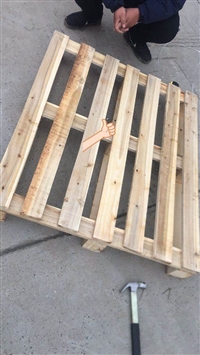
With the development of the national economy, packaging is required for the transportation and storage of products. Choose packaging methods and materials based on product properties, shipping conditions, and arrival address. Wood packaging is one of them. The requirements for packaging on wood are: high strength, strong nail force, swelling and shrinking, corrosion resistance, low acidity, odorless and tasteless, etc.
Yang wood grain has a straight texture, shrinkage and expansion, and the highest impact toughness, with good shock absorption function; No odor, easy to nail, with a small grip but not easy to crack, suitable for packaging such as food, lotus leaves, medicine, precision instruments, etc.
6. Processing and application of matchstick materials
The primary material for producing matchsticks and boxes is wood. The quality of matches depends on factors such as wood density, softness, texture, thickness of structure, color depth, and difficulty of wax immersion. Poplar wood has low density and is soft with straight grain; The structure is fine and uniform; Light in color and easy to wax, it is the ideal material for matches. According to research, most match factories in some cities in the Yellow River Basin of China use poplar wood as their material.
7. Processing and application of other materials
Poplar has many uses, such as shovel heads, shovel handles, threshing buckets, toothpicks for daily use, sanitary chopsticks, etc. used in agriculture can all be made of poplar
.

AfterSalesService :
Key words:- Yancheng Yangmu Board Factory Wood Processing Factory

More Products