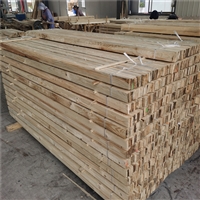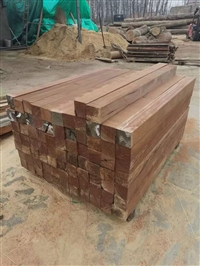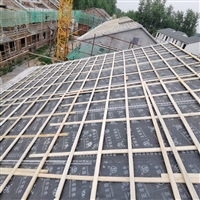


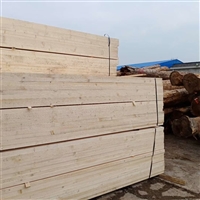
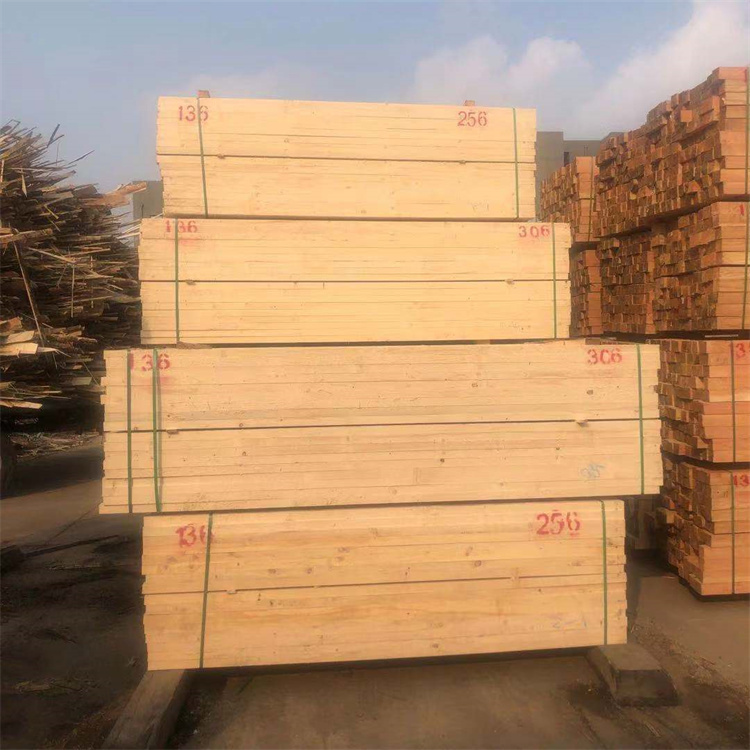
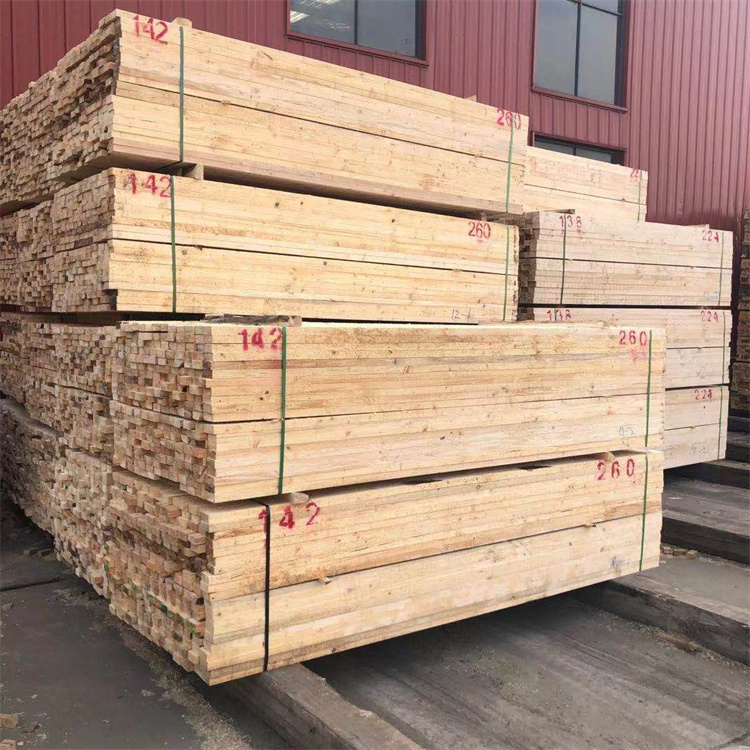

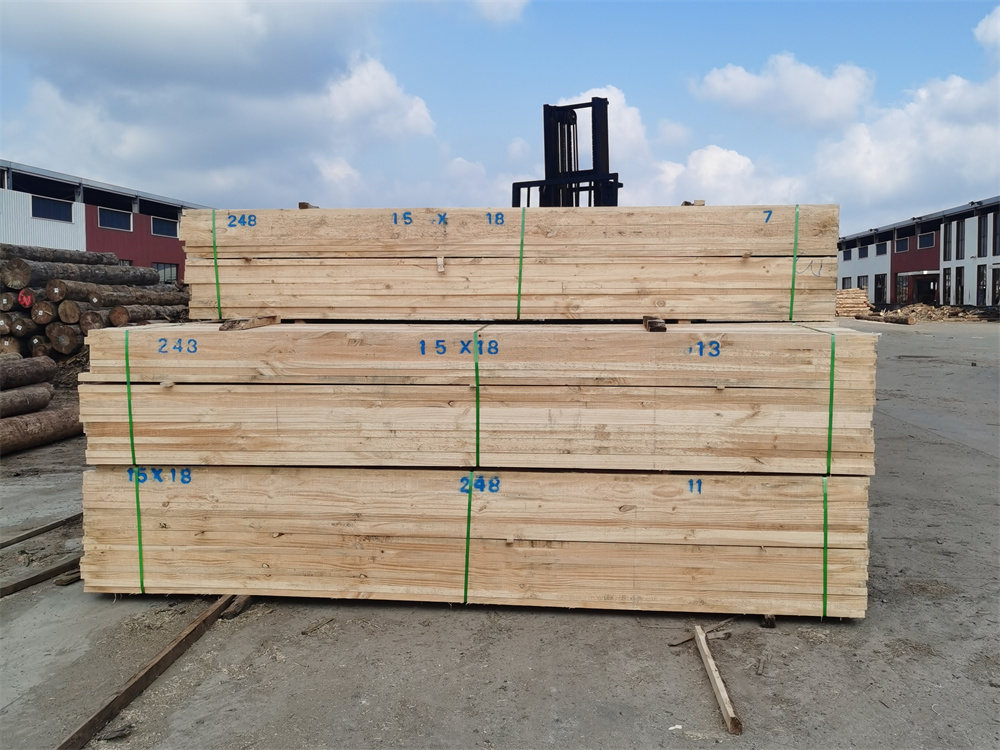

Construction wood square exhibition path: Construction materials are corrosion-resistant, non cracking, low moisture content, customized, easy to fix
Category:
building materials/Wooden materials/Wooden profiles
Model:
Brand:
Zhantu Wood Processing Factory
Product Name:
Architectural timber
tree species:
pine wood
Processing & Customization:
yes
level:
I
water content:
twenty-eight
bulk density:
thirty-three
flexural strength:
one hundred and three
thermal conductivity:
low
Scope of application:
easy to fix
special function:
Wood hard
Overall dimensions:
one thousand and three hundred
weight:
ten
manufacturer:
Zhantu Wood Products Factory
Retail Price
1,200.00USD
重量
kg
- Product Description
-
Product Name Architectural timber
tree species pine wood
Processing & Customization yes
level I
water content twenty-eight
bulk density thirty-three
flexural strength one hundred and three
thermal conductivity low
Scope of application easy to fix
special function Wood hard
Overall dimensions one thousand and three hundred
weight ten
manufacturer Zhantu Wood Products Factory
Description :


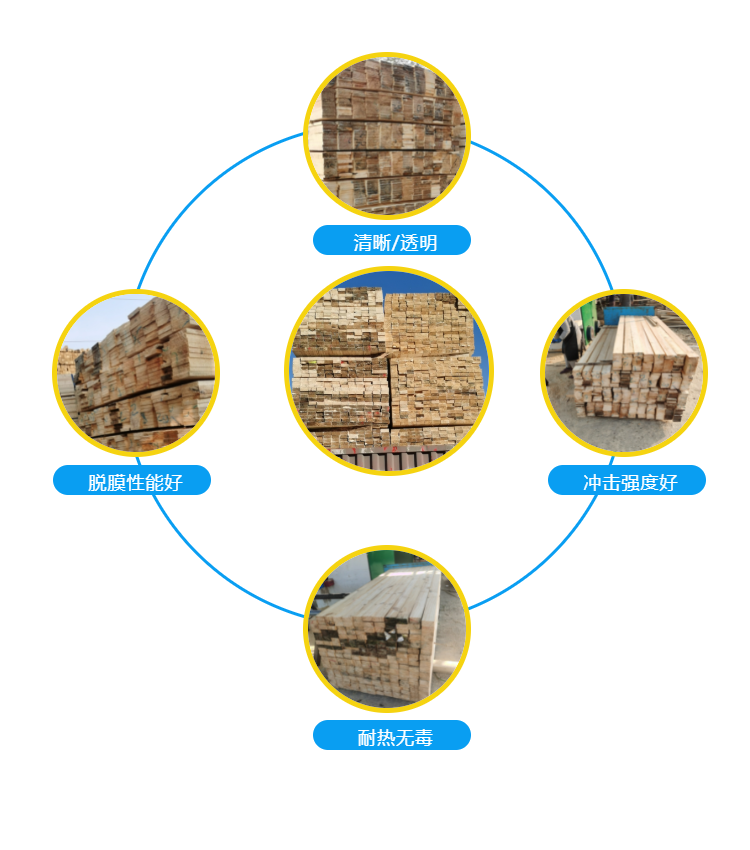

Some uses of building timber
We all know that Chinese construction timber, also known as construction timber, is a type of wood that can be imported internationally and processed into fixed asset specification and size blocks through multiple sawing processes in China. Therefore, they believe that everyone knows that as long as it is wood, it will have certain thermal expansion and contraction properties. Therefore, as a phenomenon of cracking in construction timber, it is actually a manifestation of the "dry shrinkage" property of construction timber! I believe everyone can often see it, so how should we properly deal with the phenomenon of cracking in traditional building wooden beams for enterprises?
Our country needs to first understand the forms of cracking in Chinese architectural wooden beams! It can be mainly divided into four types: internal cracking, surface cracking, end cracking, and wheel cracking. Next, we need to understand the development of these four types of cracking and the specific analysis reasons that may lead to cracking in our daily lives!
Internal cracks: Internal cracks, also known as honeycomb cracks, refer to the internal cracks of building wood after a dry storage period, which can be judged from the depressions on the surface of the building wood.
2. Wheel cracking: Cracks extend along different growth rings and are caused by China's strong internal control tension factors.
Figure 3. End cracking: End cracking, also known as splitting, occurs at the end of the wood or extends to one or both sides of the end, if both sides are called splitting. During the drying process of wood, this situation occurs when the moisture conductivity along the grain direction is greater than that along the grain direction.
4. Surface cracking: refers to the formation of cracks on the surface. Wooden cracks in buildings are usually on the chord surface and often crack radially. When the building timber is dried, the water evaporates and the surface moisture content of the building timber decreases below the fiber saturation point.
The above is an introduction to the use of building timber
AfterSalesService :
Key words:- Architectural timber
More Products