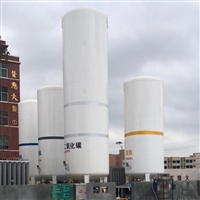


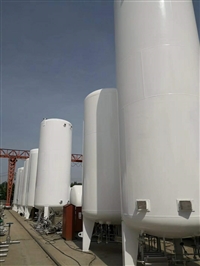
Low temperature storage tank oxygen, nitrogen and argon manufacturer supply technical solutions and services oxygen, nitrogen and argon storage tank quotation
Category:
mechanical equipment/Storage and transportation equipment/storage tank
Model:
Brand:
Zhongjie Special Equipment
Retail Price
115,000.00USD
重量
kg
- Product Description
-
Description :
Shandong Zhongjie Special Equipment Co., Ltd
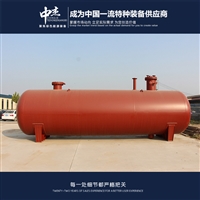
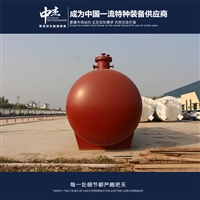
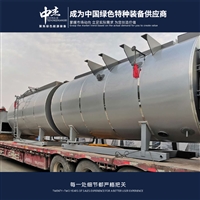
Low temperature storage tanks mainly include liquid nitrogen storage tanks, liquid oxygen storage tanks, liquid argon storage tanks, and carbon dioxide storage tanks; 20 foot low-temperature liquid tank container; Installation of high-pressure pipelines.
Liquefied petroleum gas storage tanks mainly include underground liquefied gas storage tanks, liquefied gas storage tanks, liquid ammonia storage tanks, liquid storage tanks, propylene storage tanks, propane storage tanks, ethylene oxide storage tanks, etc. Chloromethane storage tanks and liquefied petroleum gas storage tanks are divided into two types: above ground storage tanks and underground storage tanks. Our company is located in Heze, the picturesque hometown of peonies at the west gate of Shandong Province. We welcome all knowledgeable individuals to visit our company by phone, letter, or in person for on-site inspections. We are willing to have sincere negotiations and long-term cooperation with you
Tips for maintenance of liquid nitrogen storage tanks: 1. Before use, a small amount of liquid nitrogen should be added to the tank to pre cool it. When the temperature inside the tank reaches the liquid nitrogen temperature, fill the tank with liquid nitrogen. Be careful when handling liquid nitrogen storage tanks to prevent collision and compression. Do not drag or move them on the ground, and lift them up. When not in use, the liquid nitrogen storage tank should be stored in a dry and well ventilated room to prevent moisture. 2. Check the neck plug and neck plug groove at any time, remove the ice on the neck plug in a timely manner, and do not place plastic cloth or other substances on the neck plug to increase the sealing ability and ensure the functionality of the liquid nitrogen storage tank. When it is found that the consumption rate of liquid nitrogen is too fast or there are water droplets or white frost near the neck of the liquid nitrogen storage tank, it indicates that the insulation function of the tank has expired and liquid nitrogen cannot be retained. The specimens placed in the liquid nitrogen storage tank should be properly labeled, and the retrieval and placement should be stable, accurate, and fast. Liquid carbon dioxide is a refrigerant that can be used to preserve food and also for artificial rainfall.


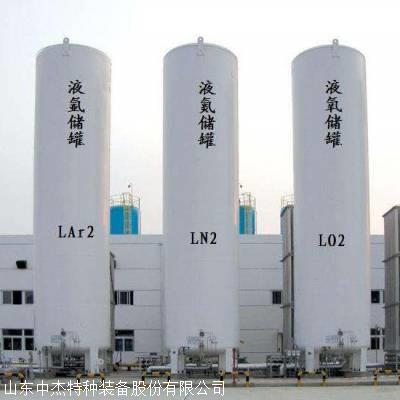
During the production process of low-temperature storage tanks, due to water erosion, cavitation, and corrosion by trace chemical media on the heat exchanger tube plates, leakage often occurs at the tube plate welds, resulting in mixing of water and chemical materials. The production process temperature is difficult to control, leading to the generation of other products, seriously affecting product quality, and reducing product grade. After the leakage of the condenser tube plate weld seam, enterprises usually use traditional repair welding methods to repair it. The internal stress of the tube plate is prone to occur and difficult to eliminate, resulting in leakage of other heat exchangers. Through inspection of the equipment repair situation, repeated repair welding and experiments, 2-4 people need several days to complete the repair. After a few months of use, the tube plate weld seam corrodes again, which brings waste of manpower, material resources, and financial resources to the enterprise, and increases production costs. A liquid nitrogen storage tank is a highly vacuum refrigerated container. So, how to extend the service life of low-temperature storage tanks during the use of liquid nitrogen tanks? Before using a liquid nitrogen tank, a small amount of liquid nitrogen should be injected to pre cool it.
8. Slowly open the inlet gate valve to pre cool the pipeline (the pre cooling is considered complete when the inlet pipe flange is frosted, and the time is about 10 minutes). Afterwards, fully open the inlet gate valve to enter the liquid, and ensure that the pressure difference between the inlet pipeline and the low-temperature storage tank is above 0.2Mpa, but the inlet pipe pressure should not exceed 0.65Mpa. During the unloading process, when the LNG liquid level of the tanker truck is above 400mm, the tanker truck pressure should be maintained at around 0.7Mpa. When the LNG liquid level of the tanker truck approaches zero and the LNG pressure of the tanker truck is equal to the pressure of the LNG storage tank, it is considered that the unloading is complete. 11. After discharging the residual gas from the tank truck into the BOG buffer tank, close the liquid and gas phase valves of the tank truck, open the connecting valve between the unloading platform inlet pipe and the BOG pipe, close the BOG buffer tank valve, close the inlet gate valve, and open the vent valve to discharge the low-pressure residual gas from the inlet pipe and BOG pipe through the unloading vent pipeline. Remove the hose and grounding wire. Retrieve vehicle signs. 12. Close the inlet valve of the low-temperature storage tank.


AfterSalesService :
Key words:- Oxygen
- nitrogen
- and argon storage tanks
More Products