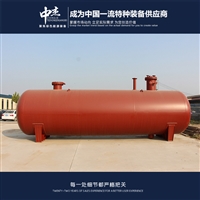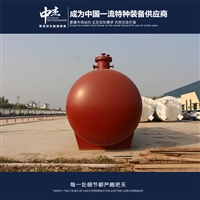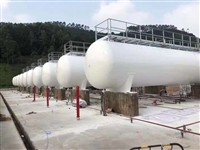


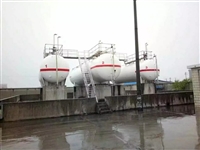


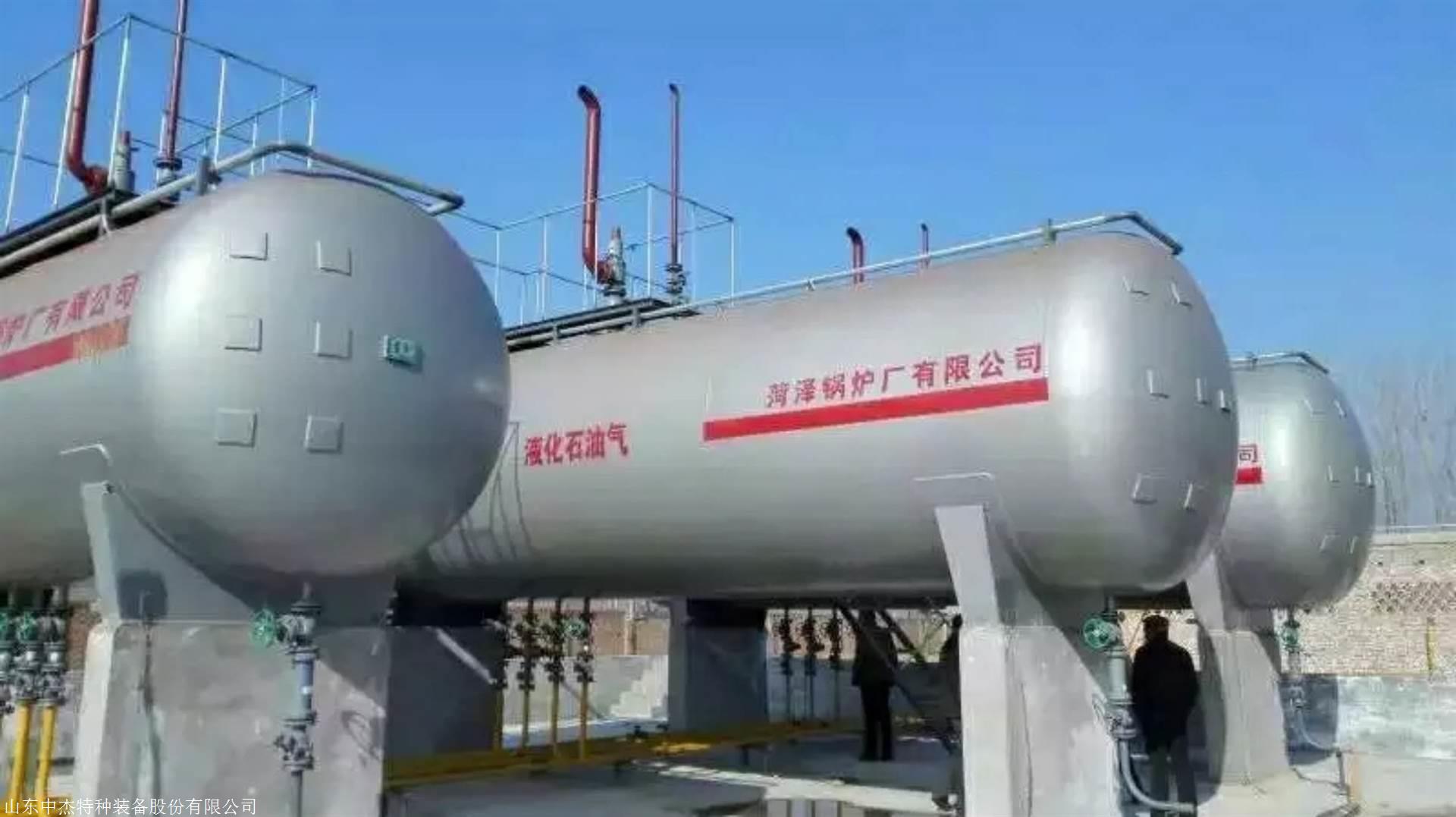
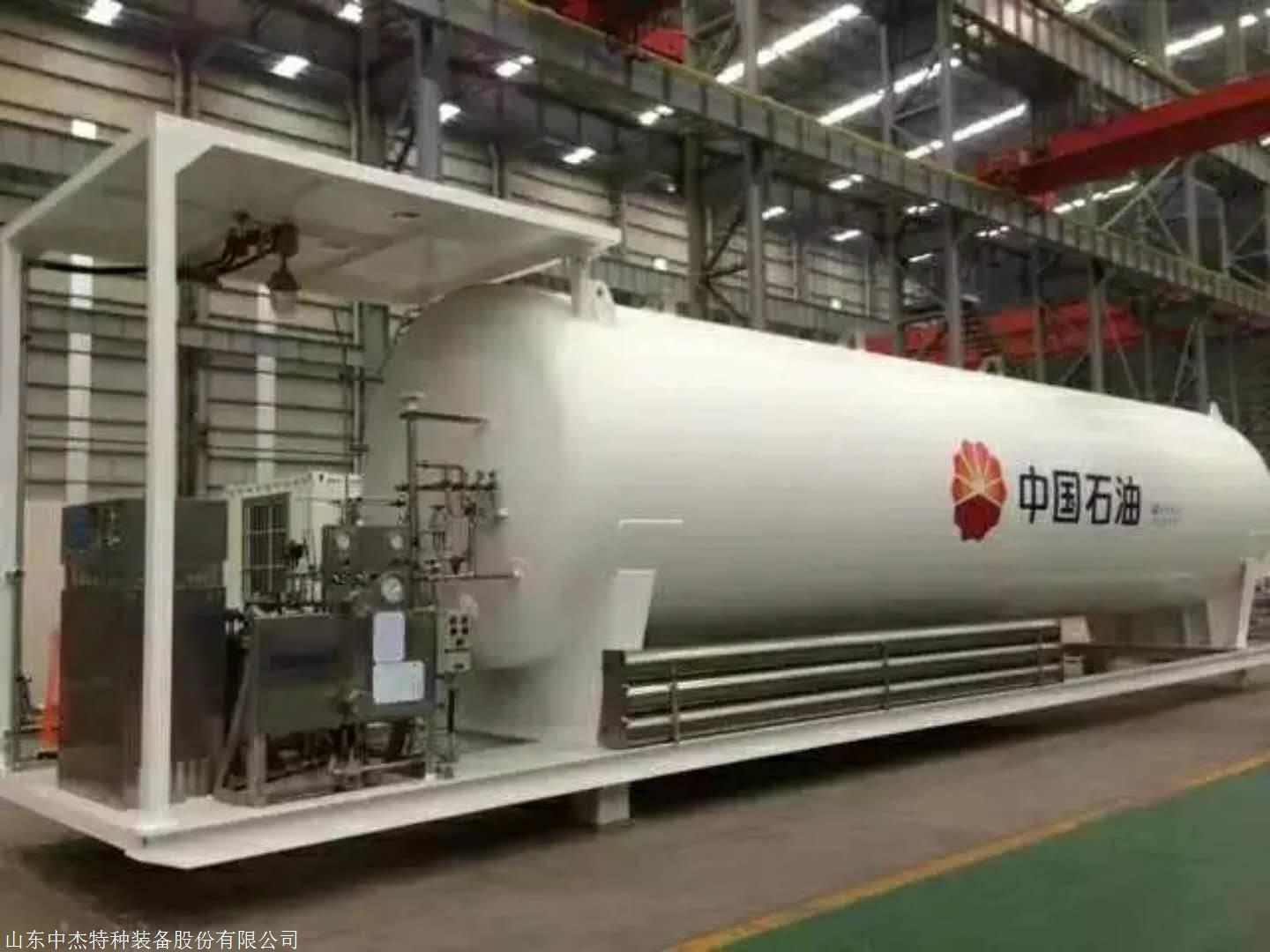
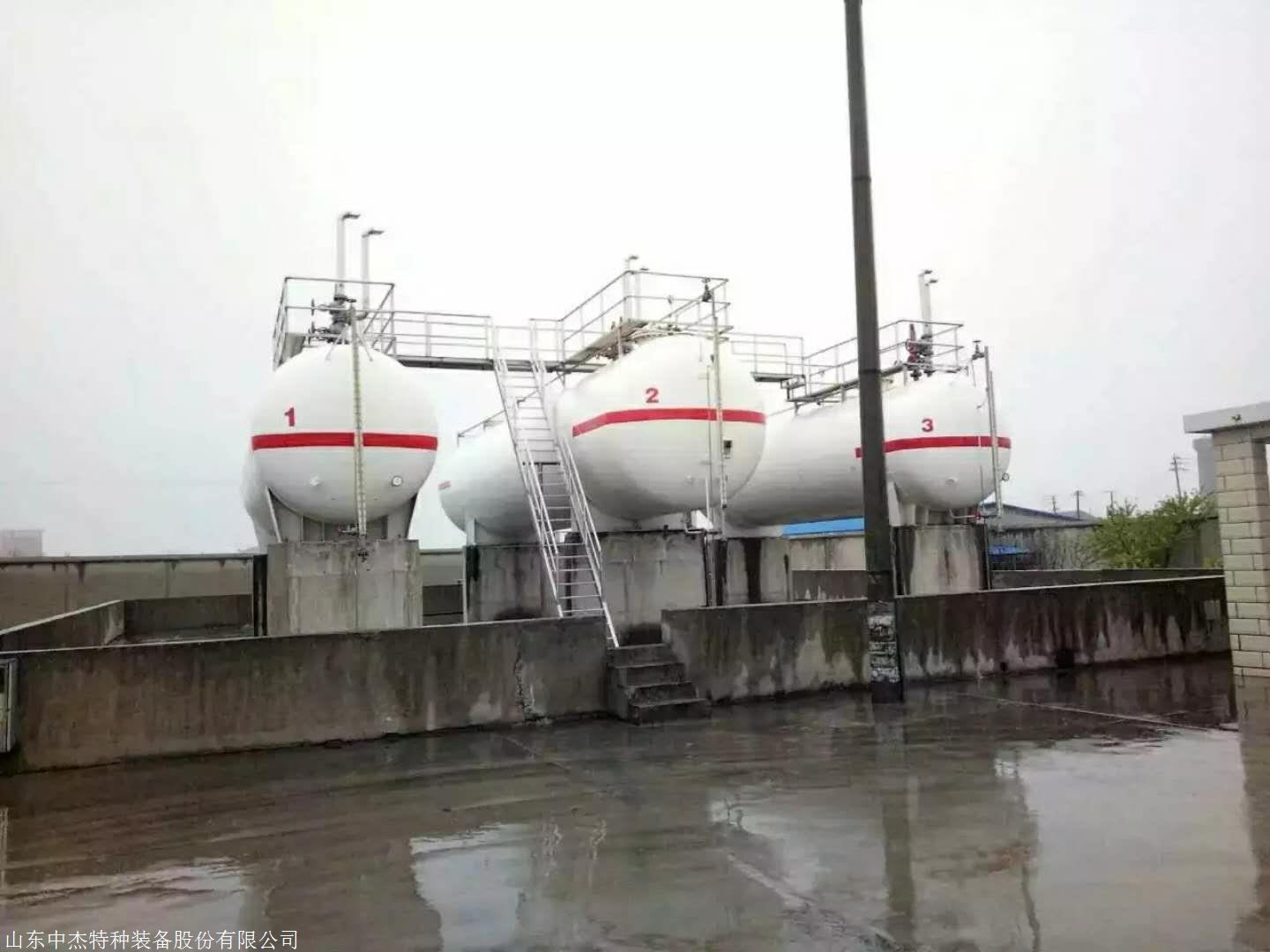
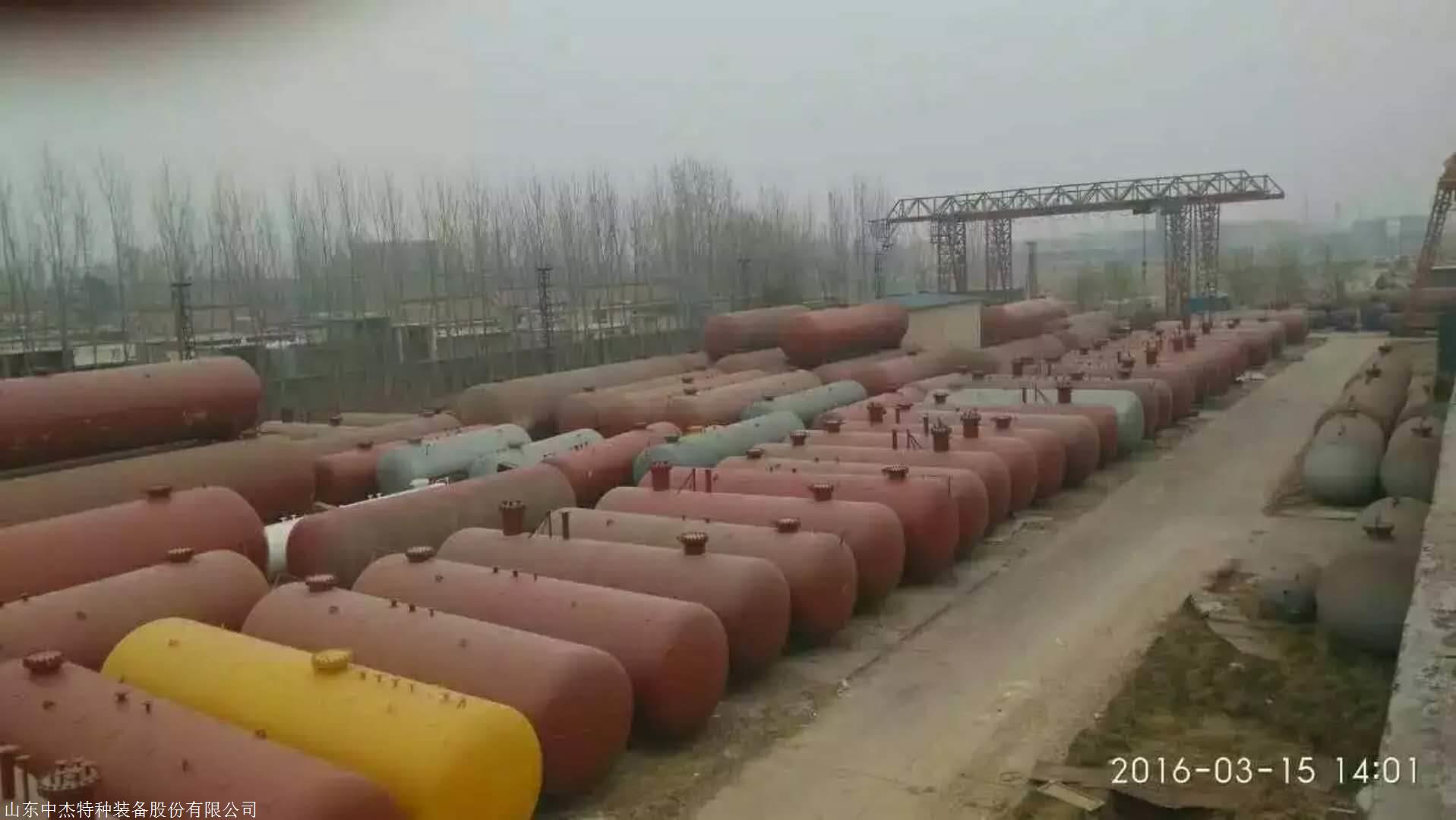
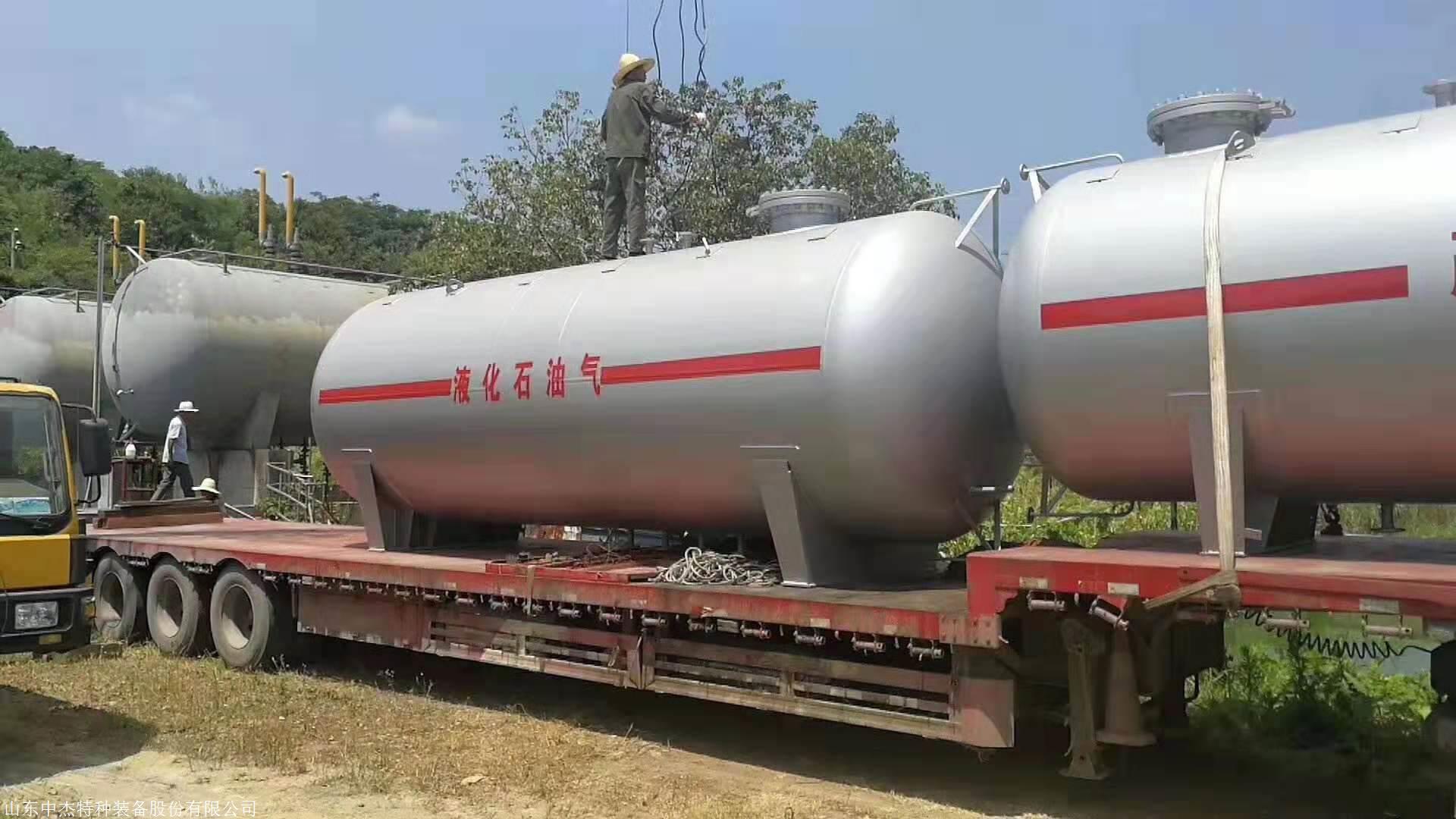
50 cubic LPG storage tank, liquefied gas storage tank manufacturer, 2020 liquefied natural gas storage tank price, high cost-effectiveness
Category:
mechanical equipment/Storage and transportation equipment/storage tank
Model:
WDG1.77-3200-100
Brand:
Zhongjie Special Equipment
Retail Price
245,000.00USD
重量
kg
- Product Description
-
Description :
working principle
Before the replacement equipment is put into use, or after long-term shutdown, maintenance, or relocation, it must undergo air replacement inside the tank (it is strictly prohibited to directly add LPG without replacement). 1. Inert gas displacement method. Directly replace (dilute) the air inside the storage tank with inert gas. The inert gas referred to here refers to non-toxic gases that are neither flammable nor combustible, such as nitrogen, carbon dioxide, etc. Taking nitrogen as an example, it is briefly described as follows: nitrogen is injected into the storage tank from the inlet, and the pressure of the storage tank is increased to 0.6 MPa. After holding the pressure for 10 minutes, the gas is discharged from the discharge outlet. When the pressure of the storage tank drops to 0.2 MPa (the tank always maintains a positive pressure nitrogen seal state to prevent air from entering), the discharge outlet is closed (when releasing gas, the end valves of the gas phase outlet, reflux outlet, and liquid outlet pipelines can be instantly opened to clear the air in the pipeline). Repeat the above operation three times or more to complete the replacement of the storage tank. If carbon dioxide is used for replacement, it should be introduced from the inlet and discharged from the vent. The operation method is the same as above. This method has good reliability, high safety factor, and high success rate, and is generally recommended for use. 2. Water displacement method. Replace the air in the storage tank with water first, and then replace the water in the tank with inert gas. That is, using water as an intermediate medium for displacement. The operation process is as follows: 1. Inject water into the storage tank from the drain outlet. When the water overflows from the vent, the air has been completely discharged. 2. Stop injecting water, then inject nitrogen into the storage tank from the vent, open the tank drain, and the water in the storage tank flows out from the drain under the pressure and weight of nitrogen until the water in the storage tank is completely drained. 3. Close the drain valve, continue to fill the tank with nitrogen until the pressure inside the tank reaches 0.2 MPa, and always maintain a positive pressure nitrogen seal inside the tank to prevent air from entering again. This method is easy to operate, safe and reliable, and has a short cycle. Note: When replacing with water, it is strictly prohibited for the hydrocarbon pump to enter the water.
Unloading operation1. After the tanker enters the designated position, turn off the engine, tighten the manual brake, and use a triangular wooden block to prevent the tanker from sliding. 2. Check whether the tank body, valves, level gauges, pressure gauges, and thermometers of the tanker are normal, and whether the fire-fighting equipment is intact and ready for use. 3. The static grounding wire between the tanker and the unloading platform should be firmly connected, and the liquid level of the tanker should be calibrated and recorded together with the tanker escort. 4. The gas and liquid hoses of the unloading platform are firmly connected to the quick connector of the tanker, and the sealing rubber ring should be checked to ensure that it is in good condition before connection. 5. Press the handle of the tanker oil pump to increase the oil pressure to 0.3-0.4MPa, in order to open the emergency shut-off valves for the gas and liquid phases of the tanker. 6. Open the vent angle valve, release the air from the hose, and close the angle valve after the gas and liquid phase materials are sprayed out. 7. Open the pneumatic and liquid-phase valves of the tank driver. 8. Open all valves on the liquid phase pipeline from the storage tank to the tanker. 9. Send air to the pneumatic cut-off valve of the storage tank, keeping it in the open position, to connect the gas phase port of the storage tank with the gas phase port of the tanker. 10. After inspection and confirmation, turn on the unloading pump, liquefied petroleum gas enters the tank, and the tanker is in the unloading state. 11. During the unloading process, it is strictly prohibited to overfill the storage tank, and the unloading speed should not be too fast. The pressure difference between the tanker and the storage tank should not exceed 0.2 MPa. 12. Unloading is completed, stop the unloading pump, close the gas and liquid phase valves of the storage tank, manually operate the solenoid valve to urgently cut off the gas phase and return to the closed state. Close the emergency shut-off valve and gas-liquid phase valve of the tanker. 13. Open the exhaust valve of the tanker and exhaust any residual gas in the unloading hose. 14. Remove the hose and disconnect the static grounding wire between the tanker and the loading and unloading platform, and close the tanker operation box. 15. Verify the liquid level after unloading and sign the unloading operation record with the escort. 16. Inspect the site and ventilate for 5-10 minutes before starting the vehicle. 17. When thunderstorms, nearby fires, gas leaks, abnormal pressure, and other unsafe factors occur, loading and unloading operations should be immediately stopped. Filling operation1. Open all valves in the liquid phase pipeline between the outlet and the gas dispenser, and open all valves in the reflux pipeline. 2. Provide pneumatic cut-off valve for liquid gas supply, keep it in the open position, and connect the liquefied petroleum gas in the storage tank with the filling pump. 3. After confirming the status of each valve, turn on the filling pump. 4. Determine whether the return pipeline is in working condition based on the working status of the gas dispenser. When the usage of the gas dispenser is low, the pressure will cause the safety reflux valve to open and return to the storage tank through the reflux pipeline. 5. For specific car refueling operations, please refer to the gas dispenser operation guide. 6. Stop the refueling pump after refueling is completed. If the gas is not refilled for a long time, the emergency shut-off valve at the liquid outlet should be closed.
AfterSalesService :
Key words:- Liquefied gas storage tank manufacturer
More Products