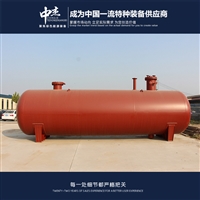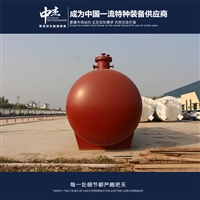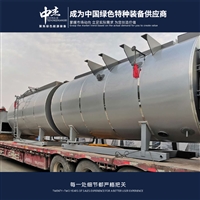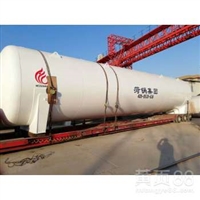
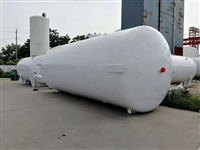
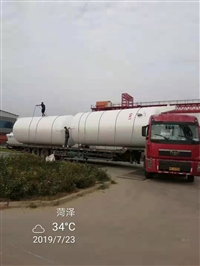


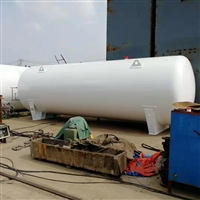
Manufacturer undertakes after-sales liquefied natural gas storage tanks, sells conventional low-temperature products, and witnesses a large number of projects
Category:
mechanical equipment/Storage and transportation equipment/storage tank
Model:
Brand:
Zhongjie Special Equipment
Retail Price
296,000.00USD
重量
kg
- Product Description
-
Description :
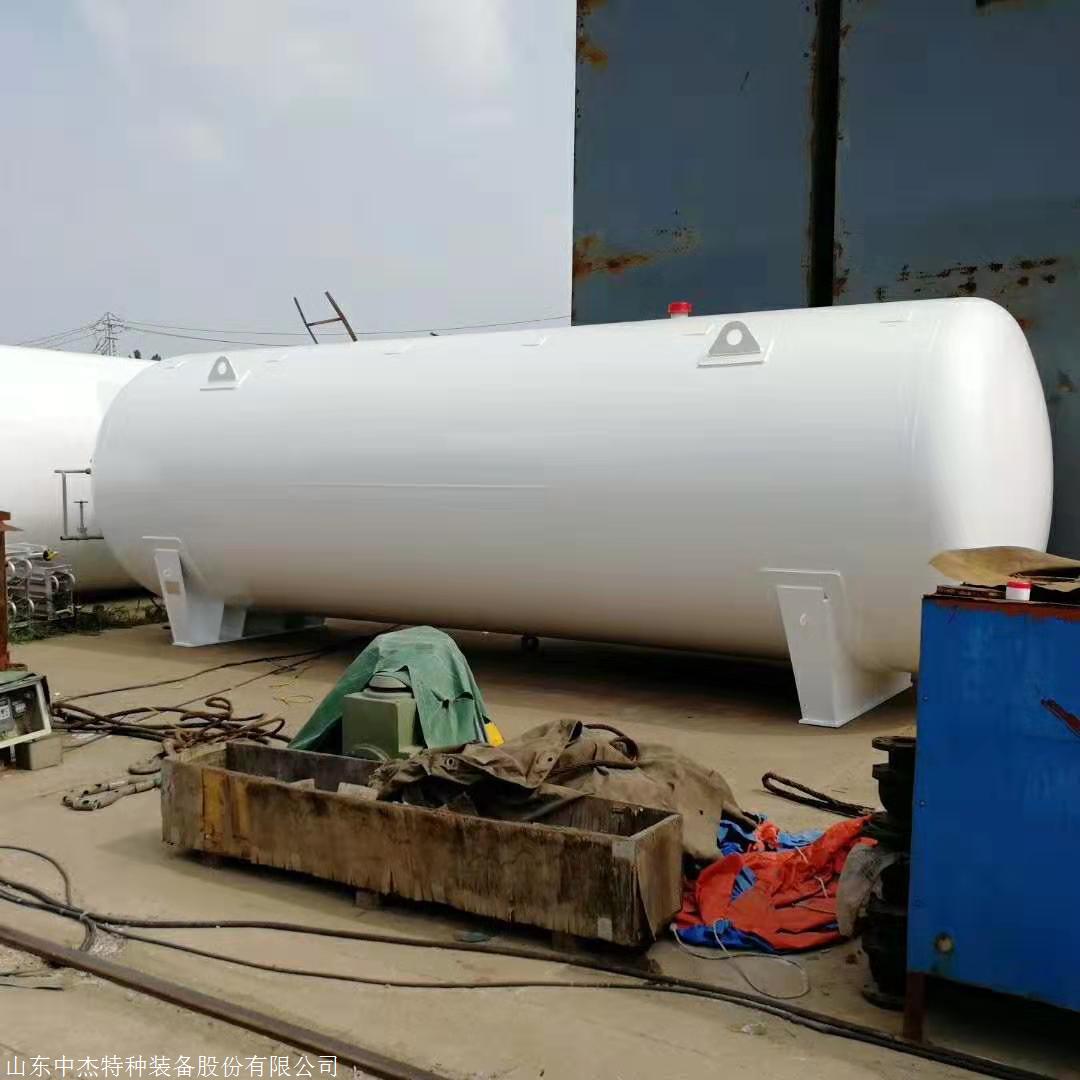
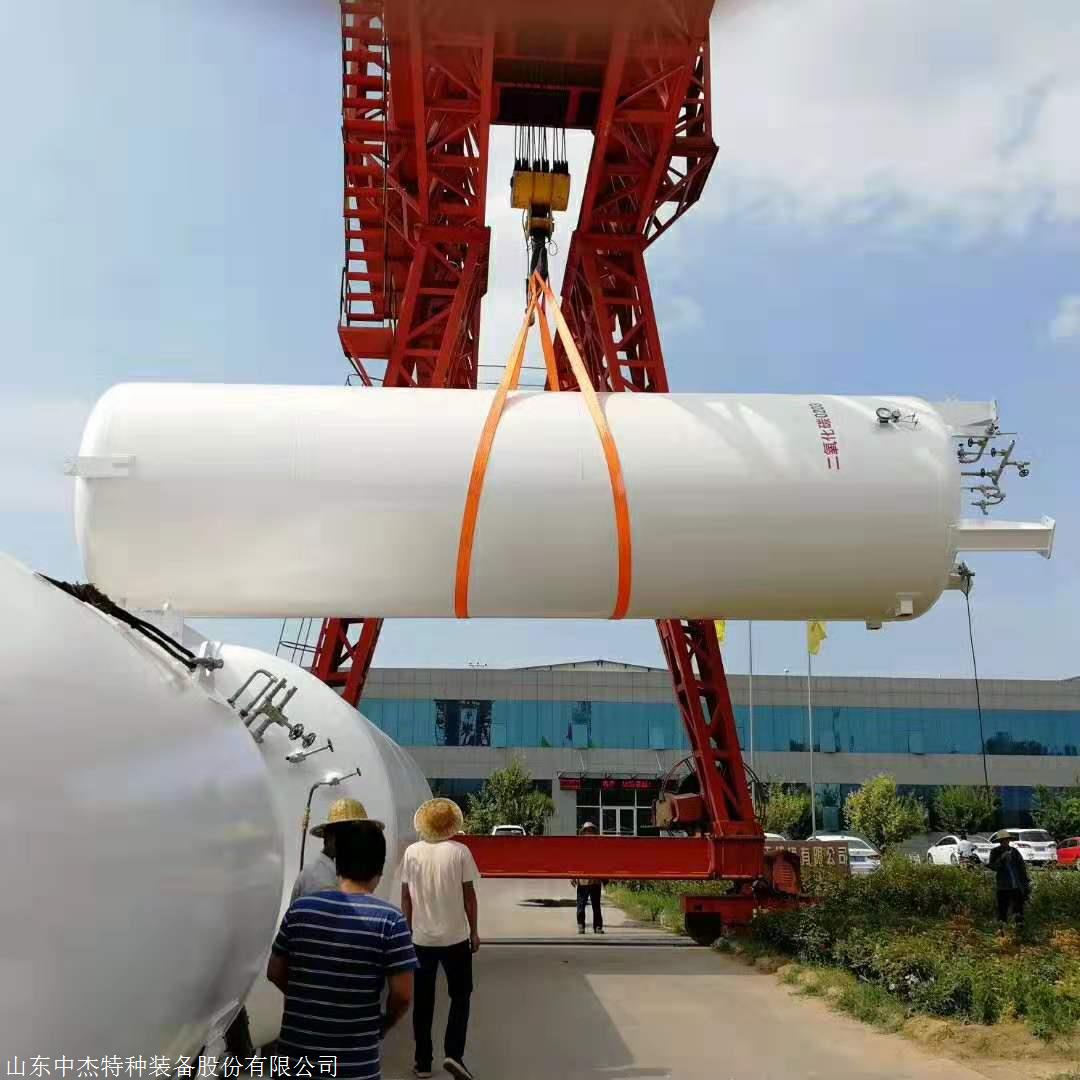
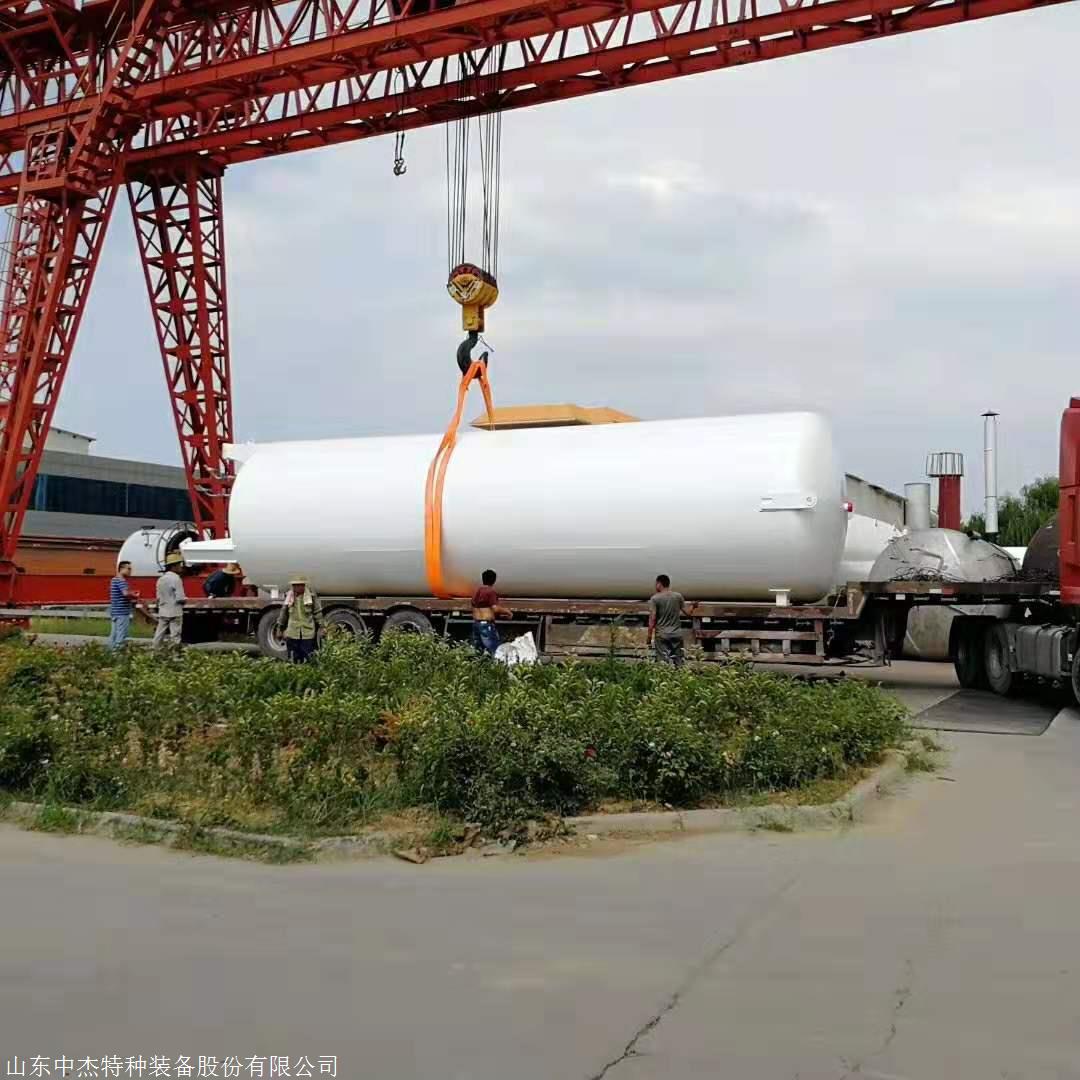
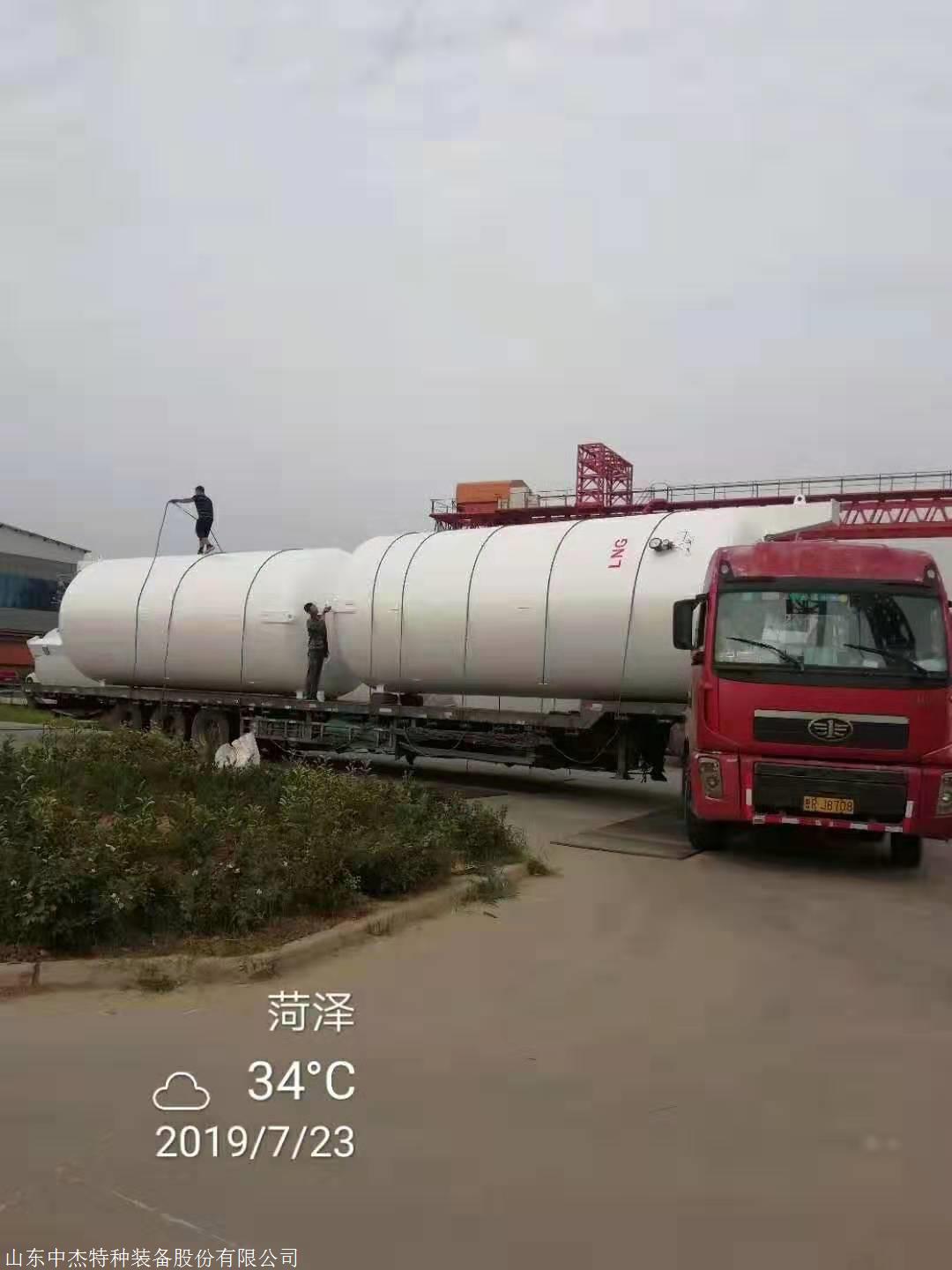
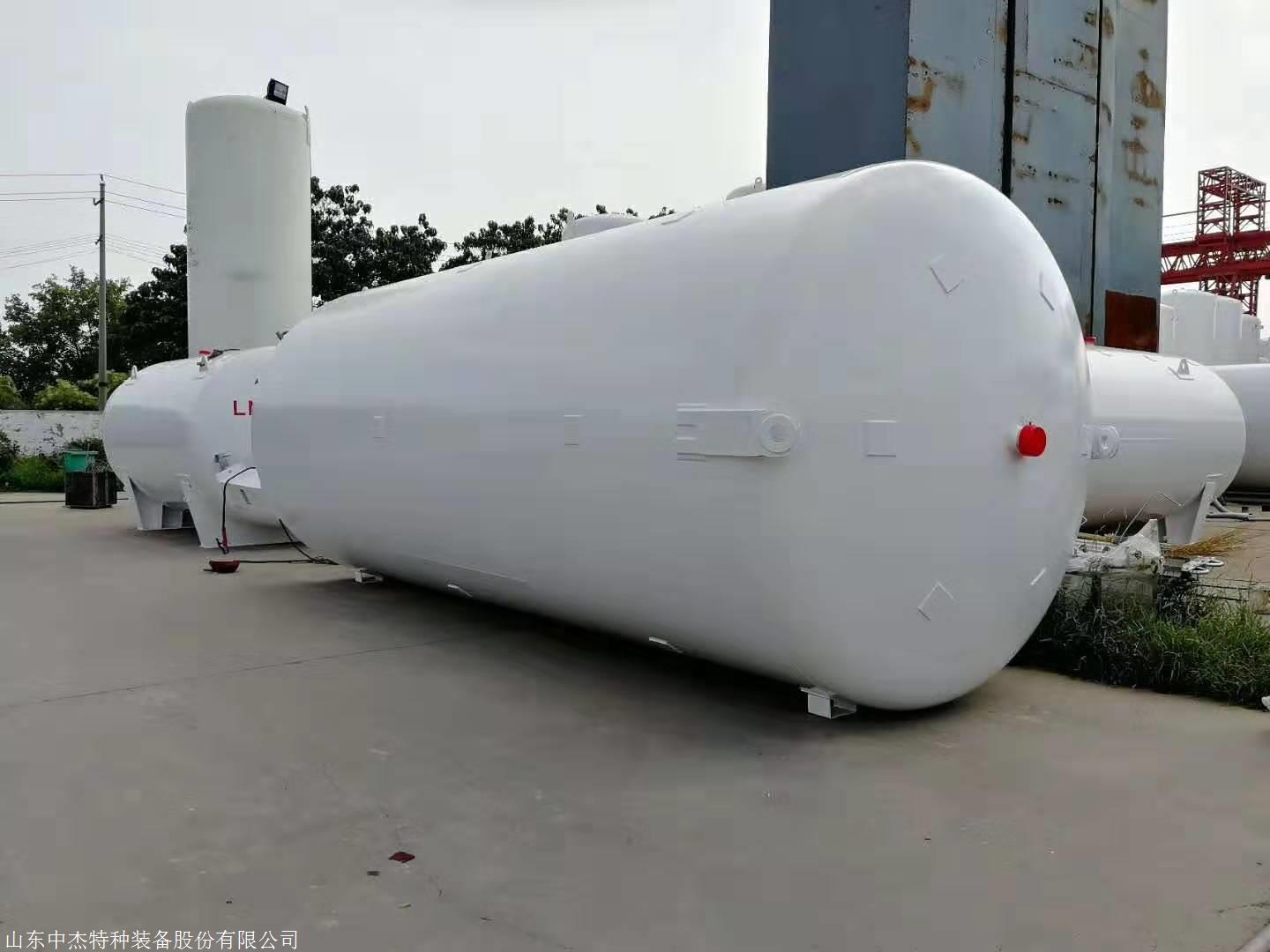
The danger in LNG refueling station equipment comes from LNG low-temperature storage tanks. The low-temperature storage tank of LNG refueling station equipment generally adopts a double-layer structure vertical or horizontal vacuum powder insulated low-temperature storage tank. The inner cylinder is made of 30408 austenitic stainless steel, and the outer cylinder is made of Q34MnR container plate. The space between the inner and outer cylinders is filled with pearl sand and vacuum insulated. If the vacuum layer is damaged, the insulation performance will decrease, which will cause the LNG stored in low-temperature cryogenic storage to vaporize due to heating. The pressure inside the low-temperature storage tank will increase sharply, and the safety relief valve will open, resulting in a large amount of natural gas being released;
Another potential danger is the leakage of the valve at the root of the low-temperature storage tank.
Low temperature storage tanks for liquid natural gas (LNG) have experienced a 'leak'. The LNG refueling station equipment manager should take decisive measures, immediately shut down the compressor, stop refueling operations, and switch equipment operation modes; At the time blockade site, implement control over the surrounding main roads, evacuate gas vehicles, passengers, and surrounding residents; Report the danger to superiors; The staff brought specialized tools and combustible gas leak detectors into the low-temperature storage tank area to confirm the leak location and measure the concentration of leaked natural gas. The officers and soldiers of the fire brigade arrived and activated the fire water guns of two fire trucks to dilute the concentration of natural gas in the air. They also set up water curtain walls between the tank area and the refueling area to prevent the diffusion of natural gas. Three emergency repair personnel wearing emergency combat suits, protective shoes, and antifreeze gloves entered the accident site. After investigation, it was found that there was a crack in the needle valve at the root of the differential pressure level gauge of the storage tank, accompanied by a slight leakage sound, and the valve body had frost. Due to the special location of the leakage point and the high pressure of the storage tank, the emergency repair personnel cannot open the foam generator to cover the foam at the leakage point to control the expansion of the leakage. The repair personnel will develop a plan based on the actual situation to replace the needle valve by pouring the tank (unloading the liquid natural gas (LNG) from the storage tank onto the tanker).
At this moment, an LNG tanker drove into the LNG refueling station equipment. The tanker driver and escort put on anti freezing gloves and face masks, skillfully connected the gas hose, and used a submersible pump to unload and pour the tank. After more than 20 minutes, the natural gas in the storage tank was emptied, and all 20 tons of liquid natural gas (LNG) were transferred to the tanker. The detection personnel used a combustible gas leak detector to detect the concentration of natural gas in the air again, and confirmed that it was within a safe range. The tanker drove away from the gas station. Three emergency repair personnel entered the site again, first emptying the remaining liquid in the storage tank to reduce pressure, and then replacing the needle valve to resume production.
The manufacturer of complete equipment for gas stations will explain the system composition and working principle of gas stations to you
⑴ CNG conventional refueling stations generally consist of six subsystems:
① Pressure regulating and metering system;
② Natural gas purification and drying system;
③ Natural gas compression system
④ Storage system for compressed natural gas;
⑤ Control system of compression station;
⑥ Compressed natural gas sales system;
For users in different regions and environmental conditions, the equipment configuration of these six subsystems may vary greatly, ranging from few to many, simple to complex. However, as a complete gas station, none of them are indispensable.
⑵ System composition of mother and child gas stations
The system composition of the mother station and the regular station is basically the same. However, its gas supply capacity is much larger (both the compressor displacement and the gas storage capacity of the station's gas cylinders are relatively large), and the gas sales system needs to be equipped with 1-2 large flow refueling columns in addition to the gas vending machine to refuel the sub station trailer.
Compared with conventional stations, sub stations do not require pressure regulation and metering systems or purification and drying systems due to the lack of pipeline gas transmission. However, 1-2 additional sub station trailers are required to transport gas from the main station.
3. The manufacturer of complete equipment for gas stations will explain the main subsystems and basic configurations of gas stations to you
(1) Pressure regulating and metering system
The main function of the pressure regulating and metering system is to maintain stable pressure of natural gas from the gas pipeline and meet the inlet pressure requirements of the compressor. Simultaneously measure the gas volume input to the gas station. Its main equipment includes filters, regulators, flow meters, pressure gauges, bypass valves, and main valves.
(2) Purification and drying system
The purification and drying system mainly includes processes such as dust removal, desulfurization, oil removal, dehydration, and drying, which can be divided into two forms: pre-treatment and post-treatment. Strictly speaking, the condensation and oil removal process before and after each compression stage in the compression system can also be attributed to the purification system.
The so-called pre-processing refers to the drying and purification of natural gas before compression, with the aim of protecting the normal operation of the compressor; The so-called post-processing, which refers to the purification and drying of compressed natural gas after compression, aims to ensure the purity of the gas being sold. It not only ensures good combustion in the engine without any harm to the engine, but also avoids possible damage to the gas sales system.
These two purification and drying methods can be applied simultaneously or only one of them can be used. From the current practical applications at home and abroad, basically one method is adopted, and in recent years, pre-processing has gradually become a trend, which can protect the core equipment of gas stations - compressors - from corrosion and damage.
(3) Compression system
This is the core part of a CNG refueling station, mainly including: ① intake buffer and exhaust gas recovery tank; ② Compressor unit; ③ Compressor lubrication system; ④ Compressor and cooling system for compressed natural gas; ⑤ Oil purification system; ⑥ Six major parts including control system. The control part is quite complex, and we will treat it as a separate subsystem for further explanation.
a. Air intake buffer and exhaust gas recovery tank
The intake buffer tank, strictly speaking, should include intake buffering for each stage of the compressor, with the purpose of reducing the pressure pulsation of the airflow and the resulting vibration of the unit during compressor operation.
The waste gas recovery tank is mainly used to cool and separate the compressed natural gas at each stage, and then discharge a portion of the waste gas together with the condensate oil; Natural gas trapped in the system after the compressor is shut down; The reflux gas from various pneumatic valves is first recovered and returned to the compressor inlet through a pressure regulating and reducing valve. When the pressure in the tank exceeds the pressure of the safety valve above it, it will be automatically discharged in a centralized manner. The heavy hydrocarbon oil separated by condensation can also be periodically discharged from the bottom of the recovery tank.
In fact, some manufacturers have eliminated the buffer tank or replaced the buffer tank with an intake separation tank while ensuring that the pressure pulsation is sufficiently small. Some have also combined the intake buffer tank and exhaust gas recovery tank into one, which has a dual function.
b. Compressor unit
The compressor unit includes a compressor and a driver. The compressor is the compression system and the heart of the entire gas station. The structural forms of compressors produced by different manufacturers are different. The compressors used for natural gas have a relatively high pressure, and are basically piston reciprocating compressors. Its structural forms include horizontal symmetrical balance type, vertical type, and angular type (V-shaped, double V-shaped, W-shaped, inverted T-shaped, etc.). There are mainly two types of compressors produced domestically: V-type and L-type.
There are two types of drivers for compressor units: one is the motor, which is widely used and convenient; The second is natural gas engines, mainly used in remote areas with power shortages or near gas fields, which can reduce the operating costs of gas stations.
c. Compressor lubrication system
The compressor lubrication system includes lubrication at the crankshaft, cylinder, piston rod, connecting rod shaft sleeve, and cross head. The system consists of pre lubrication pump, circulation pump, distributor, oil pressure gauge, oil temperature gauge, sensor, oil cooler, oil pipe, filter, oil tank (crankcase), waste oil collector and other components.
The cylinder lubrication methods can be divided into three types: oil lubrication, oil-free lubrication, and low oil lubrication.
d. Compressor and compressed natural gas cooling system
Compressors and compressed natural gas cooling systems can be divided into two categories: water-cooled and air-cooled. Water cooling is divided into two types: open cycle and closed cycle. Air cooling can also be divided into two types: one is the cylinder with heat dissipation fins, which is mostly used for compact angular structures, and the other is the cylinder without heat dissipation fins, which is used for symmetrical balance structures with dispersed structures.
The open cycle water cooling method, which requires the construction of a dedicated cooling water tank, is an outdated technology and is still adopted by domestic manufacturers. The application of the other three methods is more reasonable and the technology is relatively mature.
(4) Gas station equipment manufacturer explains the storage system of compressed natural gas for you
There are currently four forms of storage for compressed natural gas. One is a large cylinder group with a capacity of over 500L per cylinder, with 3-6 cylinders per station, which is widely used abroad; The second is a small gas cylinder group with a capacity of 40-80L per cylinder, with 40-200 cylinders per station, which is basically the case both domestically and internationally, especially in China; The third is a single high-pressure vessel with a capacity of over 2M3, which is currently only used in one production plant in China; Fourthly, gas well storage can store 500NM3 of gas per well, which is a creation in China's petroleum industry and widely used in Sichuan and other places.
(5) Control system
A complete gas station control system is crucial for the normal operation of the gas station. A highly automated and fully functional control system can greatly improve the efficiency of gas stations and ensure their safe and reliable operation.
The basic control system of a gas station can be divided into six parts:
Power control;
Compressor unit operation control;
Gas storage control (including priority sequence control);
Purification and drying control;
System security control;
Gas sales control (including sequential refueling control and automatic payment system);
(6) Gas sales system
The gas sales system includes high-pressure pipelines, valves, metering, pricing, and control parts. A simple gas sales system, apart from the high-pressure pipeline, only has a very simple addition and a manual valve. The advanced gas sales system is not only controlled by a microcomputer, but also has functions such as priority order refueling control, environmental temperature compensation, overpressure protection, and hose breakage protection. Some have also added automatic payment systems and computer management systems.
AfterSalesService :
Key words:- Natural gas storage tank
More Products