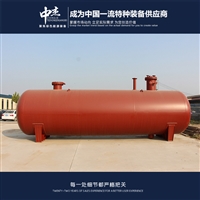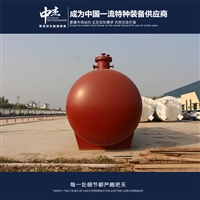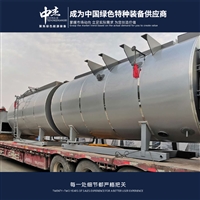


Low temperature oxygen nitrogen argon storage tank manufacturer, low temperature storage tank sales price
Category:
mechanical equipment/Storage and transportation equipment/storage tank
Model:
CFL10-0.8
Brand:
Zhongjie Special Equipment
Retail Price
109,000.00USD
重量
kg
- Product Description
-
Description :
1、 Our company conducts annual quality evaluations on all suppliers to ensure their quality;
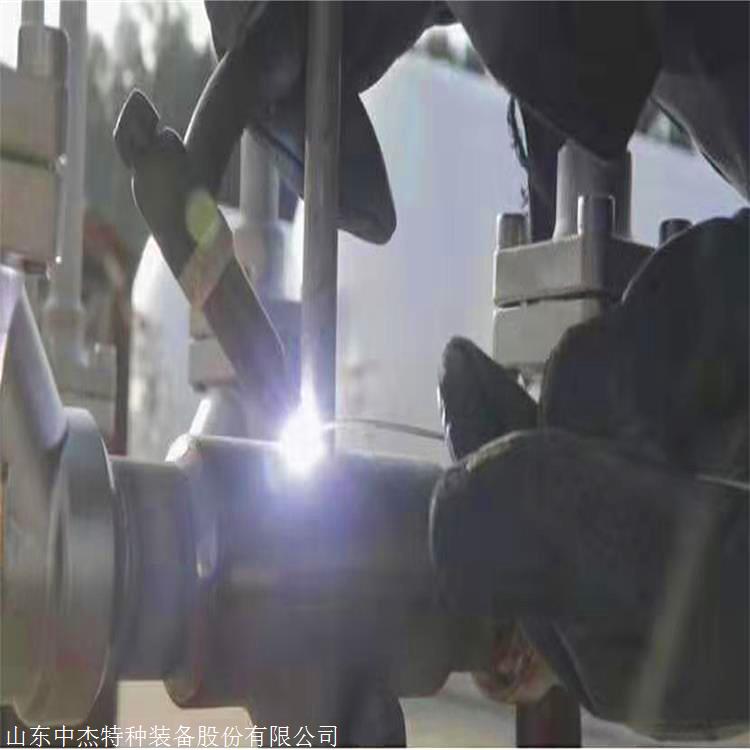
2、 The main compression materials are made of customized steel plates from Jigang and Angang, and the thickness deviation of the steel plates is all higher than the national standard. 3、 The customized steel plates purchased need to undergo ultrasonic re inspection before production in the production workshop to ensure the quality of the steel plates and produce better products. 4、 The product is produced on an assembly line with standardized operations. Improved efficiency, ensured the normal operation of the quality system, and guaranteed product quality. 5、 The main body of the product is welded using internal and external automatic welding to ensure welding forming and internal quality. 6、 All pressure bearing parts are welded using a full penetration structure to ensure welding strength. 7、 All liquefied petroleum gas storage tanks undergo overall stress relief heat treatment. The company has two gas-fired overall heat treatment furnaces with a single processing capacity of 300 cubic meters of storage tanks (DN ≤ 4000mm, L total ≤ 25000mm). It plays a significant role in the service life and safety quality of the product.
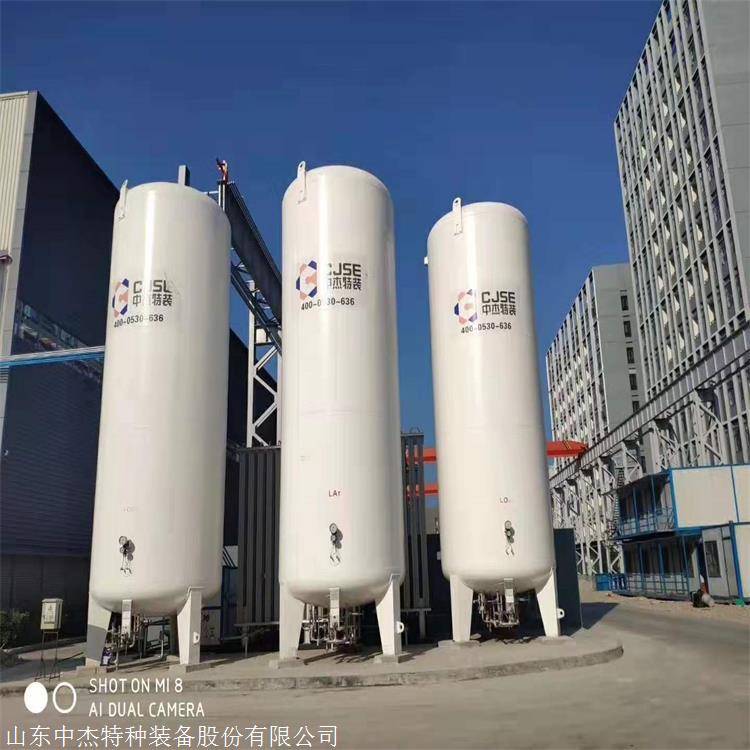
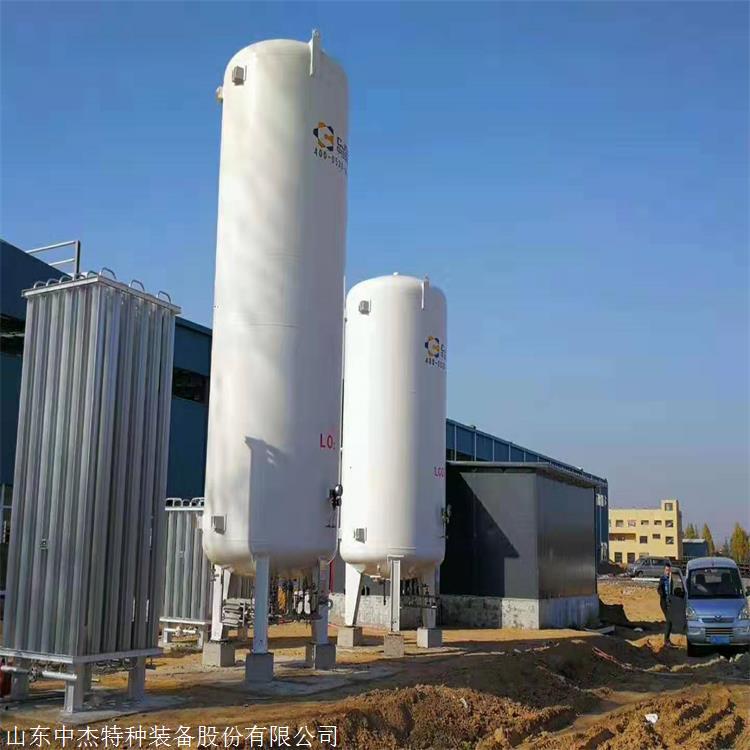
During manufacturing, strong welding should be avoided to prevent defects such as undercutting and misalignment, and to ensure that the surface in contact with the medium is as smooth as possible. After manufacturing, annealing heat treatment should be carried out to remove residual thermal stress after welding. Proper post weld heat treatment can greatly reduce residual stresses during the manufacturing process and lower the peak hardness of the welding heat affected zone. (3) Before putting new storage tanks into use, the air inside should be thoroughly cleared; During the filling, discharging, and maintenance processes, certain measures should be taken to avoid introducing any air. Large storage tanks should continuously condense ammonia vapor, while non condensable gases are mostly air, which should be discharged. Use suction or transpiration to remove air from the storage tank for smaller devices. In short, eliminating air pollution inside storage tanks can effectively prevent stress corrosion. (4) Newly put into use storage tanks should undergo internal and external inspections according to regulations and periodic inspections. Key inspections should be conducted on corrosive areas such as liquid and gas phase interfaces, arc initiation and termination points, and T-joints; The traditional methods for treating excess BOG in small LNG storage tanks mainly include: (1) directly compressing it into the export gas pipeline network; (2) Sent for combustion treatment; (3) Release into the atmosphere. In order to improve the recovery rate of BOG in LNG storage tanks and effectively treat BOG, an optimized design is proposed based on the traditional BOG re liquefaction process. A set of BOG condensation and re liquefaction treatment processes is proposed using the LNG self cooling energy output from the LNG station during the external gas supply process. This process recovers, rewarms, re liquefies, and regulates the BOG gas generated in each link of the LNG storage tank before transporting it to the LNG storage tank for storage, or directly to downstream LNG users through LNG low-temperature pumps. The principle of BOG re liquefaction process in LNG storage tanks is: the LNG pump pressurizes the output LNG in the tank, and at this time, the subcooling degree of LNG, i.e. subcooled LNG, controls the flow of subcooled LNG entering the re condenser to exchange heat with the high-pressure BOG. Fourthly, due to the need to shut down and open tanks during major maintenance inspections, which affects the normal production and operation of tanks, the inspection cycle of tanks often exceeds the standard time interval. Based on the above situation, the integrity testing of storage tanks should clarify the subject and qualifications of the testing, adopt appropriate testing methods, formulate corresponding testing strategies, and be used to manage the risk monitoring of storage tanks. The detection strategy can be developed together with other risk mitigation plans to control the operational risks of the storage tank within an acceptable range. In foreign countries, storage tanks included in good integrity management procedures are inspected by inspectors who meet qualification requirements such as APIStd653 or EEMUA159 using various technical means. In China, for gas low-temperature storage tanks that fall within the scope of pressure vessel supervision, they need to be inspected by qualified inspectors; For storage tanks that are not within the scope of pressure vessel supervision, there are no requirements for the qualifications of inspectors for their testing, and it is usually undertaken by technical companies in the industry.
AfterSalesService :
Key words:- Oxygen
- nitrogen
- and argon storage tanks
More Products