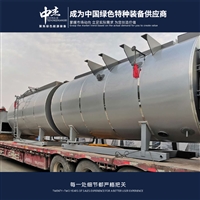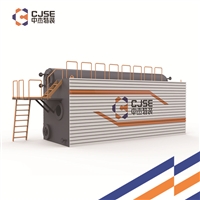


National standard natural gas boiler models complete, environmentally friendly boiler supplier
Category:
mechanical equipment/Industrial boilers and accessories/Gas boiler
Model:
WNS4-1.25-Q
Brand:
Zhongjie Special Equipment
Retail Price
268,000.00USD
重量
kg
- Product Description
-
Description :
Boiler water circulation
The boiler body is a closed circuit composed of pressurized components such as the drum, downcomer, water-cooled wall tube, header, and convection tube bundle. The water or steam water mixture in the boiler flows continuously along a certain path in this circuit, and the flowing path forms a cyclic loop, which is called a circulation loop. The flow of water in the circulation loop of a boiler is called boiler water circulation.
The water circulation of boilers is divided into two categories: natural circulation and forced circulation. The water circulation of general steam boilers is natural circulation. The water circulation of hot water boilers is mostly forced circulation. Forced circulation relies on the driving force of the water pump to force the circulation of boiler water. Natural circulation utilizes the pressure difference caused by the low density and light weight of the steam water mixture in the riser and the high density and heavy weight of the water in the downcomer, resulting in an imbalance between the two water columns and causing the boiler's water flow to circulate. The larger the density difference between the two, the greater the pressure difference and the greater the driving force for water circulation.
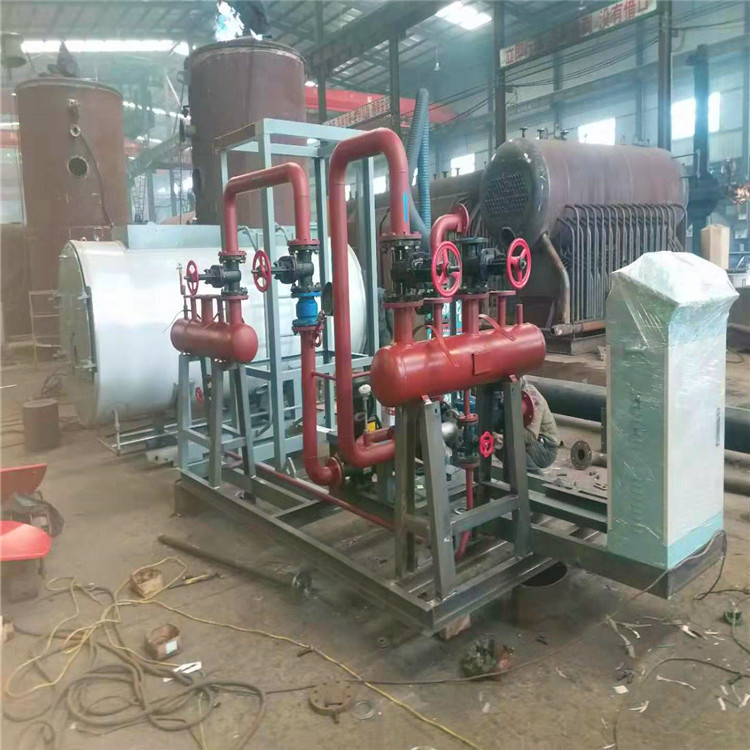
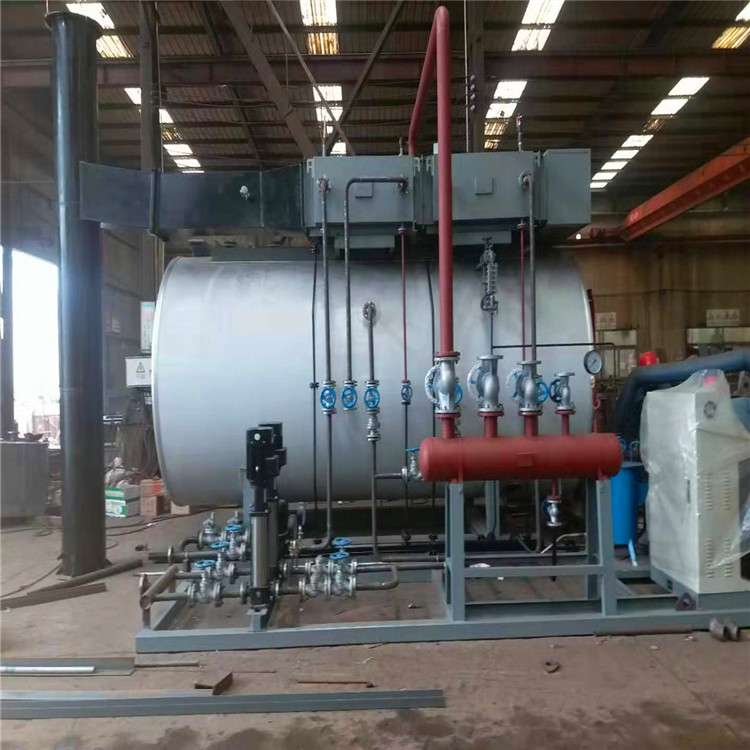
safety valve
1. Function and principle of safety valve
A safety valve is an automatic pressure relief alarm device.
(1) The main function is to automatically open the exhaust and release pressure when the pressure of the steam boiler exceeds the allowable value, and to issue an audible alarm to warn the boiler operator, so as to take necessary measures to reduce the boiler pressure. When the boiler pressure drops to the allowable value, the safety valve can automatically close, allowing the boiler to operate safely within the allowable pressure range and preventing boiler overpressure from causing explosions. Therefore, safety valves are one of the essential safety accessories on boilers, and boiler operators often compare safety valves to "ears".
(2) The working principle is that the channel inside the safety valve seat is connected to the boiler steam space, and the valve core is tightly pressed against the valve seat by the pressure generated by the pressurization device. When the pressure exerted by the pressurization device on the valve core is greater than the supporting force of steam on the valve core, the valve core tightly adheres to the valve seat, causing the safety valve to be in a closed state; If the steam pressure inside the boiler increases, the supporting force of the steam on the valve core also increases. When the supporting force is greater than the pressure of the pressurization device on the valve core, the valve core is lifted and leaves the valve seat, causing the safety valve to be in the open state, thereby discharging the steam inside the boiler and achieving the purpose of pressure relief. When the steam pressure inside the boiler decreases, the supporting force of the steam on the valve core also decreases. When the steam pressure inside the boiler returns to normal, that is, when the steam supporting force is less than the pressure of the pressurization device on the valve core, the safety valve closes automatically.
2. Types and structures of safety valves
The safety valves commonly used in industrial boilers can be divided into three types based on the pressurization device on the valve core: static weight type, spring type, and lever type; According to the lifting height of the valve core during opening, it can be divided into two types: micro opening and full opening.
Spring type safety valves are mainly composed of valve body, valve seat, valve core, valve stem, spring, adjusting screw, and handle. This safety valve uses the force of a spring to press the valve core onto the valve seat, and the pressure of the spring is adjusted by tightening or loosening the adjusting screw. When the pressure of steam acting on the valve core is greater than the pressure of the spring acting on the valve core, the spring will be compressed, causing the valve core to be lifted away from the valve seat, and steam will be discharged outward, that is, the safety valve will open; When the supporting force acting on the valve core is less than the pressure acting on the valve core by the spring, the spring will elongate, causing the valve core to press down and re tightly combine with the valve seat, and the steam will stop discharging, that is, the safety valve will close. The handle can be used for manual steam exhaust. When the handle is lifted, the adjusting screw is used to drive the valve stem to compress the spring, lifting the valve core to achieve the purpose of steam exhaust. In this way, the handle can be used to check the sensitivity of the valve core and can also be used for manual emergency pressure relief. The spring type safety valve has a tight structure, easy adjustment, high sensitivity, and a wide range of applicable pressures, making it a commonly used safety valve.

AfterSalesService :
Key words:- National standard natural gas boiler
More Products