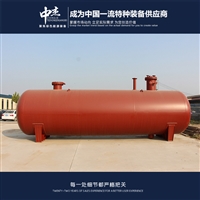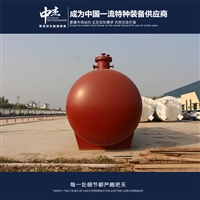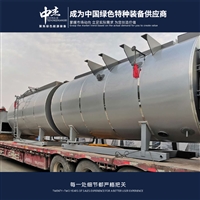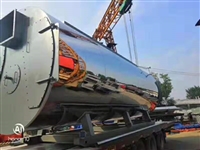


Oil and gas boilers are supplied by trustworthy manufacturers and manufactured by Zhongjie
Category:
mechanical equipment/Industrial boilers and accessories/Gas boiler
Model:
WNS6-1.25
Brand:
Zhongjie Special Equipment
Retail Price
345,000.00USD
重量
kg
- Product Description
-
Description :
Safety Operation Regulations for Gas Boilers
1、 Inspection work before boiler ignition
1. Internal inspection of boiler: Conduct a detailed inspection of the pressure parts such as the drum, furnace liner, fire tube, tube plate, head, and tension support to ensure that they are normal, free from severe corrosion, deformation, and cracks. Check for scale and impurities inside the boiler, and ensure that there are no tools or debris left inside the boiler. Especially inside the drum, after confirming that it is clean, the equipment inside the boiler is qualified, and no one is in the furnace, seal the manhole and handhole.
2. External inspection: In addition to checking for damage to the exterior of the boiler body, it is also necessary to inspect whether the heating surface and insulation layer inside the furnace are intact and undamaged. Check whether there is residual fuel oil or oil scale in the furnace.
3. Burner inspection: Check whether the installation position of the burner is reasonable, whether it is easy to maintain, whether the steam supply pipeline is unobstructed and tight, whether the pressure gauge is correct, whether the fan motor direction is correct, and whether the air door switch is flexible. Whether the load adjustment device is correct, and whether the ignition electrode, ignition position, low fire position, and high fire position are pre-set.
4. Inspection of boiler auxiliary equipment: There is no leakage, noise, or abnormal temperature rise during the trial operation of the feedwater pump. The oil level in the bearing box is kept normal and the cooling water is unobstructed; Test run the water treatment equipment and deaerator to check whether the boiler feedwater meets the requirements of GB1576-2008 "Water Quality Standards for Low Pressure Boilers". Boiler feedwater should be strictly controlled to have a hardness of ≤ 0.03mmol/L, dissolved oxygen of ≤ 0.1mg/L, pH value of ≥ 7, oil content of ≤ 2mg/L, iron content of ≤ 0.3mg/L, and suspended solids of ≤ 5mg/L.
5. Boiler testing and control instrument inspection: Check whether the thermal instruments and electrical equipment are in good condition, whether their validity period and lead seals are qualified; Check the position of the pressure gauge pointer, close the pressure gauge plug, and when there is no pressure, the pointer of the pressure gauge with limited stop pins should be at the limit pin. For pressure gauges with unlimited stop pins, the distance between the pointer and the zero position should not exceed the allowable error specified by the pressure gauge; Check if the indication on the thermometer is reasonable; Check if the water level gauge displays accurately. The water level gauge should have clear indications for safe and normal water levels; Check if the safety valve has been adjusted to the specified starting pressure and if the relief pipe is blocked; Check that the circuits of the water level controller, pressure controller, electric actuator, water level alarm, thermal resistor, etc. are unobstructed and operate sensitively and accurately.
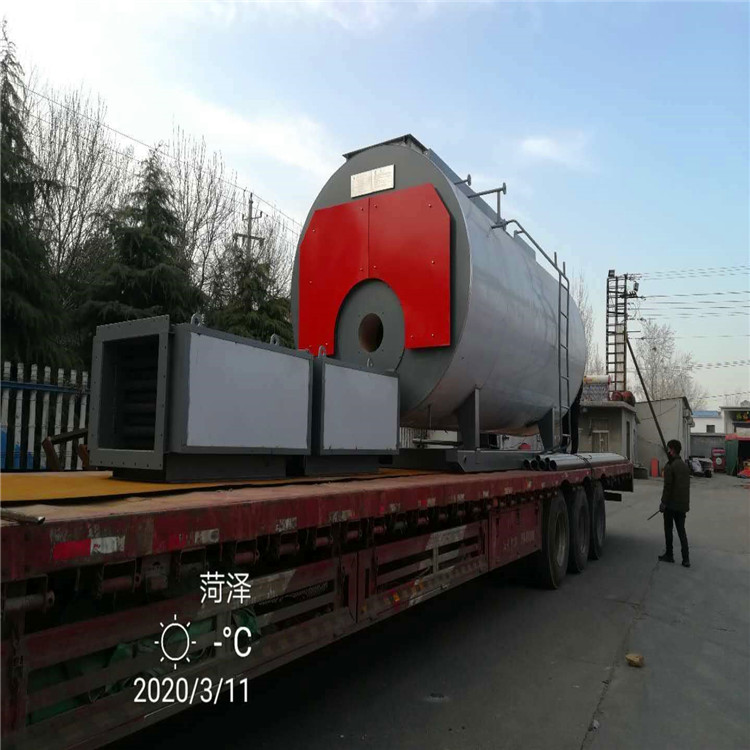
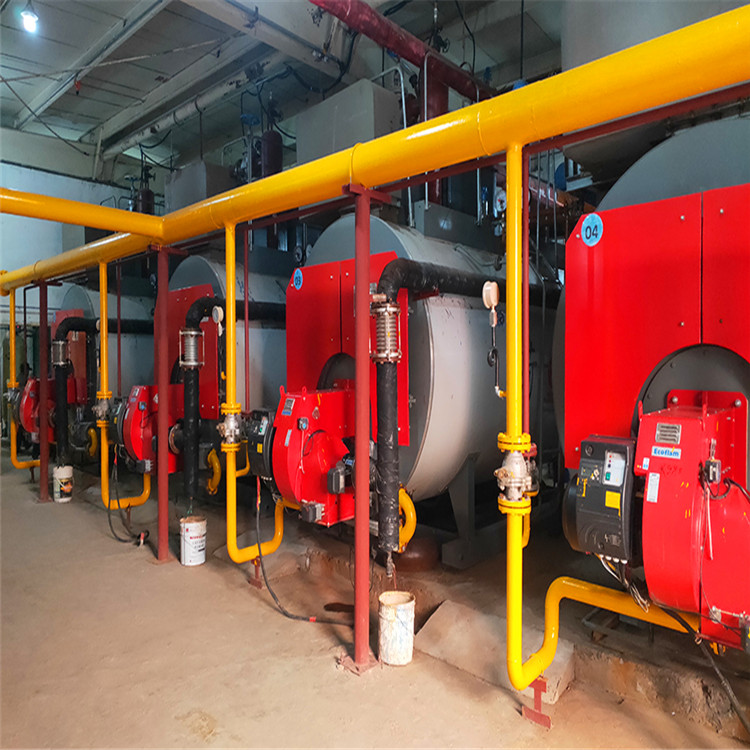
Six major system checks
(1) Wind and smoke system inspection: Check from the inlet to the outlet to see if the burner inlet is unobstructed, if the flue gate switch is flexible, and if there are any debris in the flue; Simultaneously rotate the fan and adjust its direction of rotation; The boiler room should also have sufficient ventilation holes, which should be unobstructed.
(2) Check the water vapor system: Fill the softening tank with softened water, make sure to exhaust the air before using the water pump, adjust the rotation direction of the water pump, and gradually open the valve from the water pump to the boiler. After the inspection work is completed, water can be fed into the boiler. Before entering the water, open the air valve at the top of the boiler to discharge the air inside the boiler. The water inlet speed should not be too fast. When entering the water, check for leaks in the manhole, handhole, flange connection, and valve. If there is a leak, stop entering the water, replace the packing or repair it. When the boiler water level rises to the stop position of the water level gauge feed pump, the feed pump should be able to automatically stop running. When the water level drops to a low level and the water pump is started, the water pump can automatically replenish water. Repeat several times to ensure that the water pump can automatically replenish and stop water, then adjust the boiler water level to the centerline of the water level gauge. At this time, do not rush to ignite, but stop briefly, observe the water level in the boiler, and maintain it unchanged. If the water level gradually decreases, identify the cause and try to eliminate it. If the water level in the pot continues to rise after closing the water supply valve, it indicates that the water supply valve is leaking and should be repaired or replaced. After stopping the water supply, try opening the drain valve to release water and check for any blockages.
Before trial operation, all valves should be in the designated switch positions, and adjustments should be made according to the specified positions during inspection.
Boiler steam system: main steam valve closed, drum air valve open, steam drum pressure gauge valve open, pressure gauge drain valve closed, boiler water sampling valve closed.
AfterSalesService :
Key words:- gas boiler
More Products