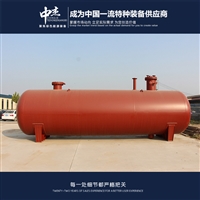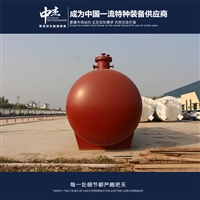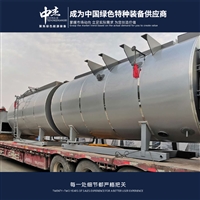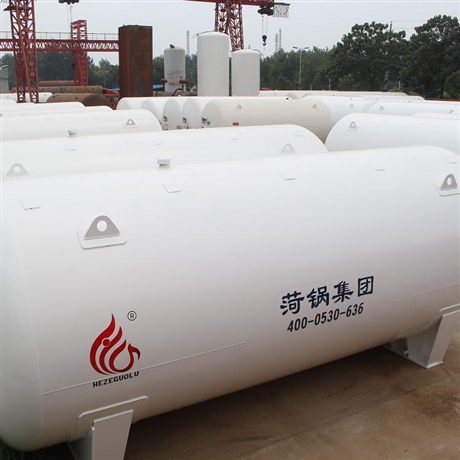



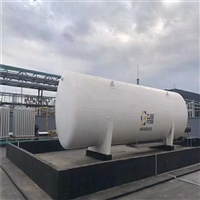
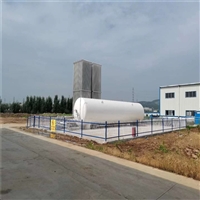
Low temperature LNG storage tank prices for natural gas tank manufacturers in Xinjiang
Category:
mechanical equipment/Storage and transportation equipment/storage tank
Model:
CFW60-0.8
Brand:
Zhongjie Special Equipment
Retail Price
290,000.00USD
重量
kg
- Product Description
-
Description :
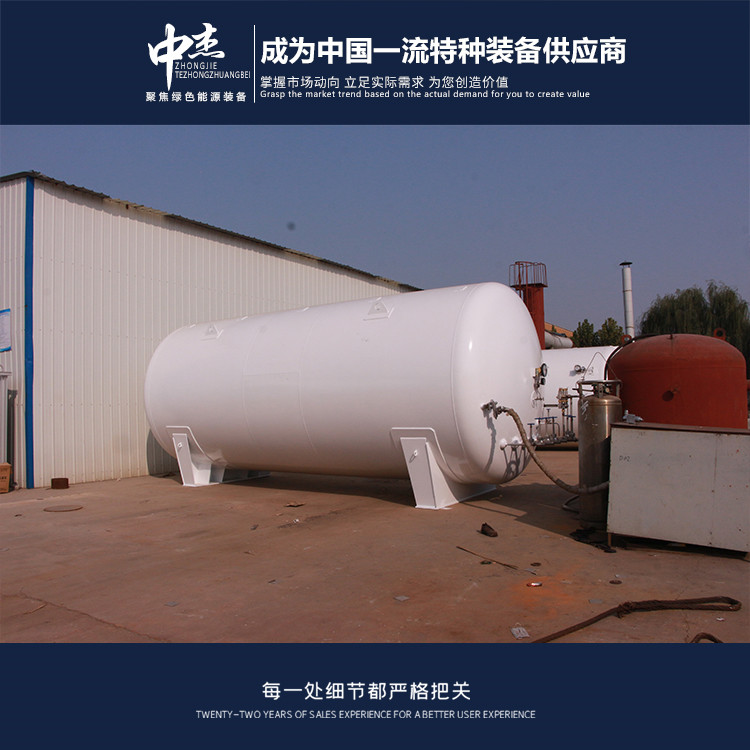
The main function of a low-temperature storage tank is to fill and store low-temperature liquids. The safety requirements for the use of low-temperature storage tanks should comprehensively consider the gas hazard characteristics, low-temperature protection effects, surrounding environmental conditions, pressure vessel characteristics, etc. Corresponding technical management measures should be taken to ensure safe operation. Low temperature storage tank operators should have a detailed understanding of the structural characteristics of the equipment and its piping and valve systems, be familiar with the hazardous properties of low-temperature liquids, strictly control the surrounding environmental conditions, and follow the safe operating procedures for low-temperature storage tanks. Operators must undergo training and pass the assessment by the quality and technical supervision department at or above the municipal level, hold a pressure vessel operation qualification certificate, and can only work on the job. Before starting the homework, the workers should take labor safety protection measures according to regulations. The use of low-temperature storage tanks should strictly comply with the "Safety Rules for the Use of Low Temperature Liquid Storage and Transportation Equipment" (JB6898-1997), and strengthen daily safety management. When storing low-temperature liquids, the filling rate should not exceed 0.95, and excessive filling is strictly prohibited. Before the low-temperature liquid storage tank is put into use, it should be ensured that the container is in good sealing condition, all accessories (including valves, instruments, safety devices) are complete, effective, sensitive and reliable, the pipeline material is selected appropriately, the system is dry and free of oil stains inside. During the normal use of low-temperature storage tanks, a dedicated person should be responsible for conducting patrol inspections. The pressure inside the container should not exceed the high working pressure of the storage tank. If overpressure occurs, pressure relief measures should be taken. Check the status and leakage of each valve, and if any leakage is found, take timely measures to correct the abnormality. Regularly check the vacuum level inside the jacket of the low-temperature liquid storage tank. If the vacuum level deteriorates, additional vacuum pumping measures should be taken (the tank vacuum pumping should be carried out by the unit or the original manufacturing unit). Low temperature storage tanks are special equipment subject to mandatory national safety supervision and are classified as Class III pressure vessels. They should undergo regular inspections in accordance with relevant national technical specifications. The safety accessories of storage tanks should also be inspected regularly. Generally, pressure gauges, level gauges, safety valves, rupture disc devices, etc. should be calibrated or replaced at least once a year. If various faults are found in the low-temperature liquid storage tank equipment and accessories, the cause should be identified at any time, correct analysis and judgment should be made, and reasonable solutions should be taken to ensure its continuous normal operation and safe use. Low temperature storage tank is a jacketed vacuum powder insulated pressure vessel specifically designed for storing and supplying low-temperature liquefied gases (such as liquid nitrogen, liquid oxygen, liquid argon, liquid carbon dioxide, etc.), with specifications generally ranging from 3.5 cubic meters to 200 cubic meters. It has been widely used in industrial production and daily life. This article analyzes the hazardous characteristics of low-temperature liquids and, combined with various gas supply modes of low-temperature storage tanks, briefly describes their basic requirements and key points for safe use.
Analysis of Hazardous Characteristics of Low Temperature Liquids Low temperature liquids have hazardous characteristics such as low boiling point, large expansion, strong suffocation, and strong oxidation.
1.1 Boiling points of low-temperature liquids at 101.3KPa pressure: -196 ℃ for liquid nitrogen, -183 ℃ for liquid oxygen, and -186 ℃ for liquid argon. When in contact with the human body, it can cause serious damage to the skin and eyes. When a small amount of low-temperature liquid leaks or leaks inside the pipe valve, it will absorb heat from the surrounding environment, and the leakage point will quickly condense and frost, and in severe cases, it may freeze.
1.2 Low temperature liquids that receive high heat from the surrounding environment or absorb a large amount of energy through leakage will expand in volume due to rapid vaporization. At 0 ℃ and 101.3KPa pressure, the gas volume after gasification of 1L low-temperature liquid is 674L for nitrogen, 800L for oxygen, and 780L for argon. In a closed container or pipeline, the internal pressure increases due to the gasification of low-temperature liquid, which can easily cause overpressure explosion of the container or pipeline.
1.3 In the environment around low-temperature storage tanks, the leakage and gasification of low-temperature liquids can easily form gas rich areas. If the concentration of nitrogen, argon, and carbon dioxide is high, it can easily cause suffocation injury. In addition, when the oxygen concentration is high, oxygen enrichment damage can also occur. 1.4 Oxygen is a strong oxidizing agent with extremely strong oxidizing properties. Liquid oxygen is close to combustibles and can easily ignite when exposed to open flames; Contact with combustible materials can easily cause detonation due to vibration, impact, etc; Mixing with combustible materials poses a potential explosion hazard. Liquid oxygen can adhere to clothing and fabrics, but when exposed to an ignition source, it can easily cause flash fire and harm to human health.
The gas supply modes and basic requirements for low-temperature storage tanks vary depending on the usage scenario and user needs. The gas supply modes for low-temperature liquid storage tanks mainly include high-pressure gas cylinder filling, low-temperature insulated gas cylinder packaging, centralized gas supply through pipeline networks, and low-temperature liquid spray supply.
2.1 High pressure gas cylinder filling is carried out by low-temperature storage tanks as the gas supply source, which are used for high-pressure gas cylinder filling and are suitable for the needs of numerous scattered gas users. Generally, they must be standardized and implemented by production filling units. According to the current national administrative licensing requirements, filling units must hold a designated production (storage) approval for hazardous chemicals, a safety production license, and a gas cylinder filling license, known as the "one book and two certificates", in order to carry out high-pressure gas cylinder filling. At the liquid outlet of the low-temperature storage tank, a low-temperature liquid pump and a high-pressure gasifier are installed, and a high-pressure filling system is used to fill high-pressure gas into a dedicated gas cylinder. In the process of gas cylinder filling, it is necessary to set up a low-temperature and overpressure automatic shutdown protection system for the pipeline. When there is still low-temperature liquid at the outlet of the gasifier or when the pipeline pressure exceeds the high working pressure of the gas cylinder, the low-temperature liquid pump should automatically stop and the low-temperature storage tank should stop supplying gas to avoid direct filling of low-temperature liquid into the gas cylinder or overpressure during gas cylinder filling causing explosion.
2.2 Low temperature insulated gas cylinder packaging is carried out by the liquid outlet of the low-temperature liquid storage tank. With the help of the storage pressure in the tank, the low-temperature liquid is directly packaged into specialized small containers such as low-temperature insulated gas cylinders, which can be used by relatively independent and larger users. When packaging low-temperature insulated gas cylinders, if there is a vent valve on the cylinder, the vent valve should be opened for venting. When packaging, operators should pay attention to standing on the side during operation, and the liquid outlet or vent should not stay for a long time. During the packaging process, if the pipe valve freezes, it is recommended to thaw it with hot water at around 70 ℃, and electric baking or forced tapping should be avoided. In the packaging area, the air should be kept clear to avoid the accumulation of low-temperature liquids or gases. 2.3 The centralized gas supply of the pipeline network is provided by the liquid outlet of the low-temperature storage tank, connected to the low-temperature liquid low-pressure gasifier and terminal pipeline regulation system, and then connected to the gas use pipeline network, which can supply a large area or a large number of users in a centralized manner. After determining the gas usage pressure based on the gas demand of the pipeline network, the terminal pipeline regulation system adjusts the pressure setting working pressure and outputs the gas at an automatic constant pressure to meet the requirements of regional centralized gas use. The low-temperature liquid in the low-temperature liquid storage tank should always maintain a certain inventory to ensure that its contents are in a low-temperature state, and the gas supply system is in a low-pressure constant operating condition. 2.4 Low temperature liquid spraying supply: Low temperature storage tanks are used to directly supply low-temperature liquid (commonly liquid nitrogen) to external objects on site through low-temperature pipelines for spraying, which is used in low-temperature processing techniques such as low-temperature crushing and food freezing. Low temperature storage tanks, when connected to low-temperature liquid spraying systems, should minimize the distance between the two to reduce the length of low-temperature pipelines and minimize the loss of low-temperature cooling capacity. Pipelines transporting low-temperature liquids should have insulation protection measures and moisture-proof treatment structures. Generally, vacuum insulated pipelines or polyurethane foam materials with better insulation effects should be used to connect with white iron pipes.


AfterSalesService :
Key words:- Xinjiang natural gas storage tank
More Products