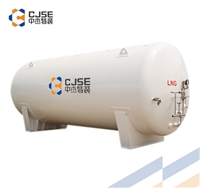
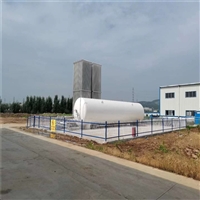
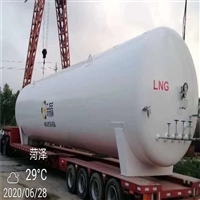
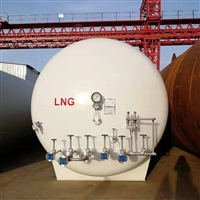
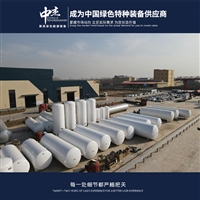
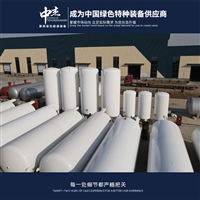
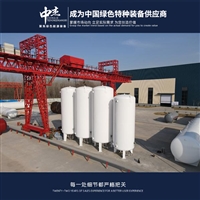
Safety specifications for low-temperature storage tanks and price of LNG storage tanks
Category:
mechanical equipment/Storage and transportation equipment/storage tank
Model:
CFW60-0.8
Brand:
Zhongjie Special Equipment
Retail Price
315,000.00USD
重量
kg
- Product Description
-
Description :
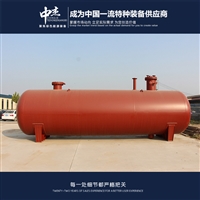
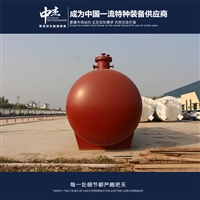
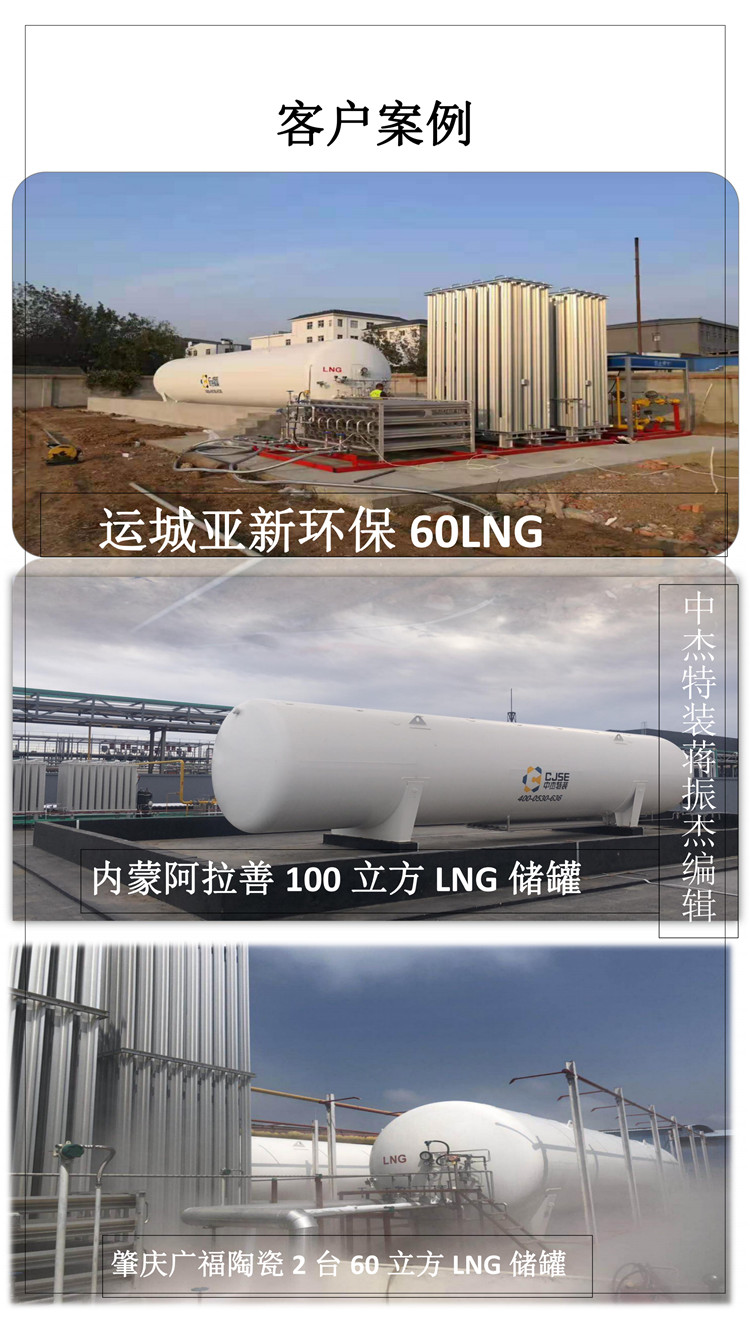
low-temperature storage tankIt is a pressure vessel used for storing various low-temperature liquids, so its safe operation rules should fully consider factors such as gas risk characteristics, low-temperature maintenance effects, surrounding environmental conditions, and pressure vessel characteristics. So, what are the detailed usage rules for low-temperature storage tanks?
1. Types of facilities and fire separation intervals
The production type of low-temperature storage tanks is Class B, with a fire resistance rating of Level 2. The fire separation between low-temperature storage tanks should not be less than half the diameter of the larger tank between adjacent tanks. There is no limit to the fire separation between oxygen storage tanks with a volume of less than or equal to 50m3 and their operating plants. The spacing between nitrogen and argon storage tanks should meet construction and repair requirements, and should not be less than 2 meters.
2. Lightning protection and anti-static measures
The area of the low-temperature storage tank should have lightning protection and anti-static grounding devices, and a qualified unit should be invited to regularly check the grounding resistance every year. The flange and threaded connections on equipment, pipelines, and valves on low-temperature storage tanks should be bridged with metal wires, and the bridging resistance should be less than 0.03 Ω.

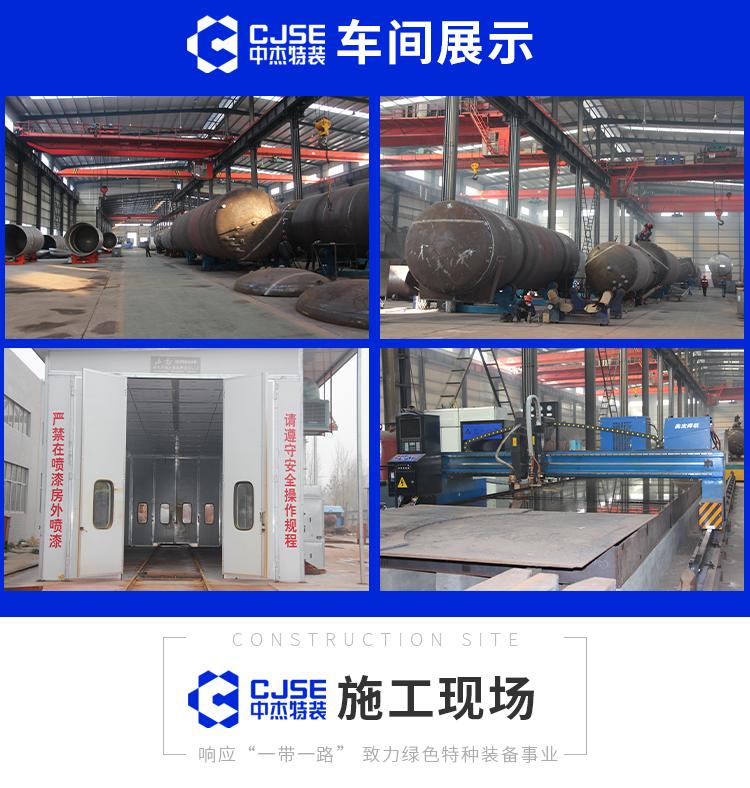
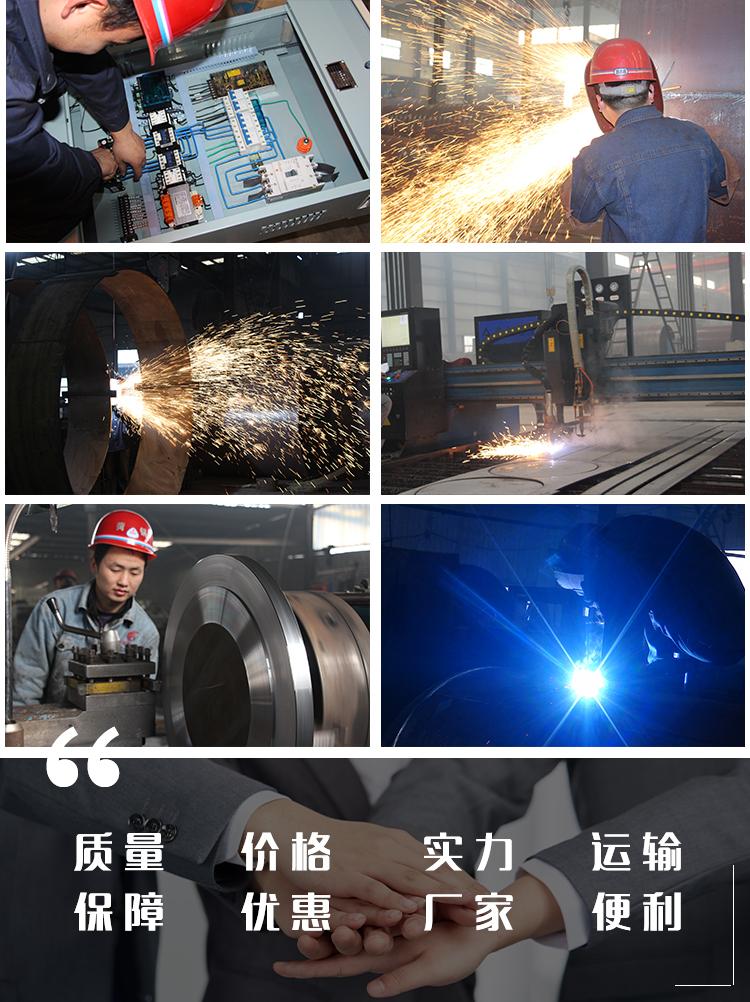
Establishing a strict system for the distribution, retrieval, and on-site handling of low-temperature steel materials is the main quality assurance method for the production of low-temperature pressure vessels. Especially at the production site, due to the simple mixing of low-temperature steel and general steel, if not handled strictly, it can leave a significant risk of accidents. Low temperature steel and welding rods should be handled by dedicated personnel in a dedicated warehouse. After technical disclosure, construction personnel and relevant handling personnel should be familiar with the labeling of low-temperature steel and welding rods to prevent mixing with other steel materials. The entry and exit of data should be recorded in a ledger, and any remaining data should be promptly identified and transferred. Low temperature steel requires high surface quality. During the storage and transportation of low-temperature steel, the surface should be maintained and marked with color codes. Cutting and cutting should be carried out under the supervision of the data processing personnel, and color code transplantation should be carried out in a timely manner. Steel stamping is not allowed for identification on low-temperature steel sheets. Steel plates and semi-finished products are classified and stacked on shelves according to batch numbers and standards. The materials for prefabrication, processing and forming are stored on mold supports. It is strictly prohibited to place low-temperature steel materials, especially welding materials, directly on the ground. The distance between the bracket and the ground or wall should not be less than 300mm. The electrode warehouse shall be set up in accordance with the relevant welding material handling rules, with a temperature not lower than 10 ℃ and a relative humidity not exceeding 60%, and records shall be kept. Dry the welding rod at a regular temperature for 2 hours before use, and then place it in a constant temperature drying box (100-150 ℃) after drying.
Among the pressure vessels currently used in petrochemical enterprises, low-temperature pressure vessels account for a certain proportion. Due to their lower working temperature, the brittleness of the vessel data increases accordingly. Under the effect of tensile stress, its compressed components suddenly undergo brittle cracking when the stress level is lower than the yield strength of the data or lower than the allowable stress. Before and after this cracking occurs, there is no or only a small amount of plastic deformation, without overall yielding, which is difficult to detect in normal production and poses a greater threat to the safety of petrochemical production. Therefore, regarding low-temperature pressure vessels, it is necessary to have different degrees of progress in planning, material selection, production, and inspection requirements compared to non low-temperature pressure vessels. This article provides a brief discussion on the issues to be noted in the planning, material selection, production, and inspection of low-temperature pressure vessels.
AfterSalesService :
Key words:- Safety specifications for low-temperature storage tanks
More Products