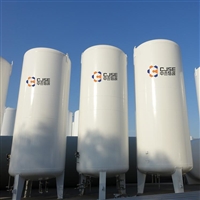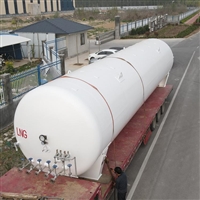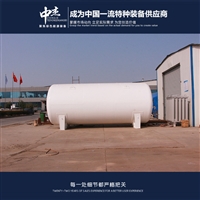
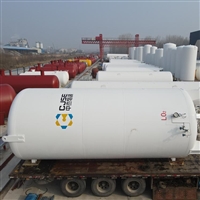
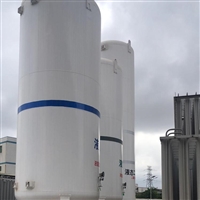
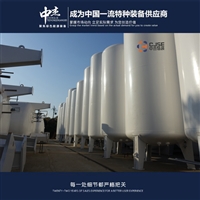
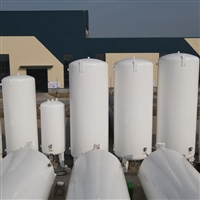
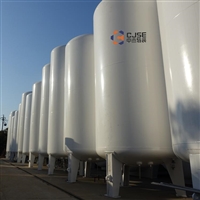
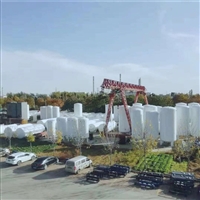
Jie Equipment, a manufacturer of liquid oxygen storage tanks, is included in the operating procedures for liquid oxygen storage tanks
Category:
mechanical equipment/Storage and transportation equipment/storage tank
Model:
CFL20-0.8
Brand:
Zhongjie Special Equipment
model:
CFL20-0.8
material:
stainless steel
classification:
Vertical flat bottomed plastic storage tank
capacity:
nineteen
storage location:
Ground storage tank
Product Usage:
Storage tank
Placement method:
Vertical storage tank
structural form:
vertical
Processing & Customization:
yes
Applicable materials:
Oxygen nitrogen argon liquid
volume:
nineteen
Overall dimensions:
2716×7377
self-weight:
nine thousand two hundred and fifty
Place of Origin:
Heze, Shandong
type:
Anti corrosion storage tank
manufacturer:
Shandong Zhongjie Equipment
Retail Price
286,000.00USD
重量
kg
- Product Description
-
model CFL20-0.8
material stainless steel
classification Vertical flat bottomed plastic storage tank
capacity nineteen
storage location Ground storage tank
Product Usage Storage tank
Placement method Vertical storage tank
structural form vertical
Processing & Customization yes
Applicable materials Oxygen nitrogen argon liquid
volume nineteen
Overall dimensions 2716×7377
self-weight nine thousand two hundred and fifty
Place of Origin Heze, Shandong
type Anti corrosion storage tank
manufacturer Shandong Zhongjie Equipment
Description :
Operating Procedures for Liquid Oxygen Storage Tanks
1. General Operating Procedures
1.1 Operators must undergo safety education and training, pass the assessment, and hold a safety operation certificate to work.
1.2 Operators should be familiar with the relevant provisions of the Safety Technical Supervision Regulations for Fixed Pressure Vessels and the extremely dangerous characteristics of low-temperature liquids.
1.3 Operators should be familiar with the equipment process flow, various valves, instruments, their functions, and operating procedures on the equipment: they must be able to independently take emergency safety measures in the event of faults and accidents.
1.4 Operators are not allowed to wear work clothes and personal protective equipment contaminated with grease when operating or handling liquid oxygen. Tianmao Gas reminds you that all contaminated clothes and protective equipment must be replaced, and chemical fiber clothing with electrostatic effects and spiked shoes are not allowed.
2. Filling operation procedures
2.1 When filling, connect the filling port to confirm that the connection port is tightly connected and there is no leakage. All valves are closed (except for pressure gauges)
2.2 Open the residual liquid valve to discharge impurities from the pipeline, then close the residual liquid valve. Open the liquid level gauge combination control valve and safety discharge port, and close all other valves.
2.3 Open the top filling valve and slowly fill the tank from the top to prevent excessive flow from causing uneven cooling and significant thermal stress on the tank. After the gas emission valve stabilizes the exhaust, this valve can be closed. After the liquid level gauge shows, open the bottom filling valve. At this point, the top filling valve can be closed, or liquid can be injected up and down simultaneously.
2.4 After filling, close the overflow valve and open the residual liquid vent valve. After the residual liquid is completely drained, disassemble the filling pipeline.
When the liquid pressure drops and needs to be pressurized, use a booster to increase the pressure inside the tank. The boosting pressure should be controlled according to the discharge requirements and should not exceed the working pressure of the storage tank. Adjust the pressure to 0.2-0.8Mpa.
2.6 Tank trucks must hold relevant documents and certificates issued by the supply department before entering the filling site for filling.
After the filling is completed, close the drain valve and the valve on the tanker, open the residual liquid drain valve, and drain the liquid in the pipeline. Only after confirming that there is no residual liquid in the infusion hose, can the hose be removed.

AfterSalesService :
Key words:- Operating Procedures for Liquid Oxygen Storage Tanks
More Products