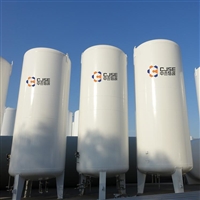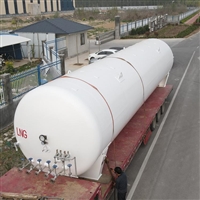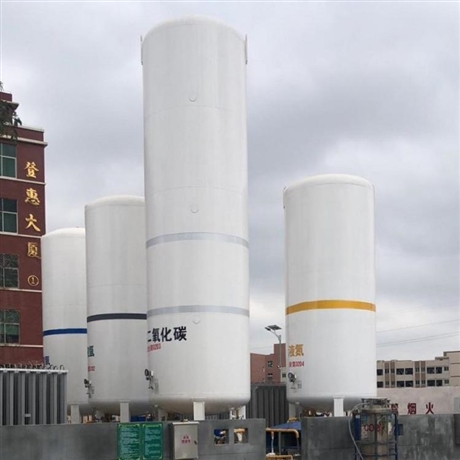

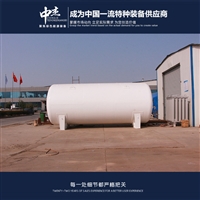

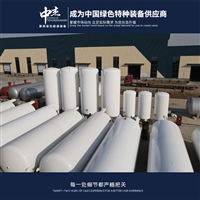
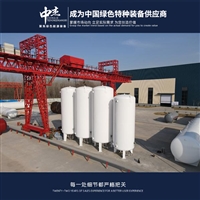
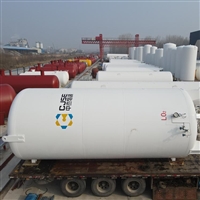
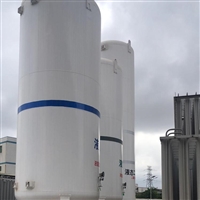
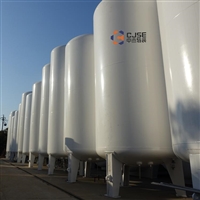
Tank pressurization operation procedure 30 cubic low-temperature storage tank performance price
Category:
mechanical equipment/Storage and transportation equipment/storage tank
Model:
CFL30-0.8
Brand:
Zhongjie Special Equipment
model:
CFL30-0.8
material:
stainless steel
classification:
Vertical flat bottomed plastic storage tank
capacity:
twenty-eight point five
storage location:
Ground storage tank
Product Usage:
Storage tank
Placement method:
Vertical storage tank
structural form:
vertical
Processing & Customization:
yes
Applicable materials:
Oxygen nitrogen argon liquid
volume:
twenty-eight point five
Overall dimensions:
2920-8908
self-weight:
twelve thousand and five hundred
Place of Origin:
Heze, Shandong
type:
Anti corrosion storage tank
manufacturer:
Shandong Zhongjie Equipment
Retail Price
286,000.00USD
重量
kg
- Product Description
-
model CFL30-0.8
material stainless steel
classification Vertical flat bottomed plastic storage tank
capacity twenty-eight point five
storage location Ground storage tank
Product Usage Storage tank
Placement method Vertical storage tank
structural form vertical
Processing & Customization yes
Applicable materials Oxygen nitrogen argon liquid
volume twenty-eight point five
Overall dimensions 2920-8908
self-weight twelve thousand and five hundred
Place of Origin Heze, Shandong
type Anti corrosion storage tank
manufacturer Shandong Zhongjie Equipment
Description :
1. Check if the pressure gauge is in normal working condition.
2. Open the outlet valve of the vaporizer and slowly open the inlet valve. After a period of time, the pressure gauge should not be higher than the tank pressure. When stopping the discharge, the inlet valve of the vaporizer should be closed to prevent the pressure inside the tank from rising.
3. Once the pressure inside the tank reaches the required level, the liquid can be discharged. Slowly open the drain valve, and the liquid flows through the vaporizer and is converted into a gaseous state by external hot air, which is then supplied directly through the pressure regulating device. If the discharge flow rate is low, then follow the above steps to pressurize the reservoir.
4. When the pressure in the storage tank is too high and the safety valve trips too frequently, the vent valve should be manually opened for pressure reduction.
5. Inspect safety valves and pressure gauges in accordance with the requirements of the Safety Technical Supervision Regulations for Fixed Pressure Vessels.
6. Regularly check the evaporation rate of the storage tank. If the evaporation rate exceeds three times that of the factory, a comprehensive inspection is required to determine the cause of the malfunction. (Contact the manufacturer for this operation)

Emergency response to accidents
1. Serious leakage accident
Serious accident leakage refers to the occurrence of a large amount of equipment leakage, which poses a risk of explosion or fire at any time but has not yet caught fire.
1.1 Eliminate nearby sources of fire
1.1.1. Extinguish open flames
1.1.2. Prohibit the use of explosive electrical appliances
1.1.3 Avoid metal impact to prevent sparks
1.1.4. Urgently set up a warning area and the area should be arranged in the downwind direction. It is strictly prohibited to bring fire sources into the area.
1.2. Eliminate leakage
1.2.1. If closing the valve is ineffective, move the tank truck as soon as possible to prevent losses
1.2.2. Use emergency methods to seal the leak, such as using special clamps to block the leak, or using magnets to quickly seal the leak and reinforce the outside.
After a serious leakage accident occurs, the emergency plan for the accident should be immediately activated, the public security fire department should be notified, and relevant personnel in the alert area should be evacuated immediately (the tank truck should be driven to an unmanned area to prevent it).
2. Handling of explosion accidents
2.1. In the event of a fire, immediately extinguish it with a fire extinguisher.
2.2 If the fire is too large to be extinguished in a short period of time:
2.2.1. Control the ignition range.
2.2.2. Identify the location of the leak and take measures to seal it.
2.2.3. Spray cooling on adjacent storage tanks to prevent receptor heating.
3. Immediate activation of emergency response plan in case of fire
There is a safety officer to provide unified command and prevent chaos.
Security technology protection measures
1. Fire and explosion prevention measures
1.1 Prevent the formation of flammable and explosive systems, strengthen sealing, and prevent liquid oxygen leakage. Ventilate and exhaust, prevent oxygen accumulation, and clear the surrounding flammable materials.
1.2 To prevent liquid oxygen vaporization and explosion, safety accessories (pressure gauges, safety valves, etc.) should be regularly calibrated to ensure that the process system is in good condition and operates without faults. Once overpressure occurs, the safety accessories should be promptly depressurized.
1.3 The elimination and control of ignition sources should be equipped with static grounding and lightning protection grounding systems for pipeline storage tanks, and obvious safety signs such as "No Smoking" should be hung in the place of use.
1.4 Effective monitoring, timely handling, real-time monitoring, early detection, early elimination, and early control of leaks.
2. Prevention and control of personnel
2.1 The following protective measures should be taken during operation:
2.1.1 Hand and foot protection: Wear asbestos gloves that are loose and suitable, and can be removed in a timely manner once liquid oxygen enters. Wear leather high boots, with the legs of the pants covering the outside and exceeding the top of the boots.
2.1.2 Head and face protection: The protection is to wear protective goggles and a face mask helmet. If working in an open space, a leather apron should be worn.
AfterSalesService :
Key words:- Tank pressurization operation procedure
More Products