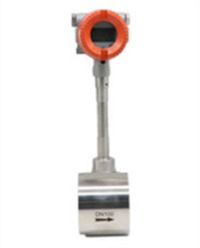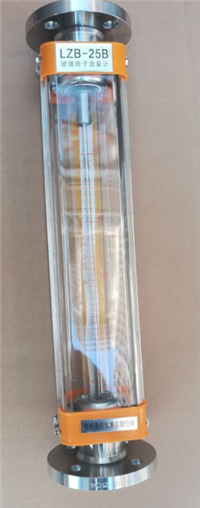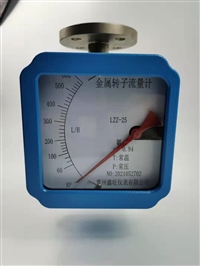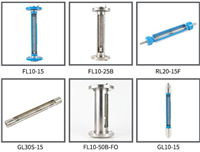
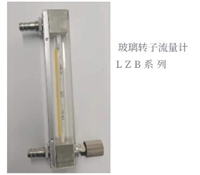
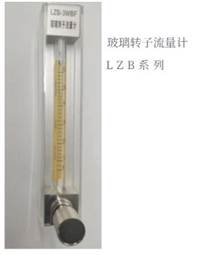
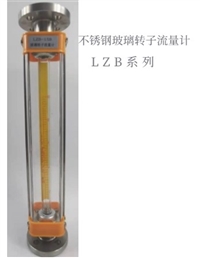

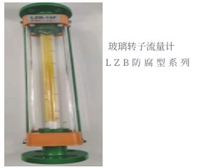

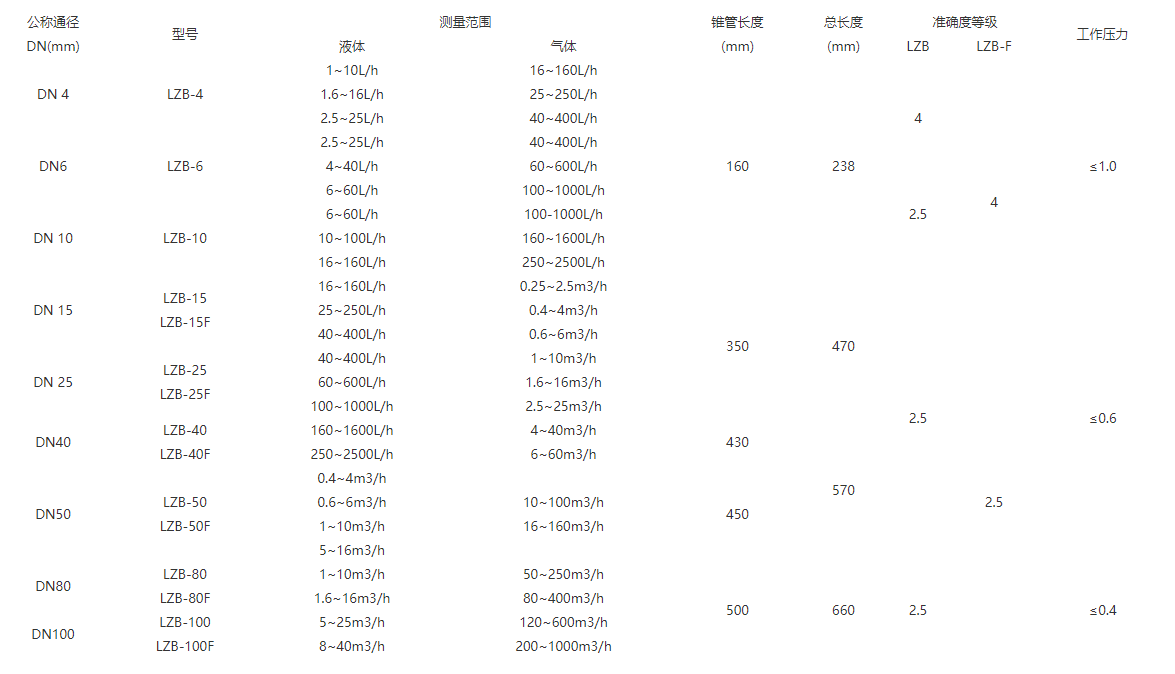
Specification of methanol glass tube float flowmeter
Category:
Instrumentation/Flow meter/flowmeter
Model:
LZB-4
Brand:
Xinwang Instrument
model:
LZB-4
principle:
Fluid oscillating flowmeter
purpose:
Corrosion resistant flowmeter
Nominal Diameter:
four
work pressure:
one
Applicable Medium:
liquid
Operating Temperature:
one hundred and twenty
measurement range:
one
accuracy class:
two point five
Installation type:
hose connection
flow range:
10-100
Processing & Customization:
yes
Place of Origin:
Changzhou
manufacturer:
Xinwang Instrument
Retail Price
180.00USD
重量
kg
- Product Description
-
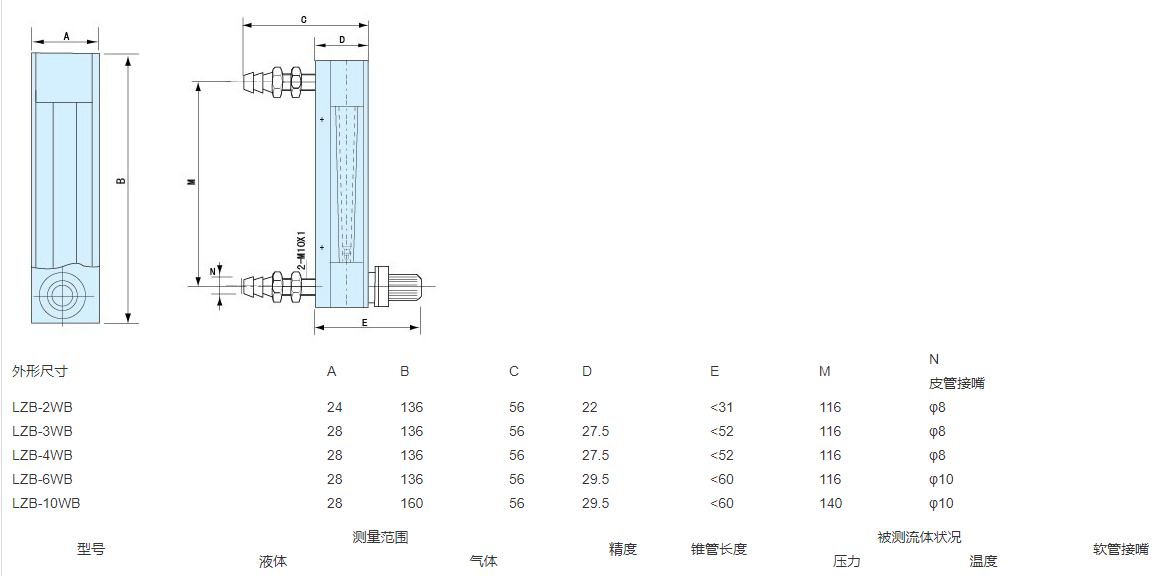
model LZB-4
principle Fluid oscillating flowmeter
purpose Corrosion resistant flowmeter
Nominal Diameter four
work pressure one
Applicable Medium liquid
Operating Temperature one hundred and twenty
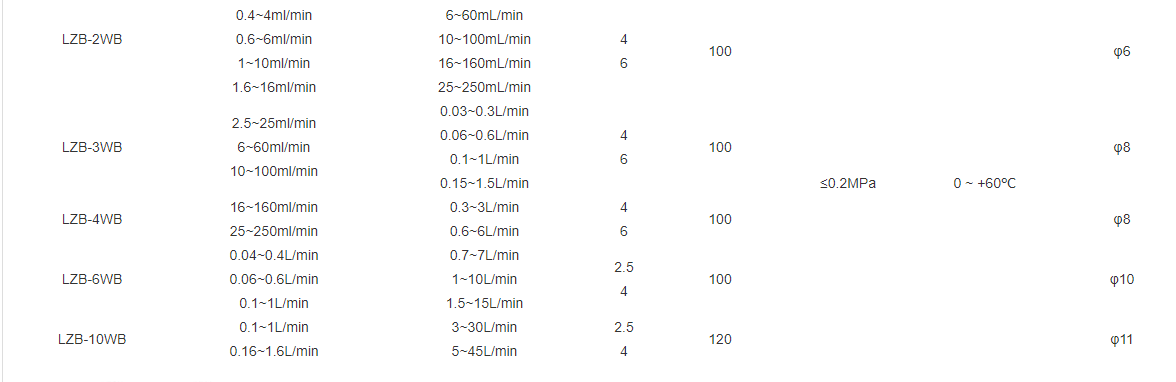
measurement range one
accuracy class two point five
Installation type hose connection
flow range 10-100
Processing & Customization yes
Place of Origin Changzhou
manufacturer Xinwang Instrument
Description :
Specification and Application of Methanol Glass Tube Float Flow Meter
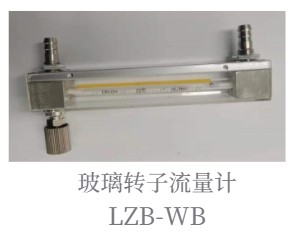
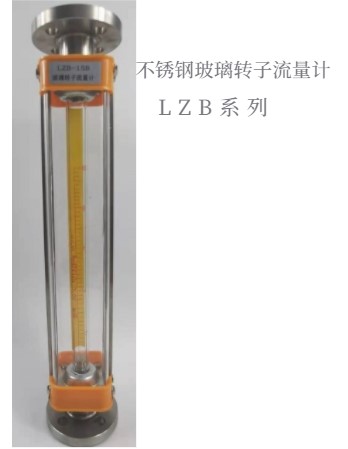
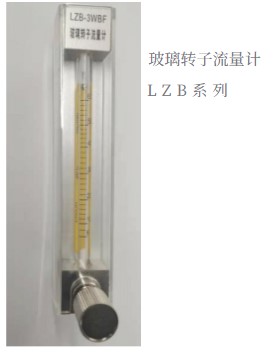
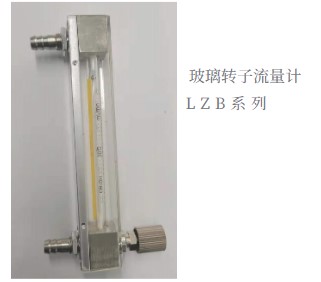
Glass rotor flow meters are mainly used in various departments such as chemical, petroleum, light industry, medicine, fertilizer, synthetic fiber, food, dye, environmental protection, and scientific research to measure the flow rate of single-phase non pulsating (liquid or gas) fluids. The corrosion-resistant glass rotor flowmeter is mainly used for detecting the flow rate of corrosive liquids and gas media, such as strong acids and bases, oxidants, strong oxidizing acids, organic solvents, and other corrosive gas or liquid media. The main measuring components of a glass rotor flowmeter are a vertically installed lower small and upper large conical glass tube and a float that can move up and down inside.
When the fluid passes through the conical glass tube from bottom to top, a pressure difference is generated between the upper and lower parts of the float, and the float rises under this pressure difference. When the upward force, buoyancy, and viscous lift acting on the float are equal to its gravity, the float is in an equilibrium position. Therefore, there is a certain proportional relationship between the fluid flow rate flowing through the glass rotor flowmeter and the rising height of the float, that is, the flow area of the glass rotor flowmeter. The position height of the float can be used as a measure of flow rate.
select
1. Object of measurement. Measure the type of medium, pressure level, and chemical properties. For corrosive media such as liquid and gas media, corrosion-resistant flow meters should be selected.
2. The performance of the flowmeter itself. After the above conditions are determined, generally speaking, if there is no significant change in price, priority can be given to using a needle valve placed on the upper part of the flowmeter; For those with larger flow holes, it is a direct flow scale; Simple in structure; Smaller external dimensions, etc. If it is in a small flow range, the ball float type can be used because it is stable, less prone to dust accumulation, has high accuracy, and has good interchangeability during measurement.
3. Choose according to the price. Generally speaking, high precision comes at a higher price. The accuracy level of the instrument should be selected according to the measurement purpose. If only the measurement medium throughput needs to be controlled, adjusted through trial operation, and the throughput needs to be consistently stable in the future, then accuracy is secondary.
When the fluid flows through the conical tube from bottom to top, the lift S generated by the kinetic energy of the fluid on the float and the buoyancy A of the fluid cause the float to rise. When the sum of the lift S and buoyancy A is equal to the weight G of the float itself, the float is in equilibrium and stable at a certain height position. The scale on the conical tube indicates the flow rate value of the fluid.

AfterSalesService :
Key words:- Glass tube float flowmeter