


Why is fiberglass reinforced plastic used for buried integrated prefabricated pump stations
Category:
Environmental Protection/Sewage treatment equipment/Integrated sewage treatment equipment
Model:
SYPS-3000-6000
Brand:
other
Retail Price
38,000.00USD
重量
kg
- Product Description
-
Description :
Why is fiberglass reinforced plastic used for buried integrated prefabricated pump stations
When it comes to sewage discharge pump stations now, they are definitely the most widely used fiberglass buried integrated prefabricated pump stations. But with so many materials, why choose fiberglass as the main material for the cylinder of this sewage pump station? Is there any special feature?
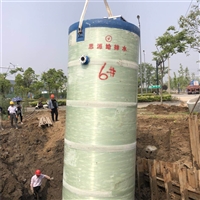
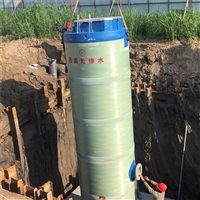
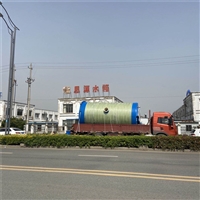
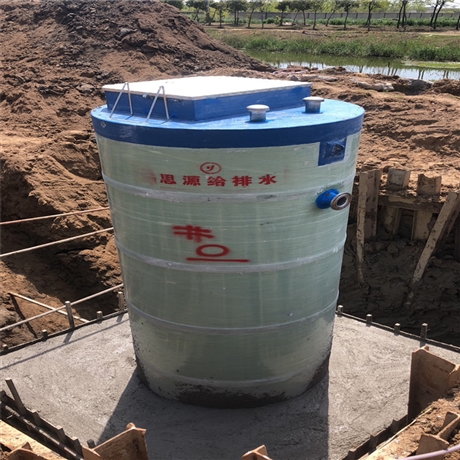
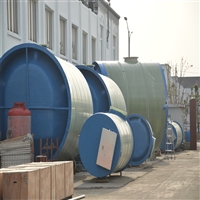
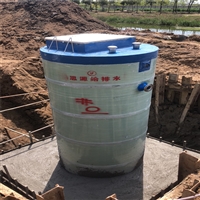
We can first take a look at itUnderground integrated prefabricated pump stationThe main structure consists of a fiberglass cylinder, maintenance port, lifting system, exhaust system, ladder, basket filtration system, valve device, maintenance platform, liquid level detection device, pipeline system, sewage pump, etc. Such highly integrated accessory standards are carefully designed and manufactured in the factory through scientific research and development, including pressure pipelines, maintenance platforms, inlet and outlet pipes, etc. Strict debugging is carried out before leaving the factory to ensure the reliability of the pump station.

Now, let's analyze why fiberglass is used for buried integrated prefabricated pump stations, with a focus on understanding the various performance properties of fiberglass, so that everyone can understand the reasons.
1. Physical properties of fiberglass: Fiberglass products have low density, good electrical insulation, thermal insulation, water absorption and thermal expansion resistance, etc. The density of fiberglass ranges from 1.5 to 2.0, only about 1/4 to 1/5 of that of ordinary carbon steel, which is about 1/3 lighter than light metal aluminum. However, its mechanical strength is very high, and in some aspects, it can approach the level of ordinary carbon steel.
2. Chemical properties of fiberglass: good stability, high temperature resistance, insect resistance, and mold resistance. Long term use does not change color or layer, and no chemical reaction with any substance has been found.
3. Mechanical properties of fiberglass reinforced plastic: One advantage of fiberglass reinforced plastic products is their high strength, which cannot be compared to metal materials and other materials. The lightweight performance of fiberglass comes from its lower resin density (casting density of around 1.27) and high tensile strength of fiberglass (5 times that of ordinary steel). The density of fiberglass varies with the resin content. From high resin content glass fiber felt products to low resin content glass fiber winding products (density 2.2), the density of fiberglass is only 1/4 to 1/5 of ordinary carbon steel, which is 1/3 lighter than aluminum.
4. Fiberglass waterproof performance: Good, no water ingress under normal use, product immersed in water for 24 hours without deformation, bending, or cracking.
5. Corrosion resistance of fiberglass: high strength: corrosion resistance in various industrial environments. The shell material is organic fiberglass, with a thickness of 5mm (adjustable according to user requirements). The intermediate insulation layer is made of aluminum silicate refractory fiber blanket, with a standard thickness of 6cm (can be adjusted according to customer requirements). Lined with stainless steel mesh, with a density of 1cm x 1cm (optional). All three materials have corrosion resistance, which can maintain the service life of the product for more than 15 years.
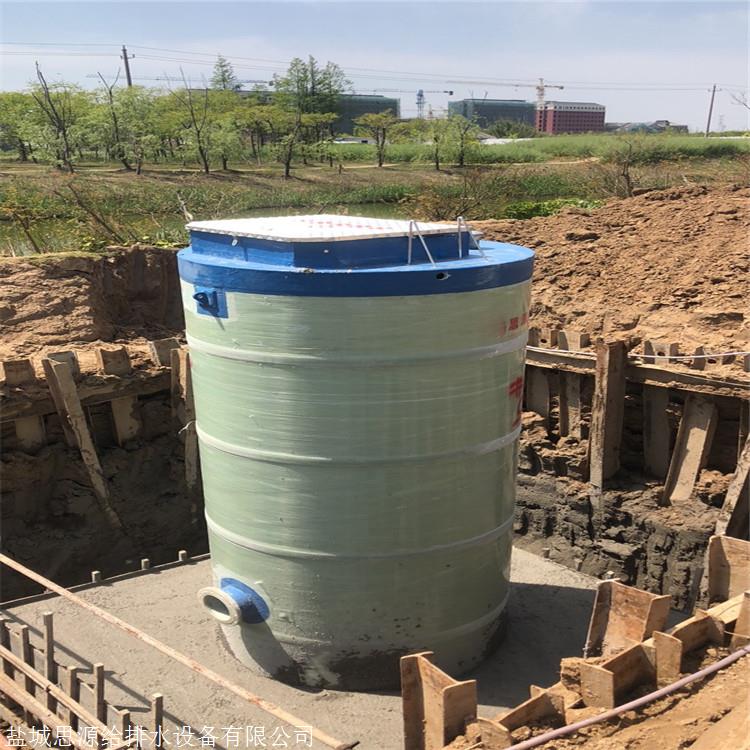
In addition, regardingUnderground integrated prefabricated pump stationDevice description:
Firstly, the safety requirements for pipeline maintenance and inspection should comply with the current industry standard "Technical Regulations for Safety of Drainage Pipeline Maintenance" CJJ6.
Secondly, during inspection and maintenance, the pump station shaft should be regularly cleared and dredged based on the inspection results of the pump station.
Furthermore, safety measures should be taken when entering the pump station shaft for maintenance. Anti toxic equipment must be verified and qualified before use.

AfterSalesService :
Key words:- Integrated prefabricated pump station
More Products