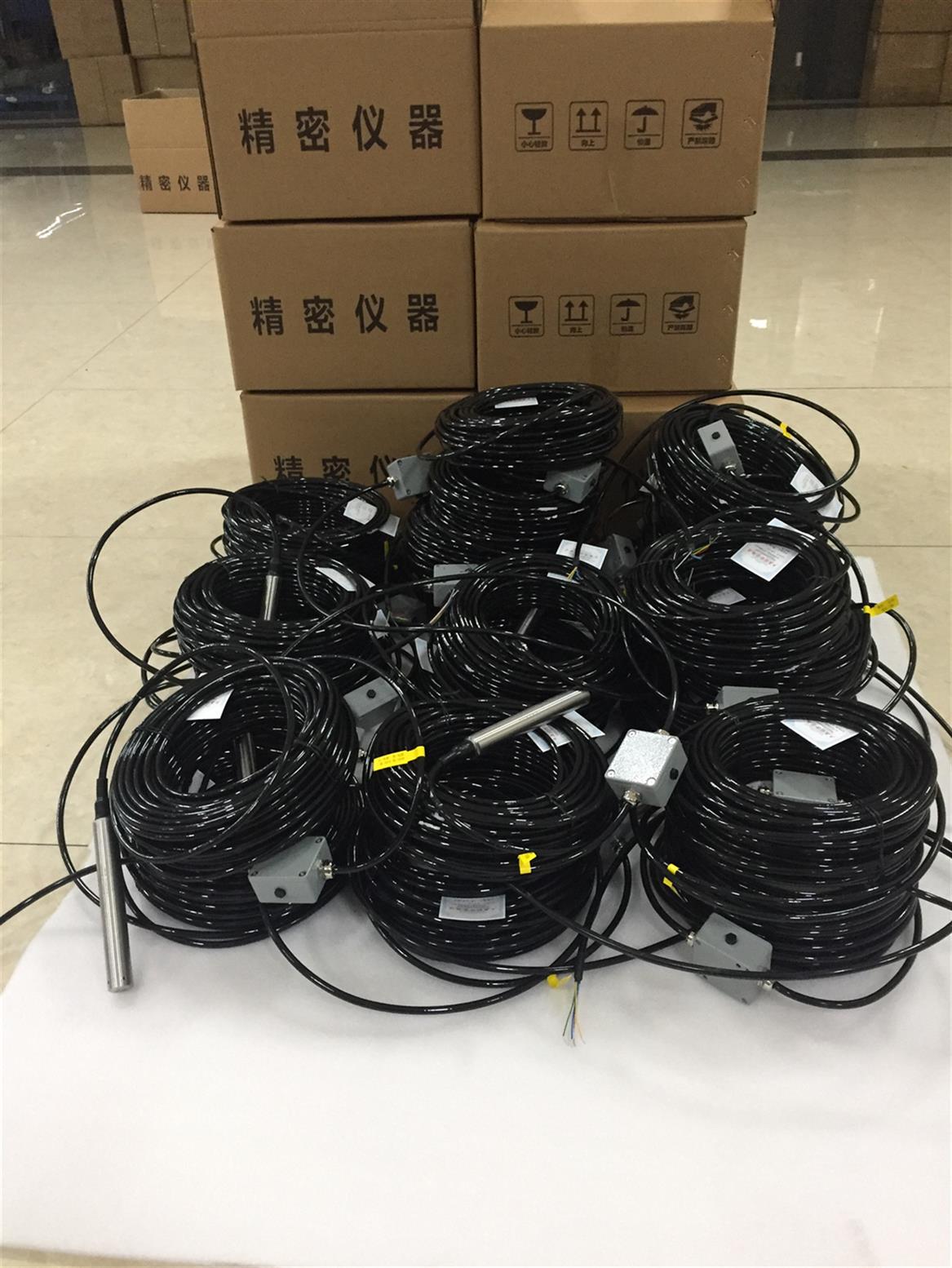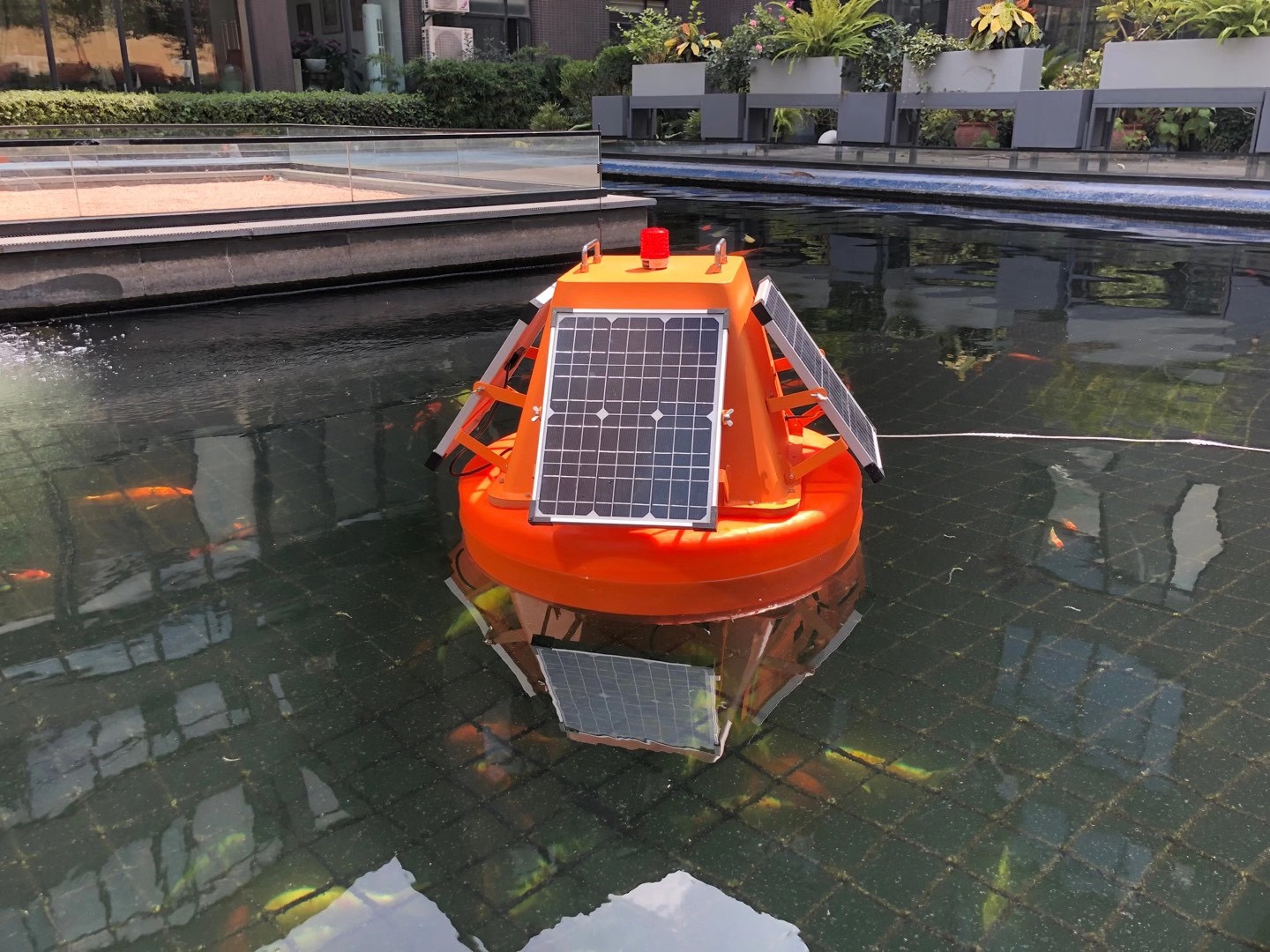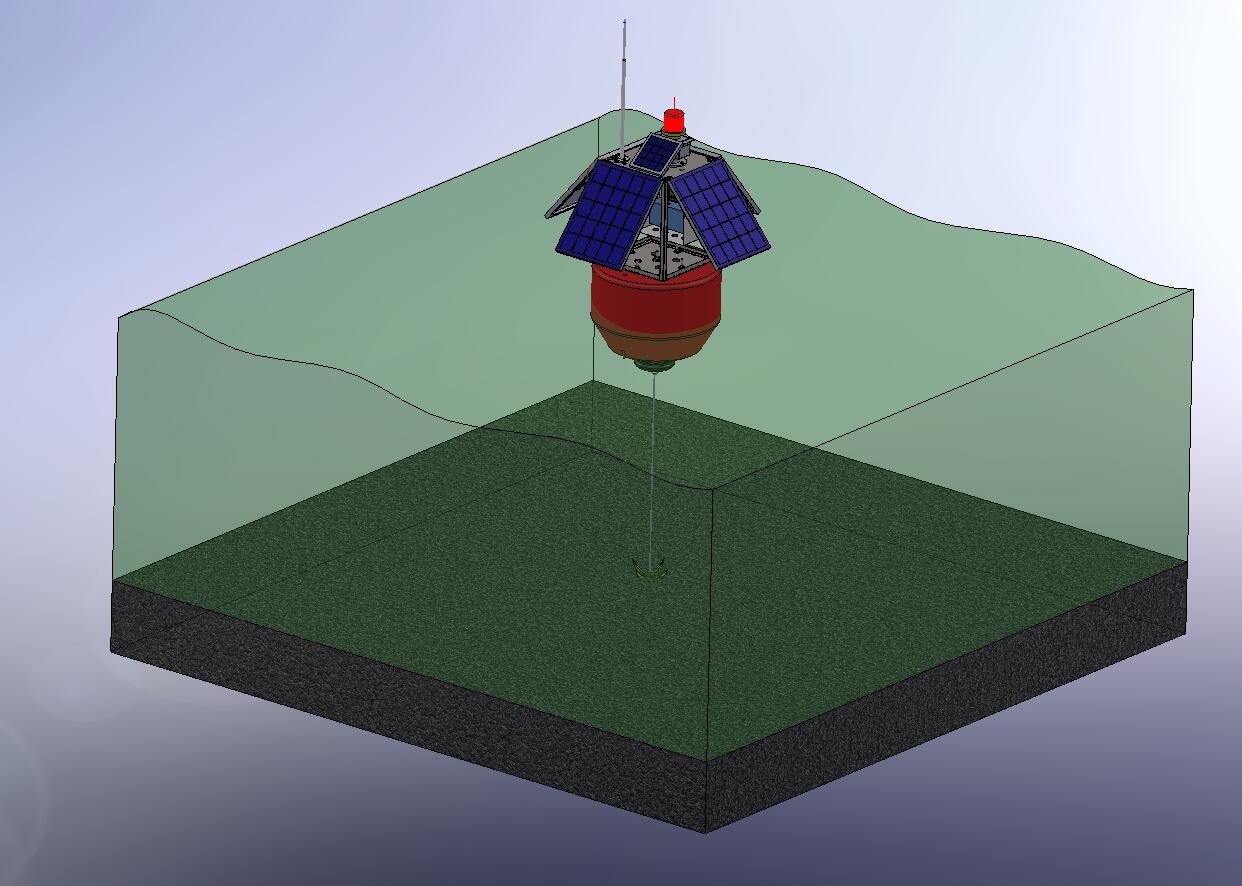

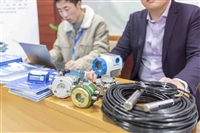


Differential pressure static level hydraulic static level
Category:
Instrumentation/transmitter /level transmitter
Model:
HR8066
Brand:
Hengrui
Retail Price
99.00USD
重量
kg
- Product Description
-
Description :
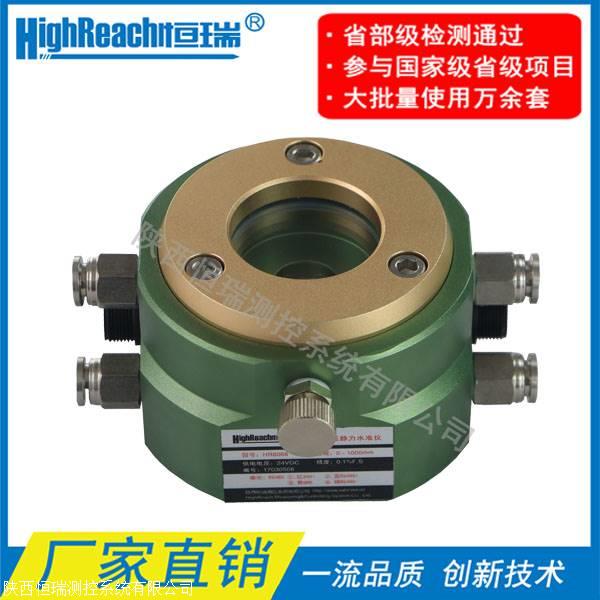
The HR8066/67 high-precision static level is suitable for monitoring vertical displacement or settlement deformation with high requirements, and can monitor liquid level changes up to 0.01mm. The instrument consists of a series of containers containing liquid level sensors, which are connected by liquid filled connecting pipes between multiple containers. The reference container is located at a stable reference point, and any elevation change between the container and the reference container will cause a corresponding change in the liquid level inside the container. The elevation change of the measuring point can be obtained by measuring the liquid level change.
The HR8066/67 high-precision static level adopts pressure sensitive components of global quality. The static level product adopts a multi-point full range temperature compensation process of -20-60 ℃, which has the advantages of high measurement accuracy, no drift, strong reliability, and easy installation. The sealed shell has good moisture resistance and can work continuously for a long time in a relative humidity environment.
2. Technical parameters of static level
①. Main performance indicators
Standard range: 1000mm or other
Accuracy: < ± 0.3mm
Resolution: 0.01mm
Annual stability: < ± 0.5mm
Overload capacity: 200% F? S
②. temperature characteristic
Working temperature range: -20~85 ℃
Temperature compensation range: -20-60 ℃
Temperature sensor:
Temperature measurement range -40~150 ℃
Temperature measurement accuracy ± 0.2 ℃
③. Electrical Characteristics
Electrical Connection: Waterproof Four core Plug in
Supply voltage: 5-24VDC (HR8066)
12~24VDC(HR8067)
Output signal: MODBUS-RUT (HR8066)
4~20mA(HR8067)
Power protection: anti reverse connection, overvoltage protection
Communication interface: RS485, electrostatic protection
④. structural characteristics
Shell material: Aluminum alloy
Pipeline connector: stainless steel quick connector or stainless steel threaded locking connector
⑤. environmental characteristics
Protection level: IP67
Installation method: The exhaust valve is fixed vertically with the exhaust valve facing upwards
3. Electrical connection of static level
HR8066:
Red - Power Supply+
Yellow - Power Supply-
Blue - RS485- A
Green - RS485- B
HR8067:
Red - DC24V+
Blue -4-20mA output (GND)
Principle and Performance Comparison of Liquid Level Static Level and Differential Pressure Static Level
1、 Measurement principle
Principle of static leveling settlement monitoring: Using the principle of connectors, the reference point and the monitoring point are connected to each other through liquid filling, and the relative pressure change (or liquid level change) between the monitoring point and the reference point is measured in real time to calculate the settlement of the monitoring point relative to the reference point. The calculation formula for settlement at monitoring points is:
????? = ?? 0 (Formula 1)
In the above equation:????? What is the settlement of the i-th monitoring point;?? The change in liquid level height with 0 as the reference point;???? For the i-th one
The change in liquid level height at the monitoring point. The derivation process of the formula can be found in "Deduction of Settlement Formula for Static Leveling System. pdf".
At present, various static level settlement monitoring instruments adopt different technologies in obtaining liquid level height, and their settlement calculation methods are all based on equation (1) above.
(1) The direct liquid level measurement method installs a downward distance sensor on the top of the static level, and measures liquid level changes in a non-contact manner. Non contact distance measurement includes laser rangefinders and ultrasonic rangefinders. The laser rangefinder requires the liquid surface to reflect the laser point back, and has strict requirements for the reflectivity of the liquid (transparent liquids are not allowed). However, ultrasonic distance measurement of the liquid surface does not require liquid reflectivity, but because ultrasonic waves are horn shaped and divergent, there is a need for sufficient lateral space inside the monitor to avoid reflection of sound waves from the side walls.
(2) The floating ball method places a floating ball with a density lower than the liquid on the surface of the liquid inside the monitoring device, and measures the height change of the floating ball in real time. Magnetostriction technology is a typical application of this principle. In addition, there is also a measuring mechanism that drives the pulley to rotate by measuring the height change of the float. The application of indirectly calculating the height change of the float by measuring the angle change of the pulley is also quite common.
(3) The buoyancy method is similar to the float method, in which a float with a density lower than that of the liquid is placed on the surface of the liquid inside the monitoring instrument. The change in buoyancy experienced by the float is indirectly calculated by measuring the change in liquid level through a force sensor. There are many sensing technologies for measuring force, such as vibrating wire stress sensors, fiber Bragg grating stress sensors, capacitive stress sensors, etc.
(4) Hydraulic method
Install a liquid pressure sensor at the bottom of the monitor to indirectly calculate the liquid level height value by measuring the liquid pressure. There are many sensing technologies for liquid pressure sensors, such as strain gauge pressure sensors, silicon resistance pressure sensors, etc.
2、 Performance comparison
The discussion on the performance of the static leveling settlement monitoring system mainly refers to the measurement accuracy of settlement, and the accuracy of settlement depends on the measurement accuracy of the liquid level height change at each monitoring point.
The definition of liquid level height using a connector to measure relative settlement is essentially a change in pressure, not a change in liquid level. For example, an increase in temperature at a certain point leads to an increase in liquid volume and liquid level, but in reality, there is no settlement deformation at this point. If the change in liquid level height is used to calculate, the conclusion that "settlement occurred at this point" can be drawn, which is obviously incorrect. The correct handling method should be to correct the liquid height based on the current temperature, and the corrected liquid level height is called the "characteristic liquid height". When calculating the settling amount, the characteristic liquid height should be used instead of the actual measured physical liquid height. See "Pseudo liquid height in static leveling. pdf" for details. In the static leveling settlement monitoring system, only "representing liquid height" has computational significance, while "physical liquid level height" has no computational significance. From the perspective of the settlement calculation formula for a certain monitoring point mentioned above, the various heights or height differences used in the formula all refer to "representing the liquid level".
For example, the density of water will change by about 0.5% from 5 ℃ to 35 ℃, which means the volume (height) will change by 0.5%. If the liquid level is 1000mm (1 meter) at 5 ℃, it will change to 1005mm at 35 ℃. If this physical liquid level change is directly used to calculate the settlement amount, the conclusion obtained is "5mm settlement occurred at this point", which is obviously incorrect.
2.2 Influencing factors when measuring the height of the "characteristic liquid level"
(1) The direct liquid level measurement method, whether it is laser diffuse reflection or ultrasonic ranging, measures the "physical liquid level height" defined in physics. Before calculating the settlement amount, it needs to be corrected to "characteristic liquid level height" to calculate the settlement amount. This measurement method may seem straightforward on the surface, but in reality, its shortcomings are self-evident in static leveling measurement systems. In addition, laser ranging requires the use of liquids with good reflective properties, while ultrasonic ranging requires sufficient space inside the instrument to ensure vertical range, resulting in an increase in instrument diameter.
(2) The floating ball method inevitably involves contact between the floating ball and other internal components in the monitoring device, resulting in frictional resistance caused by physical contact. The magnitude of frictional resistance is related to the contact form, contact area, and contact angle between the floating ball and other components. The randomness of resistance is large, leading to a decrease in sensitivity and uncontrollability of the floating ball to follow the liquid surface movement, and an increase in random errors. Another measurement mechanism that utilizes a floating ball and pulley also suffers from the problem of frictional force changing over time in pulley bearings, leading to unknown levels of system error. The floating ball method also has the problems of "physical liquid level height" and "characterization liquid level height" mentioned above.
(3) The buoyancy method (float method) is actually used to measure the changes in buoyancy caused by changes in liquid height, essentially measuring "force". Changes in liquid level caused by liquid temperature will not cause changes in buoyancy. Therefore, this method avoids the problem of inconsistency between "physical liquid level height" and "characteristic liquid level height" from the perspective of measurement principles. This measurement method involves the float and its
Friction problem of components.
(4) Pressure method
Based on the basic principle of measuring settlement directly using connectors, pressure sensors are used to measure pressure changes at various points. The pressure changes are converted into changes in liquid height, which is the "characterization of liquid level difference" and can be directly used for settlement calculation. This advantage is completely the same as the buoyancy method. In addition, as it measures pressure, there is no real change in the liquid level inside the instrument, so there is no requirement for the volume of the monitoring instrument, and it can be made into a small device that is easy to carry and install. The three types of static level mentioned above must have sufficient height to meet the principle level requirements of internal liquid level changes during settlement deformation.
AfterSalesService :
Key words:- Differential pressure static level
More Products