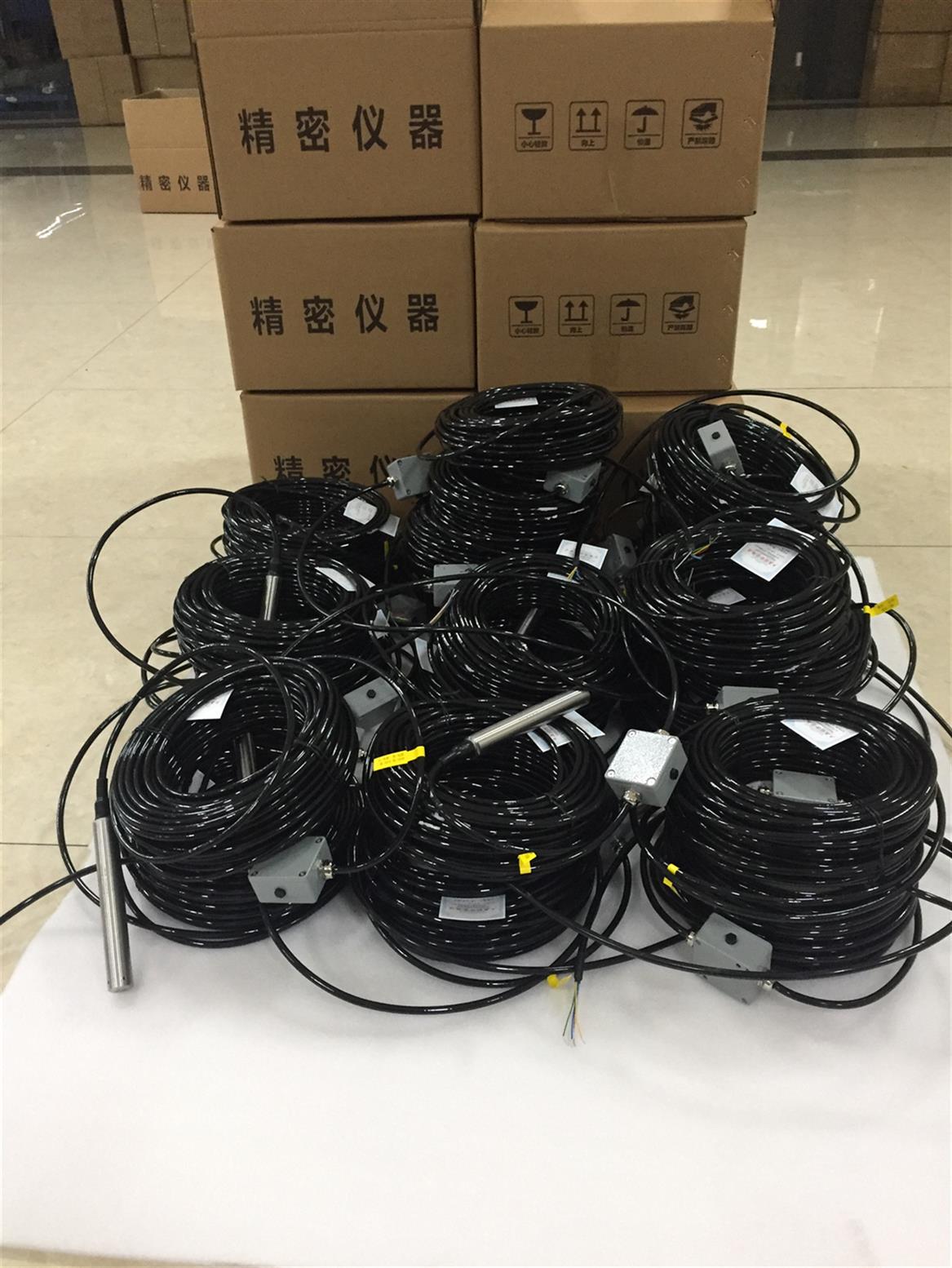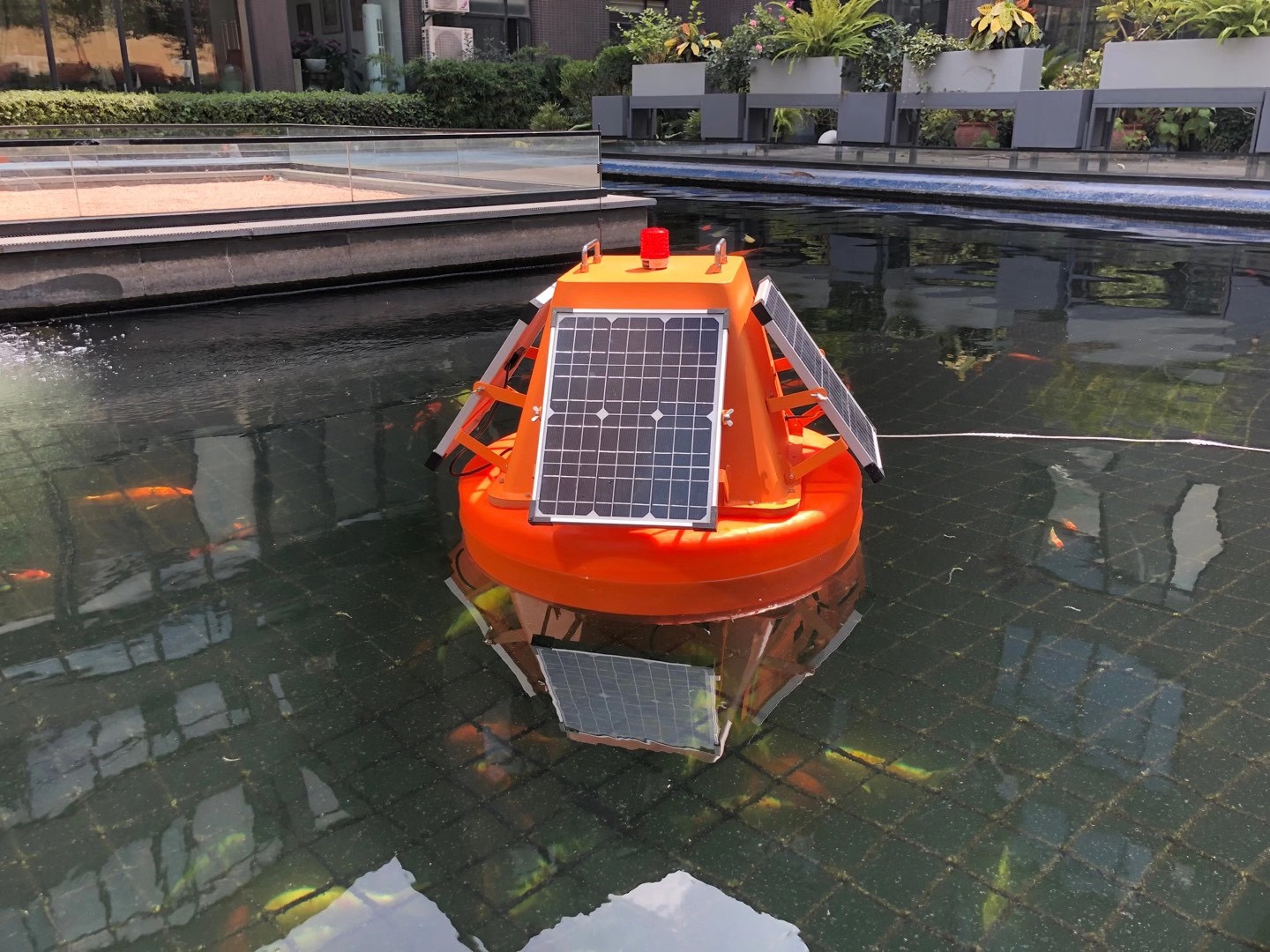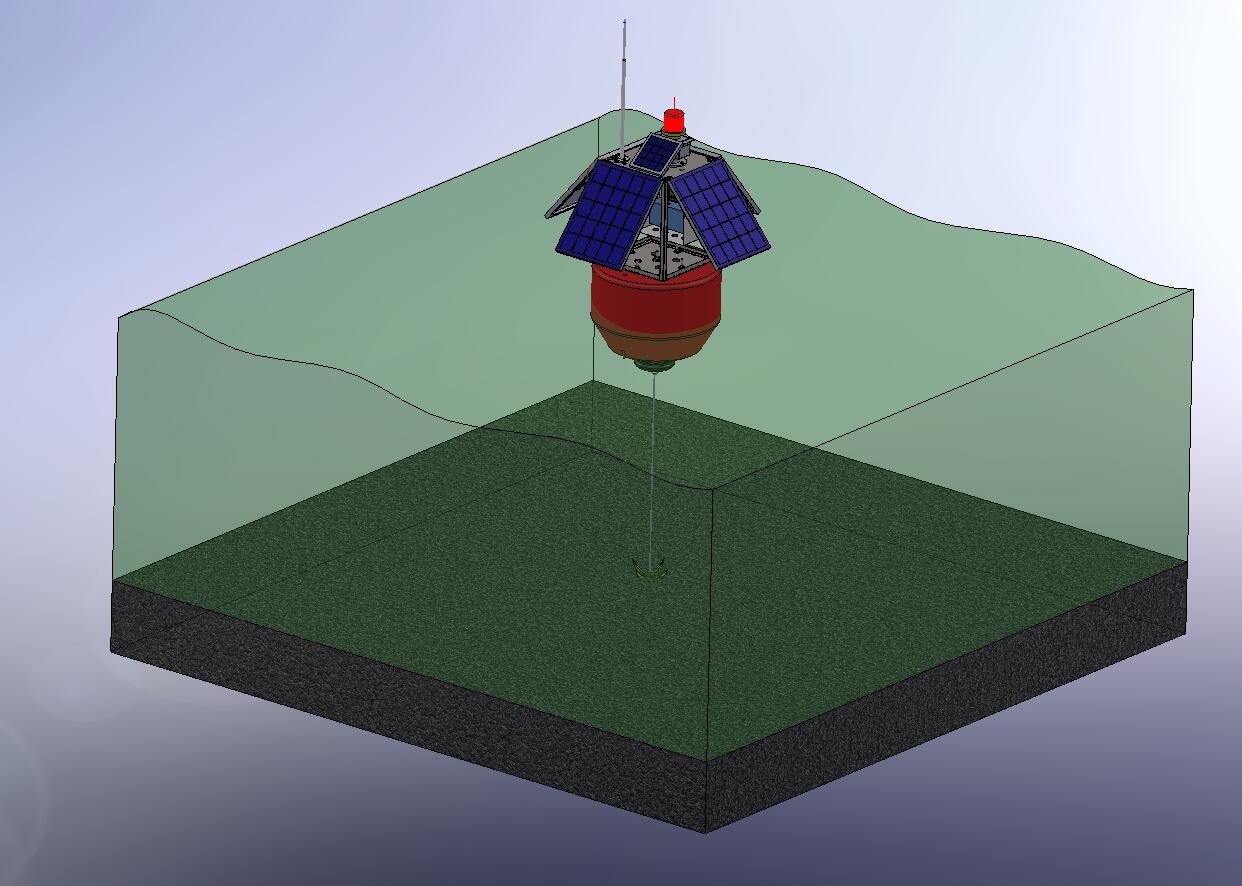


Installation of static level and price of static level
Category:
Instrumentation/transmitter /level transmitter
Model:
HR8066
Brand:
Hengrui
Retail Price
99.00USD
重量
kg
- Product Description
-
Description :
Overview
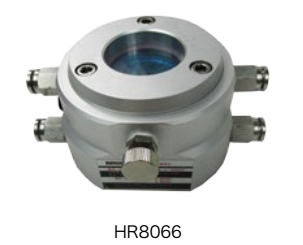
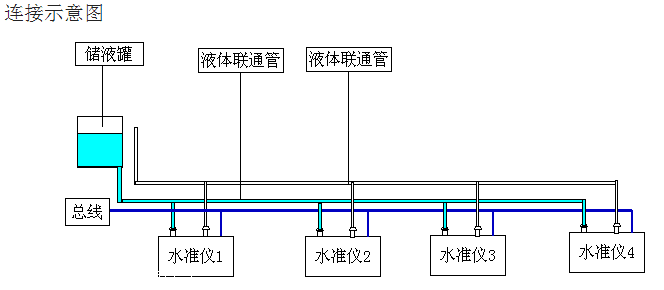
The HR8066/67 high-precision static level is suitable for monitoring vertical displacement or settlement deformation with high requirements, and can monitor liquid level changes up to 0.01mm. The instrument consists of a series of containers containing liquid level sensors, which are connected by liquid filled connecting pipes between multiple containers. The reference container is located at a stable reference point, and any elevation change between the container and the reference container will cause a corresponding change in the liquid level inside the container. The elevation change of the measuring point can be obtained by measuring the liquid level change.
The HR8066/67 high-precision static level adopts pressure sensitive components of global quality. The static level product adopts a multi-point full range temperature compensation process of -20-60 ℃, which has the advantages of high measurement accuracy, no drift, strong reliability, and easy installation. The sealed shell has good moisture resistance and can work continuously for a long time in a relative humidity environment.
Working principle of static level
Using the pressure difference in a sealed liquid to monitor changes in the elevation difference of settlement points. When the settlement of the reference point is set to zero and the level changes with the settlement of the measured point, the change in elevation difference between the reference point and the measuring point is the settlement value of the measured point, which is expressed by the pressure difference between the reference point and the measured point.
The factors that affect the measurement accuracy of the system mainly come from the drift of the level sensor with temperature and the evaporation of the system liquid. For the temperature drift of the sensor, a multi temperature point compensation process is adopted to ensure that the sensor meets the measurement accuracy index within the compensation temperature range and meets the requirements for on-site use.
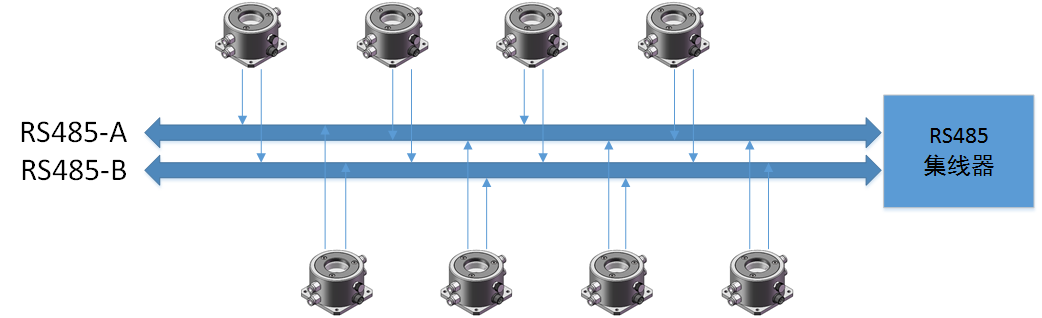
To achieve long-distance multi-point monitoring function, the level adopts industrial grade RS485 digital communication interface,
Working in half duplex master-slave mode, the transmission distance can reach 1200 meters, and the serial communication format is as follows:
Serial port data format:
Baud rate: 9600bps;
Checkpoint: No checksum.
Stop position: 1 position.
Data bit: fixed at 8 bits.
According to the RS485 protocol specification, communication nodes must have unique addresses. Each level node is assigned a communication address (1-254) and hung on the RS485 bus. The RTU serves as the RS485 host to send acquisition instructions to each level slave, and collects the liquid level and temperature values of each level according to the address using the 03H function code of the MODBUS protocol.

Knowledge points:
Comparison of liquid level performance using pressure method
The following is a list of liquid level measurement principles to compare the advantages and disadvantages of various measurement methods for static level monitoring systems. Performance Comparison Table
2.4 Several 'pseudo conclusions'
(1) The liquid level static level has higher accuracy than the pressure difference static level. The liquid level is divided into two categories: direct measurement of physical liquid level and characterization of liquid level. Each category has different measurement mechanisms, which can only be said to have their own advantages and disadvantages. If we talk about the measurement process, the pressure method is direct. Compared with the pressure method, there are too many display links through various liquid level measurement methods, and the accuracy is difficult to guarantee.
(2) XXX sensing technology is better than other technologies. Any sensing technology can meet the accuracy requirements of the system through certain technical means. The statement that "XXX sensing technology has higher accuracy than other sensing technologies" itself is a subjective expression without scientific basis. Often, the selection of sensors is only "applicable" rather than "good". For example, magnetostrictive sensors can be selected with accuracies of 1mm or 0.1mm, but it is only a matter of cost; Pressure sensors can also be selected with different accuracies such as 0.5%, 0.1%, 0.05%, etc.
(3) The pressure differential static level calculates the liquid level through pressure reverse calculation, so its accuracy is low. This is obviously a concept substitution. The so-called "direct measurement of liquid level" in the liquid level method measures the physical liquid level and temperature
The "characteristic liquid level" required for the settlement formula is indirectly calculated, while the pressure rule directly calculates the "characteristic liquid level" by measuring pressure. People who can say such things are either ignorant of the principle of static leveling measurement (pretending to understand), or intentionally conveying incorrect information to others (low-level deception).
3、 Precautions for selecting a static level
The static level exists in various types based on different principles, partly due to cost reasons, but more importantly, each type of instrument has its own advantages and disadvantages. Even monitoring instruments from different manufacturers based on the same measurement principle have differences in production and design. When selecting, it is necessary to analyze the specific type of monitoring instrument from a principle perspective and conduct some simple tests if necessary.
For a type of static level that directly measures the "physical liquid level", it is necessary to understand whether the monitoring instrument has the function of correcting the physical liquid level to characterize the liquid level and its performance. A simple method of judgment is whether the manufacturer allows the addition of multiple different liquids, as well as correction parameters specific to the "temperature density" characteristics of each liquid. If the manufacturer claims to have correction functions but does not have parameters for users to input correction numbers, it is generally considered unreliable. Testing is persuasive evidence, and a simple testing method is to inject liquids with the same height difference but different temperatures, observe the reading of the level gauge, and if there is no change in the reading or the change does not match the theoretical value, it indicates that no characterization level correction has been performed.
For a type of static level that uses a float or buoyancy to measure liquid level, it is necessary to understand how it solves the frictional force between the float and other internal components. It can test the measurement sensitivity of the monitor when it is not placed horizontally (generally, the friction force of the float increases when it is not horizontal, resulting in a decrease in the sensitivity of the float when the liquid level changes).
The above selection principles are only based on the measurement principle and measurement mechanism. For details on how to check the sensitivity, stability, accuracy, etc. of the liquid level sensing components, please refer to the "Static Level Sensor Accuracy Analysis. pdf".
AfterSalesService :
Key words:- Installation of static level
More Products