



Static level manufacturer Shaanxi Hengrui
Category:
Instrumentation/transmitter /level transmitter
Model:
HR8066
Brand:
Hengrui
Retail Price
99.00USD
重量
kg
- Product Description
-
Description :
Engineering Case
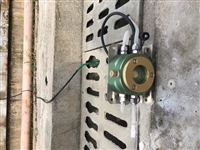
In the automated monitoring project of the impact of the demolition of a certain illegal building on the structure of a rail transit tunnel, in order to timely grasp the impact of the demolition process on the tunnel structure, a settlement monitoring system based on the HR8066 static level was used to monitor the real-time settlement of the tunnel section, and stress monitoring sensors were also installed. The rail transit tunnels within the affected area are divided into two sections: single tunnel bidirectional and two single tunnel single track. The length of the affected area is about 160 meters, and the longitudinal slope of the line is designed to be 42 5 ‰, the arch height difference of the interval tunnel is 7.5m, making it very difficult to design and install using traditional static level gauges. There are a total of 5 monitoring sections arranged for this project, with a spacing of about 50m between sections. The HR8066 static level is installed on the left arch shoulder of the tunnel, and a reference point HR8066 static level and a liquid storage tank are set in the stable area on the north side of the line. The height difference between the HR8066 static level is about 220mm. The HR8066 static level adopts the Hengrui HR3051-DP type, and the collector adopts the BGK-Micro-40 measurement unit. The data sampling interval is 10 minutes.
4、 Monitoring data analysis
4.1 Error Source Analysis
The use of HR8066 static level for monitoring the settlement of rail transit structures is similar to traditional static level measurement, but is also affected by various error sources, mainly including temperature changes, environmental pressure, train vibration, and the quality of filling fluid.
(1) Temperature influence
The density of the liquid filled in the system varies with temperature, and the change in liquid density also changes the volume of the liquid. As the temperature increases, the change in water column height also accelerates.
According to the real-time temperature monitoring data of each section for over three months, as shown in Figure 6, except for Section 1, the temperature difference between Section 1 and the other four sections is within ± 0 Within 5 ℃, the temperature difference of other sections is within ± 0 Within 25 ℃. Section 1 is located near the fire door of the light rail platform, and due to the influence of the platform and train start stop, the temperature of this section fluctuates slightly compared to other sections. Due to the small temperature difference among the sections inside the tunnel, the impact of temperature on the height difference can be ignored. If the monitoring system is installed outdoors, it is prone to large temperature differences due to obstruction and differences in sunlight. Therefore, the monitoring results should be model corrected based on the temperature measured by each sensor.
(2) The influence of air pressure and gravity
The differences in air pressure and gravity can affect the height of the liquid level. As the HR8066 static level is basically installed on the same elevation plane and used in a relatively closed tunnel environment within a relatively small range, it can be assumed that the gravity acceleration g and air pressure at each monitoring point remain constant.
However, due to the flow of air in the tunnel caused by the operation of rail transit trains, changes in air pressure inside the tunnel will cause certain fluctuations in the measurement results. However, if the train interval is long or during the shutdown period, the changes in air pressure will gradually stabilize and have little impact on the monitoring results. When high monitoring accuracy is required, the low voltage ends of all monitoring point transmitters can be connected with air tubes to form a closed system, which can significantly reduce external environmental interference.
(3) Train impact
The vibration generated when the rail transit train passes through the monitoring area at a certain speed, electromagnetic interference from the current of the power cable on the HR8066 static level, and changes in air pressure caused by air flow can all affect the monitoring results. Taking this project as an example, during the monitoring process on a certain day, the monitoring personnel recorded the approximate time when the train passed through the sensor, and then compared it with the time series of the sensor monitoring data. The comparison results are shown in Figure 7. When the train passes through the monitoring point, increasing the load on the tunnel in that area will cause the monitoring point to sink. As the part that the train passes through first is the reference point, the sinking of the reference point will relatively cause the monitoring point to rise. The time when the train passes through the sensor during operation largely coincides with the time when the sensor collects data, and the size of the jump varies from 0mm to 2mm, with an increase in settlement.
(4) The influence of bubbles in the filling liquid
During the monitoring process, it was found that the settlement of monitoring section 4 was basically consistent with the decrease in the liquid level at the reference point. The entire process curve is shown in Figure 8. Due to the presence of unremoved air in the diaphragm box of the HR8066 static level, the positive pressure of the transmitter is always affected by the accumulated gas pressure, which is constantly changing, causing a deviation in the monitoring value and has a certain correlation with the pressure of the entire system. Under the influence of the external environment, gases dissolved in the liquid in the system will continuously precipitate and accumulate in the sensor, causing measurement errors. To eliminate the influence of bubbles in the system, one can choose stable liquids such as silicone oil as the medium; The second is to regularly exhaust the HR8066 static level to stabilize the monitoring data of the sensor.
4.2 Monitoring accuracy analysis
From the process curve monitored on a certain day, it can be clearly seen that during the nighttime shutdown period from 0:00 to 5:00, the monitoring curve of the HR8066 static level is very stable. During the day, due to train operation and electromagnetic interference, there is a lot of noise and anomalies. Therefore, it is necessary to identify and filter the gross errors in the monitoring data during operation.
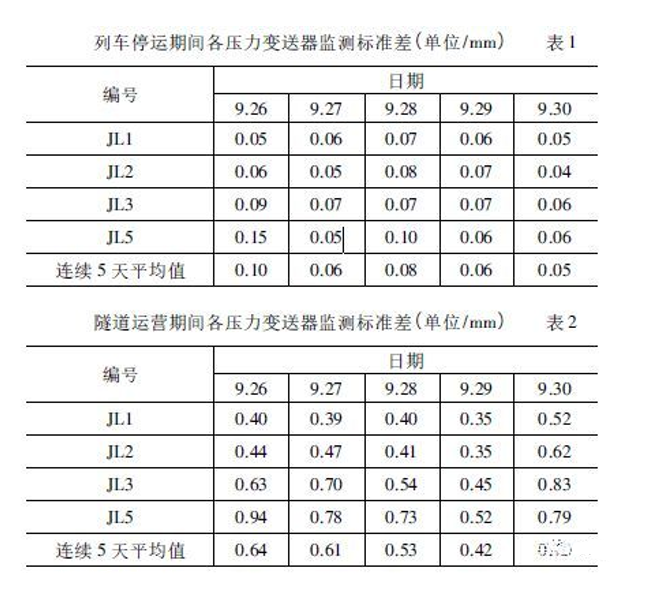
Statistical analysis of monitoring results during train shutdown can truly reflect the monitoring accuracy of HR8066 static level. From Table 1, it can be seen that during the nighttime train shutdown period, the monitoring accuracy of the HR8066 static level is better than 0.1mm. The average value of the monitoring results for a period of time at night is taken as the daily monitoring result value. From Table 2, it can be seen that the tunnel
After filtering the coarse errors in the monitoring data during the tunnel operation period, accuracy statistics were conducted. The HR8066 static level during the tunnel operation period achieved sub millimeter monitoring accuracy. By filtering and smoothing the coarse errors in the monitoring data, real-time settlement monitoring accuracy can also be achieved.
4.3 Comparison of Monitoring Results
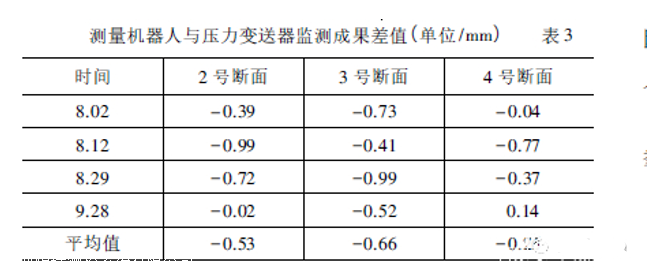
To verify the reliability of the HR8066 static level for settlement monitoring, prisms were installed on the tunnel lining near the HR8066 static level on sections 2, 3, and 5 of the project. Measurement robots were used for monitoring, and the monitoring results were compared with those of the HR8066 static level. The comparison results are shown in Table 3. It can be seen that the average difference between the monitoring results of the measuring robot and the HR8066 static level is -0.5 mm. It can be said that the monitoring results of the two methods are basically consistent, and the monitoring accuracy is within the sub millimeter level.
5、 Conclusion
(1) The HR8066 static level is used for monitoring the settlement of rail transit structures, and its monitoring accuracy is comparable to that of traditional static levels. It can effectively overcome the disadvantages of small measurement range and difficult installation of traditional static levels. In sections with large longitudinal slopes and when monitoring the tunnel arch shoulder and above, it has significant advantages compared to traditional static levels.
(2) Using the HR8066 static level for automated monitoring of structural settlement, the main sources of error are the absence of air bubbles in the system, electromagnetic interference, and the influence of train vibration. In the later stage, fiber Bragg gratings can be used for signal transmission to reduce electromagnetic interference.
(3) The system collector scans channel by channel, so the collection time of each sensor is not strictly synchronized. The settlement monitoring system requires the height difference value of the liquid level relative to the reference point at the same time, which also has a certain impact on the accuracy of height difference measurement. To achieve maximum data synchronization, all HR8066 static level gauges can be connected to adjacent channels, but further research is needed to ensure strict data synchronization.
(4) The data quality of the entire settlement monitoring system is closely related to the installation quality. Whether the data is stable requires continuous observation for a period of time to determine. To ensure the reliability and continuity of the data, it is recommended to use other manual monitoring methods for mutual verification and supplementation.
Technical parameters of static level
①. Main performance indicators
Standard range: 1000mm or other
Accuracy: < ± 0.3mm
Resolution: 0.01mm
Annual stability: < ± 0.5mm
Overload capacity: 200% F? S
②. temperature characteristic
Working temperature range: -20~85 ℃
Temperature compensation range: -20-60 ℃
Temperature sensor:
Temperature measurement range -40~150 ℃
Temperature measurement accuracy ± 0.2 ℃
③. Electrical Characteristics
Electrical Connection: Waterproof Four core Plug in
Supply voltage: 5-24VDC (HR8066)
12~24VDC(HR8067)
Output signal: MODBUS-RUT (HR8066)
4~20mA(HR8067)
Power protection: anti reverse connection, overvoltage protection
Communication interface: RS485, electrostatic protection
④. structural characteristics
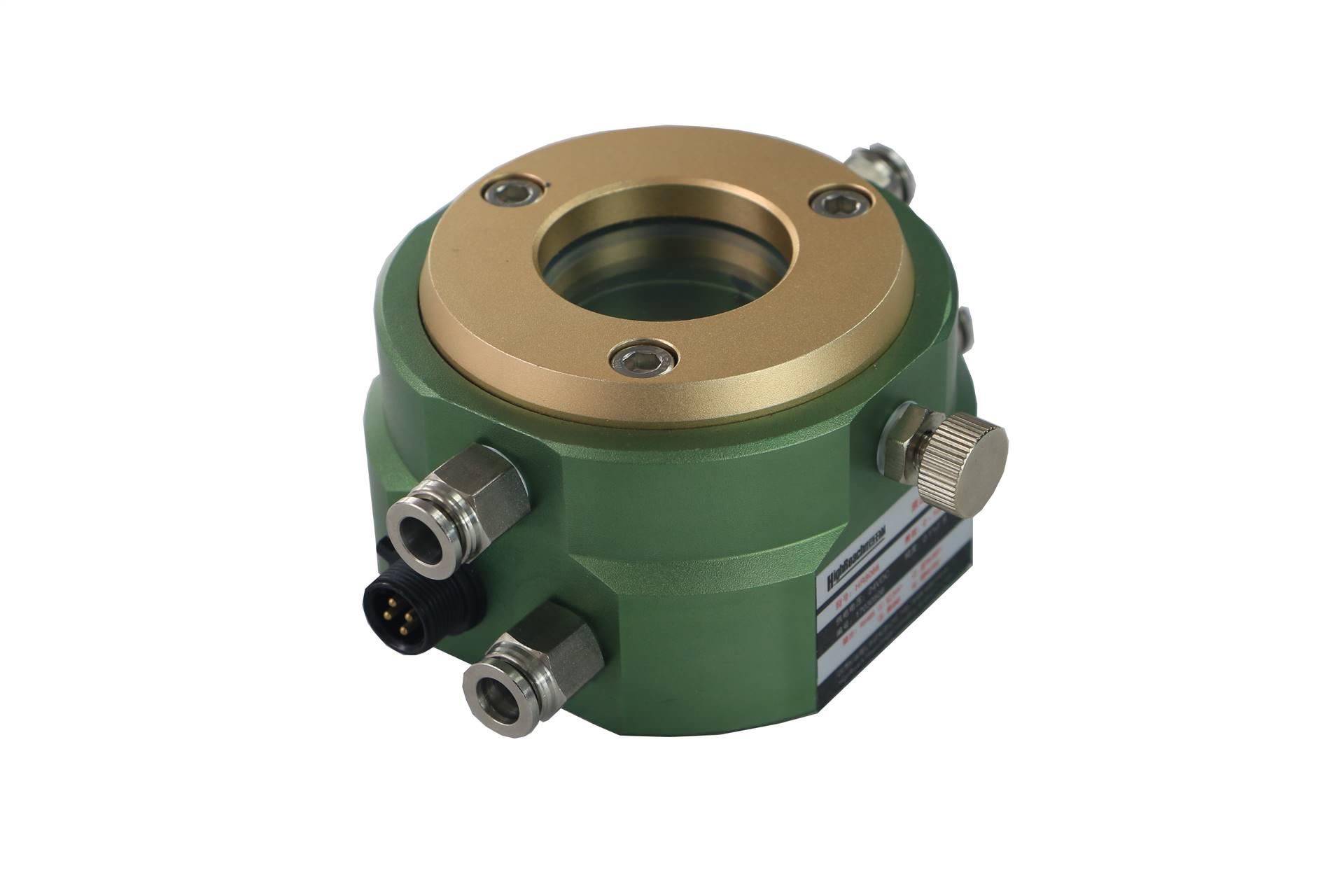
Shell material: Aluminum alloy
Pipeline connector: stainless steel quick connector or stainless steel threaded locking connector
⑤. environmental characteristics
Protection level: IP67 Installation method: The exhaust valve is vertically fixed with the exhaust valve facing upwards
AfterSalesService :
Key words:- High precision static level
More Products