
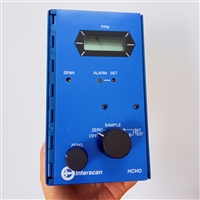
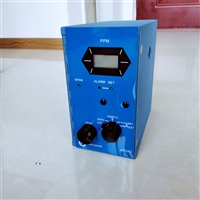



Difference between imported 4160-2 formaldehyde detector and domestically produced 4160-II formaldehyde detector
Category:
Instrumentation/Indoor environmental protection testing instruments/Methanol detection instrument
Model:
4160-II
Brand:
Thermal Holding Environmental Protection
model:
4160-II
type:
industrial use
measurement object:
formaldehyde
measurement range:
0.01ppm-19.99ppm
measurement accuracy:
±2.0%
flow range:
zero point eight
power:
twenty-four
resolution:
0.01ppm
power supply:
two hundred and twenty
Processing & Customization:
yes
Overall dimensions:
176 x 105 x 225
weight:
three
manufacturer:
Qingdao Hot Holding Environmental Protection
Retail Price
13,800.00USD
重量
kg
- Product Description
-
model 4160-II
type industrial use
measurement object formaldehyde
measurement range 0.01ppm-19.99ppm
measurement accuracy ±2.0%
flow range zero point eight
power twenty-four
resolution 0.01ppm
power supply two hundred and twenty
Processing & Customization yes
Overall dimensions 176 x 105 x 225
weight three
manufacturer Qingdao Hot Holding Environmental Protection
Description :
Difference between imported 4160-2 formaldehyde detector and domestically produced 4160-II formaldehyde detector
Do you know about the domestically produced 4160-II JIA aldehyde detector? Is it easy to use? What is the difference between it and the imported 4160-2 JIA aldehyde detector?
RCHB123: I3345O14433 Same V
Firstly, regarding the JIA aldehyde detector, in my recent years in the industry, the sales and understanding of JIA aldehyde detectors have been the products that I have learned the most about in my career. The commonly sold imported brand and domestically produced JIA aldehyde detector are still understandable. Today, instead of explaining the imported JIA aldehyde detector one by one, the editor will start with a point that everyone is more concerned about and explore with you the differences between the imported 4160-2 and the domestically produced 4160-II?
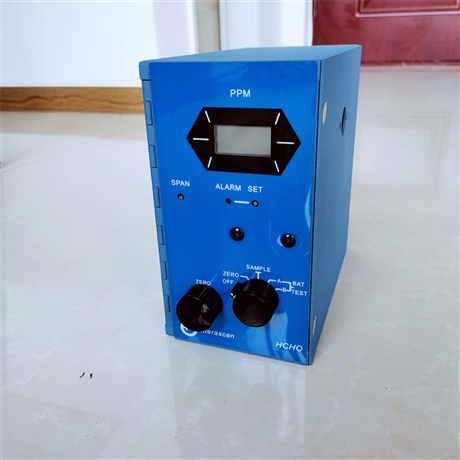
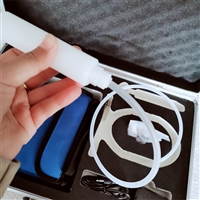
Firstly, from the perspective of appearance and configuration, there is no difference between the domestically produced 4160-II and the imported 4160-2 in terms of visible configuration, including the main chassis, main unit, shoulder strap, portable bag, handle, activated carbon, one long hose, one short hose, charger, instruction manual, certificate of conformity, and warranty card,Tool screwdriver (also known as calibration screwdriver)
This is one thing they have in common, which is that there is no difference in configuration.


RCHB123: I3345O14433 Same V
1) However, there are still differences in some small details. For example, for the imported 4160-2, there are two sets of internal batteries, one setAlkaline Battery (The instrument uses two 2 # alkaline batteries (LR14 type) to power the circuit and sensors. This battery pack provides power to the sensors regardless of whether the instrument is turned on or off, ensuring that the sensors are in a ready state.), a groupRechargeable battery (supplying power to the pump and JIGN device)
Note one thing:BAT. TEST A: Turn the switch to this position to display the battery level of the nickel cadmium battery, which supplies power to the pump and buzzer
BAT. TEST B: Display the battery level of the 2nd alkaline battery on the screen. This battery pack supplies power to circuits and sensors,Cannot charge
Tip: This is very important: For the imported 4160-2, in my daily work, I often listen to customers explain why, when my device is used again and turned on, the pump sounds but the screen doesn't light up? Why? Is it broken? Do you want me to mail it over and help me fix it?
Here, the editor will give you some more spoilers. You don't need to send it back to the manufacturer. Your problem is most likely due to the alkaline battery running out of battery. Just replace the alkaline battery.
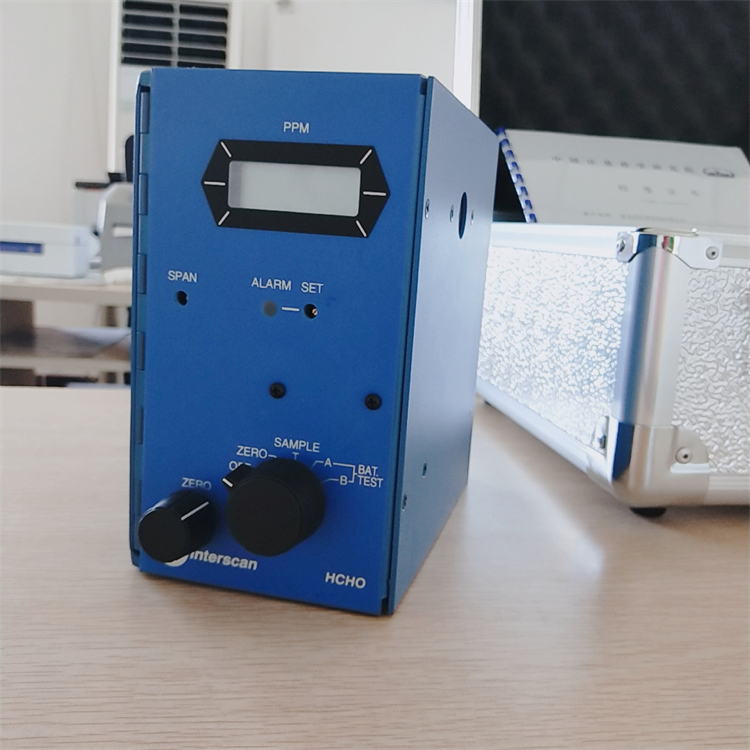
2) The difference in preheating and sensor maintenance: The imported 4160-2 requires regular water injection for maintenance, while the domestically produced 4160-II is maintenance free and does not require complex water injection operation steps. In terms of device startup preheating, the imported 4160-2 needs to be preheated for 15 minutes before zeroing, while the domestically produced 4160-II does not require prolonged startup preheating and is basically a type that can be directly zeroed for use.
3) There are some differences in the plug of the charger. Although both are chargers, there are differences in the connectors. The imported 4160-2 has a wired headphone style interface, but the domestic one is not. So, you asked me if their charger can be used interchangeably. The reason is that the connector cannot be plugged in.
4) In terms of device usage, if there is an opportunity later, I will compare the reaction speed and measurement accuracy of imported and domestic detectors in the same environment in the form of a video. I hope interested friends will continue to follow me in a timely manner~
The above text was typed word by word by the enthusiastic editor. Give it a thumbs up, hahaha~
Are you interested in the parameters of this domestically produced 4160-II? Let's continue reading.
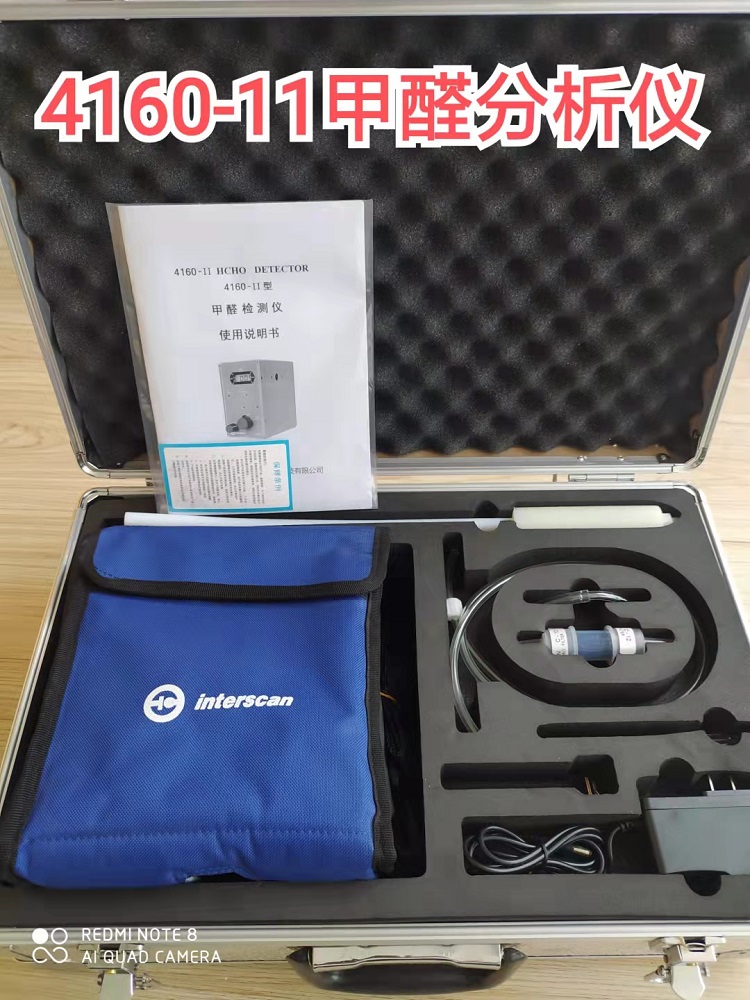
domestic4160-II JIAaldehydeThe detector's Brief introduction:
The 4160-II JIA aldehyde analyzer is composed of a highly sensitive JIA aldehyde electrochemical sensor imported from the United States and a central processing unit. Its sensitivity is 20-200 times higher than that of a diffusive sensor, and it is very sensitive to detecting low concentration free JIA aldehyde gases in indoor ambient air. It can detect volatile JIA aldehydes with very low levels in indoor air.
The 4160-II JIA aldehyde analyzer adopts a 3800mA large capacity lithium-ion rechargeable battery, which is easy to operate and can be widely used as JIA aldehyde detection equipment in indoor environment detection, indoor environment governance, environmental decoration, chemical engineering sites, scientific research and teaching.
domestic4160-II JIAAldehyde detector Product Features:
1. Standard ppm display unit
2. Zeroing can also be carried out in polluted environments
3. Electrochemical sensors have a long lifespan, high sensitivity, and do not require complex water injection maintenance
4. B-TEST can detect the service life of reminder sensors
5. Unique two electrode sensor design, no need for independent battery power supply
6. Adopting DC8.4V, 3800mA large capacity lithium-ion rechargeable battery, without alkaline battery
7. Adopting imported INTEASCAN sensors and central processing units from the United States, assembled domestically for easy maintenance
8. Can completely replace the American 4160-2 JIA aldehyde analyzer
9. Approved appearance professional certificate
domestic4160-II JIAAldehyde detector Technical Specifications:
Detection principle: Imported electrochemical sensor
Testing method: pump suction
Display mode: Direct reading digital LCD display
Detection range: 0.00-19.99ppm (high-precision recommended not exceeding 5ppm)
Resolution: 0.01ppm
Response time: 10 seconds
Zero drift: ± 1% FS
Power supply: DC8.4V, 3800mA;
Dimensions: 176 x 105 x 225 mm
domestic4160-II JIAAldehyde detector Standard configuration:
1 host
1 portable backpack
1 strap
One C-12 filter
1 connecting hose
1 sampling handle
1 charger
1 tool
1 aluminum box
1 manual
1 certificate of conformity
AfterSalesService :
Key words:- Imported 4160-2 formaldehyde detector
More Products