
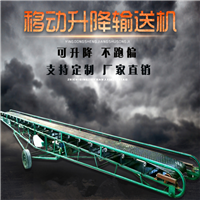
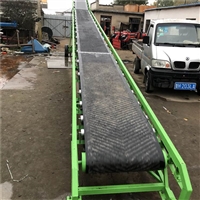
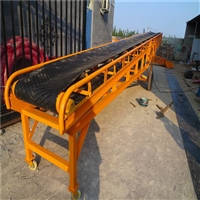
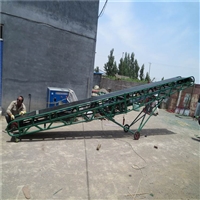

Belt Conveyor for Bulk Material Transport
Category:
agriculture/agricultural machinery/Onsite operation machinery
Model:
ZY-SSJ
Brand:
Jining Zhenyuan Machinery Co., Ltd
Retail Price
850.00USD
重量
kg
- Product Description
-
Description :
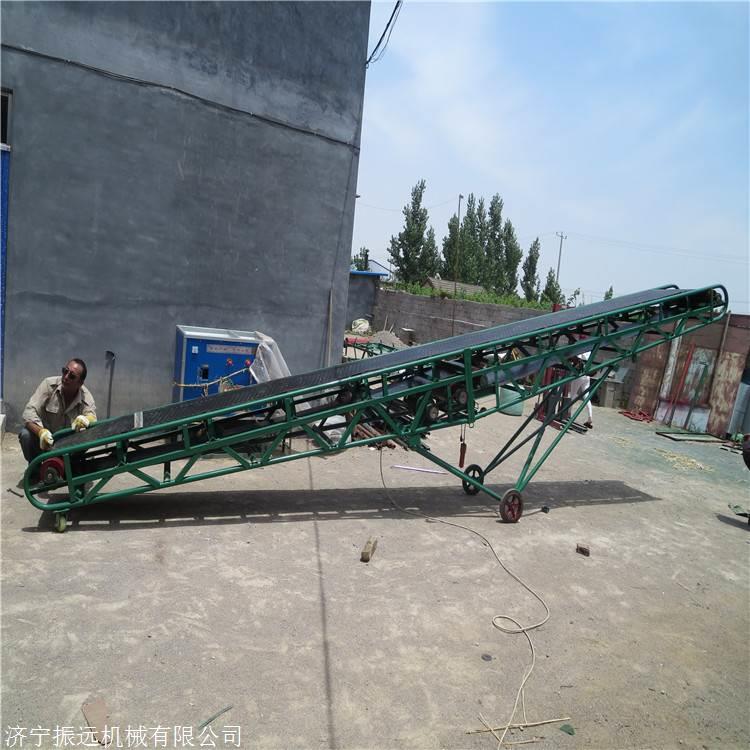
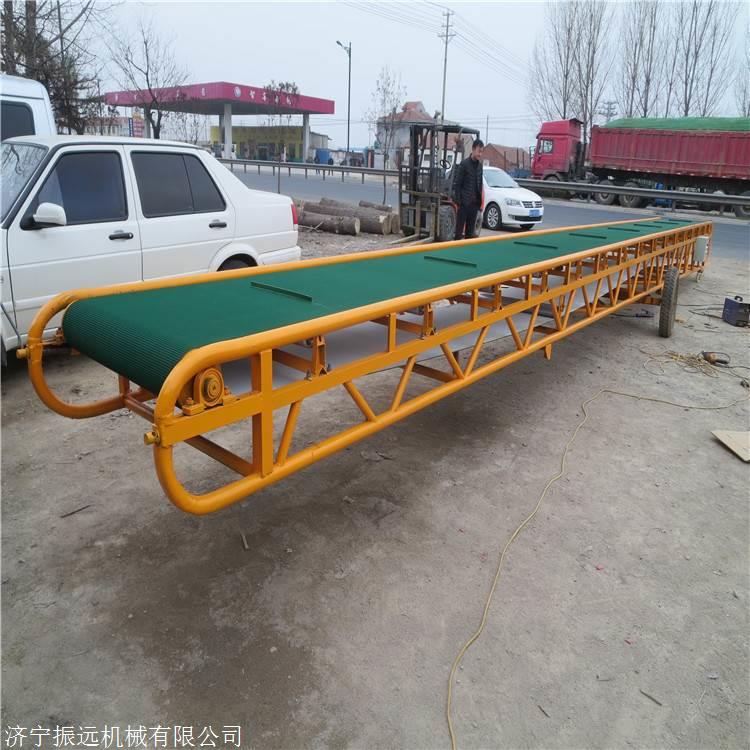
Belt Conveyor for Bulk Material Transport
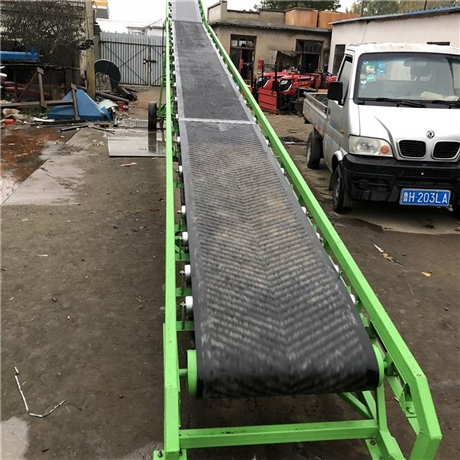
tapeconveyorAlso known as belt conveyor, the conveyor belt moves according to the principle of friction transmission and is suitable for conveying low abrasive materials such as coal, crushed stone, sand, cement, fertilizers, grains, etc. with a bulk density of less than 1.67/ton/cubic meter, which are easy to remove in powder, granular, small block form, and bagged materials. The belt conveyor can be used within the ambient temperature range of -20 ℃ to+40 ℃, and the temperature of the conveyed material is less than 60 ℃. The captain and assembly form can be determined according to user requirements, and the transmission can be either an electric drum or a drive device with a drive frame.
Commonly used adhesive tapeconveyorIt can be divided into: ordinary canvas core belt conveyor, steel rope core high-strength belt conveyor, explosion-proof downward belt conveyor, flame retardant belt conveyor, dual speed dual transport belt conveyor, reversible mobile belt conveyor, cold resistant belt conveyor, etc.
The belts produced by our factoryconveyorIt has the advantages of large conveying capacity, long conveying distance, smooth conveying, no relative movement between materials and conveyor belts, low noise, simple structure, easy maintenance, low energy consumption, and standardized components. It is widely used in mining, metallurgy, coal and other departments to transport loose materials or finished items. According to the requirements of the conveying process, it can be conveyed by a single machine, or by multiple machines or combined with other conveying equipment to form a horizontal or inclined conveying system to meet the needs of different layout types of work lines.
Belt conveyors are widely used as bulk material transportation machinery in industries such as docks, power plants, metallurgy, and grain. Some new users may not be very familiar with the selection, design, manufacturing, installation, and use of belt conveyor equipment. This article analyzes and explains the causes and solutions of common faults in belt conveyor equipment from the perspective of users.



1. Treatment of belt deviation of belt conveyor
Belt deviation is a common fault during the operation of belt conveyors, and attention should be paid to the dimensional accuracy of installation and daily maintenance. There are various reasons for deviation, and it needs to be handled differently according to different reasons.
1.1 Adjusting the Bearing Roller Group of the Belt Conveyor
When the entire belt conveyor deviates in the middle, the position of the roller group can be adjusted to adjust the deviation; During manufacturing, the mounting holes on both sides of the roller group are machined into long holes for adjustment. Which side of the belt is biased, and which side of the roller group moves forward or backward towards the direction of the belt. If the belt deviates in the upward direction, the lower part of the roller group should move to the left, and the upper part of the roller group should move to the right.
1.2 Installation of belt conveyor self-aligning roller group
There are various types of self-aligning roller groups, such as intermediate shaft type, four-bar linkage type, vertical roller type, etc. They use blocking or roller rotation in the horizontal plane to block or generate lateral thrust to automatically center the belt and achieve the purpose of adjusting belt deviation. It is generally reasonable to use this method when the total length of the belt conveyor is short or when the belt conveyor is running in both directions, because shorter belt conveyors are more prone to deviation and difficult to adjust.
1.3 Adjust the position of the belt conveyor drive drum and the reversing drum
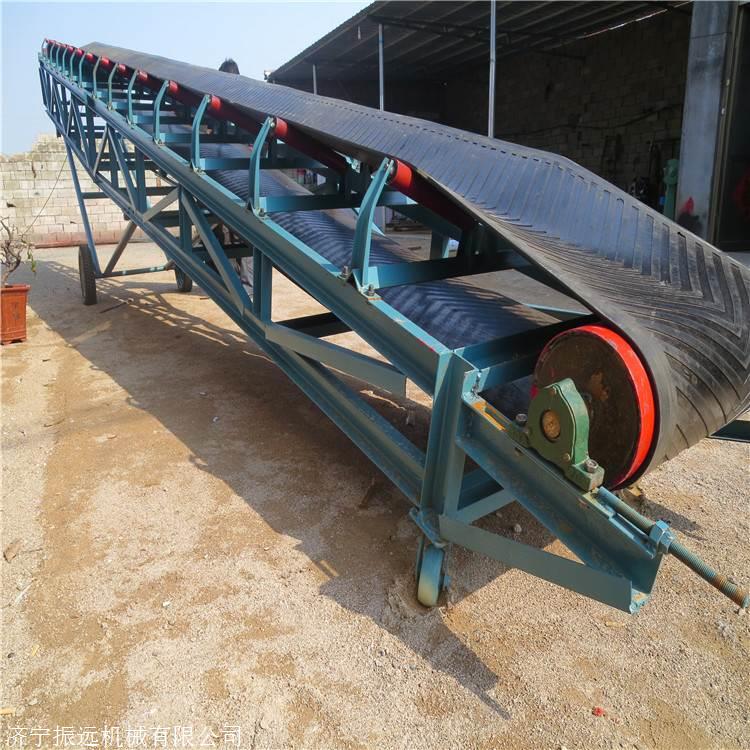
The adjustment of the driving drum and the reversing drum is an important part of adjusting belt deviation. Because a belt conveyor has at least 2 to 5 rollers, the installation position of all rollers must be perpendicular to the centerline of the length direction of the belt conveyor. If the deviation is too large, it will inevitably cause deviation. The adjustment method is similar to adjusting the roller group. For the head drum, if the belt deviates to the right of the drum, the right bearing seat should move forward. If the belt deviates to the left of the drum, the left bearing seat should move forward. Correspondingly, the left bearing seat can also be moved backward or the right bearing seat can be moved backward.


1.4 Adjustment of belt conveyor tension
The adjustment of belt tension is a very important step in the adjustment of belt conveyor deviation. The two deflection rollers at the upper part of the heavy hammer tensioning point should be perpendicular to the vertical line of gravity in addition to the length direction of the belt, ensuring that their axis centerlines are horizontal.
The influence of material dropping position at the transfer point of 1.5 belt conveyor on belt deviation
The dropping position of the material at the transfer point has a significant impact on the deviation of the belt, especially when the two belt conveyors are projected vertically in the horizontal plane. Usually, the relative height between the upper and lower belt conveyors at the transfer point should be considered. The lower the relative height, the greater the horizontal velocity component of the material, and the greater the lateral impact on the lower belt, while the material is also difficult to center. Skewness of material on the cross-section of the belt ultimately leads to belt deviation.
1.6 Adjustment of Deviation of Bidirectional Running Belt Conveyor
The adjustment of belt deviation of two-way belt conveyor is relatively more difficult than that of one-way belt conveyor. In specific adjustment, one direction should be adjusted first, and then another. When adjusting, carefully observe the relationship between the direction of belt movement and the tendency of deviation, and make adjustments one by one.
Belt Conveyor for Bulk Material Transport
AfterSalesService :
Key words:- Belt Conveyor
More Products