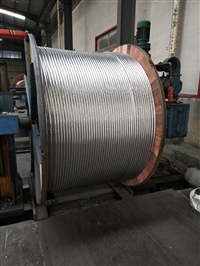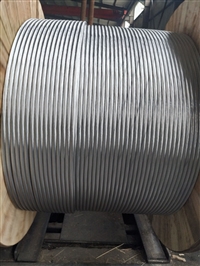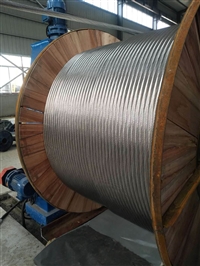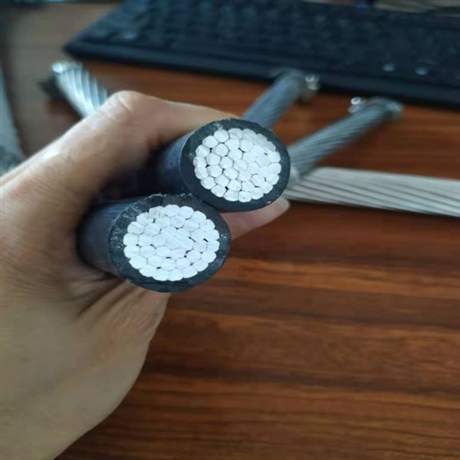

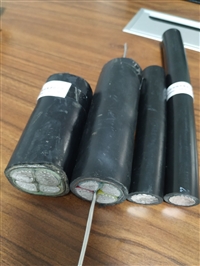
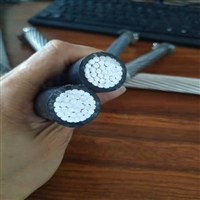
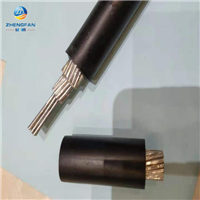
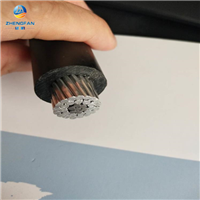

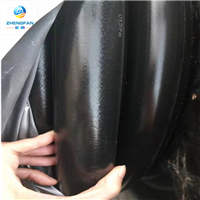
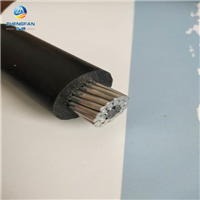
Zhengfan Cross linked Polyethylene Overhead Insulated Wire JKLGYJ-10KV-1 * 185/30
Category:
Electrical Engineering/Wire and cable/Insulated wire
Model:
JKLGYJ-10KV-1*185/30
Brand:
Zheng Fan
Retail Price
8.69USD
重量
kg
- Product Description
-
Description :
Zhengfan Cross linked Polyethylene Overhead Insulated Wire JKLGYJ-10KV-1 * 185/30
With the development of society and economy, the demand for the reliability and quality of power supply from the power grid is increasing. The renovation of the power grid and the construction of urban power grids are also constantly advancing, and more and more 10kV high-voltage overhead lines in urban power grids and railways are using insulated overhead lines.
Compared with overhead bare conductor lines, overhead insulated lines mainly have the following obvious advantages:
(1) Insulated wires can prevent phase to phase short circuits caused by external objects, improving the safety and reliability of the distribution system.
(2) Due to the isolation effect of the insulation layer, the risk of personal electric shock injury can be greatly reduced.
(3) The maintenance workload is small, which improves the power supply utilization rate of the line.
(4) The reduction of the safety distance required for the operation of the line has reduced the amount of tree felling along the line, which is beneficial for urban construction and greening work.
(5) With insulation layer protection, it can reduce wire corrosion and improve the service life of the circuit.
However, in actual construction, due to the influence of traditional overhead bare wire installation techniques and methods, the construction method of bare wires is often directly applied to the installation of insulated wires, which poses hidden dangers to the normal operation of the power grid and even leads to wire breakage accidents. Therefore, it is necessary to clarify the key procedures for the installation of overhead insulated lines. Recommended product: 35KV high-voltage cable
1. Determination of span and tension section
Due to the fact that overhead insulated lines mainly rely on their insulation skin to bear the load, their breaking force is relatively small, so their span and tension section should not be set too long. Generally speaking, the span of overhead insulated lines should be controlled at 50 meters, and the length of the tension section should not exceed 1000 meters.

2. Selection and acceptance of hardware materials
The selection of hardware materials should be based on design requirements and standard drawings. However, bolt type tension clamps should not be used for insulated lines, because if this type of clamp is clamped on an unpeeled insulated wire, the clamp sleeve is like a short-circuit ring covering the outside of the insulated wire. When AC current flows inside the insulated wire, these clamps will generate induced voltage and current due to the action of the alternating magnetic field, thereby forming eddy currents, and the heat generated will heat up the wire locally. When the current flowing through an insulated wire is high, the heat generated will cause the wire to overheat locally, and the wire will quickly break under tension, which is much lower than the breaking force and design tension of the wire, causing wire breakage accidents and laying hidden dangers for the safe operation of insulated overhead lines in the future. If this type of wire clamp is clamped on the stripped insulation wire, although the above problems will not occur, it will cause stress concentration at the insulation stripping point of the wire, which is still detrimental to the stress of the insulated wire.
After the arrival of the hardware materials, the acceptance work of the materials should be organized immediately, and any unqualified materials should be resolutely returned. After the material acceptance is qualified, trial installation should be carried out at the construction site as soon as possible. Any problems found should be resolved in a timely manner to prevent affecting the progress of subsequent construction.
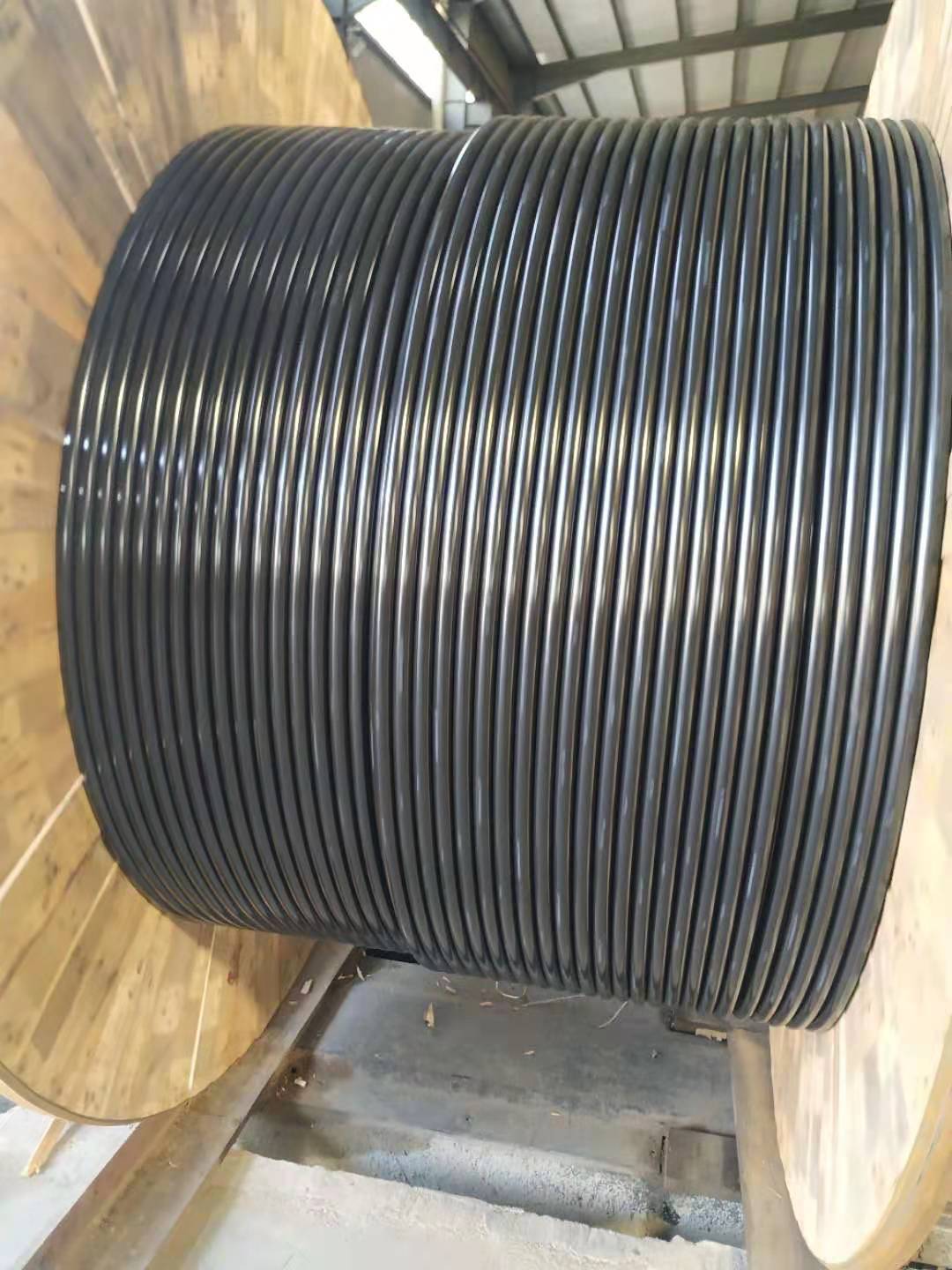
3. Sag of insulated circuit
The sag of overhead insulated lines is determined by the design based on the site conditions, but during construction, attention should be paid to the fact that the insulated lines are mainly subjected to stress by their insulation skin, which has the characteristic of plastic elongation. Therefore, in order to reduce the impact of plastic elongation on sag after wire installation, it is advisable to use the method of reducing sag for compensation. The percentage of sag reduction is 20% for aluminum or aluminum alloy core insulated wires and 7% -8% for copper core insulated wires.
The use of overhead insulated lines is beneficial for improving the safety and reliability of the distribution network, reducing maintenance costs, ensuring personal safety, and has a lower cost. In the future, it will be increasingly used to replace ordinary overhead bare wires. But the construction methods of the two are not exactly the same. If the construction method is used improperly, it will leave safety hazards for overhead insulated lines, bring unnecessary troubles to future operation and management, and affect their economic and social benefits.
Zhengfan Cross linked Polyethylene Overhead Insulated Wire JKLGYJ-10KV-1 * 185/30
AfterSalesService :
Key words:- Cross linked polyethylene overhead insulated wire
More Products