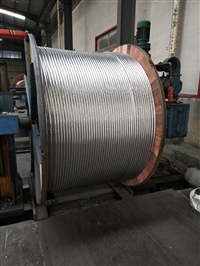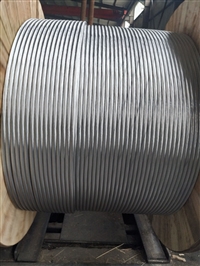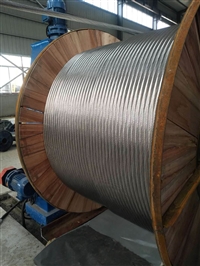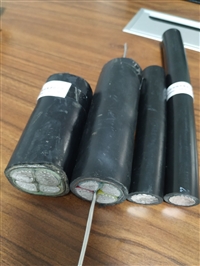

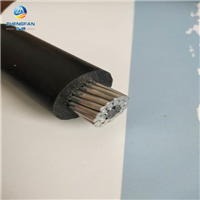
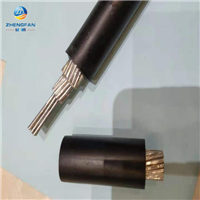
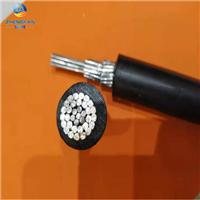

National standard cross-linked polyethylene overhead line JKLGYJ10KV1 * 150/35 overhead insulated wire
Category:
Electrical Engineering/Wire and cable/Insulated wire
Model:
JKLGYJ-10KV-1*150/35
Brand:
Zheng Fan
Retail Price
8.99USD
重量
kg
- Product Description
-
Description :
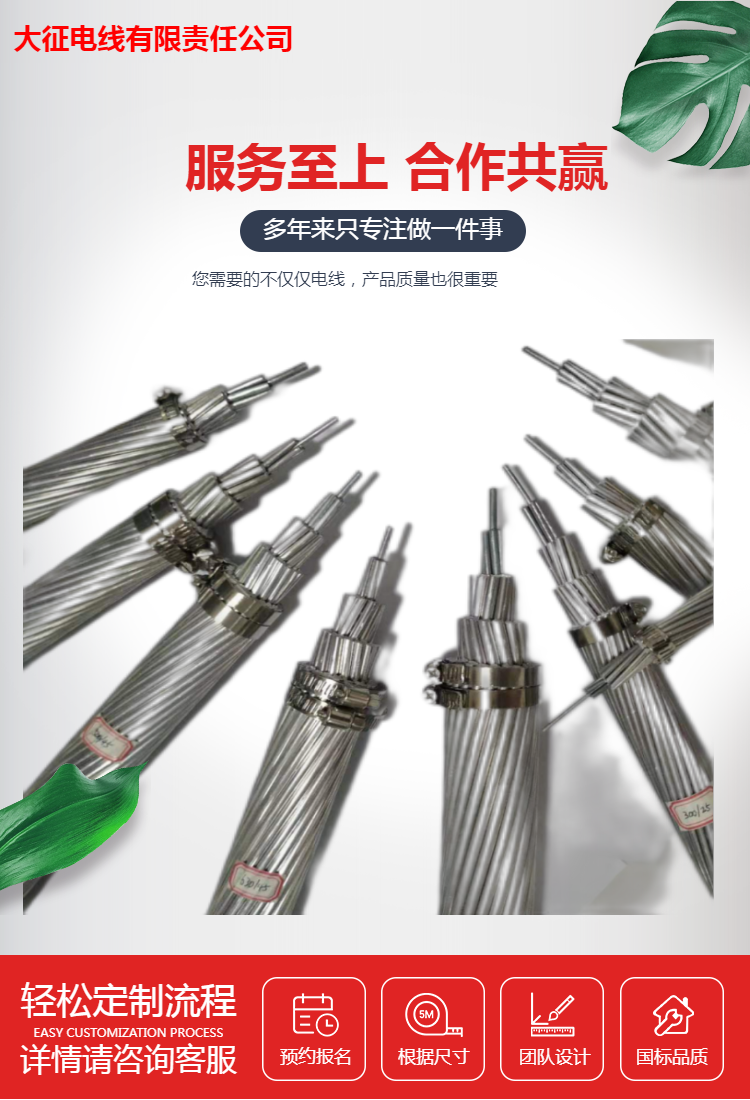
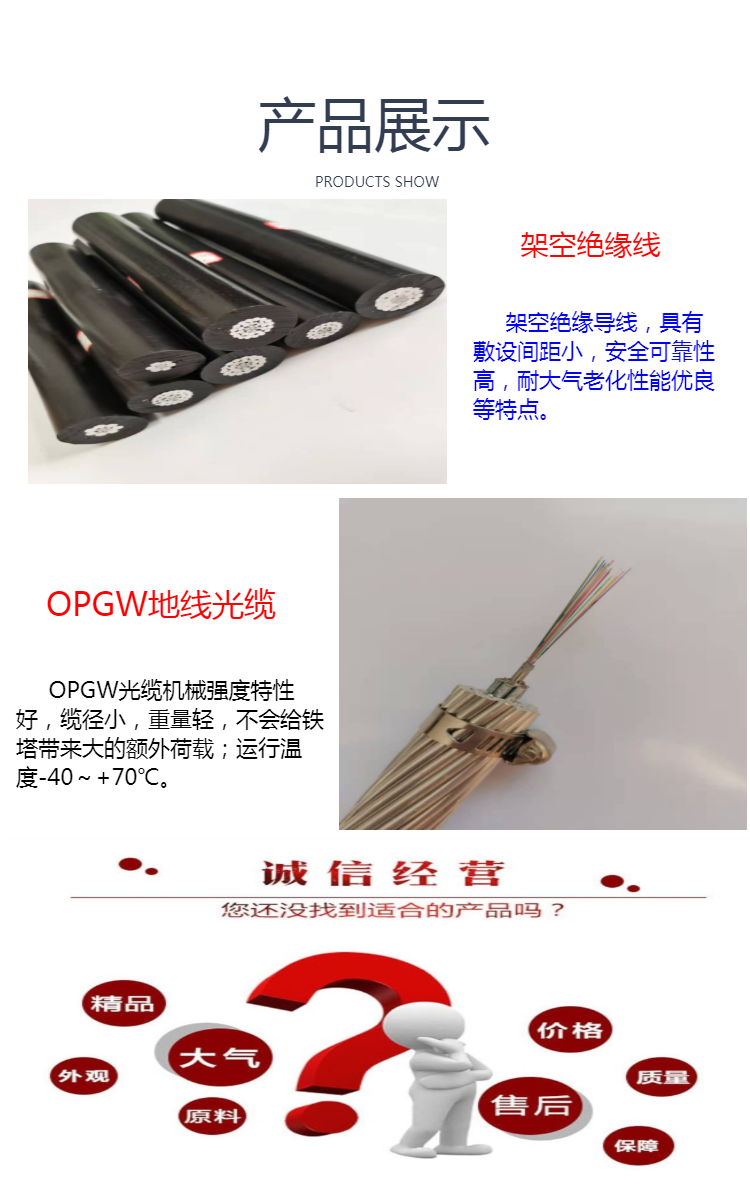
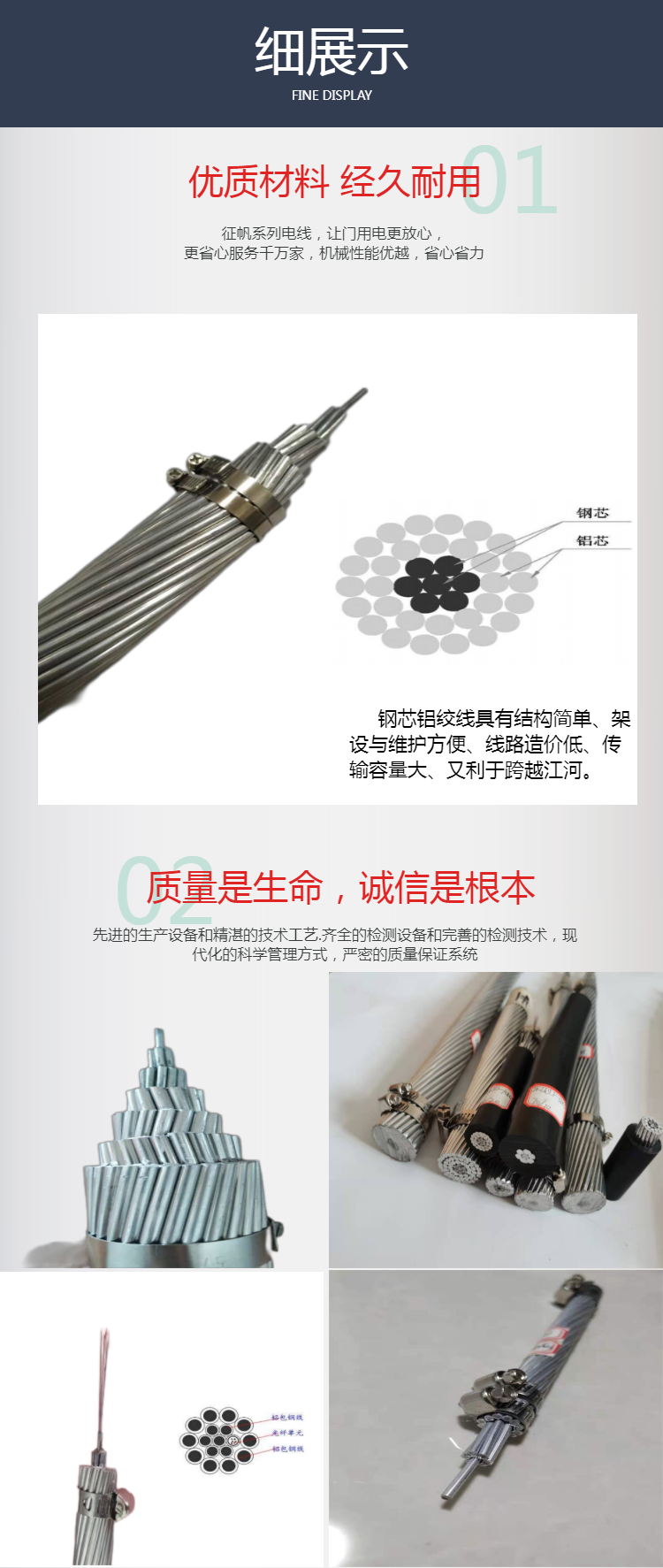
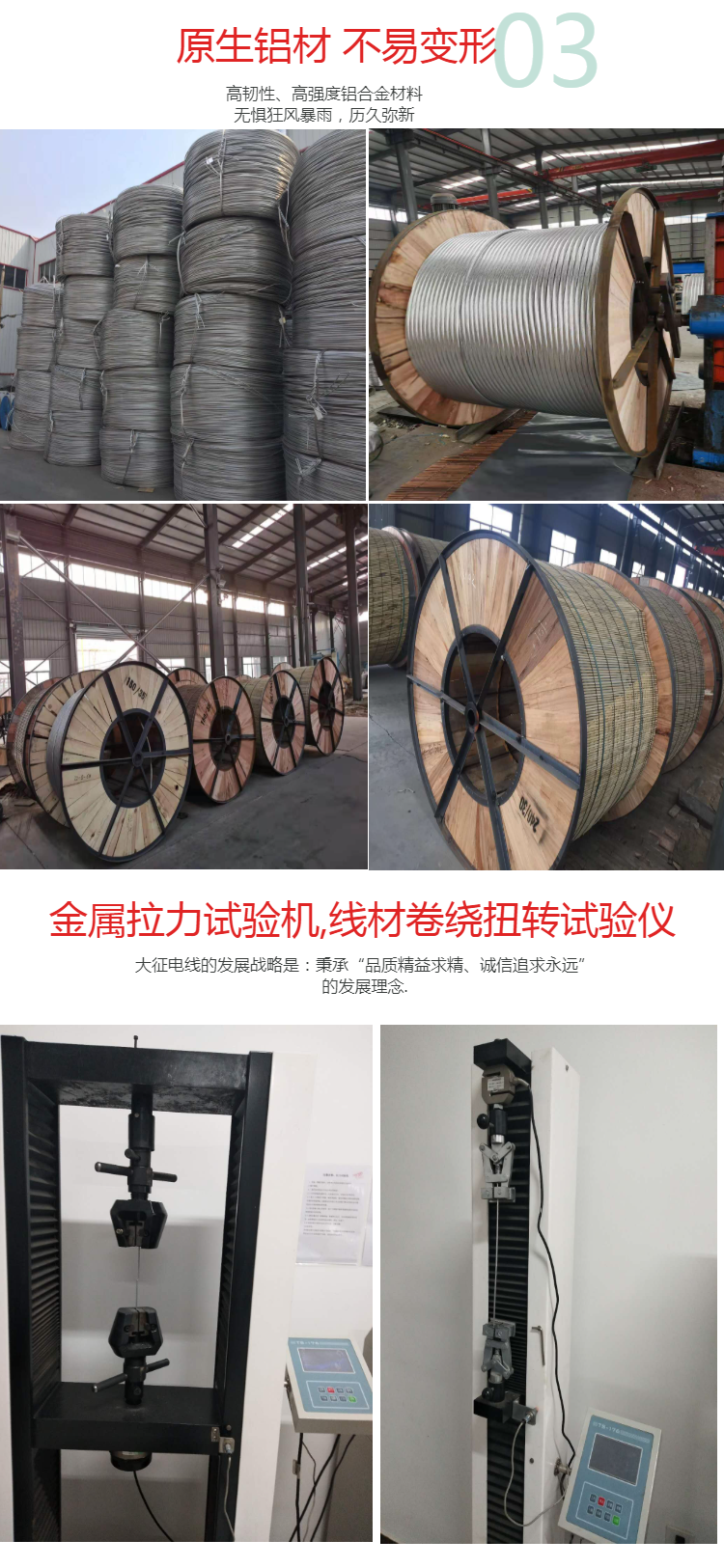
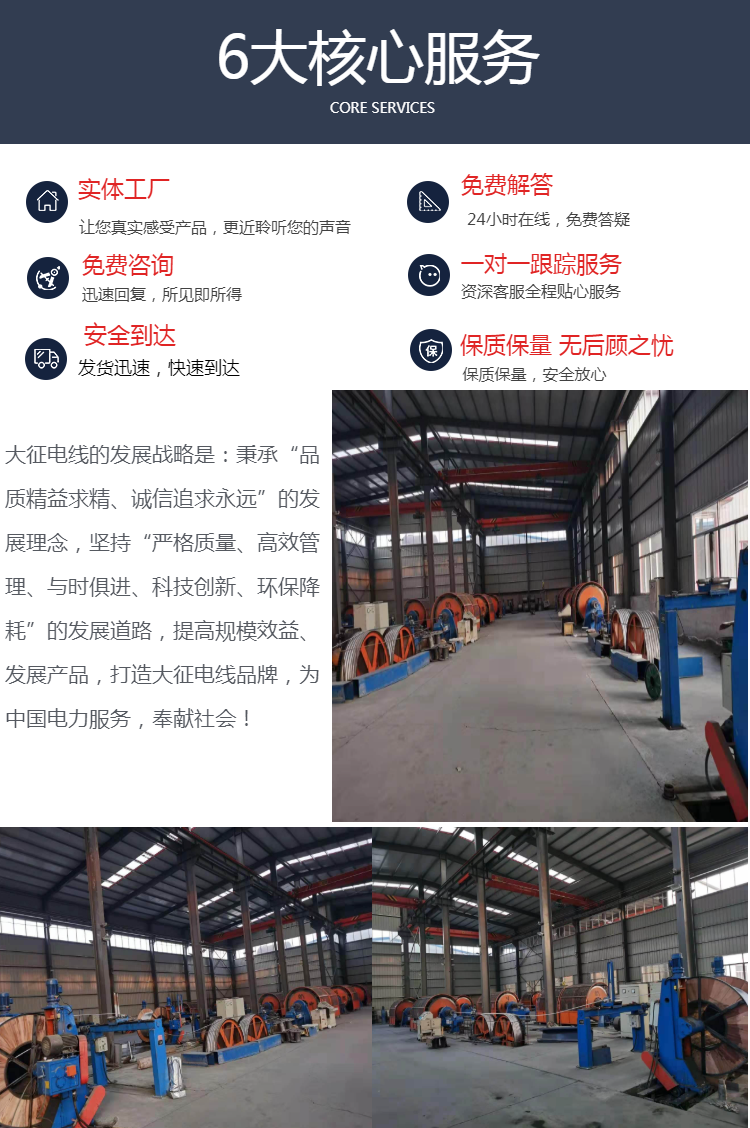
National standard cross-linked polyethylene overhead line JKLGYJ10KV1 * 150/35 overhead insulated wire
Characteristics and uses of overhead insulated lines;
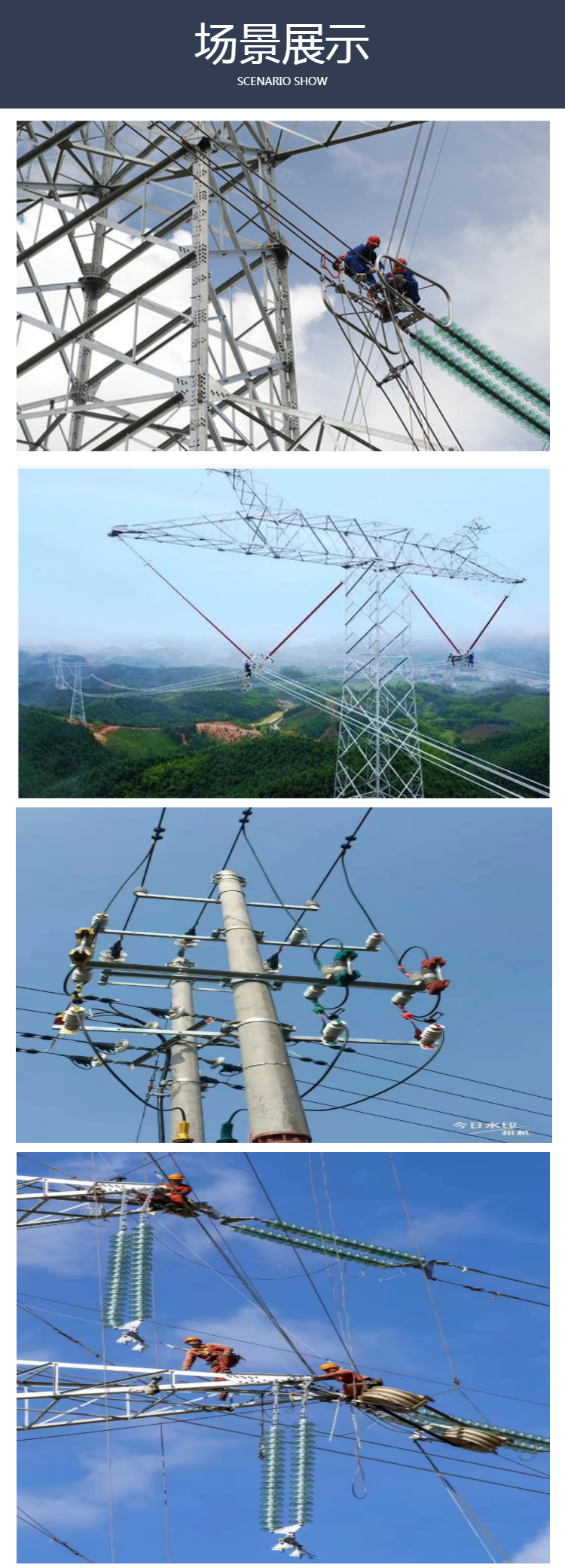
An overhead line is relative to a cable, which refers to a line in which wires are erected at a certain height by towers to transmit electrical energy. For the ground insulation of high-voltage transmission and distribution network overhead lines, it is generally done by the air before the distribution lines (10kV)
Except for 380V, bare wires are generally used for overhead power lines. However, due to the complex distribution environment in urban areas, short-circuit grounding and lightning strikes often occur, resulting in reduced power supply reliability. Therefore, currently, insulated wires (i.e. the outer layer of the wire is wrapped with insulation) are generally used for overhead power lines below 10kV, which is called insulated overhead lines.
Main characteristics of sales of overhead insulated wires
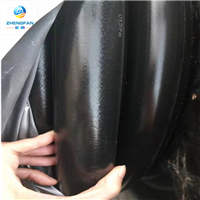
(1) Good insulation performance. Due to the additional insulation layer, overhead insulated conductors have superior insulation performance compared to bare conductors, which can reduce the distance between lines, lower the insulation requirements for supporting components, and increase the number of circuits installed on the same pole.
(2) Good anti-corrosion performance. Due to the insulation layer on the outer layer, overhead insulated wires are less susceptible to oxidation and corrosion than bare wires, and have stronger corrosion resistance, which can extend the service life of the line.
(3) Prevent external damage. Reduce the impact of external factors such as trees, floating metal film, and dust, and minimize phase to phase short circuits and grounding accidents.
(4) The strength meets the requirements. Although the insulated wire lacks a steel core, it is tough and enables the mechanical strength of the entire wire to meet the requirements of stress design.
National standard cross-linked polyethylene overhead line JKLGYJ10KV1 * 150/35 overhead insulated wire

Transportation precautions;
It is strictly prohibited to throw cables or cable reels containing cables from a height during transportation, especially at lower temperatures (usually around 5 ℃ or below). Throwing or dropping cables may cause insulation and sheath cracking. Try to avoid storing cables in an exposed manner outdoors as much as possible, and cable reels are not allowed to be laid flat. When lifting the packaging of the JKLYJ overhead line model, it is strictly prohibited to lift several reels at the same time. On vehicles, ships, and other transportation vehicles, cable reels should be secured using appropriate methods to prevent collisions or tipping over, in order to prevent mechanical damage to the cables. Cables must not come into contact with acids, alkalis, and mineral oils, and must be stored separately from these corrosive substances There shall be no harmful gases that damage insulation or corrode metals in the warehouse where cables are stored. During the storage period, the cable should be rolled regularly (once every 3 months in summer, and may be extended at discretion in other seasons). When rolling, roll the storage tray upside down to prevent the bottom from getting damp and rotting. When storing, it is important to regularly pay attention to whether the cable head is intact and undamaged.
AfterSalesService :
Key words:- Overhead insulated conductor
More Products