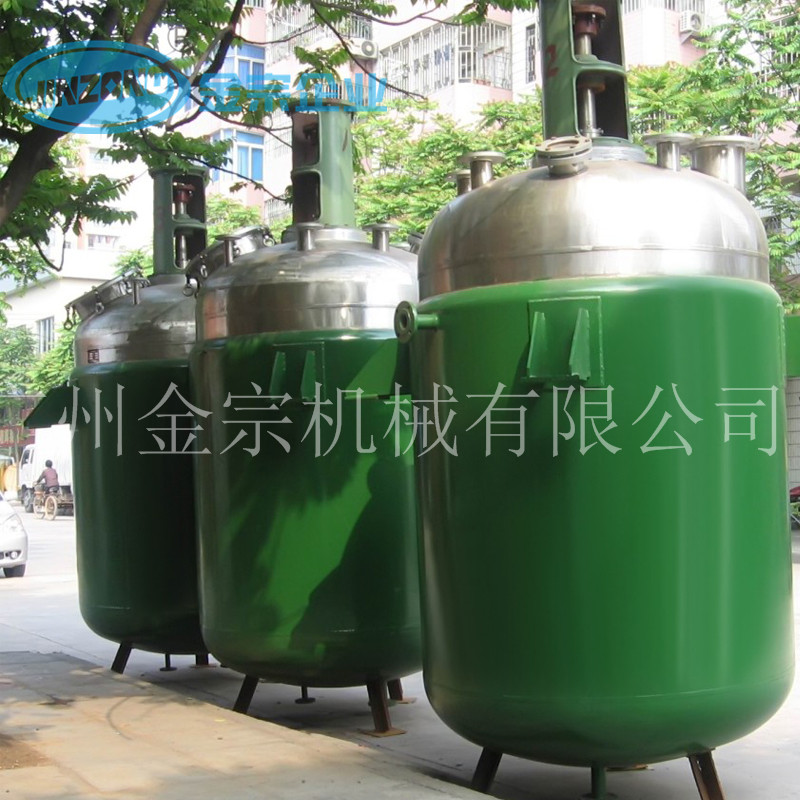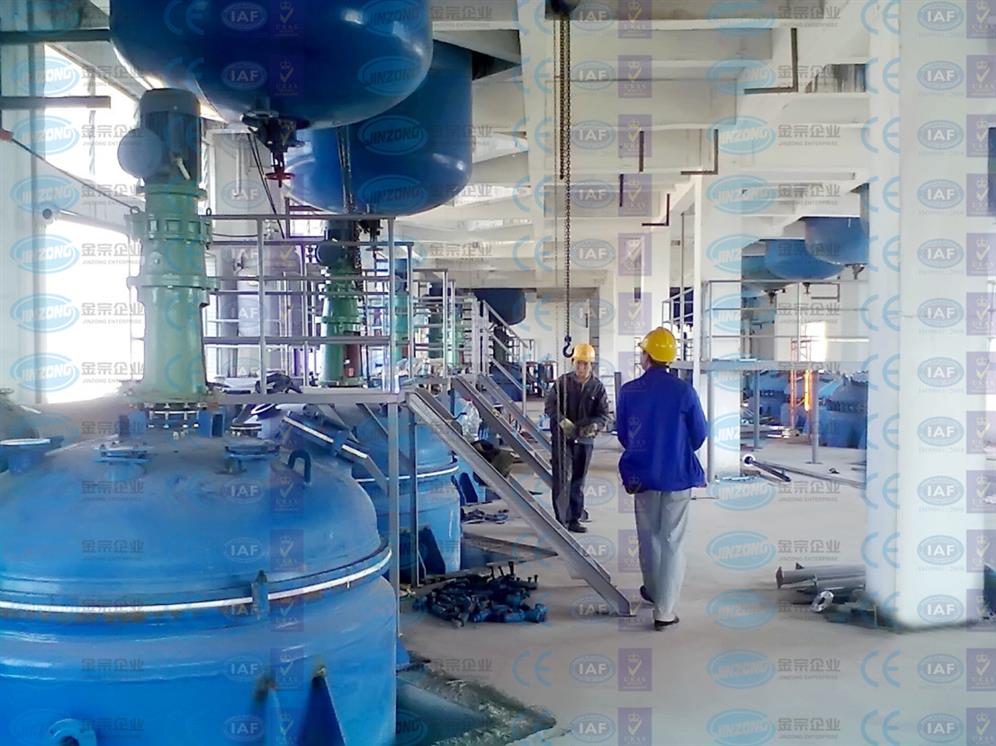



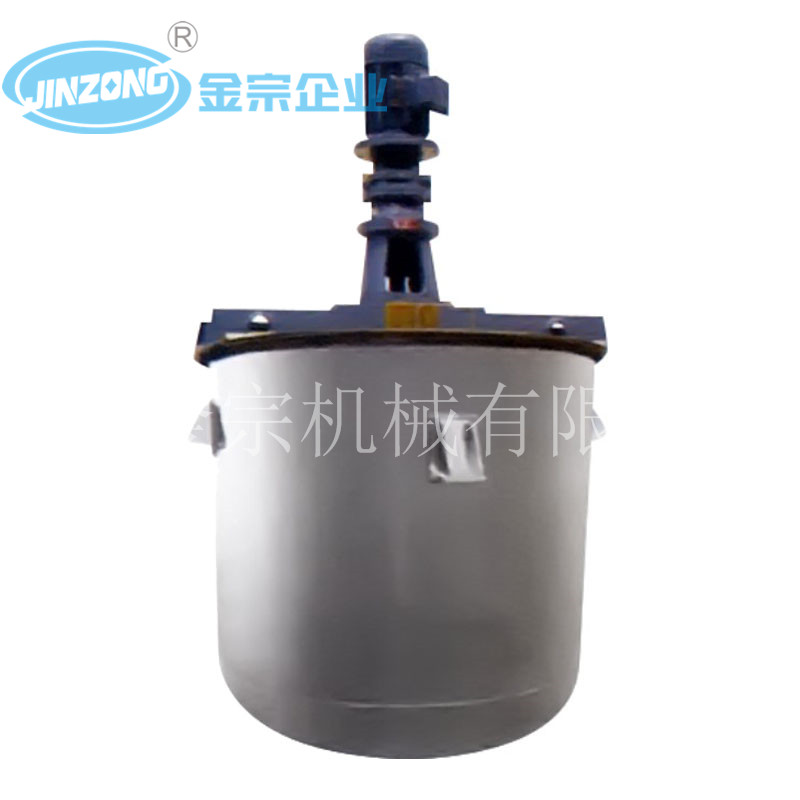
Chongqing reaction kettle PU kettle is widely used and durable
Category:
chemical industry/Reaction equipment/Reaction kettle
Model:
Brand:
Jinzong Machinery
Retail Price
Negotiable
重量
kg
- Product Description
-
Description :
The materials of reaction vessels generally include carbon manganese steel, stainless steel, zirconium, nickel based (Hastelloy, Monel) alloys, and other composite materials. The reaction vessel can be made of stainless steel materials such as SUS304 and SUS316L. Blenders come in anchor, frame, paddle, turbine, scraper, and combination types. The rotating mechanism can use cycloidal pinwheel reducers, continuously variable speed reducers, or variable frequency speed reducers to meet the special reaction requirements of various materials. The sealing device can adopt sealing structures such as mechanical seals and packing seals. Heating and cooling can be achieved through structures such as jackets, half tubes, coils, and Miller plates. Heating methods include steam, electric heating, and thermal oil to meet the process requirements of different working environments such as acid resistance, high temperature resistance, wear resistance, and corrosion resistance. And it can be designed and manufactured according to the user's process requirements.
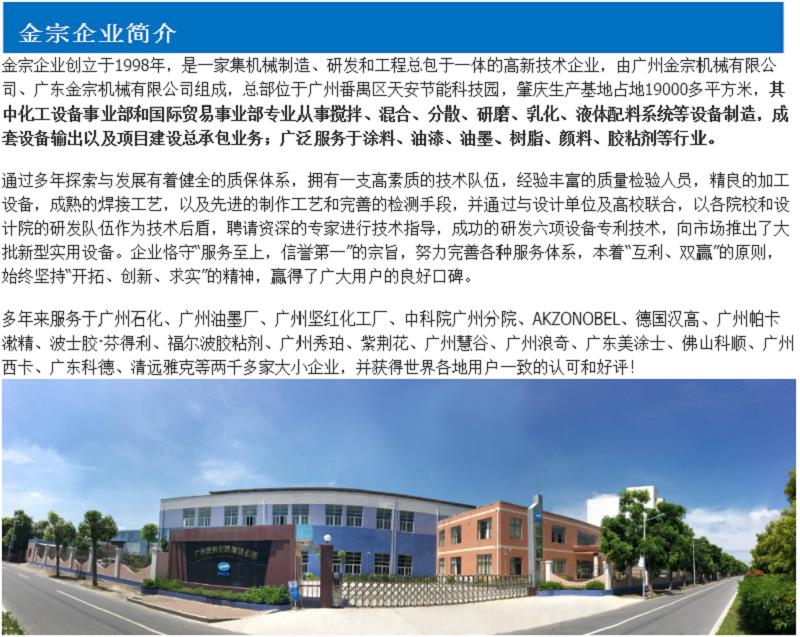
Application scope of stainless steel reaction kettle
Stainless steel reaction vessels are widely used as pressure vessels for processes such as reactions, evaporation, synthesis, polymerization, saponification, sulfonation, chlorination, nitration, etc. in chemical, food, coating, hot melt adhesive, silicone, paint, pharmaceutical, and petrochemical production, such as reactors, reaction vessels, decomposition pots, polymerization pots, etc. The reaction pot is mainly composed of four components: an inner tank body, a jacket, a stirring device, and a support seat (insulation structure can be used according to process requirements).
The inner tank body is made of stainless steel (SUS304, SUS316L or SUS321) and other materials according to the process requirements. The inner surface is mirror polished and can be cleaned online with CIP and sterilized with SIP, meeting the requirements of hygiene standards.
The jacket shall be made of stainless steel (SUS304) or carbon steel (Q235-B) according to the process requirements.
Suitable diameter to height ratio design, customized mixing device as needed; The mixing shaft seal adopts a pressure resistant sanitary mechanical seal device to maintain the working pressure inside the tank and prevent unnecessary pollution and material loss caused by material leakage inside the tank.
The support type shall be suspended ear type or floor standing leg type according to operational requirements.
Installation and operation specifications for reaction kettle
1. The high-pressure reactor should be placed indoors. When equipping multiple high-pressure reactors, they should be placed separately. Each operating room should have an exit directly leading to the outside or passage, and the equipment grounding point should be ensured to have good ventilation.
2. When installing the kettle cover, it is necessary to prevent the sealing surfaces between the kettle body and the kettle cover from colliding with each other. Carefully place the kettle lid in a fixed position on the kettle body, and when tightening the main nut, it must be tightened diagonally and symmetrically in multiple steps. Apply even force and do not allow the kettle lid to tilt to one side to achieve a good sealing effect.
3. At the joint of the positive and negative nuts, only the positive and negative nuts are allowed to be rotated, and the sealing surfaces of the two circular arcs must not be rotated relative to each other. When all nut pattern connections are assembled, lubricating oil should be applied.
4. The needle valve system is sealed with a thread. Simply rotate the valve needle gently and press the cover tightly to achieve a good sealing effect.
5. Rotate the rotating body on the kettle by hand to check if it operates flexibly.
6. The controller should be placed flat on the operating platform, with a working environment temperature of 10-40 ℃ and a relative humidity of less than 85%. The surrounding medium should not contain conductive dust or corrosive gases.
7. Check whether the movable parts and fixed contacts on the panel and back panel are normal, remove the cover, and check whether the connector contacts are loose, whether there is damage or rust caused by poor transportation and storage.
8. The controller should be reliably grounded.
9. Connect all wires, including power lines, electric furnace lines between the controller and the kettle, motor lines, temperature sensor and speedometer wires.
10. Close the "power" air main switch on the panel, and the digital display should show.
11. Set various parameters (such as upper limit alarm temperature, working temperature, etc.) on the digital display, then press the "heating" switch to turn on the electric furnace, and the indicator light on the "heating" switch will light up. Adjust the "pressure adjustment" knob to adjust the heating power of the electric furnace.
12. Press the "Mixing" switch to power on the mixing motor, and the indicator light on the "Mixing" switch will light up. Slowly turn the "Speed Control" knob to make the motor rotate slowly, observe whether the motor is rotating in the forward direction, and when there is no error, stop the machine, hang the belt, and restart.
13. After the operation is completed, it can be cooled naturally, cooled with water, or placed on a bracket for air cooling. After the temperature drops, release the pressurized gas inside the kettle to reduce the pressure to atmospheric pressure (the pressure gauge shows zero). Then, loosen the main nut symmetrically and evenly, remove the main nut, and carefully remove the kettle cover and place it on the bracket.
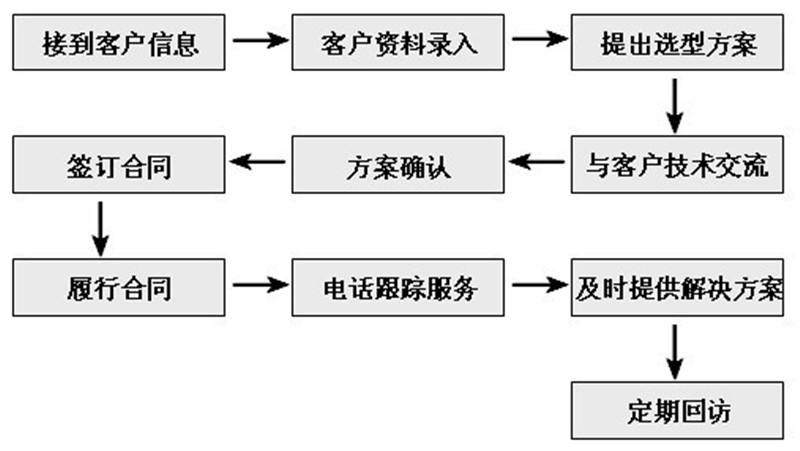
AfterSalesService :
Key words:- Chongqing Reactor