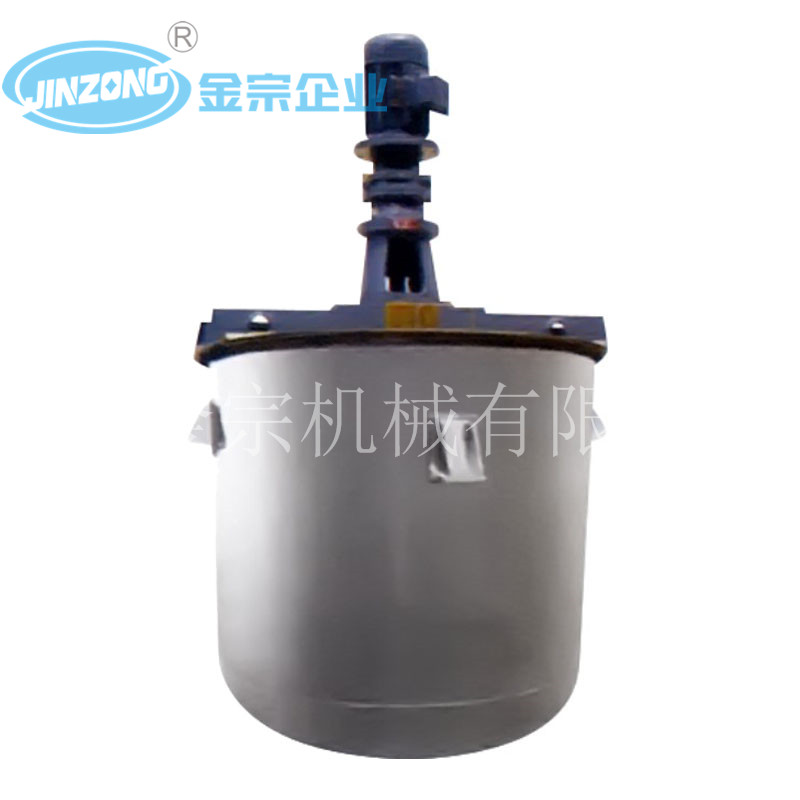



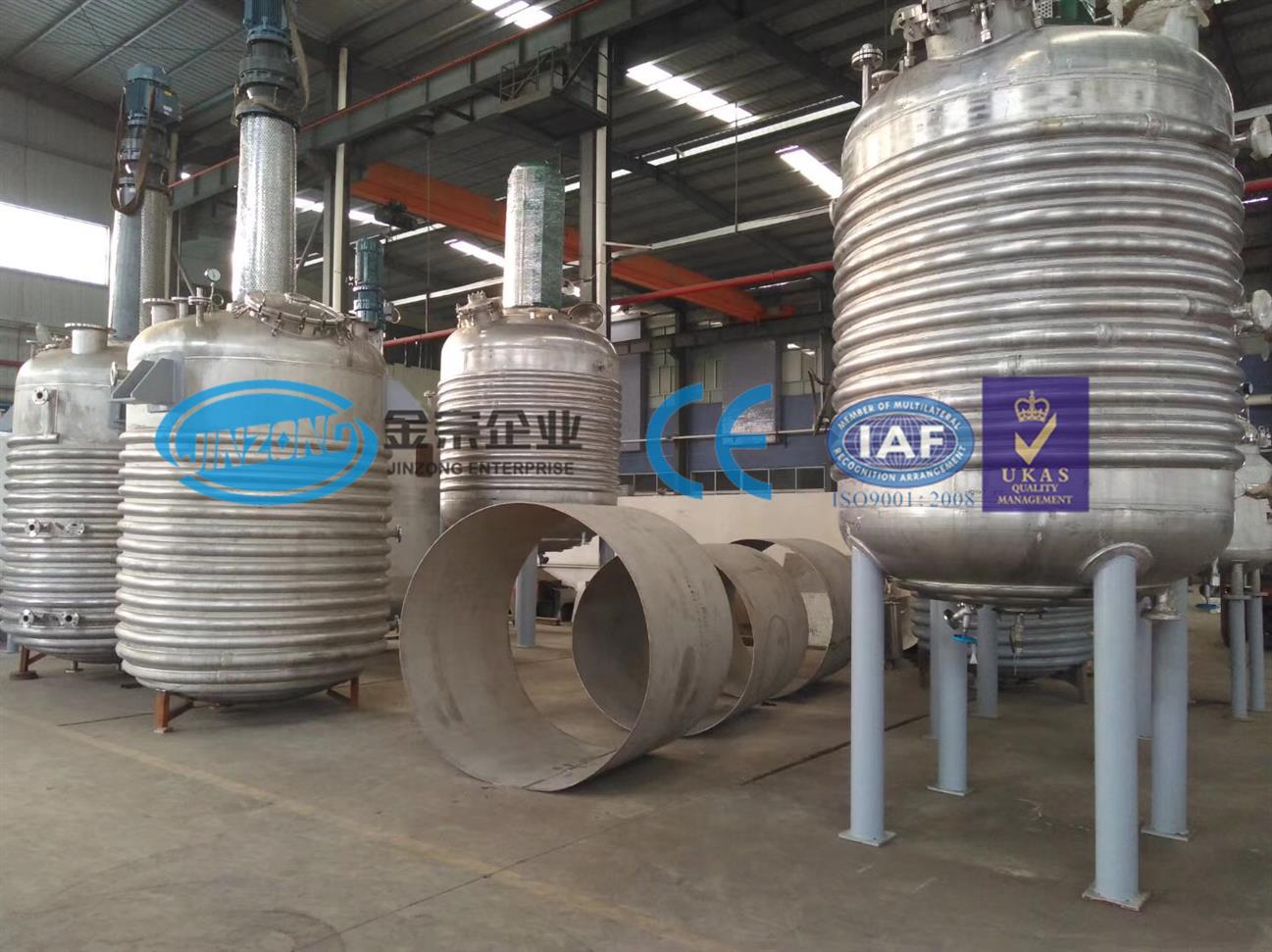
The PU reactor is easy to operate and maintain
Category:
chemical industry/Reaction equipment/Reaction kettle
Model:
Brand:
Jinzong Machinery
Retail Price
Negotiable
重量
kg
- Product Description
-
Description :
Application scope of stainless steel reaction kettle
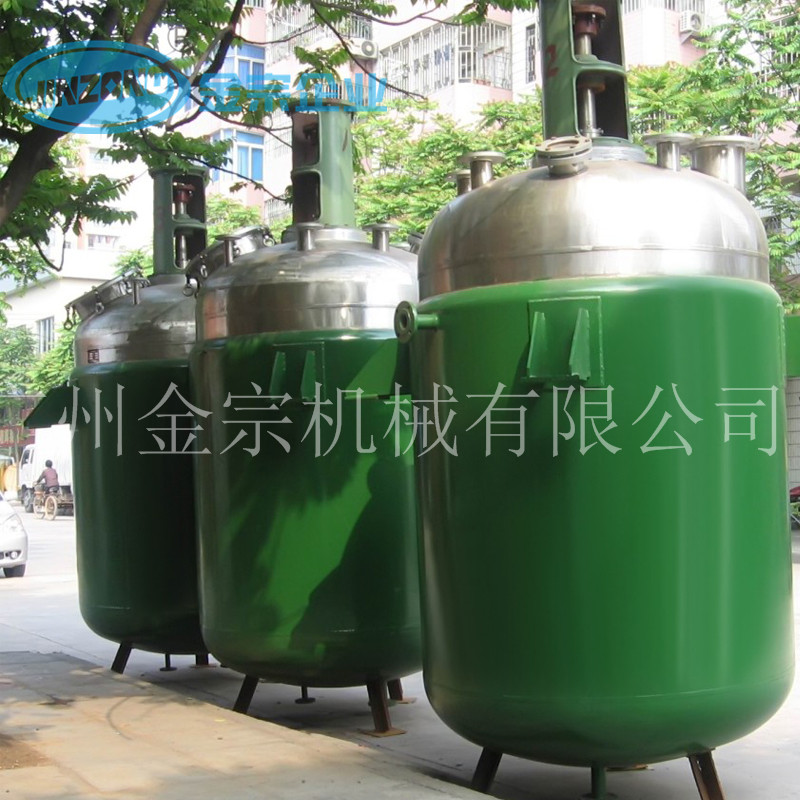
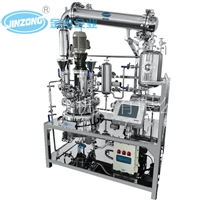
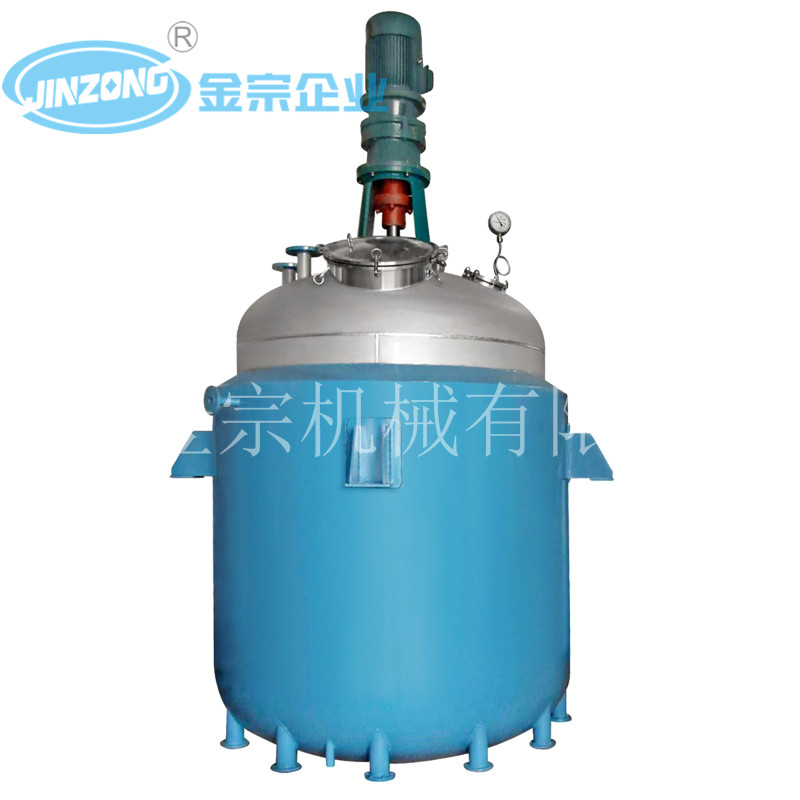
Stainless steel reaction vessels are widely used as pressure vessels for processes such as reactions, evaporation, synthesis, polymerization, saponification, sulfonation, chlorination, nitration, etc. in chemical, food, coating, hot melt adhesive, silicone, paint, pharmaceutical, and petrochemical production, such as reactors, reaction vessels, decomposition pots, polymerization pots, etc. The reaction pot is mainly composed of four components: an inner tank body, a jacket, a stirring device, and a support seat (insulation structure can be used according to process requirements).
The inner tank body is made of stainless steel (SUS304, SUS316L or SUS321) and other materials according to the process requirements. The inner surface is mirror polished and can be cleaned online with CIP and sterilized with SIP, meeting the requirements of hygiene standards.
The jacket shall be made of stainless steel (SUS304) or carbon steel (Q235-B) according to the process requirements.
Suitable diameter to height ratio design, customized mixing device as needed; The mixing shaft seal adopts a pressure resistant sanitary mechanical seal device to maintain the working pressure inside the tank and prevent unnecessary pollution and material loss caused by material leakage inside the tank.
The support type shall be suspended ear type or floor standing leg type according to operational requirements.
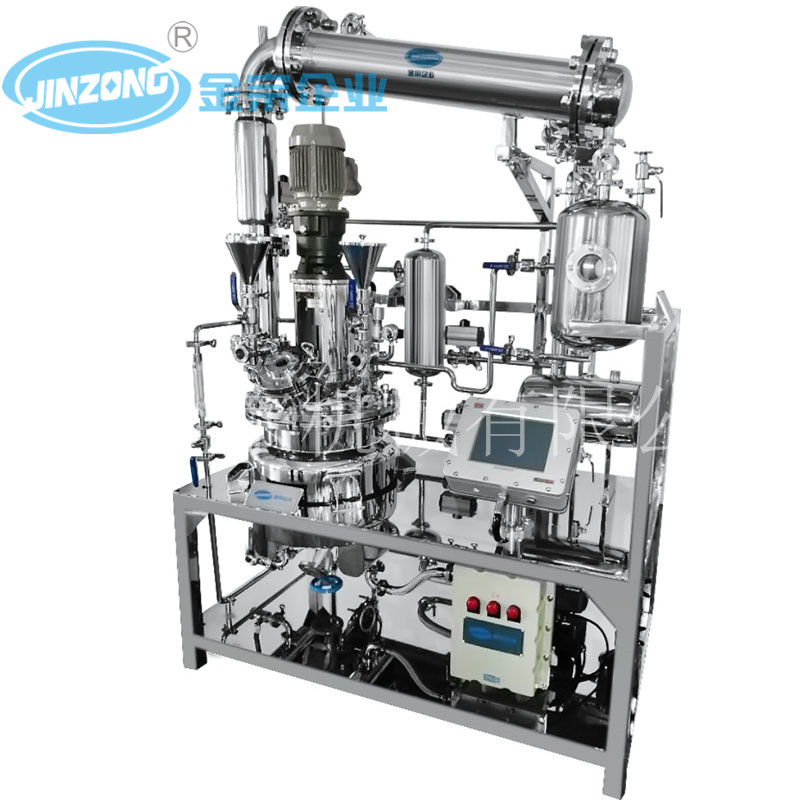
The broad understanding of a reaction kettle is a stainless steel container with physical or chemical reactions. The structural design and parameter configuration of the container are carried out according to different process conditions. The design conditions, process, inspection, manufacturing, and acceptance need to be based on relevant technical standards to achieve the heating, evaporation, cooling, and low-speed mixing reaction functions required by the process. Pressure vessels must comply with the GB150 {Steel Pressure Vessels} standard, and atmospheric pressure vessels must comply with the NB/T47003.1-2009 {Steel Welded Atmospheric Pressure Vessels} standard. The pressure requirements during the reaction process also vary in terms of the design requirements for the container. Production must strictly follow the corresponding standards for processing, testing, and trial operation. Stainless steel reaction vessels vary according to different production processes, operating conditions, etc. The design structure and parameters of reaction vessels are different, that is, the structural style of reaction vessels is different, and they belong to non-standard container equipment.
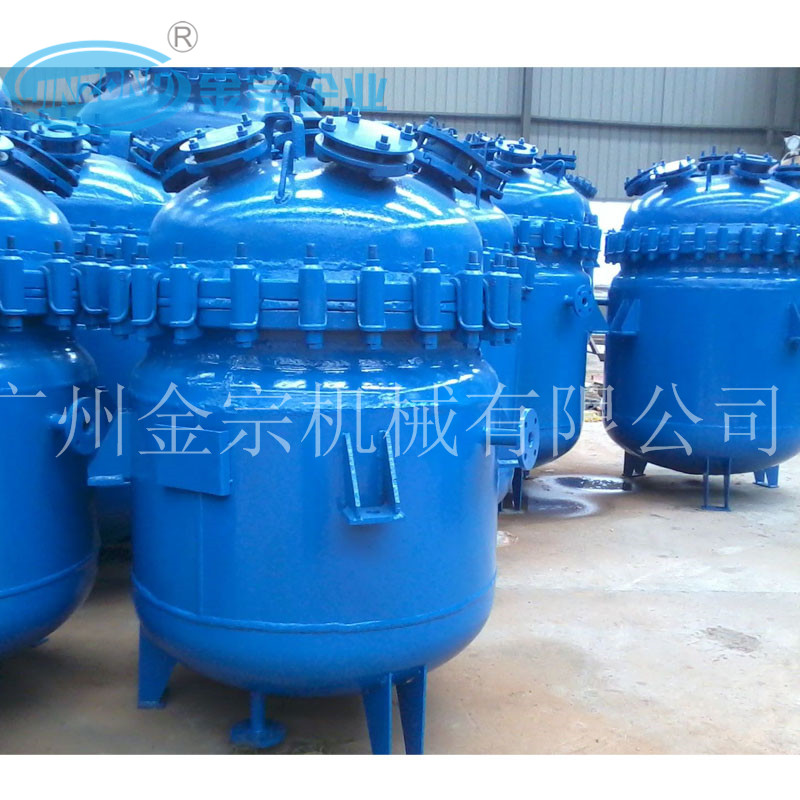
Regular attention should be paid to the working condition of the entire equipment and reducer when maintaining the stainless steel reactor. If the reducer lubricating oil is insufficient, it should be replenished immediately. The electric heating medium oil should be replaced every six months. Safety valves, pressure gauges, distillation holes, electric heating rods, electrical instruments, and other parts such as the jacket and pot cover should be regularly inspected. If there is a malfunction, they should be replaced or repaired immediately. When the equipment is not in use, it is necessary to thoroughly clean the inner and outer walls of the container with warm water, regularly scrub the pot body, keep the exterior clean and the inner pot bright, and achieve durability.
AfterSalesService :
Key words:- Reaction kettle