

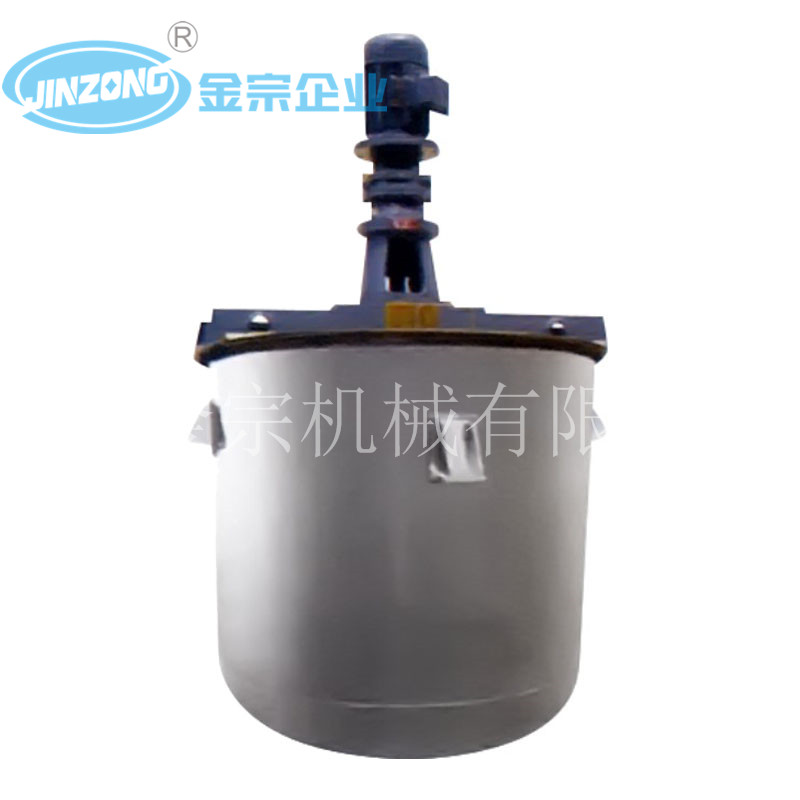
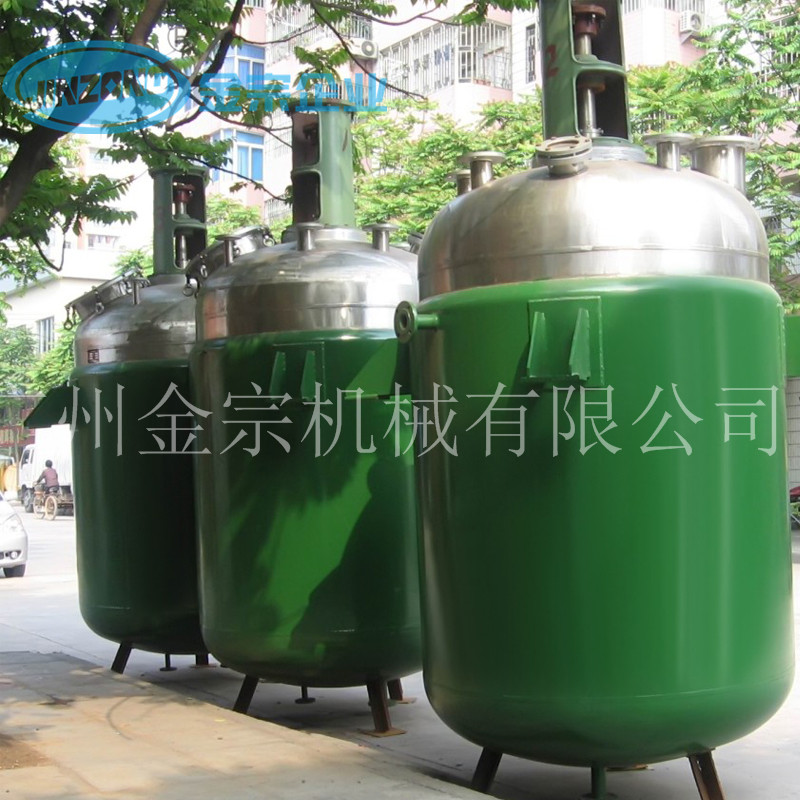
The Yangjiang reaction kettle PU kettle is easy to operate and maintain
Category:
chemical industry/Reaction equipment/Reaction kettle
Model:
Brand:
Jinzong Machinery
Retail Price
Negotiable
重量
kg
- Product Description
-
Description :
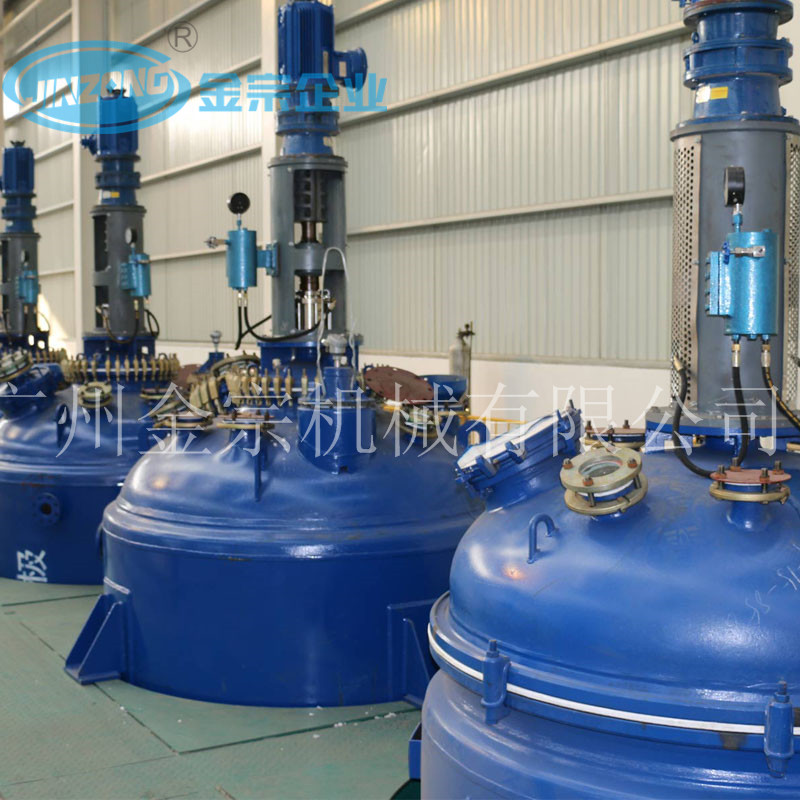
Reaction vessels are widely used in petroleum, chemical, rubber, pesticide, dye, medicine, food, and are pressure vessels used to complete processes such as vulcanization, nitration, hydrogenation, alkylation, polymerization, and condensation, such as reactors, reaction pots, decomposition pots, polymerization pots, etc; Materials generally include carbon manganese steel, stainless steel, zirconium, nickel based (Hastelloy, Monel, Inconel) alloys, and other composite materials.
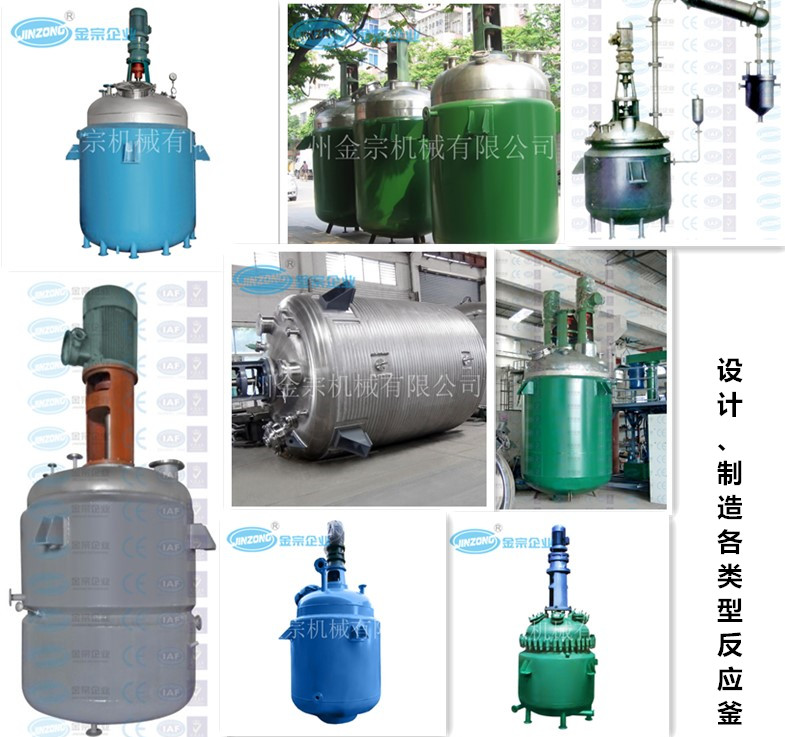
The broad understanding of a reaction kettle is a stainless steel container with physical or chemical reactions. The structural design and parameter configuration of the container are carried out according to different process conditions. The design conditions, process, inspection, manufacturing, and acceptance need to be based on relevant technical standards to achieve the heating, evaporation, cooling, and low-speed mixing reaction functions required by the process. Pressure vessels must comply with the GB150 {Steel Pressure Vessels} standard, and atmospheric pressure vessels must comply with the NB/T47003.1-2009 {Steel Welded Atmospheric Pressure Vessels} standard. The pressure requirements during the reaction process also vary in terms of the design requirements for the container. Production must strictly follow the corresponding standards for processing, testing, and trial operation. Stainless steel reaction vessels vary according to different production processes, operating conditions, etc. The design structure and parameters of reaction vessels are different, that is, the structural style of reaction vessels is different, and they belong to non-standard container equipment.
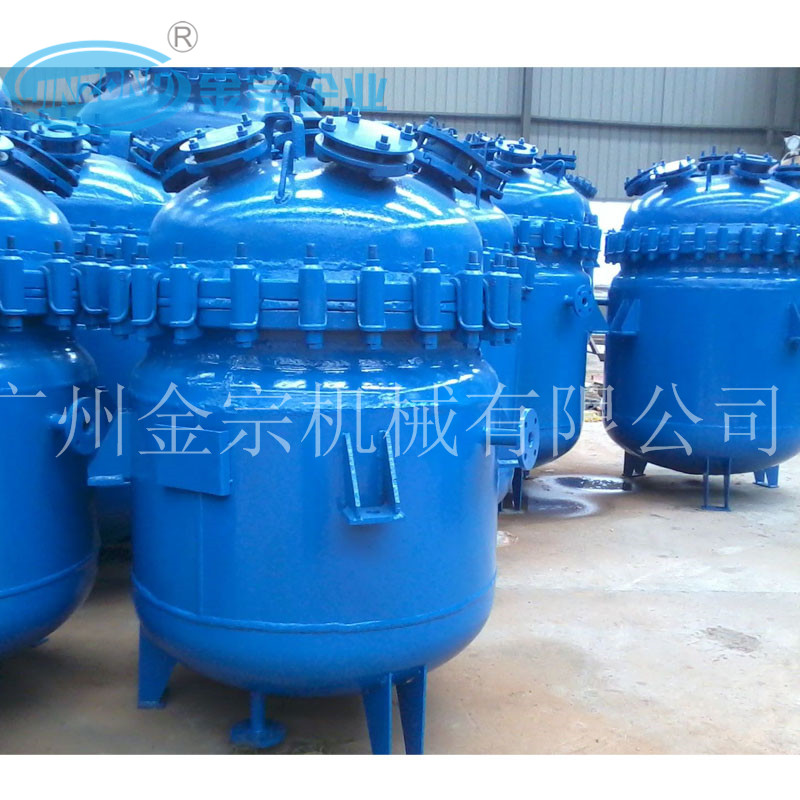
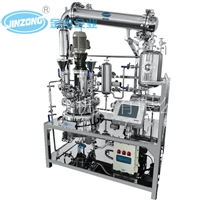
The construction principle and characteristics of a reaction kettle: The reaction kettle consists of a pot body, a pot cover, a stirrer, a jacket, a support and transmission device, a shaft seal device, etc. The material and opening can be customized according to the user's process requirements. Heating methods include electric heating, oil heating, gas heating, water heating (or cooling), open flame heating, etc. The jacket forms are divided into jacket type and outer half tube type, and the jacket oil heating type is equipped with a flow guide device. The mixing forms generally include paddle type, anchor type, frame type, screw type, scraping wall type, etc. The high-speed category includes dispersed impeller, turbine, high shear, and thruster types, for customers to choose according to the process. The transmission forms include ordinary motors, explosion-proof motors, electromagnetic speed regulating motors, frequency converters, etc. The reducers include cycloidal pinwheel, worm gear, and planetary infinitely variable speed. The shaft seal includes ordinary water-cooled packing seal, combined PTFE packing seal, and mechanical seal. The discharge forms include ball valves and downward expansion valves.
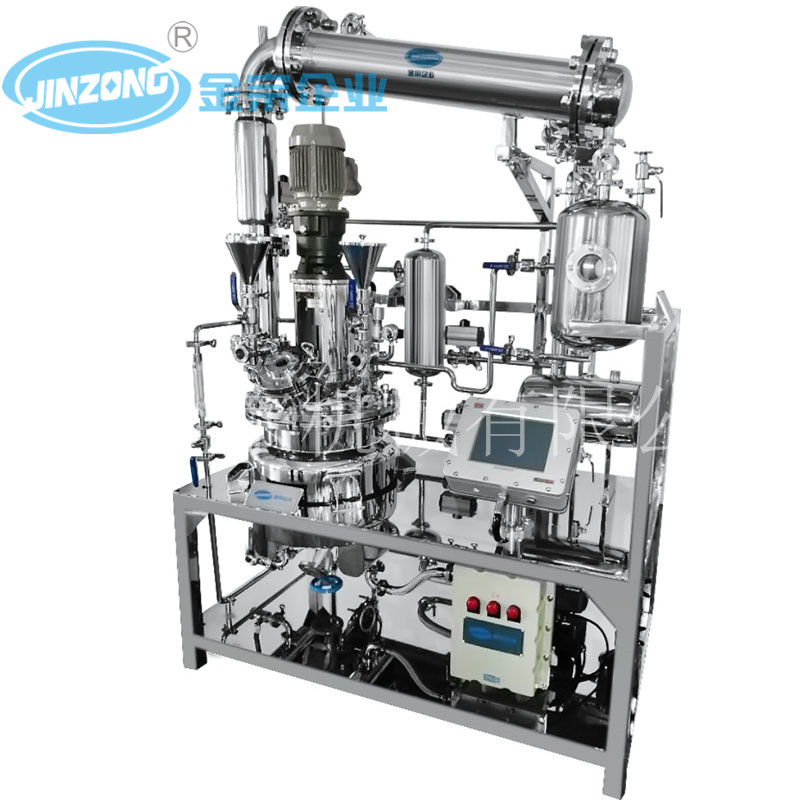
When using a stainless steel reactor, the refrigerant inlet valve must be closed, the remaining refrigerant in the pot and jacket must be drained, and then the material must be input. The mixer should be started, and then the steam valve and electric power supply should be turned on. After reaching the desired temperature, the steam valve and electric power supply should be turned off first. After 2-3 minutes, the mixer should be turned off. After processing is completed, the remaining condensed water in the pot and jacket should be drained, and the sticky material should be washed away as soon as possible with warm water. Then, the inner wall of the container should be thoroughly cleaned with 40 ℃ -50 ℃ alkaline water, and rinsed with clean water. Especially when there is no material (heat absorbing medium) in the stainless steel reactor pot, the steam valve and electric power supply should not be turned on. Pay special attention to the use of steam pressure. Do not exceed the rated work pressure.
AfterSalesService :
Key words:- Yangjiang Reactor