

Shantou Reactor Resin Production Equipment React Quickly and Stir Uniformly
Category:
chemical industry/Reaction equipment/Reaction kettle
Model:
JZ-100/50000
Brand:
Jinzong Machinery
Retail Price
20,000.00USD
重量
kg
- Product Description
-
Description :
When using a stainless steel reactor, the refrigerant inlet valve must be closed, the remaining refrigerant in the pot and jacket must be drained, and then the material must be input. The mixer should be started, and then the steam valve and electric power supply should be turned on. After reaching the desired temperature, the steam valve and electric power supply should be turned off first. After 2-3 minutes, the mixer should be turned off. After processing is completed, the remaining condensed water in the pot and jacket should be drained, and the sticky material should be washed away as soon as possible with warm water. Then, the inner wall of the container should be thoroughly cleaned with 40 ℃ -50 ℃ alkaline water, and rinsed with clean water. Especially when there is no material (heat absorbing medium) in the stainless steel reactor pot, the steam valve and electric power supply should not be turned on. Pay special attention to the use of steam pressure. Do not exceed the rated work pressure.
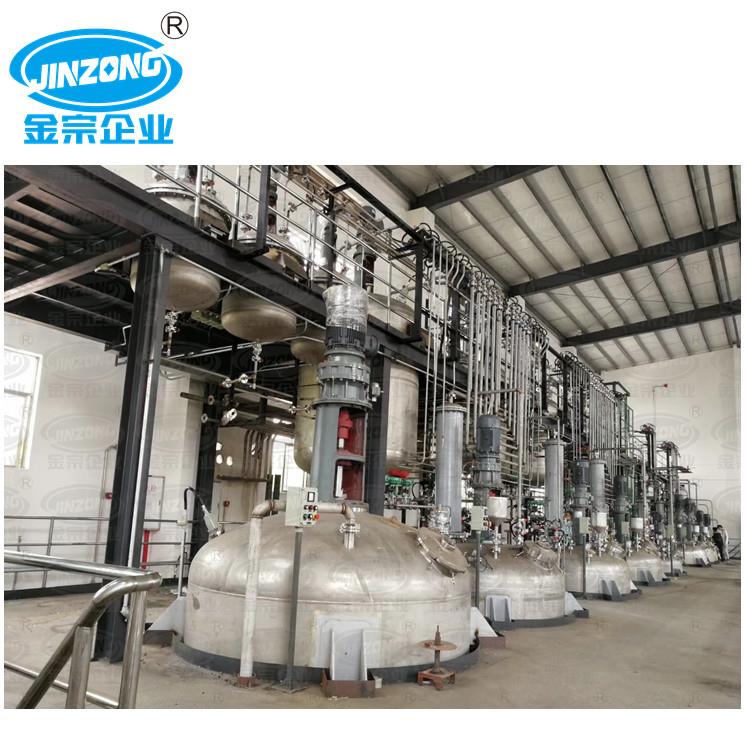
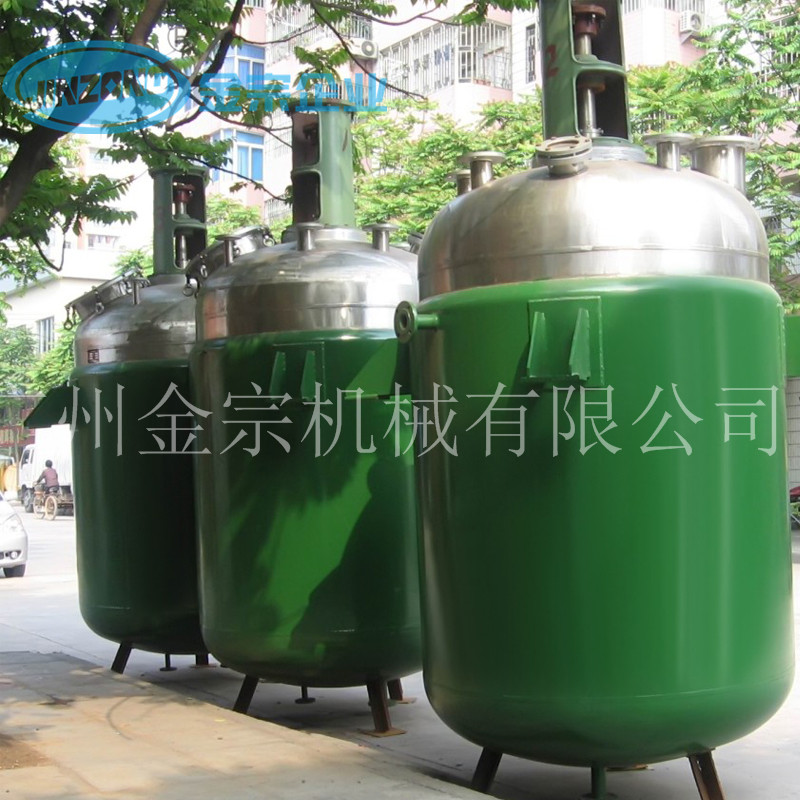
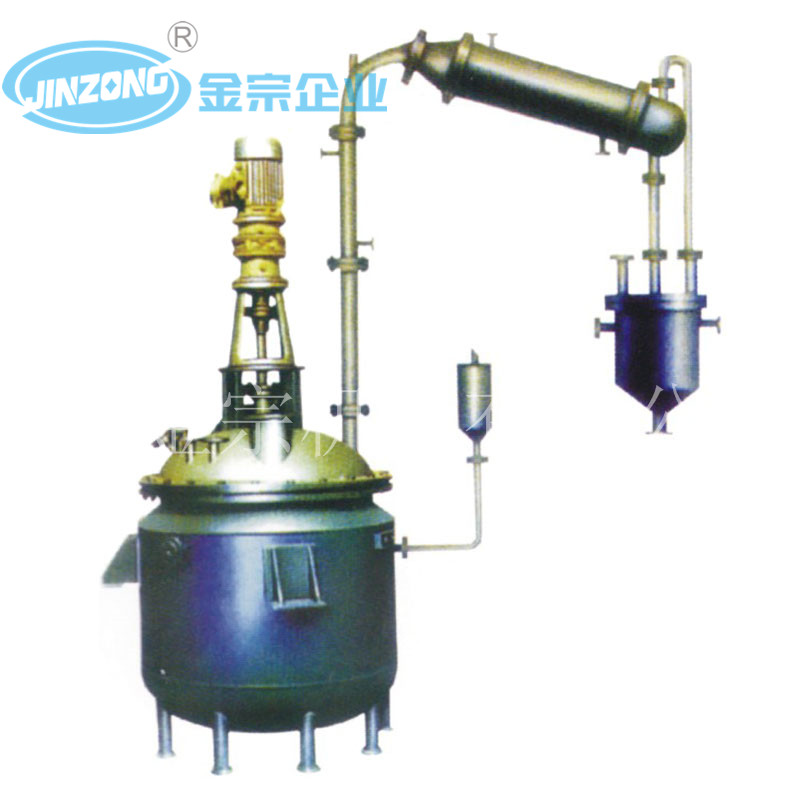
The reaction kettle consists of a kettle body, kettle cover, jacket, stirrer, transmission device, shaft seal device, support, etc. When the aspect ratio of the mixing device is large, multiple layers of mixing blades can be used, and it can also be selected according to the user's requirements. A jacket is installed outside the kettle wall, or a heat exchange surface is installed inside the reactor, or heat exchange can be achieved through external circulation. The support seat can be of the support type or ear type. Gear reducers should be used when the speed exceeds 160 revolutions per minute The number of openings, specifications, or other requirements can be designed and manufactured according to user requirements.
1. Packing sealing is usually used under normal or low pressure conditions, with a pressure of less than 2 kilograms.
2. In general, mechanical seals are used for medium pressure or vacuum situations, with a pressure of negative pressure or 4 kilograms.
3. Magnetic sealing will be used under high pressure or high volatility of the medium, usually when the pressure exceeds 14 kilograms. Except for magnetic seals that use water cooling, other sealing forms will increase the cooling water jacket when the temperature exceeds 120 degrees.
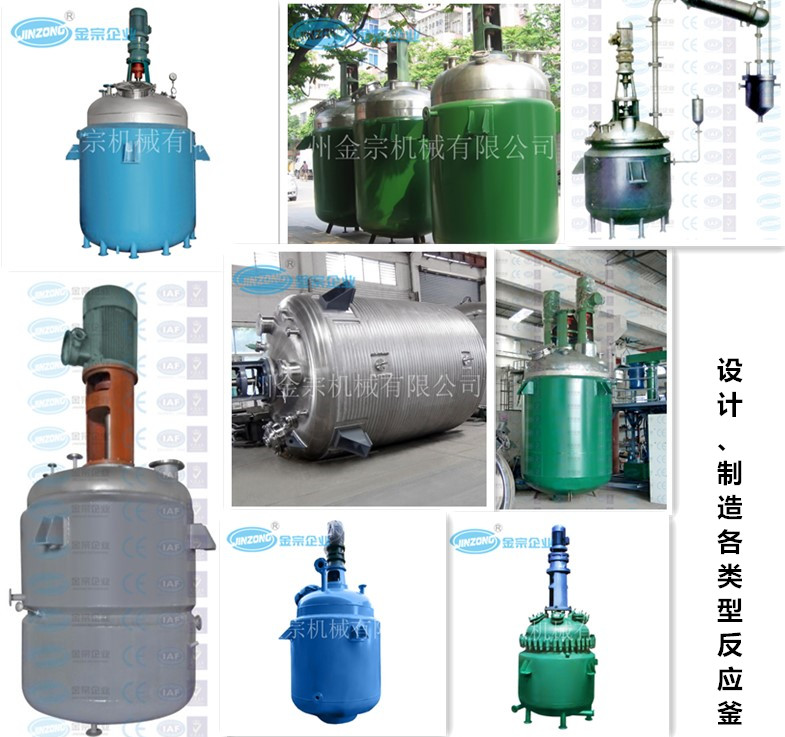
The broad understanding of a reaction kettle is a stainless steel container with physical or chemical reactions. The structural design and parameter configuration of the container are carried out according to different process conditions. The design conditions, process, inspection, manufacturing, and acceptance need to be based on relevant technical standards to achieve the heating, evaporation, cooling, and low-speed mixing reaction functions required by the process. Pressure vessels must comply with the GB150 {Steel Pressure Vessels} standard, and atmospheric pressure vessels must comply with the NB/T47003.1-2009 {Steel Welded Atmospheric Pressure Vessels} standard. The pressure requirements during the reaction process also vary in terms of the design requirements for the container. Production must strictly follow the corresponding standards for processing, testing, and trial operation. Stainless steel reaction vessels vary according to different production processes, operating conditions, etc. The design structure and parameters of reaction vessels are different, that is, the structural style of reaction vessels is different, and they belong to non-standard container equipment.
The materials of reaction vessels generally include carbon manganese steel, stainless steel, zirconium, nickel based (Hastelloy, Monel) alloys, and other composite materials. The reaction vessel can be made of stainless steel materials such as SUS304 and SUS316L. Blenders come in anchor, frame, paddle, turbine, scraper, and combination types. The rotating mechanism can use cycloidal pinwheel reducers, continuously variable speed reducers, or variable frequency speed reducers to meet the special reaction requirements of various materials. The sealing device can adopt sealing structures such as mechanical seals and packing seals. Heating and cooling can be achieved through structures such as jackets, half tubes, coils, and Miller plates. Heating methods include steam, electric heating, and thermal oil to meet the process requirements of different working environments such as acid resistance, high temperature resistance, wear resistance, and corrosion resistance. And it can be designed and manufactured according to the user's process requirements.





AfterSalesService :
Key words:- Shantou Reactor