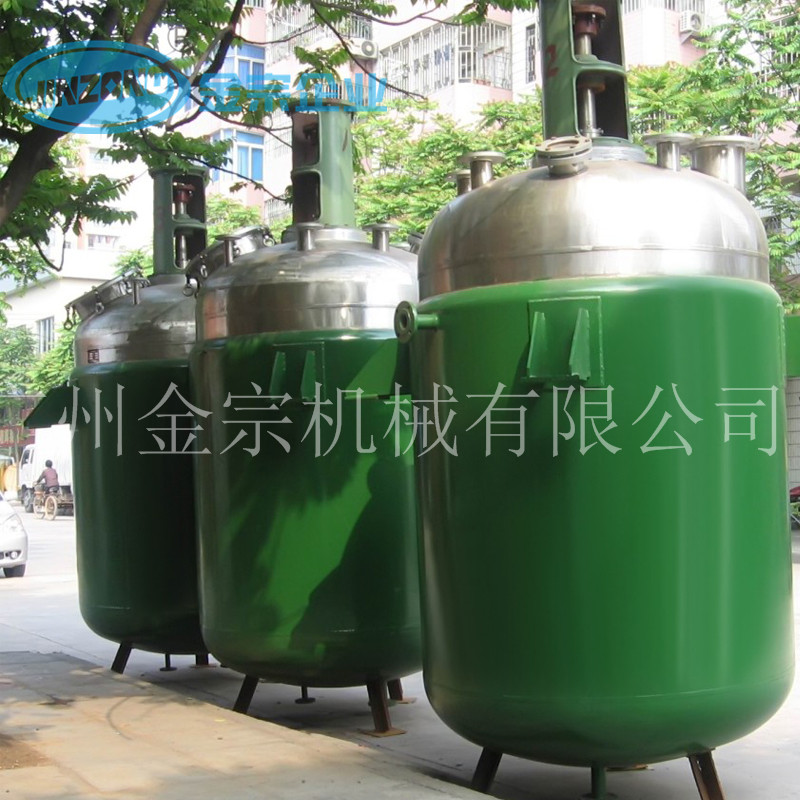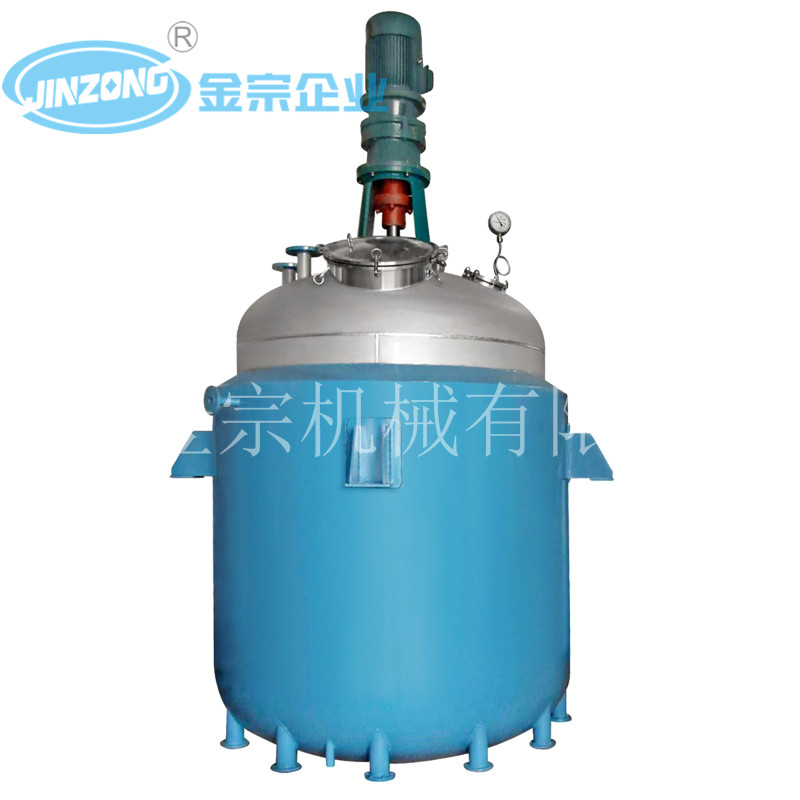


High pressure reactor resin production equipment is widely used and durable
Category:
chemical industry/Reaction equipment/Reaction kettle
Model:
JZ-100/50000
Brand:
Jinzong Machinery
Retail Price
20,000.00USD
重量
kg
- Product Description
-
Description :
Regular attention should be paid to the working condition of the entire equipment and reducer when maintaining the stainless steel reactor. If the reducer lubricating oil is insufficient, it should be replenished immediately. The electric heating medium oil should be replaced every six months. Safety valves, pressure gauges, distillation holes, electric heating rods, electrical instruments, and other parts such as the jacket and pot cover should be regularly inspected. If there is a malfunction, they should be replaced or repaired immediately. When the equipment is not in use, it is necessary to thoroughly clean the inner and outer walls of the container with warm water, regularly scrub the pot body, keep the exterior clean and the inner pot bright, and achieve durability.
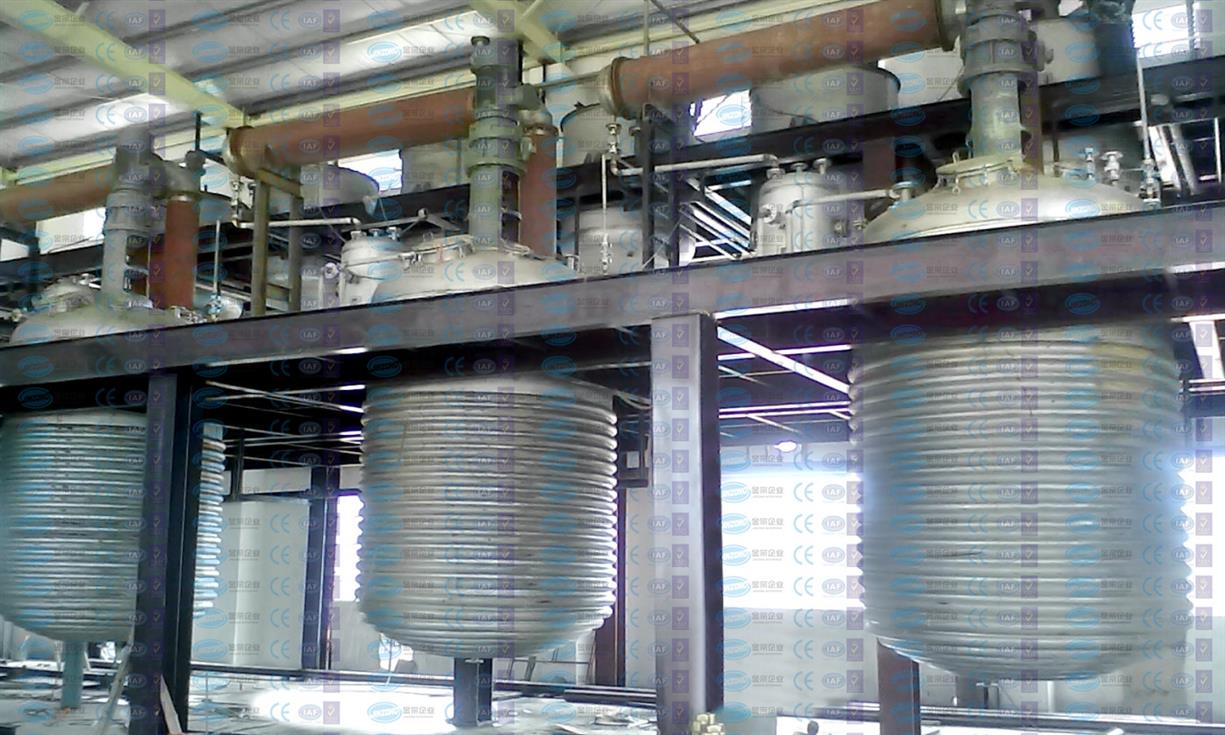
Operating procedures for stainless steel reaction kettle:
Before starting the stainless steel reactor
1. Check whether the kettle, mixer, rotating parts, auxiliary equipment, indicating instruments, safety valves, pipelines and valves meet safety requirements.
2. Check if water, electricity, and gas meet safety requirements.
Stainless steel reactor is in operation
1. Before adding materials, the mixer of the reaction kettle should be turned on first. When there is no noise and it is normal, the materials should be added to the reaction kettle, and the amount of materials added should not exceed the process requirements.
2. Before opening the steam valve, first open the return valve, and then open the intake valve. The steam valve should be opened slowly to preheat the jacket and gradually increase the pressure. The pressure inside the jacket should not exceed the specified value.
3. The steam valve and cooling valve cannot be started simultaneously, and hammering and collision are not allowed when the steam pipeline is out of air.
4. When opening the cooling water valve, first open the return valve, and then open the inlet valve. The cooling water pressure shall not be lower than 0.1 megapascals, nor shall it be higher than 0.2 megapascals.
5. The water ring vacuum pump should be started before supplying water. When stopping the pump, the pump should be stopped first and then the water should be stopped, and the accumulated water in the pump should be drained.
6. Check the operation of the reaction kettle at any time and stop for maintenance if any abnormalities are found.
7. When cleaning the titanium epoxy (enamel) reaction vessel, do not use alkaline water to brush the reaction vessel, and be careful not to damage the enamel.
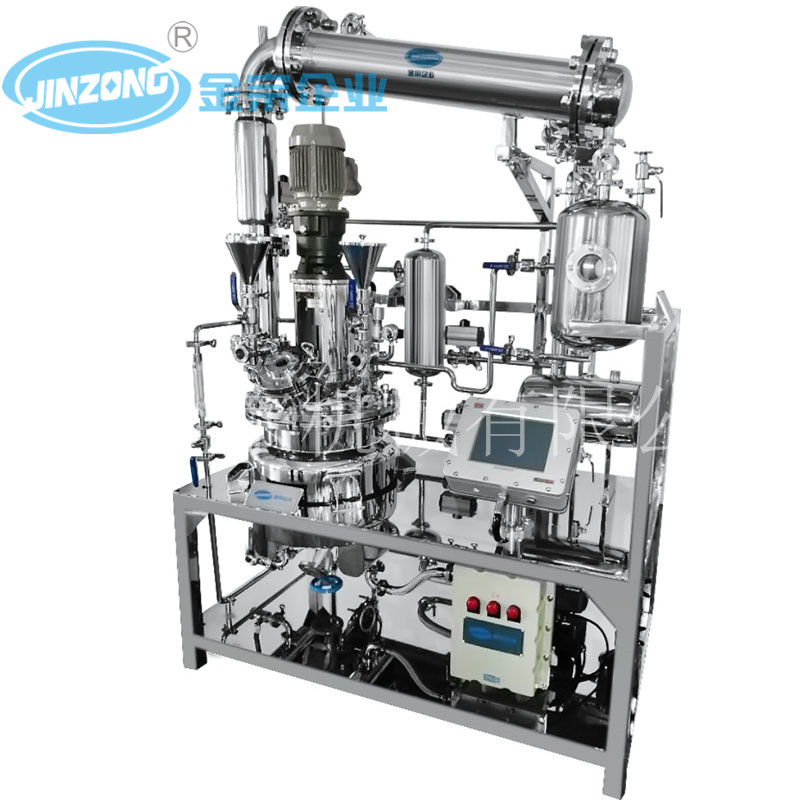
Maintenance of reaction kettle
(1) Installation location: The reaction vessel should be installed in a high-pressure operating room that meets explosion-proof requirements. When multiple reaction vessels are equipped, they should be placed separately, and a safe explosion-proof wall should be used to separate each two vessels. Each operating room should have a passage and outlet to the outside, and good ventilation should be ensured when explosive media is present.
(2) After opening the packaging, check for any damage to the equipment. Install the equipment according to the structural diagram based on the equipment model, and verify the components provided according to the packing list. If the heating method is thermal oil electric heating, please purchase the corresponding model of thermal oil according to the operating temperature (note: thermal oil does not allow moisture) and add it. When adding, open the oil filling port on the upper part of the jacket and the oil level port on the upper part of the jacket. Add oil through the filling port until the oil level flows out; Twist the oil level port tightly afterwards, do not twist the oil filling port tightly to avoid pressure.
(3) Installation and sealing of kettle body and kettle cover: The kettle body and kettle cover are in line contact with the circular arc surface using gaskets or conical surfaces, and are tightly pressed against each other by tightening the main nut to achieve a good sealing effect. When tightening the nut, it must be diagonally symmetrical and gradually tightened multiple times with even force. It is not allowed for the kettle cover to tilt to one side to achieve a good sealing effect. When tightening the main nut, do not exceed the specified tightening torque range of 40-120N. M to prevent the sealing surface from being crushed or overloaded for wear. Special care should be taken for the sealing surface. Before each installation, use a soft paper or cloth to wipe the upper and lower sealing surfaces clean, and be careful not to touch the sealing surfaces of the kettle body and lid. If operated reasonably, it can be used more than tens of thousands of times. After the sealing surface is damaged, it needs to be reprocessed and repaired to achieve good sealing performance. When disassembling the kettle cover, it should be slowly lifted up and down to prevent the sealing surfaces between the kettle body and the kettle cover from colliding with each other. If gaskets (PTFE, aluminum, copper, asbestos, etc.) are used for sealing, a good sealing effect can be achieved by tightening the main nut.
(4) The installation of valves, pressure gauges, and safety valves achieves a sealing effect by tightening the positive and negative nuts. The circular sealing surfaces at both ends of the connection must not rotate relative to each other. When assembling all screw connections, lubricant or graphite mixed with oil must be applied to prevent them from biting. The use of valves: Needle valves are line sealed, and good sealing performance can be achieved by gently rotating the valve needle and compressing the sealing surface. Excessive force is prohibited to avoid damaging the sealing surface.
(5) After the equipment is installed, introduce a certain amount of nitrogen and maintain pressure for 30 minutes to check for any leaks. If any leaks are found, use soap foam to locate the leakage points in the pipelines and pipe openings. After finding them, release the gas and tighten them. Then, conduct a nitrogen pressure test again to ensure that there are no leaks before starting normal operation.
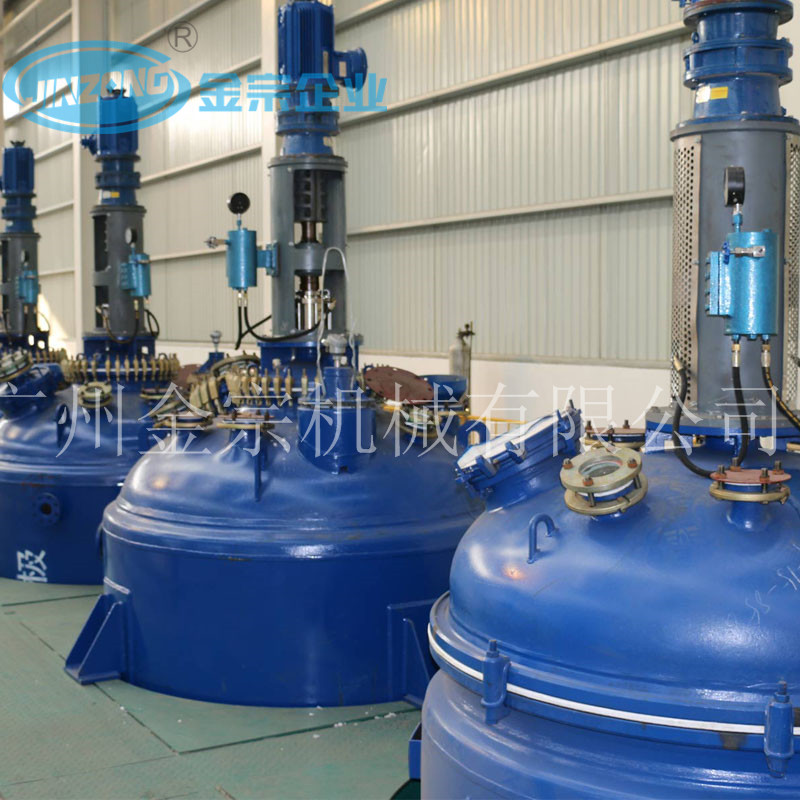
The heat transfer jacket of the reactor is generally made of ordinary carbon steel. It is a container that is placed outside the reactor cylinder to form a sealed space, which is simple and convenient. The jacket is equipped with inlet and outlet ports for steam, cooling water or other heating and cooling media.





AfterSalesService :
Key words:- high-pressure reactor