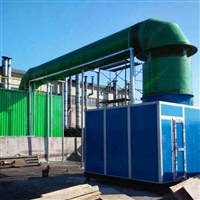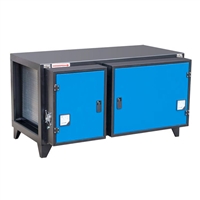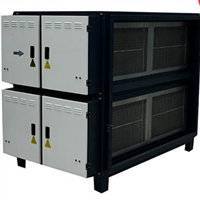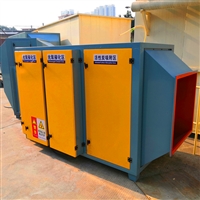
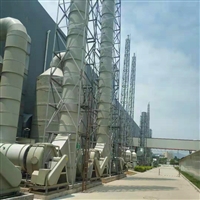
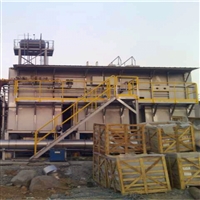
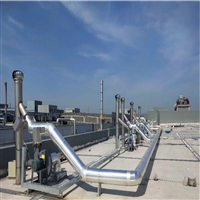
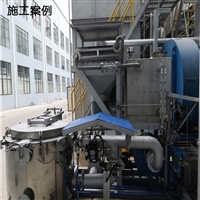
VOCs waste gas treatment and cleaning Xiamen catalytic combustion
Category:
mechanical equipment/Air purification equipment/Complete set of waste gas treatment equipment
Model:
CHRS
Brand:
Hengtai Environmental Protection
Retail Price
10,260.00USD
重量
kg
- Product Description
-
Description :
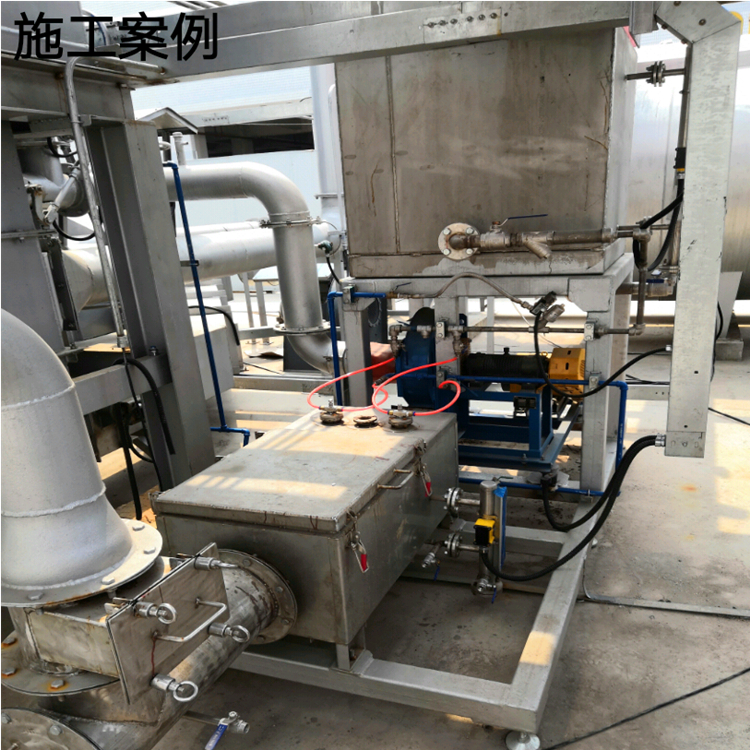
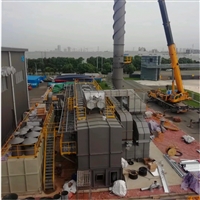
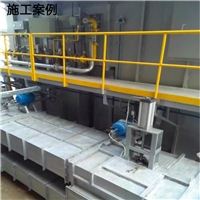
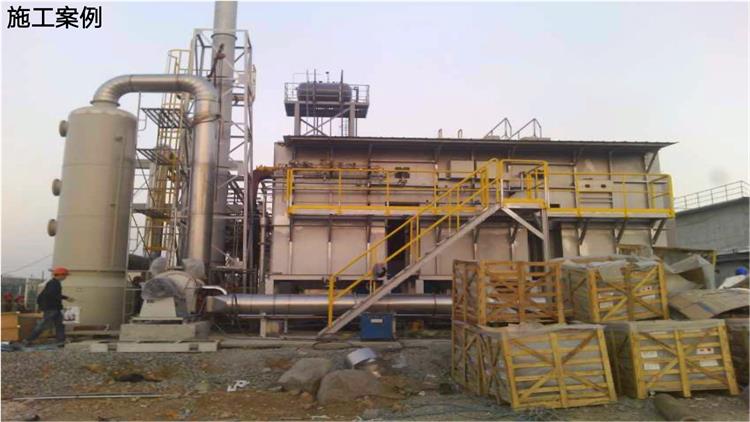
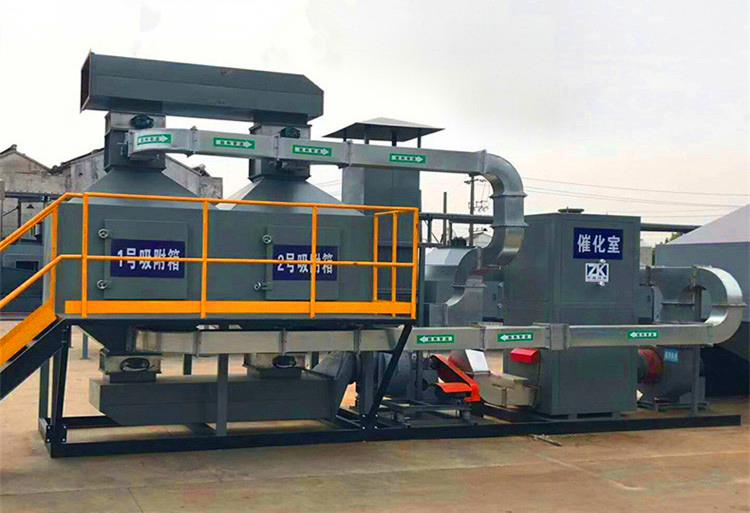
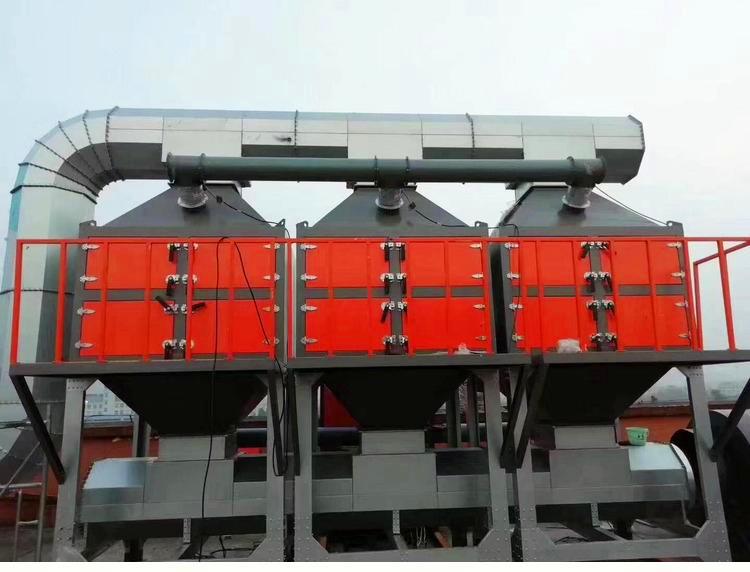
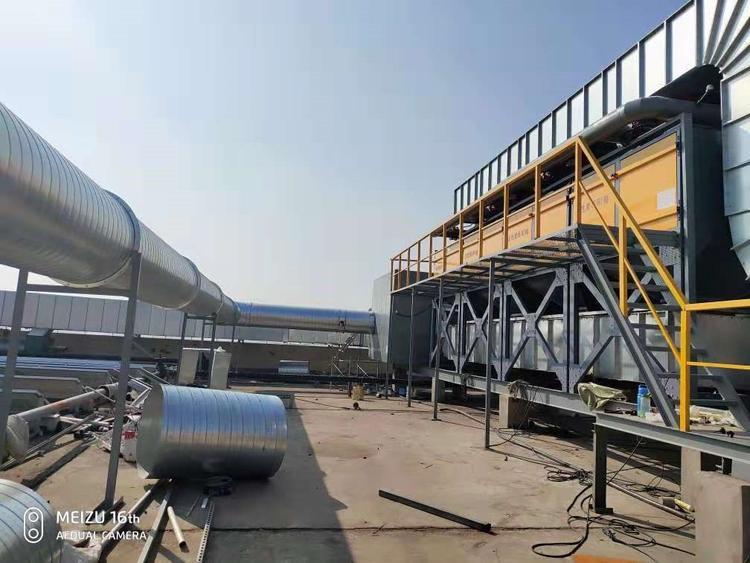
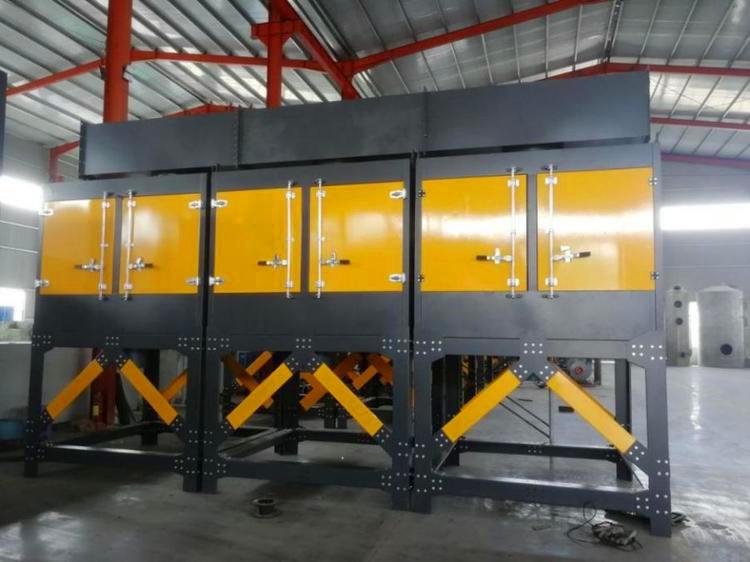
Catalytic combustion is a purification method that uses catalysts to oxidize and decompose combustible substances in exhaust gas at lower temperatures. So, catalytic combustion is also known as catalytic chemical conversion. Due to the acceleration of the oxidation decomposition process by the catalyst, most hydrocarbons can be completely oxidized by the catalyst at temperatures of 300-450 ℃.
Compared with the thermal combustion method, catalytic combustion requires less auxiliary fuel, consumes less energy, and has smaller equipment and facilities. However, the promotion and application of this method in industrial production processes have been affected by issues such as catalyst poisoning, replacement of catalytic beds, and high cleaning costs.

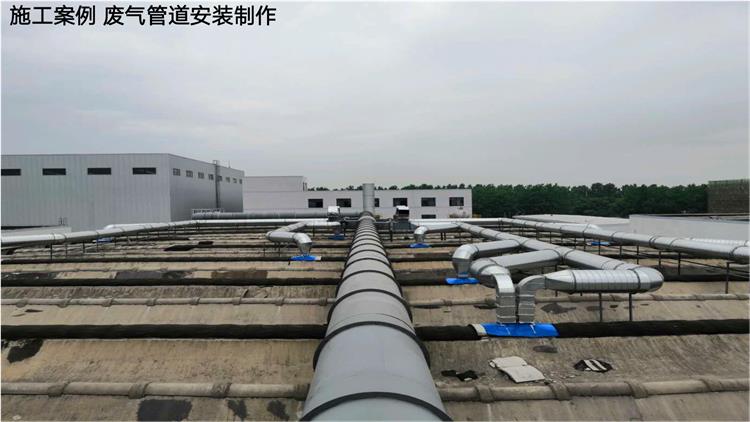

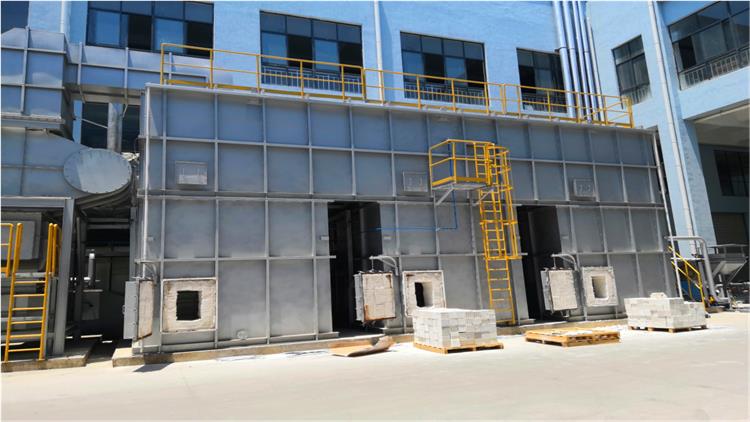

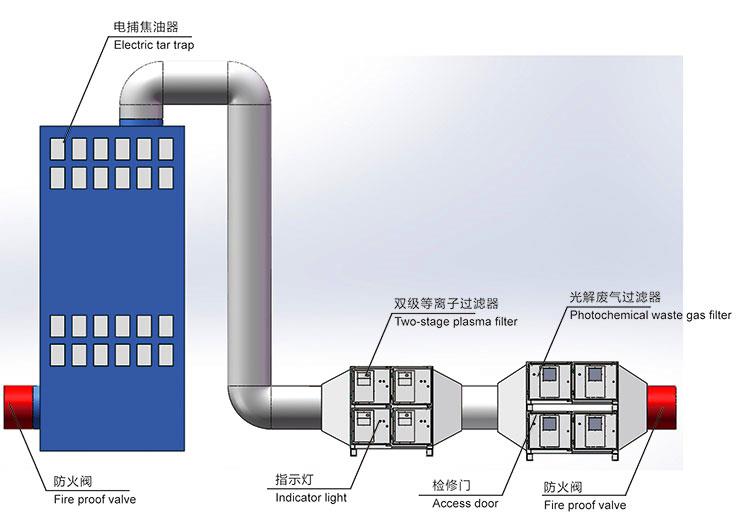
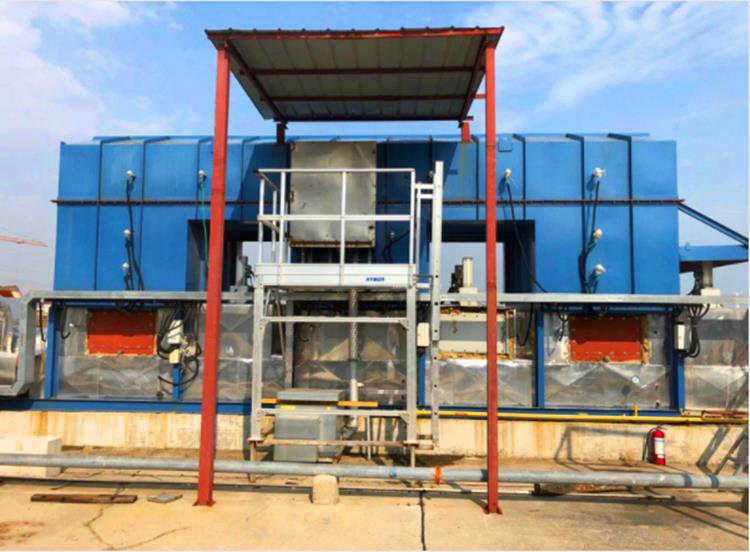


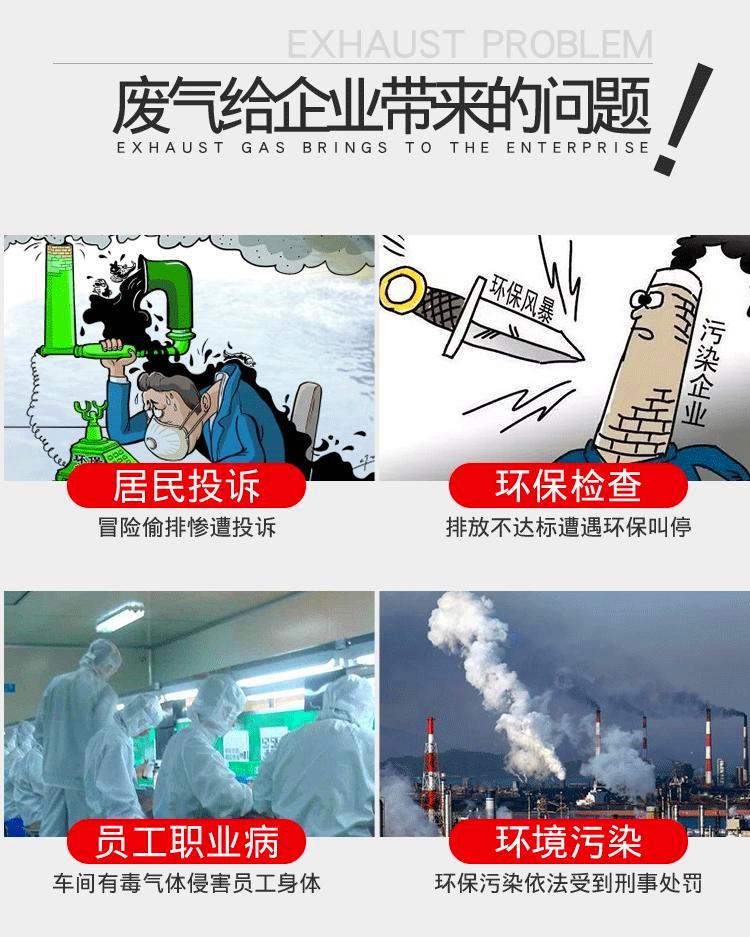
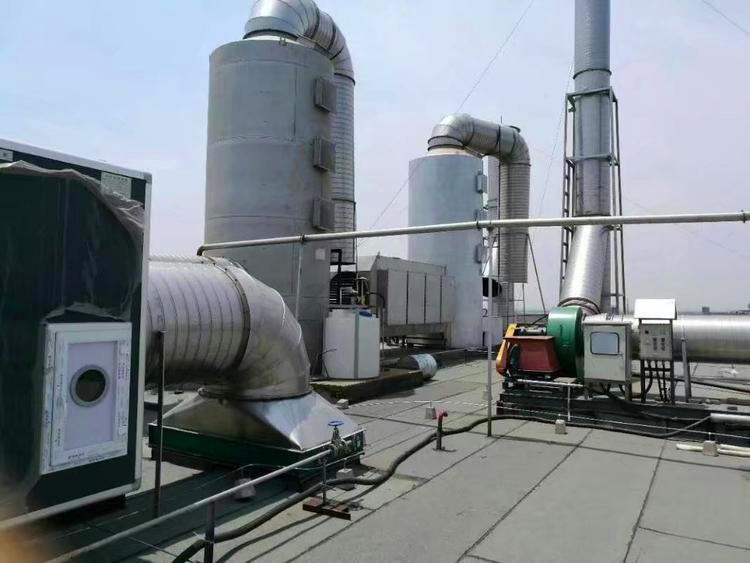
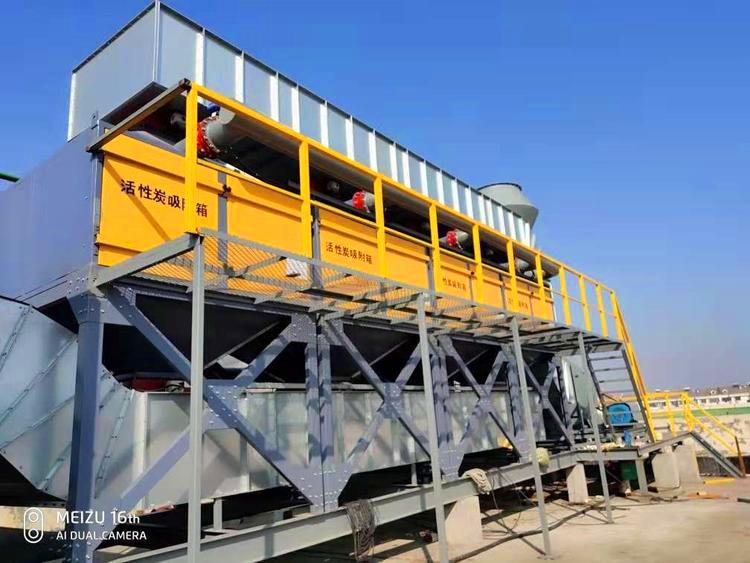
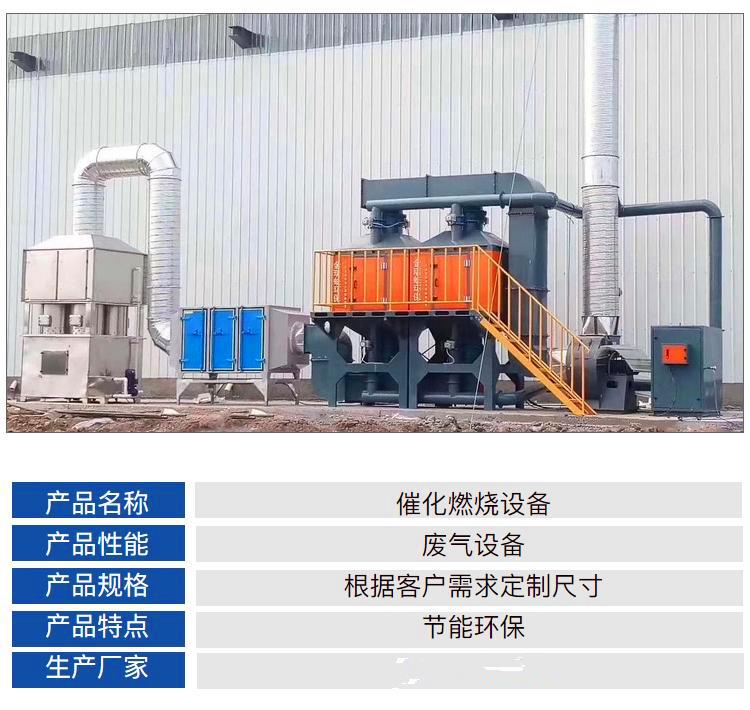
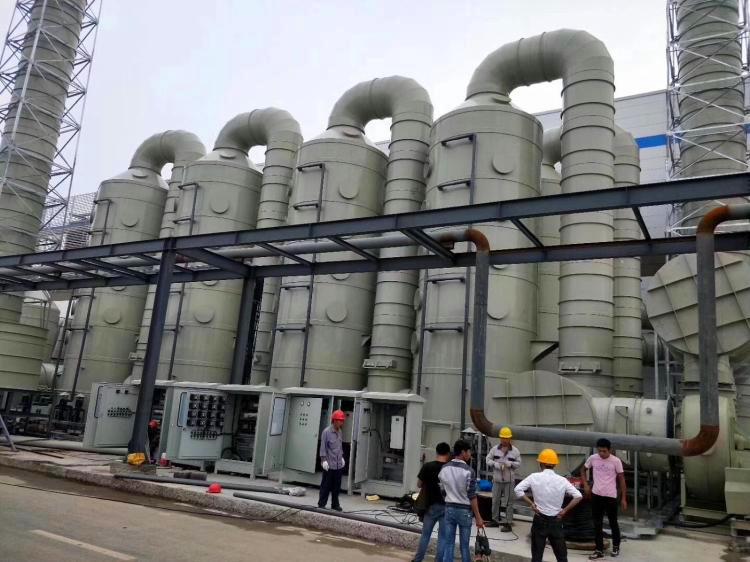
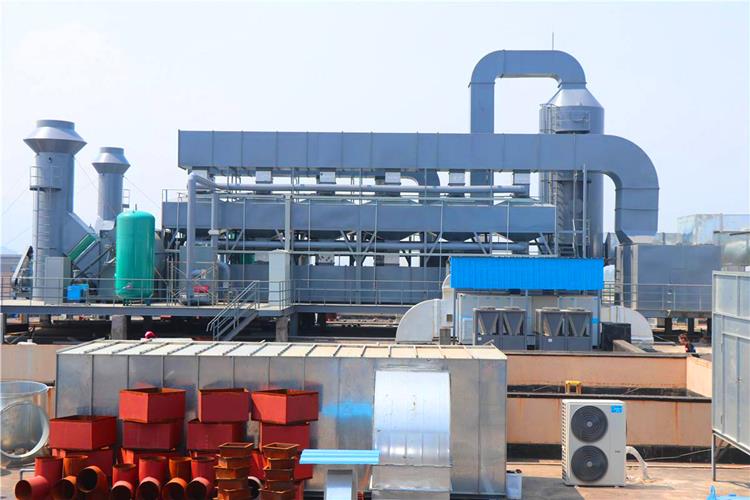
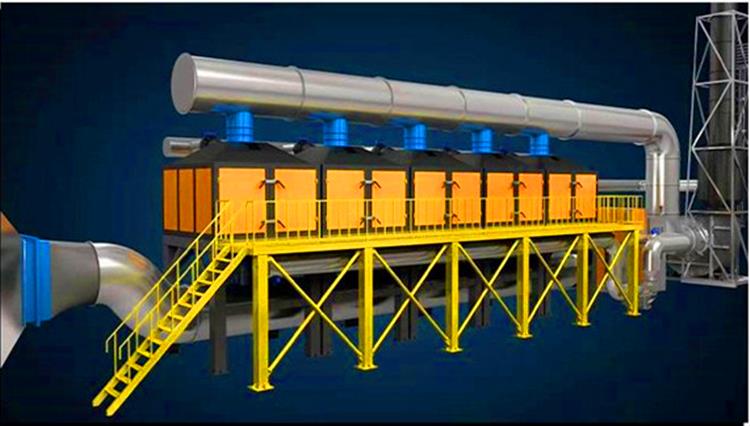
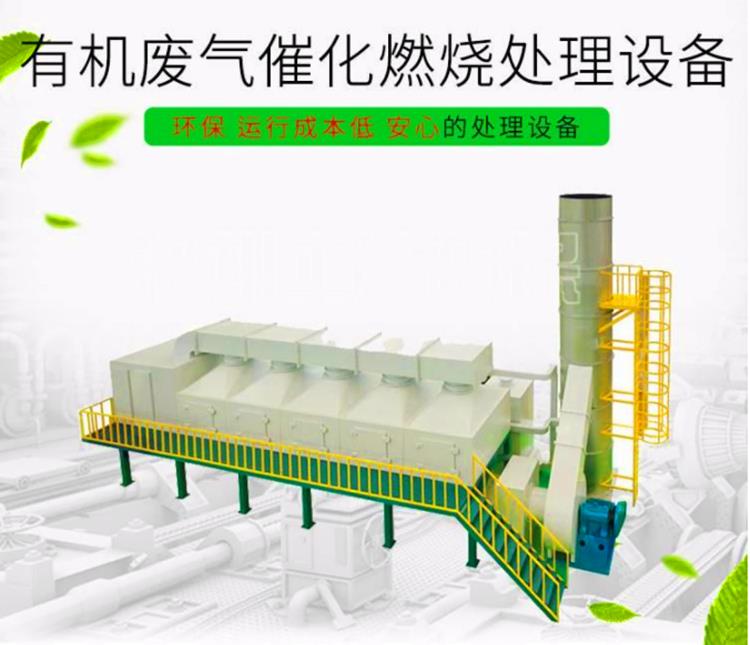


governance approach
1. Direct combustion method: using auxiliary fuels such as gas or fuel to burn, heating the mixed gas, and decomposing harmful substances into harmless substances at high temperatures; This method has a simple process and low investment, and is suitable for high concentration and low air volume waste gas, but it requires high safety technology and operation requirements.
2. Catalytic combustion method: Heating exhaust gas and converting it into harmless and odorless carbon dioxide and water through catalytic combustion; This method has low ignition temperature, energy saving, high purification rate, easy operation, small footprint, and large investment, and is suitable for high temperature or high concentration organic waste gas.
3. Absorption method: Generally, physical absorption is used, which involves introducing exhaust gas into an absorption liquid for purification. After the absorption liquid is saturated, it is heated, analyzed, and condensed for recovery; This method is applicable to the treatment of exhaust gases with high gas volume, low temperature, and low concentration, but requires the installation of a heating analysis and recovery device, which has a large equipment volume and high investment.
4. Nano micro electrolysis oxidation method: Nano micro electrolysis purification technology uses piezoelectric materials processed at the nanoscale. Under certain humidity conditions, the micro electrolysis electric field can generate electrical adsorption of nano micro electrolysis materials and release a large number of hydroxyl negative ions to purify aerobic pollutants in the gas. It can not only remove most of the organic matter in the air, but also analyze inorganic odors such as ammonia nitrogen and hydrogen sulfide.
5. Thermal combustion method: Using a regenerative thermal oxidation furnace RTO for organic waste gas treatment can achieve a dual effect of high efficiency and energy saving. Suitable for a wide range of organic waste gas treatment and high treatment efficiency. RTO equipment is currently widely used in industries such as coating, printing, spraying, and pharmaceuticals.
Characteristics of photocatalytic oxidation:
(1) Photocatalytic oxidation is suitable for completely oxidizing organic waste gas into non-toxic and harmless substances at room temperature, and is suitable for treating toxic and harmful gases with high concentration, medium gas volume, and strong stability.
(2) Effective purification can be achieved through photocatalytic oxidation, which directly oxidizes organic waste gases in the air into non-toxic and harmless substances without leaving any secondary pollution.
AfterSalesService :
Key words:- Catalytic combustion equipment