
Characteristics of VOCs exhaust gas treatment: Xiamen catalytic combustion
Category:
mechanical equipment/Air purification equipment/Complete set of waste gas treatment equipment
Model:
CHRS
Brand:
Hengtai Environmental Protection
Retail Price
10,260.00USD
重量
kg
- Product Description
-
Description :


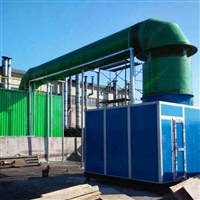
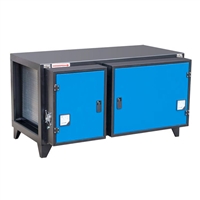
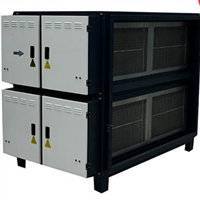
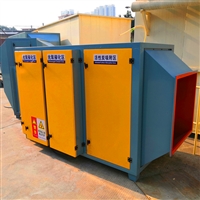
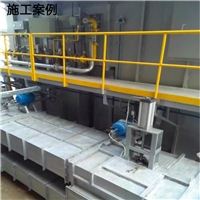
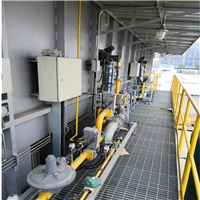
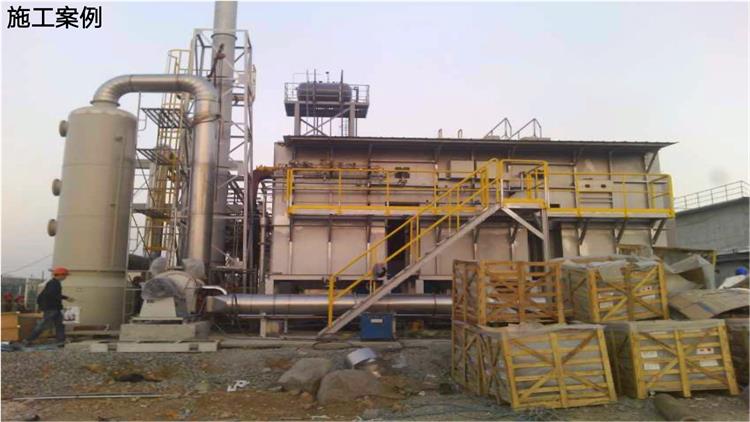
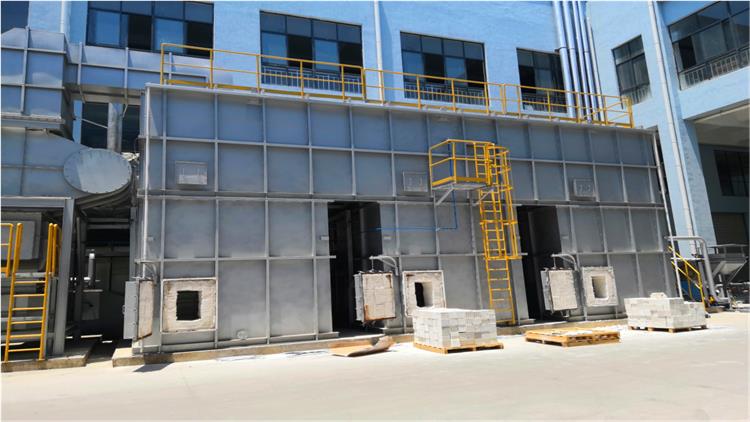
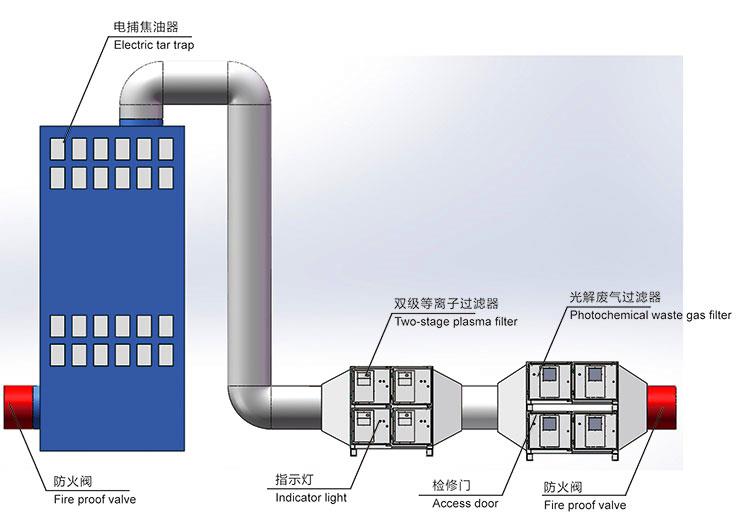
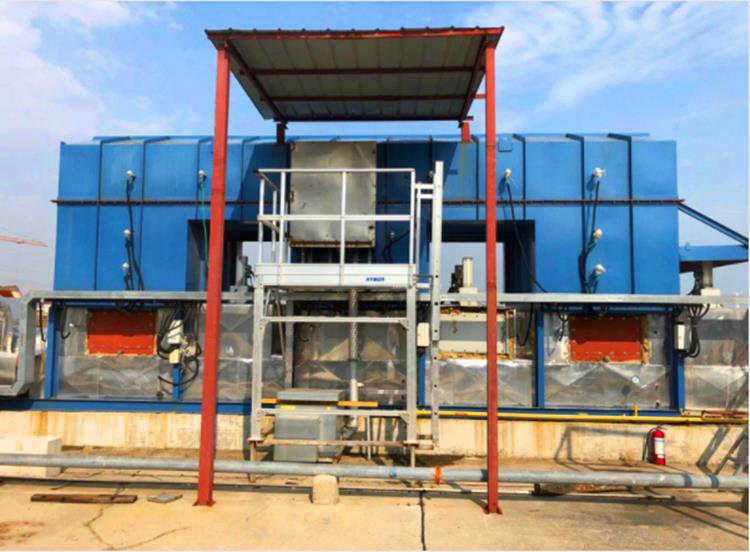
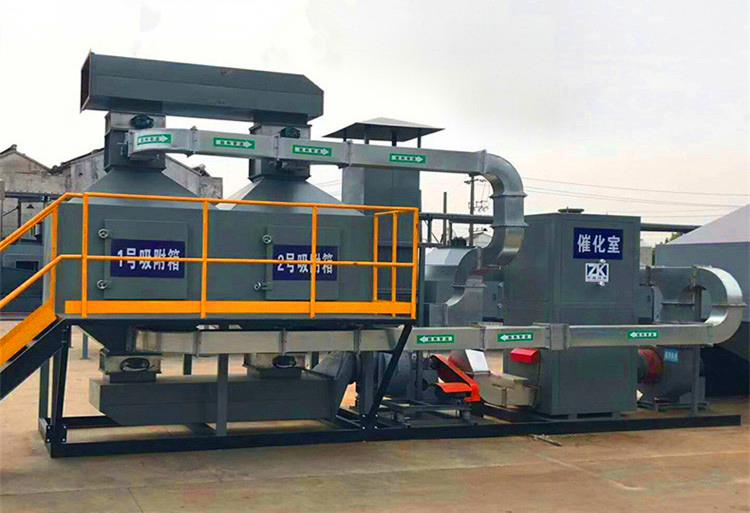
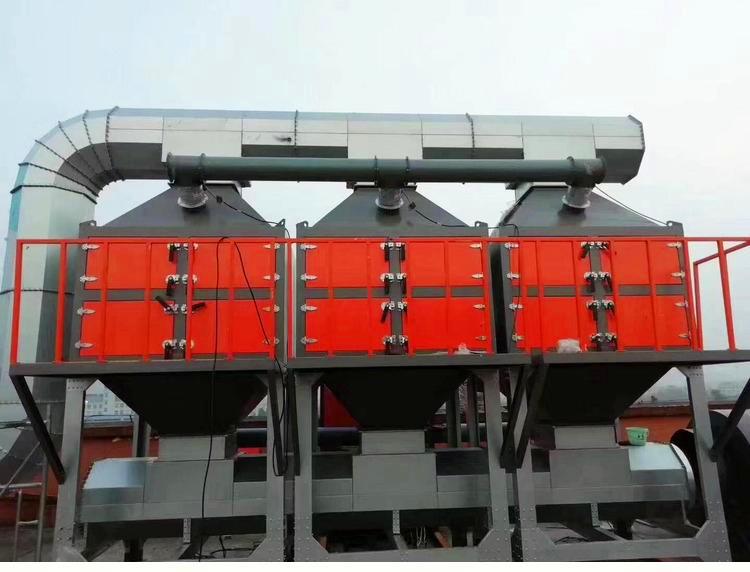
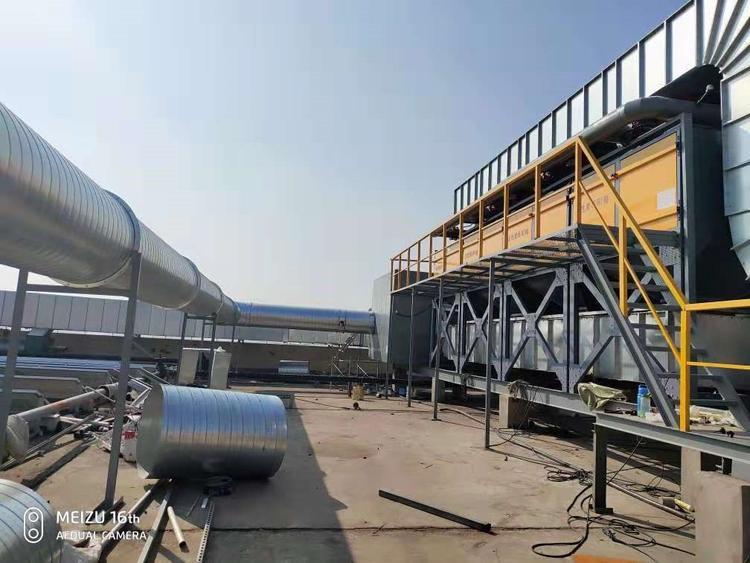
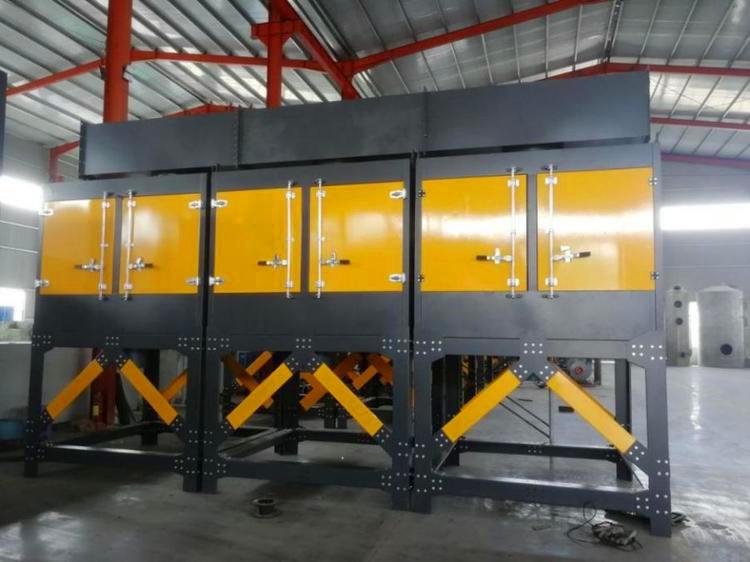
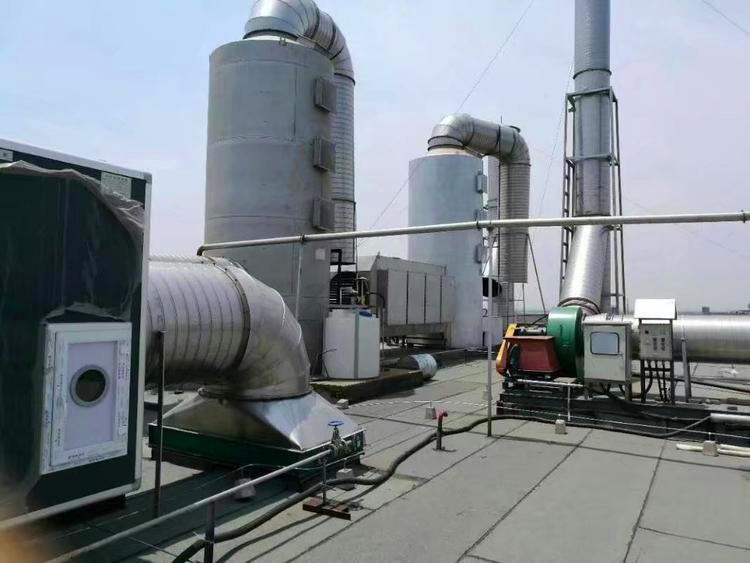
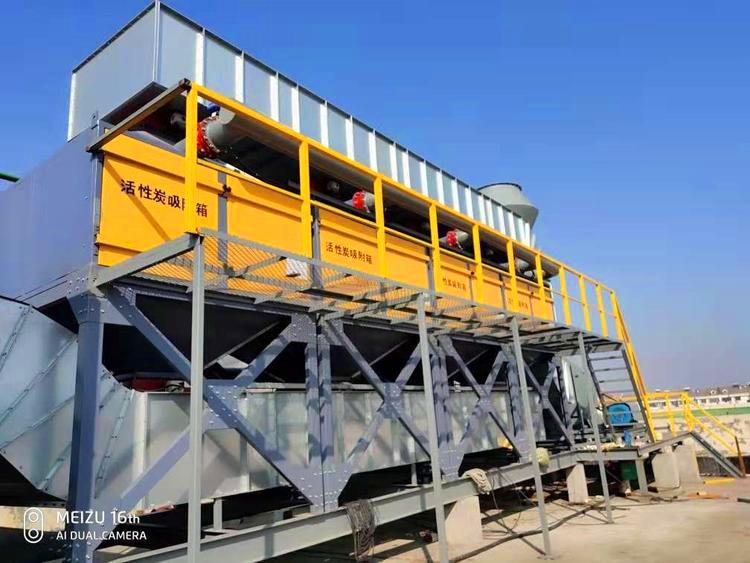
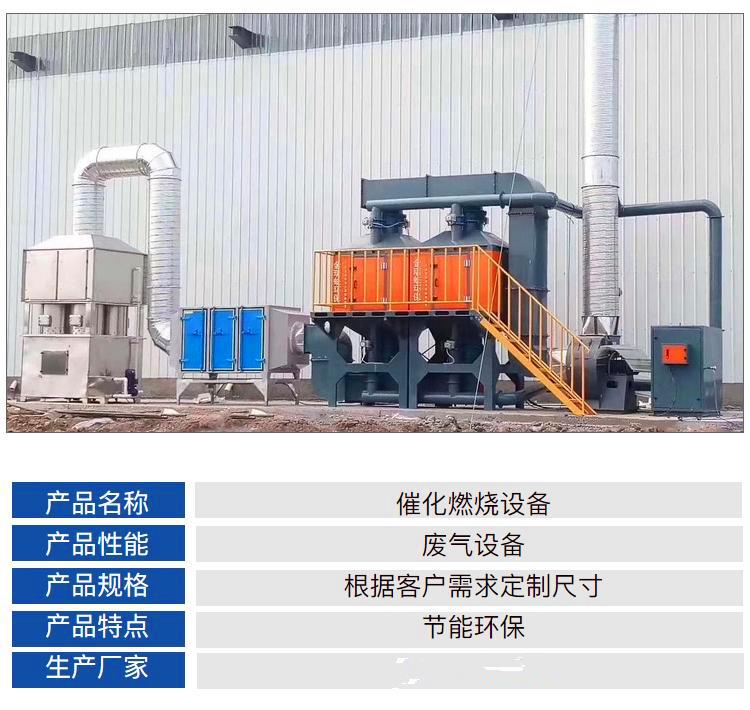
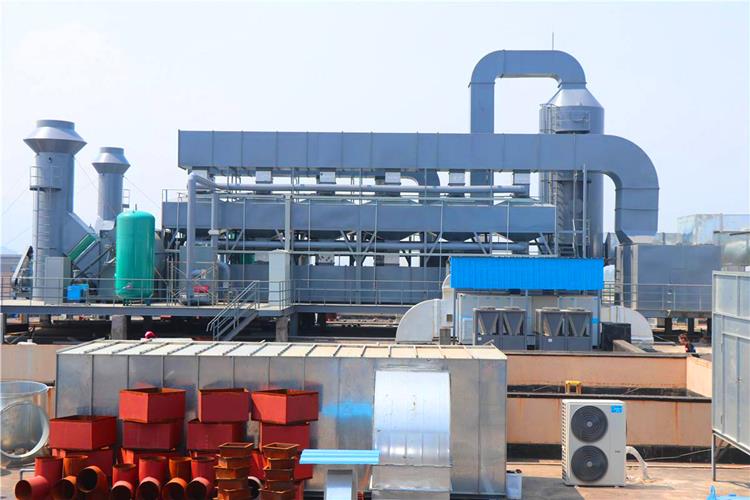
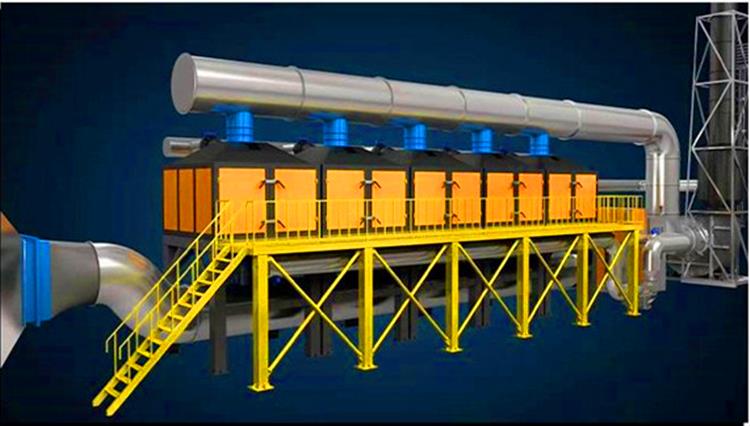
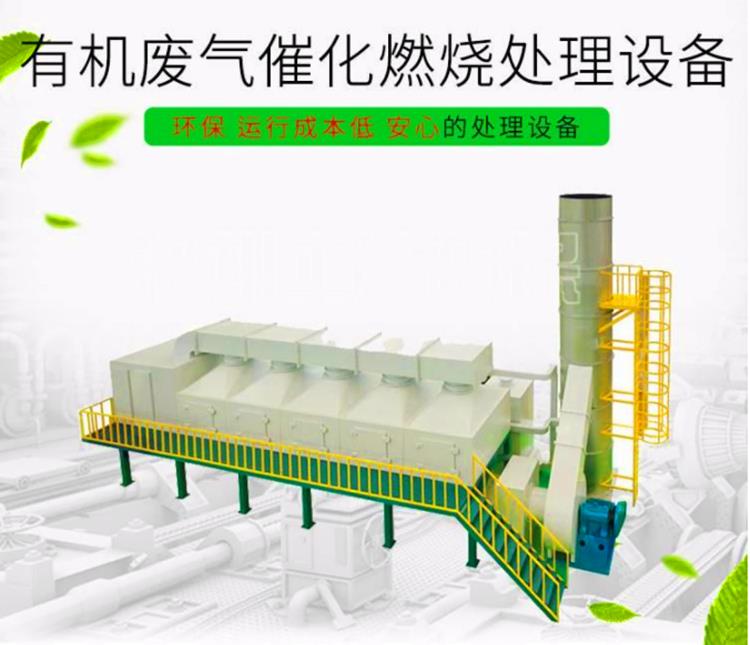
The technical principle of activated carbon adsorption, desorption, and catalytic combustion equipment utilizes the characteristics of large specific surface area and adsorption capacity of activated carbon to adsorb and treat low concentration organic waste gas, which is an extremely effective treatment method that can achieve a purification efficiency of over 90-95% for organic waste gas. However, the adsorption capacity of adsorbent materials is limited, and it is necessary to regenerate and reuse the fully adsorbed adsorbent materials to reduce operating costs. To this end, our company has independently developed a mature and reliable W-HCR series activated carbon adsorption desorption catalytic combustion organic waste gas concentration concentration concentration concentration of 10-20 times or more. The desorption waste gas is passed into the catalytic bed and ignited under the action of electric heating and catalyst. After excessive energy is generated by catalytic combustion, it can be mixed with outdoor air as activated carbon desorption gas, reducing energy consumption and without secondary pollution.
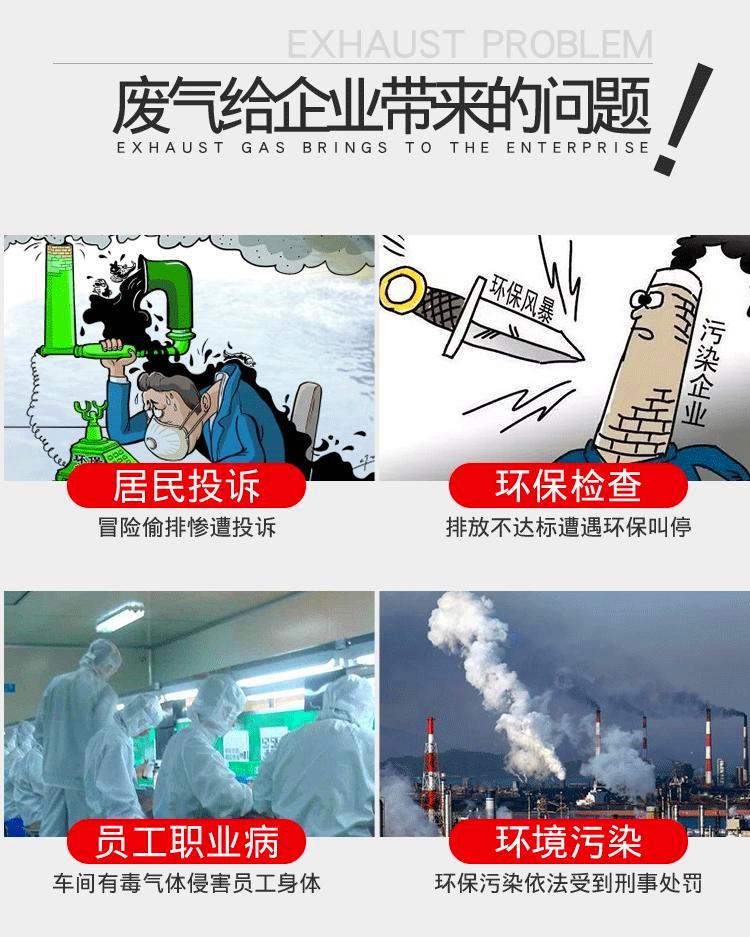
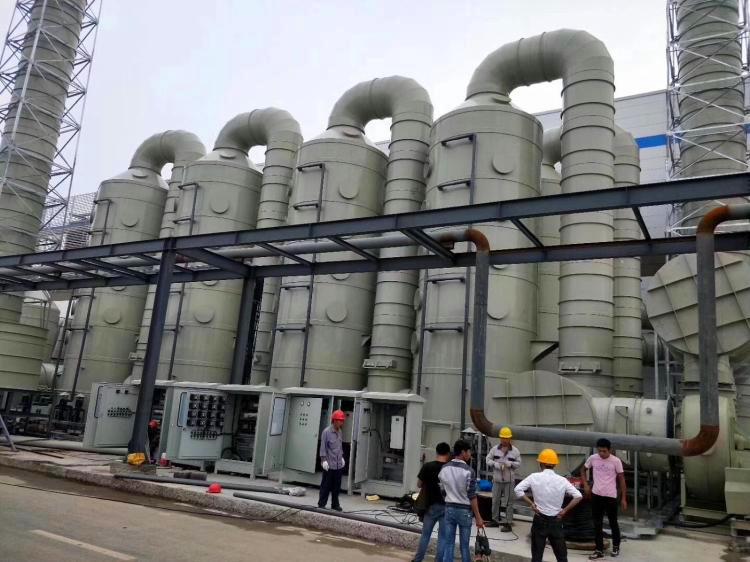
Catalytic combustion treatment is widely used in the purification of harmful organic waste gases emitted from workshops in industries such as petroleum, chemical, rubber, coating, and printing. Organic waste gases such as benzene, alcohols, and ethers can all be purified. The device has a complete system design, complete supporting equipment, high purification efficiency, and high degree of automation. It can effectively purify the workshop environment, eliminate pollution, improve working conditions, ensure the health of workers, and solve secondary pollution. Suitable for organic waste gases with low concentrations (50~1000ppm) and low economic value for recovery, and not suitable for adsorption recovery treatment, especially for high air volume treatment scenarios. The characteristics of processing high air volume and low concentration exhaust gas include secondary waste heat recovery when the concentration is slightly higher, greatly reducing production and operation costs.

Catalytic combustion is a purification method that uses catalysts to oxidize and decompose combustible substances in exhaust gas at lower temperatures. So, catalytic combustion is also known as catalytic chemical conversion. Due to the acceleration of the oxidation decomposition process by the catalyst, most hydrocarbons can be completely oxidized by the catalyst at temperatures of 300-450 ℃.
Compared with the thermal combustion method, catalytic combustion requires less auxiliary fuel, consumes less energy, and has smaller equipment and facilities. However, the promotion and application of this method in industrial production processes have been affected by issues such as catalyst poisoning, replacement of catalytic beds, and high cleaning costs.





AfterSalesService :
Key words:- Catalytic combustion equipment