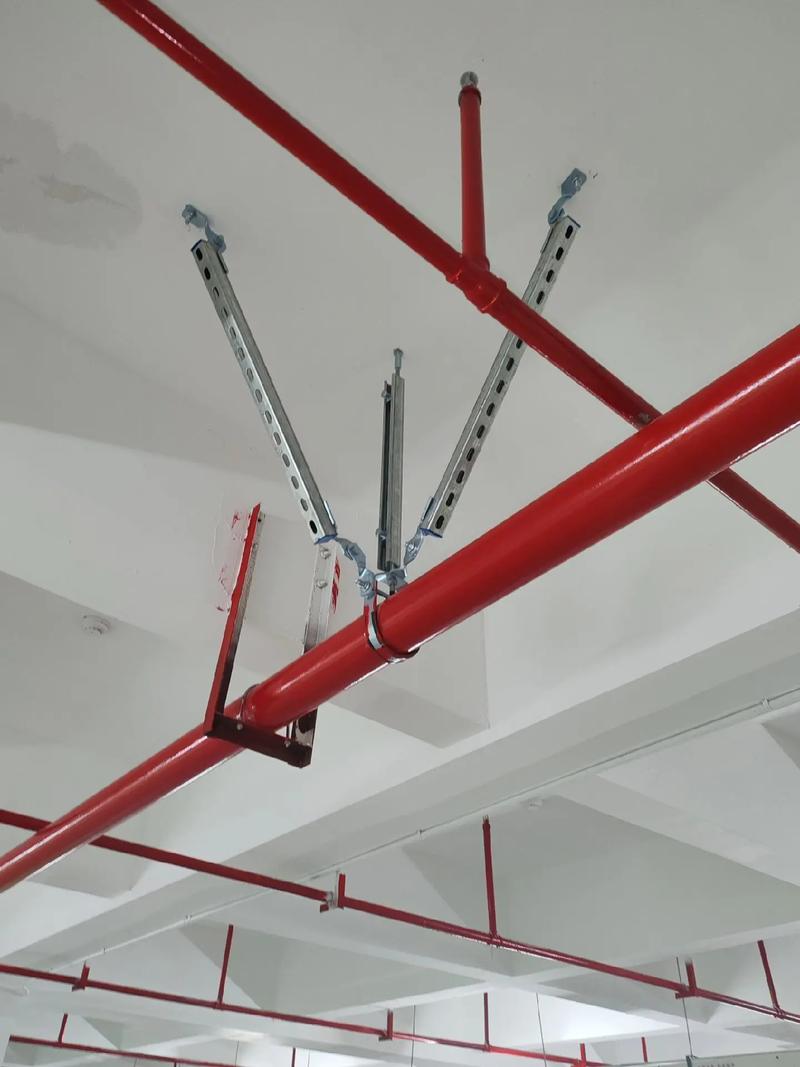

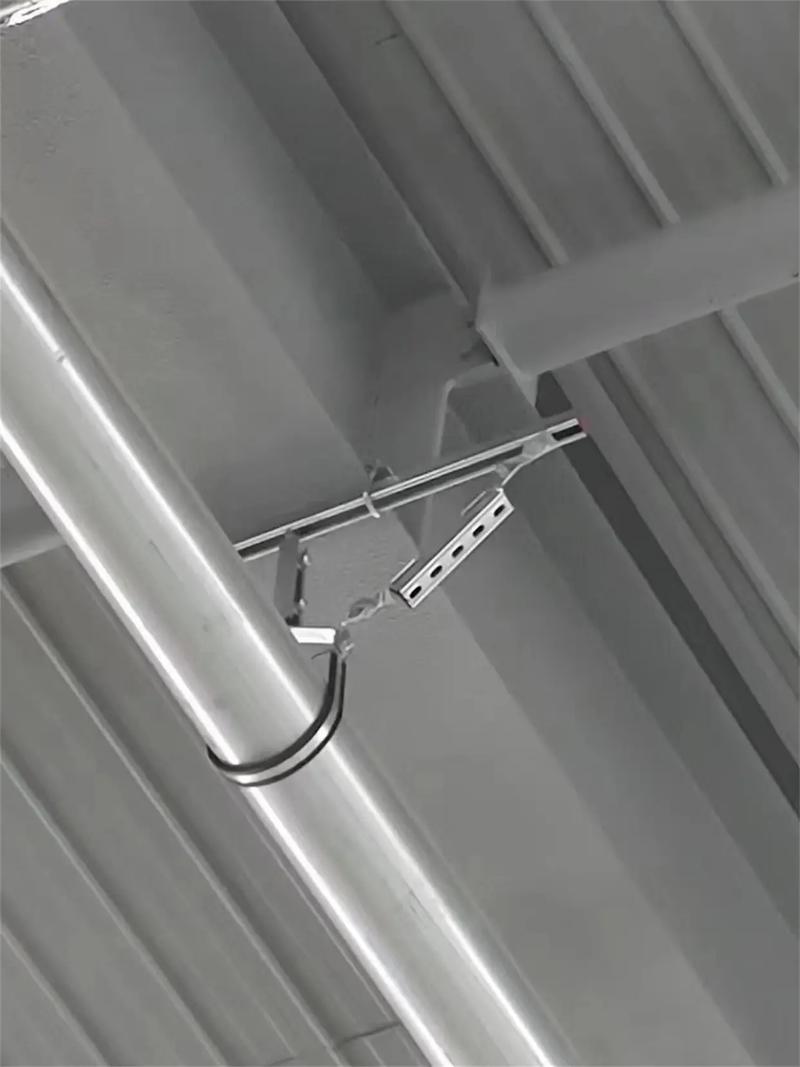
Acceptance of comprehensive support and hanger system package for building electromechanical seismic support, including detailed design
Category:
hardware/Vibration components, shock absorbers/Other vibration and damping components
Model:
complete
Brand:
Goldsmiths
Applicable standard:
GB 50981-2014
Main material:
Q235B/Q345B steel
Surface Treatment:
Hot dip galvanized/zinc magnesium aluminum coating
Component composition:
C-type channel steel/seismic connectors/pipe bundles/anchor bolts
Maximum distance between lateral supports:
12 meters
Maximum distance between longitudinal supports:
24 meters
Scope of Services:
Package labor, package materials, package acceptance/free drawing design
Application Scenarios:
Duct/water pipe/electrical bridge mechanical and electrical system
Retail Price
10,000,000.00USD
重量
kg
- Product Description
-
Applicable standard GB 50981-2014
Main material Q235B/Q345B steel
Surface Treatment Hot dip galvanized/zinc magnesium aluminum coating
Component composition C-type channel steel/seismic connectors/pipe bundles/anchor bolts
Maximum distance between lateral supports 12 meters
Maximum distance between longitudinal supports 24 meters
Scope of Services Package labor, package materials, package acceptance/free drawing design
Application Scenarios Duct/water pipe/electrical bridge mechanical and electrical system
Description :
Seismic bracket is a support system used to protect the safe operation of building electromechanical engineering under earthquake action, mainly solving the displacement and damage problems of pipelines such as air ducts, water pipes, and bridge frames in earthquakes. This type of product is widely used in new and renovated building mechanical and electrical installation projects, and is suitable for indoor pipeline systems in areas with seismic fortification intensity of 6 degrees or above. By firmly connecting pipelines with building structures through rigid connections, the relative displacement of pipelines is effectively limited, preventing secondary disasters caused by pipeline detachment during earthquakes, ensuring smooth life passages and normal operation of key facilities. It is an indispensable safety protection component in modern building electromechanical installation.
The seismic support system is usually composed of C-shaped channel steel, seismic connectors, tube bundles, anchor bolts and other components. The material is mostly Q235B or Q345B steel, and the surface is treated with hot-dip galvanizing or zinc magnesium aluminum coating, which has excellent anti-corrosion performance. The implementation standards shall comply with GB 50981-2014 "Code for Seismic Design of Building Mechanical and Electrical Engineering" and CJ/T 476-2015 "General Technical Conditions for Seismic Supports and Hangers of Building Mechanical and Electrical Equipment". The components must have a type inspection report issued by a national authoritative testing institution, meeting the requirements of fire resistance, corrosion resistance, and fatigue testing. The lateral support spacing generally does not exceed 12 meters, and the longitudinal support spacing does not exceed 24 meters. The specific layout needs to be determined by mechanical calculations based on the weight, diameter, and on-site structural conditions of the pipeline to ensure the stability and bearing capacity of the overall system meet the design requirements.
When selecting, it is necessary to clarify the pipeline type (air duct, water pipe, electrical bridge), pipe diameter size, load size, and installation space limitations. For a single pipeline, it is necessary to distinguish between the application scenarios of lateral seismic supports and longitudinal seismic supports; For multi specialty shared areas, it is advisable to use comprehensive seismic supports to save space and unify the stress system. Not suitable for direct fixation on non structural walls or non load bearing components. Compared with traditional ordinary supports and hangers, seismic supports emphasize the rigid connection with the main structure and the special construction of seismic nodes. Ordinary supports only bear gravity loads, while seismic supports need to simultaneously withstand horizontal seismic forces. When purchasing, it is necessary to confirm whether the supplier has the ability to deepen the design, and whether they can provide calculation sheets and layout drawings that meet the specifications to avoid rejection due to design defects.
Before installation, it is necessary to check the consistency between the on-site structure and the drawings to ensure that the anchoring points are located on the main structure such as concrete beams and slabs. It is strictly prohibited to fix them on brick walls or lightweight partition walls. Bolt tightening requires the use of a torque wrench to achieve the specified torque value, ensuring reliable connection. During daily maintenance, it is necessary to regularly check whether the bracket components are loose, corroded, or deformed, especially after experiencing slight vibration or building settlement, re inspection is required. Common faults include slipping of connectors, rusting of channel steel cuts due to lack of anti-corrosion treatment, etc. Any abnormalities should be promptly tightened or damaged parts replaced. During the completion acceptance, complete material certification, testing reports, concealed engineering records, and completion drawings must be submitted to ensure that the information is complete for smooth acceptance by the fire and quality supervision departments, and to ensure the overall delivery progress of the project.
AfterSalesService :
包验收,可定制,源头工厂。Key words:
More Products