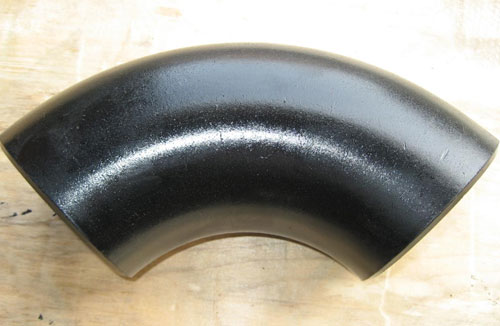

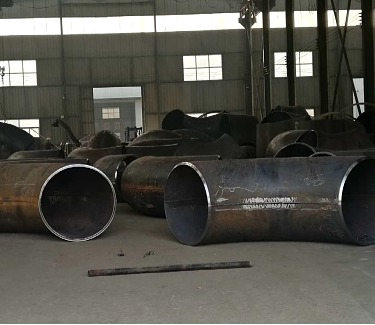
Carbon steel stainless steel elbow pipe connector with a 90 degree and 45 degree long radius and short radius
Category:
hardware/Pipe fittings/Other pipe fittings
Model:
DN12-DN3000
Brand:
Fang Xin
Material:
Carbon steel/stainless steel/alloy steel
bending angle:
90°/45°/180°
connection method:
Butt welding/socket welding/threading
Execution Standard:
GB/T12459/ASME B16.9
Nominal Diameter:
DN15-DN3000
wall thickness:
SCH10-SCH160/XXS
bend radius:
Long radius (R=1.5D)/Short radius (R=1.0D)
Surface Treatment:
Sandblasting/anti-corrosion paint/polishing
Retail Price
10,000,000.00USD
重量
kg
- Product Description
-
Material Carbon steel/stainless steel/alloy steel
bending angle 90°/45°/180°
connection method Butt welding/socket welding/threading
Execution Standard GB/T12459/ASME B16.9
Nominal Diameter DN15-DN3000
wall thickness SCH10-SCH160/XXS
bend radius Long radius (R=1.5D)/Short radius (R=1.0D)
Surface Treatment Sandblasting/anti-corrosion paint/polishing
Description :
An elbow is a pipe fitting that changes the direction of a pipeline. It is used in pipeline systems to connect two pipes with the same or different nominal diameters, allowing the pipeline to make turns of 90 °, 45 °, 180 °, and various angles. It solves the technical problem of turning during fluid transportation and is widely used in pipeline engineering in industries such as petroleum, chemical, power, shipbuilding, and construction. According to the different bending radii, it can be divided into long radius elbows and short radius elbows. The curvature radius of long radius elbows is equal to 1.5 times the outer diameter of the pipe, and the curvature radius of short radius elbows is equal to the outer diameter of the pipe. The correct selection of elbow types is crucial for ensuring the smoothness of pipeline systems and reducing pressure losses, and is an indispensable basic component in pipeline installation.
The specification parameters of elbows mainly include nominal diameter, wall thickness, bending angle, material, and execution standards. Common materials include carbon steel, stainless steel, alloy steel, etc. Among them, carbon steel elbows are commonly used for general low-pressure fluid transportation, while stainless steel elbows are suitable for corrosive media or occasions with high hygiene requirements. The execution standards usually follow domestic and foreign standards such as GB/T12459, ASME B16.9, SH/T3408, etc. The manufacturing processes mainly include pushing, pressing, forging, etc. Pushing elbows have good surface quality and high dimensional accuracy, and are currently the mainstream production method. In the production process, strict quality inspection processes such as non-destructive testing and hydrostatic testing are required to ensure that there are no cracks, sand holes, and dimensional deviations within the allowable range, in order to meet the high standards of safety and durability requirements for industrial pipelines.
When selecting, it is necessary to clarify the properties of the medium, temperature, pressure, and the specific direction of the pipeline. For high-temperature and high-pressure working conditions, alloy steel or stainless steel elbows with thick wall thickness and high material strength should be selected; For ordinary water and gas transportation, carbon steel elbows can meet the demand and have lower costs. Attention should be paid to distinguishing between long radius and short radius application scenarios. Long radius elbows have low fluid resistance and are suitable for systems sensitive to pressure drop; The short radius elbow has a compact structure and is suitable for installation environments with limited space. In addition, it is necessary to confirm the connection method, such as butt welding, socket welding, or threaded connection, to ensure compatibility with the pipeline and other fittings. If it involves special corrosive environments, the corrosion resistance of the material should also be considered to avoid early failure caused by improper selection.
The installation of elbows is usually done by welding. For butt welded elbows, it is necessary to ensure that the groove angle and blunt edge size meet the welding process requirements. Before welding, the interface should be cleaned of impurities such as oil and rust. During installation, pay attention to the flow direction markings (if any) and ensure concentricity to avoid generating additional stress. In daily maintenance, it is necessary to regularly check the elbow area for leaks, corrosion, thinning, or mechanical damage, especially in areas where the back of the elbow is severely eroded. For pipelines with corrosive media, it is recommended to regularly measure the wall thickness and promptly handle any abnormalities found. In cold regions, it is also necessary to pay attention to anti freezing measures to prevent the elbow from breaking due to the expansion caused by the freezing of the medium. Good installation and maintenance habits can significantly extend the service life of elbows and the entire pipeline system.
AfterSalesService :
Key words:
More Products