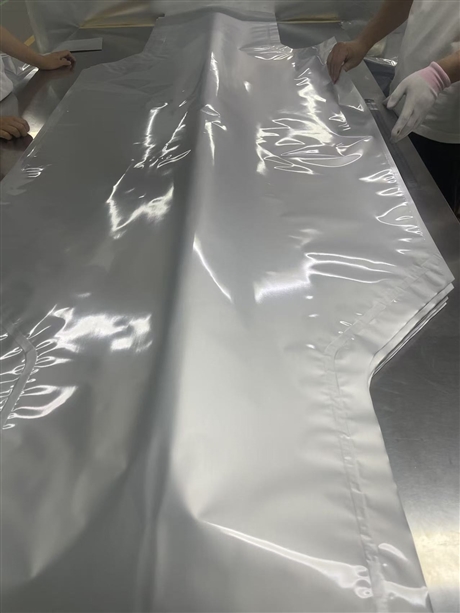

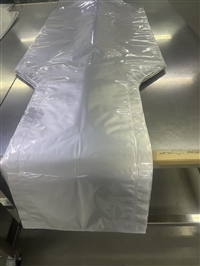
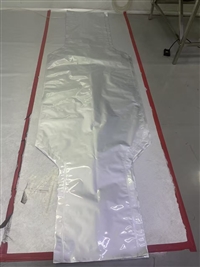
Moisture proof and anti-static aluminum foil ton bag, large capacity container bag suitable for chemical raw material packaging
Category:
chemical industry/Storage and transportation equipment/Container bag
Model:
0.1~0.18*650~1600*1000~3500
Brand:
Yuansheng New Materials
Material composition:
PP woven fabric+aluminum foil composite film
rated load:
400-1000kg
safety factor:
5:1 / 6:1
Moisture proof grade:
high barrier
Anti static performance:
Optional conductive wire
Execution Standard:
GB/T 10454-2000
Operating temperature:
-20 ℃ to 60 ℃
structural form:
Top lifting/bottom unloading
Retail Price
200.00USD
重量
kg
- Product Description
-
Material composition PP woven fabric+aluminum foil composite film
rated load 400-1000kg
safety factor 5:1 / 6:1
Moisture proof grade high barrier
Anti static performance Optional conductive wire
Execution Standard GB/T 10454-2000
Operating temperature -20 ℃ to 60 ℃
structural form Top lifting/bottom unloading
Description :
Aluminum foil ton bag is a high-performance flexible container designed specifically for moisture, oxygen, and light sensitive materials. It effectively blocks external environmental interference by compounding aluminum foil layer on the basis of traditional polypropylene woven fabric, solving the problems of moisture, oxidation and deterioration of chemical powders, food additives or pharmaceutical intermediates during storage and transportation. Typical working conditions include sea freight export, long-term warehousing, and the feeding process in cleanroom with high cleanliness requirements, ensuring that the physical and chemical properties of materials remain stable throughout the months long circulation cycle.
The main body of the aluminum foil ton bag is usually made of high-strength polypropylene (PP) brushed woven fabric as the base fabric, lined with multi-layer co extruded film or pure aluminum foil composite film, and some high-end models will add conductive wire to achieve anti-static function. Common specifications and sizes range from 90x90x100cm to 110x110x120cm and other standard series. The safety factor is generally set at 5:1 or 6:1, and the rated load is mostly between 1000kg and 2000kg. The product structure complies with the national standard GB/T 10454-2000 "Flexible Container Bags". Some exported products need to pass UN packaging certification or ISO quality system audit, and have excellent tensile strength and puncture resistance. The seams are reinforced with industrial sewing machines to ensure structural integrity during load-bearing.
When selecting aluminum foil ton bags, it is necessary to clarify whether the material characteristics are prone to moisture absorption, oxidation, or the risk of static electricity accumulation. If the material is ordinary non dangerous goods and there are no special moisture-proof requirements, ordinary PP ton bags can be used to reduce costs; If the material has high value and is sensitive to the environment, aluminum foil ton bags with full aluminum foil or aluminum-plastic composite structure must be selected. In addition, it is necessary to distinguish between top lifting type, bottom unloading type, or cross bottom structure, depending on the on-site lifting equipment and unloading method. Note that although the aluminum foil layer can block light and moisture, it does not have the function of high-temperature steam sterilization. If high-temperature treatment is required, other special material container bags should be selected to avoid peeling or damage to the aluminum foil layer.
When installing and using aluminum foil ton bags, it is necessary to ensure that the forklift or crane hook is fully inserted into the base of the sling, and it is strictly prohibited to move under unilateral force or drag to prevent the sling from breaking or the bag from being scratched. The focus of daily maintenance is to check whether there are pinholes, cracks, or aluminum foil layer peeling on the bag body. If any damage is found, the use should be stopped immediately and the material should be isolated. When storing, it should be placed in a cool, dry, and ventilated place to avoid direct sunlight that can cause the plastic substrate to age and become brittle. Common faults such as bottom leakage are often caused by cracked sutures or loose discharge ports. It is recommended to conduct a no-load lifting test before use to confirm that there are no abnormalities at all stress points before filling operations to ensure operational safety and material integrity.
AfterSalesService :
Key words:
More Products