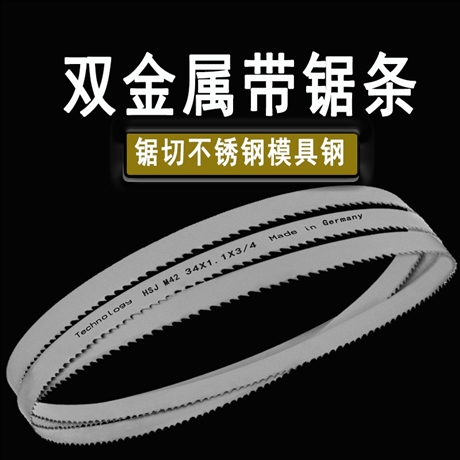

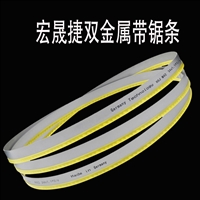
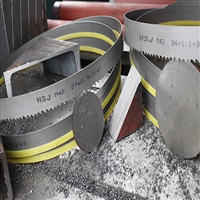
4115 bimetallic band saw blade cutting stainless steel mold steel middle teeth tensile and durable
Category:
hardware/saw/Machine saw blade
Model:
4115*34*1.1*34/
Brand:
Hongshengjie
Material:
M42 high-speed steel tooth tip+alloy steel backing material
Tooth profile:
Variable Pitch 3 * 4
Applicable Materials:
Stainless steel, mold steel, carbon steel
tensile strength:
≥1300 MPa
Tooth tip hardness:
HRC 66-68
welding process:
Electron beam welding
Surface Treatment:
Shot peening strengthening
Typical width:
27mm/34mm/41mm
Typical thickness:
1.3mm
Retail Price
10,000,000.00USD
重量
kg
- Product Description
-
Material M42 high-speed steel tooth tip+alloy steel backing material
Tooth profile Variable Pitch 3 * 4
Applicable Materials Stainless steel, mold steel, carbon steel
tensile strength ≥1300 MPa
Tooth tip hardness HRC 66-68
welding process Electron beam welding
Surface Treatment Shot peening strengthening
Typical width 27mm/34mm/41mm
Typical thickness 1.3mm
Description :
This 4115 bimetallic band saw blade is a high-performance sawing tool designed specifically for high-strength metal cutting. It mainly solves the problems of tooth breakage and short service life of high hardness and high toughness materials such as stainless steel and mold steel during the cutting process. This product is made by combining high-quality high-speed steel tooth tips with spring steel backing through electron beam welding technology, and has excellent tensile strength and fatigue life. It is suitable for continuous cutting operations of solid bars, pipes, and profiles on horizontal or vertical band saws under typical working conditions, and is an ideal choice for the mechanical processing industry to handle difficult to process materials.
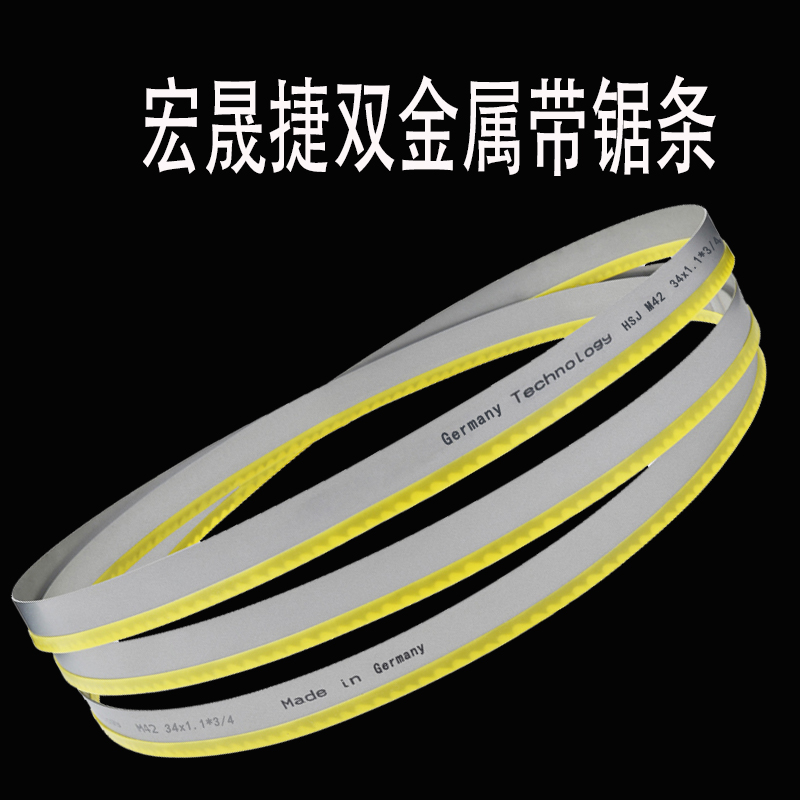
The typical specifications of this bimetallic band saw blade are a width of 27mm to 41mm, 54, 67, 80mm, and a thickness typically between 1.3mm and 1.6mm. The tooth pitch is designed as a medium tooth type (such as 4/6 or 3/4 TPI) to accommodate cutting of workpieces with medium cross-sectional sizes. The execution standard complies with GB/T 23558 or similar international standards, with a tooth tip hardness of HRC66-68, good back material toughness, and a tensile strength exceeding 1300MPa. The product undergoes strict shot peening and stress relief treatment to ensure dimensional stability in high-speed cutting environments, reduce early failures caused by vibration, and meet the precision and stability requirements of industrial continuous production.
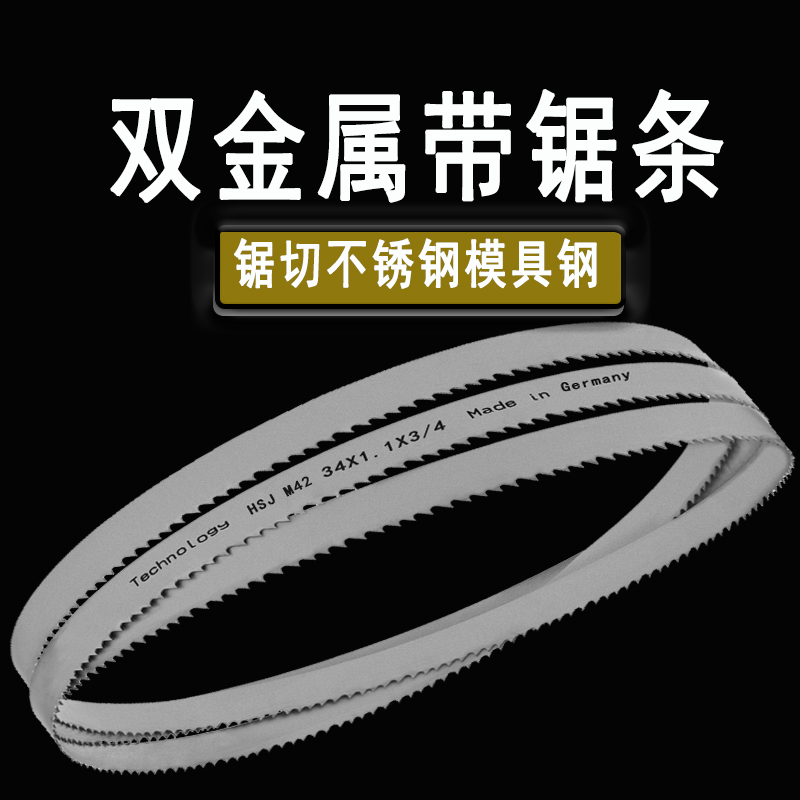
When selecting, the 4115 bimetallic band saw blade is particularly suitable for cutting stainless steel (such as 304, 316L), mold steel (such as Cr12, H13), and carbon steel materials. For workpieces with larger cross-sections or harder materials, it is recommended to choose a smaller feed rate and appropriate cutting fluid cooling; For thin-walled pipes or small section materials, attention should be paid to adjusting the tooth pitch to avoid tooth jamming. Compared with single metal saw blades, the bimetallic structure significantly improves wear resistance and impact resistance; Compared with ordinary carbon steel saw bars, its cutting efficiency is higher. Although the initial cost is slightly higher, its overall service life is longer, making it suitable for procurement scenarios with high requirements for cutting efficiency and cost control.
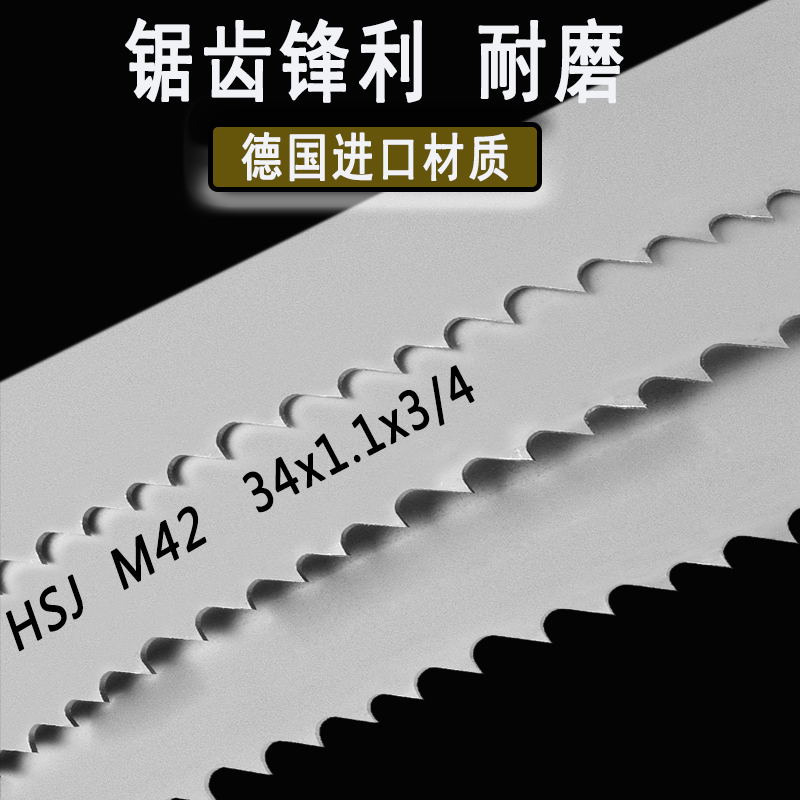
When installing the 4115 bimetallic band saw blade, it is necessary to ensure that the guide arm of the sawing machine is adjusted correctly, the tension of the saw blade is moderate, and to avoid over tightening causing breakage or over loosening causing deviation. Adequate supply of cutting fluid should be maintained in daily use to reduce cutting temperature and flush away chips, thereby extending the lifespan of the saw blade. Common faults such as early tooth breakage are often caused by fast feed or unstable workpiece clamping, and the machine tool status needs to be checked; If the cutting surface is found to be rough, the tooth tips should be checked for wear or blockage. Regularly cleaning the debris on the sawing machine wheel set and performing no-load running in can effectively improve cutting accuracy and the service life of the saw blade, ensuring long-term stable operation of the equipment.
AfterSalesService :
Key words:
