

PVC special flame retardant, efficient smoke suppression and environmentally friendly, suitable for soft and hard PVC products
Category:
fine chemicals /Synthetic material additives/Synthetic material flame retardant
Model:
JZFR-206
Brand:
Juheng
Appearance:
white powder
moisture content:
≤0.5%
Thermal decomposition temperature:
≥200℃
Applicable Material:
Soft/Hard PVC
Flame retardant rating:
UL94 V-0/V-1
Environmental Standards:
Compliant with RoHS directive
Packaging Specifications:
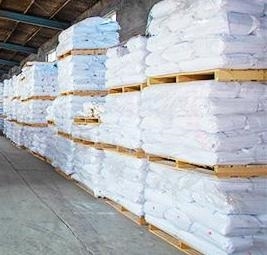
25kg/bag
Storage conditions:
cool and dry place
Retail Price
10,000,000.00USD
重量
kg
- Product Description
-
Appearance white powder
moisture content ≤0.5%
Thermal decomposition temperature ≥200℃
Applicable Material Soft/Hard PVC
Flame retardant rating UL94 V-0/V-1
Environmental Standards Compliant with RoHS directive
Packaging Specifications 25kg/bag
Storage conditions cool and dry place
Description :
PVC specific flame retardant is an efficient fire retardant developed based on the characteristics of polyvinyl chloride (PVC) materials. It mainly solves the problems of PVC products being prone to combustion, dripping, and producing a large amount of toxic smoke when exposed to fire. This type of product quickly captures free radicals during combustion through the synergistic effect of gas-phase flame retardancy and condensed phase flame retardancy, forming a dense carbonization layer to isolate oxygen and heat transfer. Typical working conditions include the production and processing of wire and cable sheaths, building pipes, synthetic leather, floor leather, and various soft and hard PVC injection molded and extruded products, ensuring that the final product meets the flame retardant level requirements of UL94 V-0/V-1/V-2 or national standard GB8624 B1/B2, and improving the safety performance of materials in public transportation, building decoration, and electronic and electrical fields.
The specifications of PVC specific flame retardants usually include indicators such as appearance, active ingredient content, particle size distribution, and thermal stability. The common appearance is white or light yellow powder, and some compound models are granular for easy dispersion. The content of effective flame retardant elements such as phosphorus, nitrogen, halogens, or non halogen compounds needs to be determined according to the specific formula, and generally requires a moisture content of less than 0.5% to ensure that no bubbles are generated during high-temperature processing. The implementation of standards often refers to HG/T series chemical industry standards or strict internal quality control standards of enterprises. Some high-end models have passed environmental certifications such as RoHS and REACH. The process requires good thermal stability, no decomposition or volatilization within the processing temperature range of 160 ℃ -200 ℃ for PVC, and good compatibility with PVC resin, plasticizers, stabilizers and other auxiliary materials, without affecting the physical and mechanical properties of the material.
When selecting PVC specific flame retardants, it is necessary to clarify whether the substrate is soft PVC or hard PVC, and whether the specific processing technology is extrusion, injection molding, or rolling. Soft PVC materials such as cable materials and synthetic leather usually use flame retardants with low migration and good pull-out resistance to avoid a decrease in flame retardant effect after long-term use; For hard PVC materials such as pipes and profiles, more attention should be paid to the influence of flame retardants on the impact strength and tensile strength of the material. It is recommended to choose models that have been surface modified or compounded with lubricants. If there are strict requirements for environmental protection, such as exporting to the EU market, priority should be given to choosing halogen-free flame retardants and avoiding the use of systems containing bromine and antimony. In addition, it is necessary to consider the impact of the amount of flame retardant added on the cost. Generally, the addition ratio is between 5% and 20%. The formula cost should be optimized while meeting the flame retardant level to avoid excessive addition leading to a significant decrease in the mechanical properties of the material.
It is recommended to store PVC specific flame retardants in a cool, dry, and well ventilated warehouse, avoiding direct sunlight and rain. After opening the packaging, they should be used as soon as possible and sealed to prevent moisture absorption and agglomeration from affecting the dispersion effect. It is recommended to pre mix with PVC resin powder and other additives evenly during feeding, or use lateral feeding method to add to the extruder to ensure dispersion uniformity. Common faults include the appearance of crystal dots on the surface of the product, unstable flame retardant effect, or decreased mechanical properties, which are usually related to poor dispersion, moisture, or adverse reactions with other additives. It is necessary to adjust the processing temperature or check the stability of the raw material batch. In daily production, the oxygen index, vertical combustion level, and smoke density of finished products should be regularly tested, and a quality traceability file should be established to ensure that the application effect of each batch of PVC special flame retardant is consistent, ensuring production continuity and product safety.
AfterSalesService :
Key words:
More Products