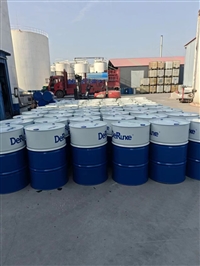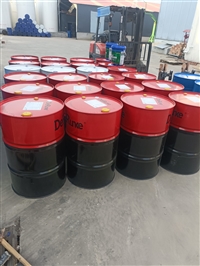
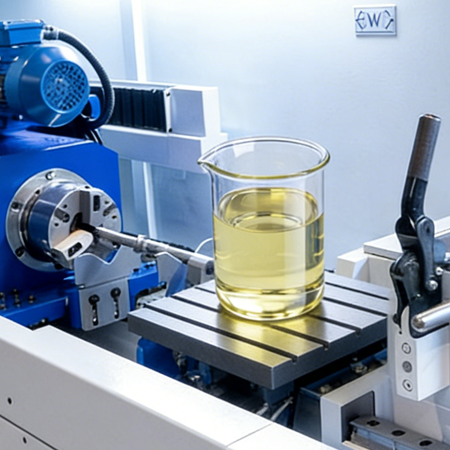

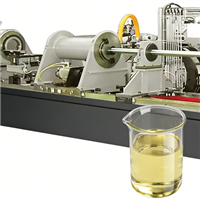
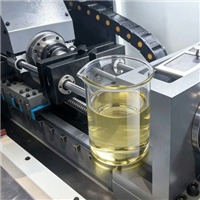
Deep hole drilling cutting oil
Category:
fine chemicals /Metal processing aids/Cutting oil cutting fluid
Model:
eight hundred and ten
Brand:
Derunk
Retail Price
10,000,000.00USD
重量
kg
- Product Description
-
Description :
How to choose cutting oil for deep hole drilling? Analysis of Key Factors Affecting Processing Quality
In the mechanical manufacturing industry, deep hole machining is a common and technically demanding process. Whether it is hydraulic cylinders, automotive components, mold guide holes, engineering machinery parts, or structural components in the aerospace industry, deep hole drilling is indispensable. Compared with ordinary drilling, the working environment of the cutting tool in deep hole machining is more complex, the heat dissipation in the cutting area is difficult, the chip discharge distance is longer, and the requirements for cutting fluid are more stringent.
As an important auxiliary material in the machining process, deep hole drilling cutting oil not only affects the use of cutting tools, but also affects the smoothness of the hole wall, the stability of the aperture size, and the machining efficiency. Therefore, selecting suitable deep hole drilling cutting oil is of great significance for stabilizing the production process.
What is deep hole drilling cutting oil
Deep hole drilling cutting oil is an oily cutting medium used for gun drilling, BTA drilling, spray suction drilling, and other deep hole machining equipment. Products typically consist of refined base oil, lubricating additives, rust inhibitors, and antioxidant components.
During the machining process, cutting oil is transported through the equipment to the cutting area, forming a lubricating layer between the tool and the workpiece, while taking away cutting heat and continuously discharging chips from the hole.
Due to the fact that most of the cutting tools are in a closed state during deep hole machining, cutting oil not only provides lubrication and cooling, but also needs to have good fluidity and chip removal ability.
Common problems in deep hole machining process
Many companies encounter the following situations during deep hole machining:
The tool wears out quickly
When lubrication is insufficient, friction between the tool and the workpiece increases, which can lead to increased wear and tear.
The smoothness of the hole wall decreases
If there are chip lumps or chip scratches on the hole wall during the processing, it will affect the surface quality of the workpiece.
Fluctuations in aperture size
When the temperature in the cutting area changes significantly, it is easy to cause thermal deformation of the tool and workpiece, thereby affecting dimensional consistency.
Poor chip removal
One of the biggest characteristics of deep hole machining is the long chip discharge distance. If the cutting oil flow performance is insufficient, chips may remain in the hole, affecting subsequent machining.
Tool vibration
Vibration during cutting can affect the straightness and roundness of the hole, as well as shorten the tool life cycle.
Although these issues are related to equipment, cutting tools, and process parameters, the selection of cutting oil is also an important factor.
The main function of deep hole drilling cutting oil
lubricating effect
Form a lubricating film in the contact area between the tool and the workpiece to reduce friction caused by direct metal contact.
Cooling effect
Take away the heat generated during the cutting process to help maintain a relatively stable machining temperature.
Chip removal function
By utilizing oil circulation, metal debris generated during cutting is promptly expelled from the hole.
Rust prevention effect
Form a protective layer on the surface of the workpiece to reduce the possibility of corrosion during short-term storage after processing.
Cleaning function
Remove the tiny particles generated during the machining process from the machining area and maintain a relatively clean cutting environment.
What machining methods are suitable for deep hole drilling cutting oil
Common applications include:
Gun drill processing
Gun drills are widely used in the processing of slender holes, such as nozzle holes, mold cooling holes, and hydraulic component holes.
BTA deep hole drilling processing
Suitable for deep hole machining with larger apertures, it can achieve continuous drilling of deeper hole positions.
Spray suction drilling processing
Realize cutting fluid transportation and chip removal through internal and external circulation systems.
Deep hole boring
Used for aperture correction and hole wall quality improvement.
Deep hole enlargement
Suitable for further processing of aperture requirements.
Scope of applicable materials
Deep hole drilling cutting oil can be used for processing various metal materials, including:
carbon steel
alloy steel
bearing steel
die steel
Stainless Steel
cast iron
Copper alloy
aluminum alloy
For different materials, the appropriate viscosity grade and additive formula can be selected according to the processing difficulty and process requirements.
What indicators should be considered when choosing cutting oil for deep hole drilling
viscosity
Viscosity can affect the flow capacity and chip removal effect of oil.
Low viscosity may affect lubrication effectiveness;
If the viscosity is too high, it may affect circulation and chip removal.
Therefore, it is necessary to choose based on equipment pressure and processing aperture.
Lubrication ability
Good lubrication ability helps reduce friction between the tool and the workpiece.
cooling capacity
The cutting heat control directly affects the tool life and machining dimensional stability.
Antioxidant properties
During long-term cyclic use, the oil should maintain a relatively stable state.
rust resistance
Helps reduce the risk of corrosion on the surface of workpieces and equipment.
Oil mist situation
Lower oil mist is beneficial for improving the workshop environment.
Typical application industries of deep hole drilling cutting oil
Automotive parts manufacturing
Engine components, fuel injection system components, transmission system components, etc.
Hydraulic equipment manufacturing
Machining of hydraulic cylinder barrel, hydraulic valve body, and hydraulic component holes.
Mold manufacturing
Processing of cooling water holes, guide holes, and structural holes.
construction machinery
Deep hole machining of oil circuit holes and structural components.
Aerospace
Deep hole machining of structural components and special materials.
energy equipment
Manufacturing of wind power equipment, petroleum machinery, and related components.
Suggestions for using deep hole drilling cutting oil
Keep the oil clean
Regularly filter chips and impurities to reduce the accumulation of pollutants.
Control oil temperature
Excessive oil temperature may affect lubrication status and processing stability.
Regularly check the condition of oil products
Pay attention to changes in color, odor, viscosity, and other factors.
Avoid mixing in moisture
Moisture may affect the stability and rust prevention effect of oil products.
Adjust parameters based on processing materials
Different materials correspond to different cutting speeds, feed rates, and pressure parameters.
Why are more and more companies paying attention to cutting oil management
With the continuous upgrading of processing equipment, the cost of cutting tools and the requirements for workpiece quality continue to increase. Cutting oil is no longer just an auxiliary material, but has become an important component that affects the machining process.
Reasonable selection of cutting oil and establishment of standardized management system can help:
Reduce tool consumption
Improve surface quality
Reduce equipment maintenance frequency
Improve production continuity
Reduce the risk of abnormal shutdown
Improve workshop environment
For enterprises engaged in gun drilling, deep hole drilling, and BTA drilling for a long time, establishing a complete cutting oil management system can often bring more stable operating conditions to production.
Conclusion
Deep hole drilling cutting oil plays multiple roles in metal processing, including lubrication, cooling, chip removal, rust prevention, and cleaning. For gun drills, BTA drills, spray suction drills, and various deep hole machining equipment, selecting the appropriate cutting oil and performing daily maintenance are important steps to ensure smooth operation of the machining process.
With the increasing demand for hole machining quality in the manufacturing industry, the application scope of deep hole drilling cutting oil is also continuously expanding. Reasonable selection based on equipment characteristics, processing materials, and process requirements can help achieve more stable processing results and provide reliable support for enterprise production.
AfterSalesService :
Key words: