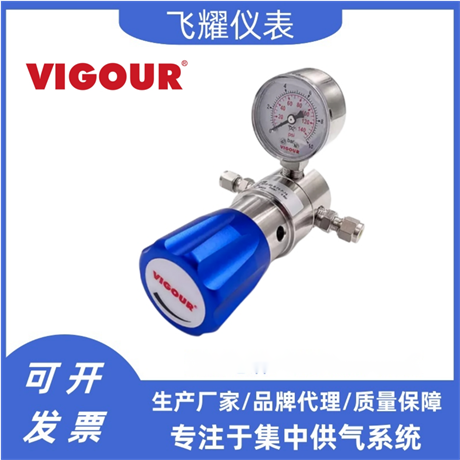

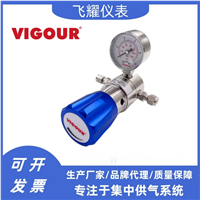
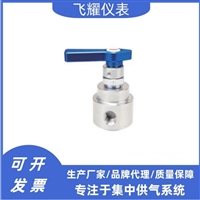
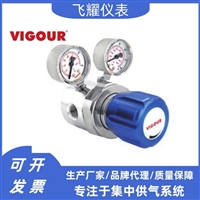
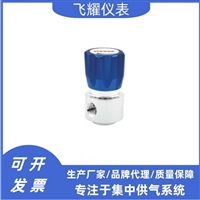
VIGOUR Stainless Steel Pressure Reducing Valve Precision Pressure Regulator Industrial Fluid Stabilization Control
Category:
mechanical equipment/valve/Pressure reducing valve
Model:
VSR-1E
Brand:
VIGOUR Haogu
Valve body material:
Stainless Steel
Applicable Medium:
Water/air/non corrosive liquid
connection method:
Thread/flange
Regulation Type:
manual adjustment
Operating temperature:
-10℃~80℃
Nominal pressure:
1.6MPa
brand:
VIGOUR Haogu
Retail Price
10,000,000.00USD
重量
kg
- Product Description
-
Valve body material Stainless Steel
Applicable Medium Water/air/non corrosive liquid
connection method Thread/flange
Regulation Type manual adjustment
Operating temperature -10℃~80℃
Nominal pressure 1.6MPa
brand VIGOUR Haogu
Description :
VIGOUR pressure reducing valve is a specialized device used to automatically reduce the working pressure of pipelines, mainly solving the problem of high or unstable pressure in fluid conveying systems. It reduces the inlet pressure to a desired outlet pressure and relies on the energy of the medium itself to automatically maintain a stable outlet pressure. The typical operating conditions of this pressure regulator include tap water supply systems, industrial gas pipelines, HVAC water circuits, and the inlet ends of various fluid mechanical equipment. Its core function is to protect downstream equipment from high-pressure shocks, ensure constant pressure at the end water or gas points, prevent equipment damage or efficiency reduction caused by pressure fluctuations, and is an indispensable safety and pressure stabilization component in fluid control systems.
The main body of the pressure reducing valve is made of high-quality stainless steel material, which has excellent corrosion resistance and mechanical strength, and is suitable for various complex medium environments. The internal valve core is precision machined and matched with high-sensitivity spring components to ensure the linearity and response speed of pressure regulation. The execution standards usually refer to GB/T 12244 or relevant industry general specifications, and undergo strict sealing and pressure fatigue tests before leaving the factory. The common connection methods are threaded connections (such as G1/2, G3/4, etc.) or flange connections, depending on the diameter. The stainless steel shell not only extends the service life of the product, but also maintains a clean appearance and stable performance in humid and corrosive atmospheres, meeting the hygiene and durability requirements of food grade, medical grade, or general industrial grade.
When selecting, it is necessary to clarify the medium type (water, air, steam, oil, etc.), inlet pressure range, and required outlet set pressure. VIGOUR pressure reducing valve is suitable for cleaning fluids. If the medium contains a large amount of impurities, it is recommended to install a filter in front of the valve to prevent valve port blockage. Unlike globe valves, pressure reducing valves have automatic adjustment functions and do not require frequent manual intervention; Unlike safety valves, it focuses on stabilizing pressure during daily work rather than releasing overpressure. The purchaser should pay attention to distinguishing between direct acting and pilot operated structures. For small-diameter low-pressure scenarios, direct acting structures are preferred, while for large-diameter or high-precision scenarios, pilot operated structures are considered. Ensure that the selected diameter matches the pipeline flow rate to avoid excessive pressure loss or whistling caused by "small horses pulling large vehicles".
When installing the VIGOUR pressure reducing valve, it is important to ensure that the direction of the valve body arrow is consistent with the fluid flow direction. It is recommended to install it horizontally for later maintenance and pressure reading observation. The typical usage cycle can reach several years, depending on the cleanliness of the medium and the operating frequency. Daily maintenance recommendations include regularly checking whether the outlet pressure gauge reading is within the set range and monitoring for any abnormal airflow or water flow sounds. Common faults include large fluctuations in outlet pressure, valve port leakage or regulation failure, often caused by valve gasket wear, spring fatigue or impurity blockage. Regular cleaning of the filter screen and replacement of vulnerable seals can effectively restore performance. When it is not in use for a long time, the accumulated water in the valve should be drained to prevent freezing or rusting, ensuring reliability when it is put back into use.
AfterSalesService :
Key words:
More Products