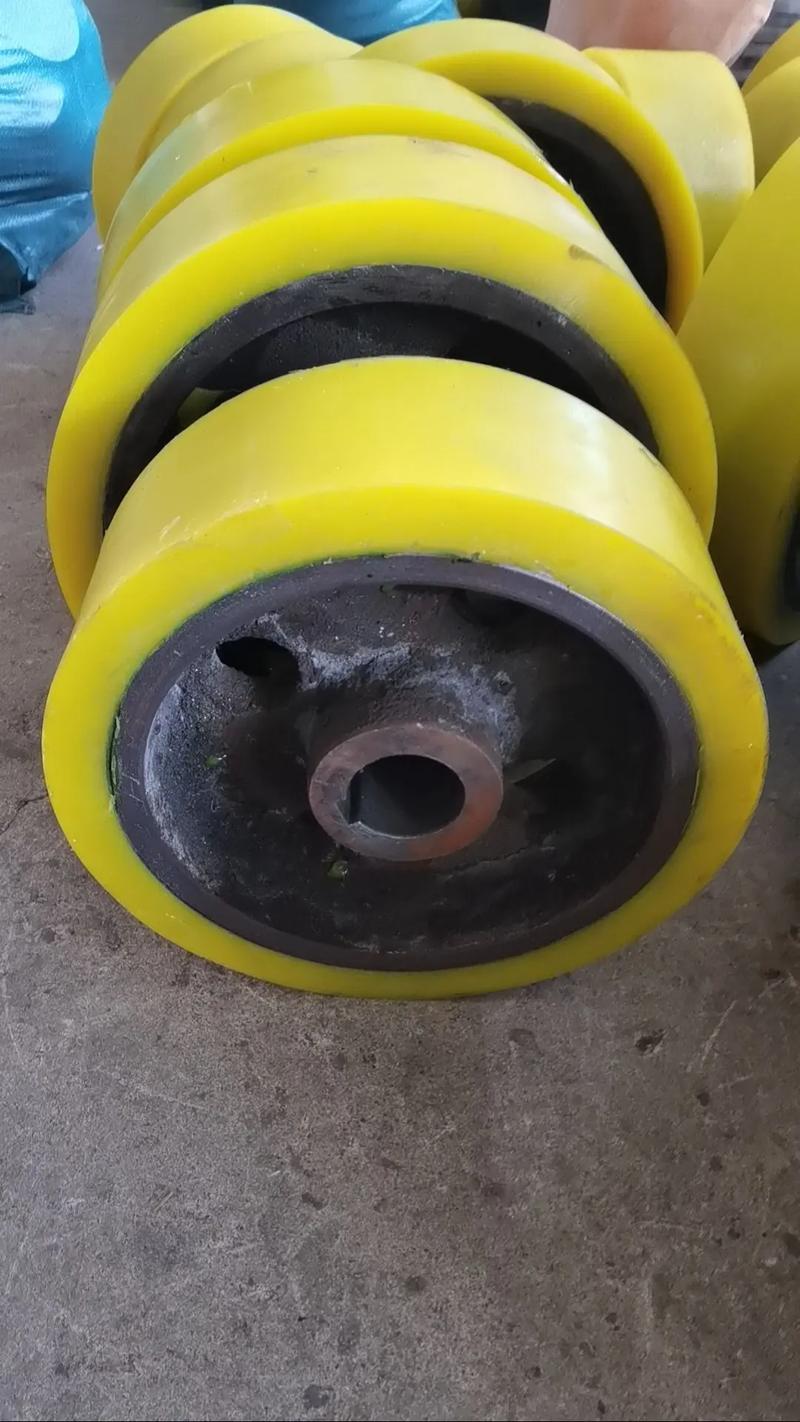

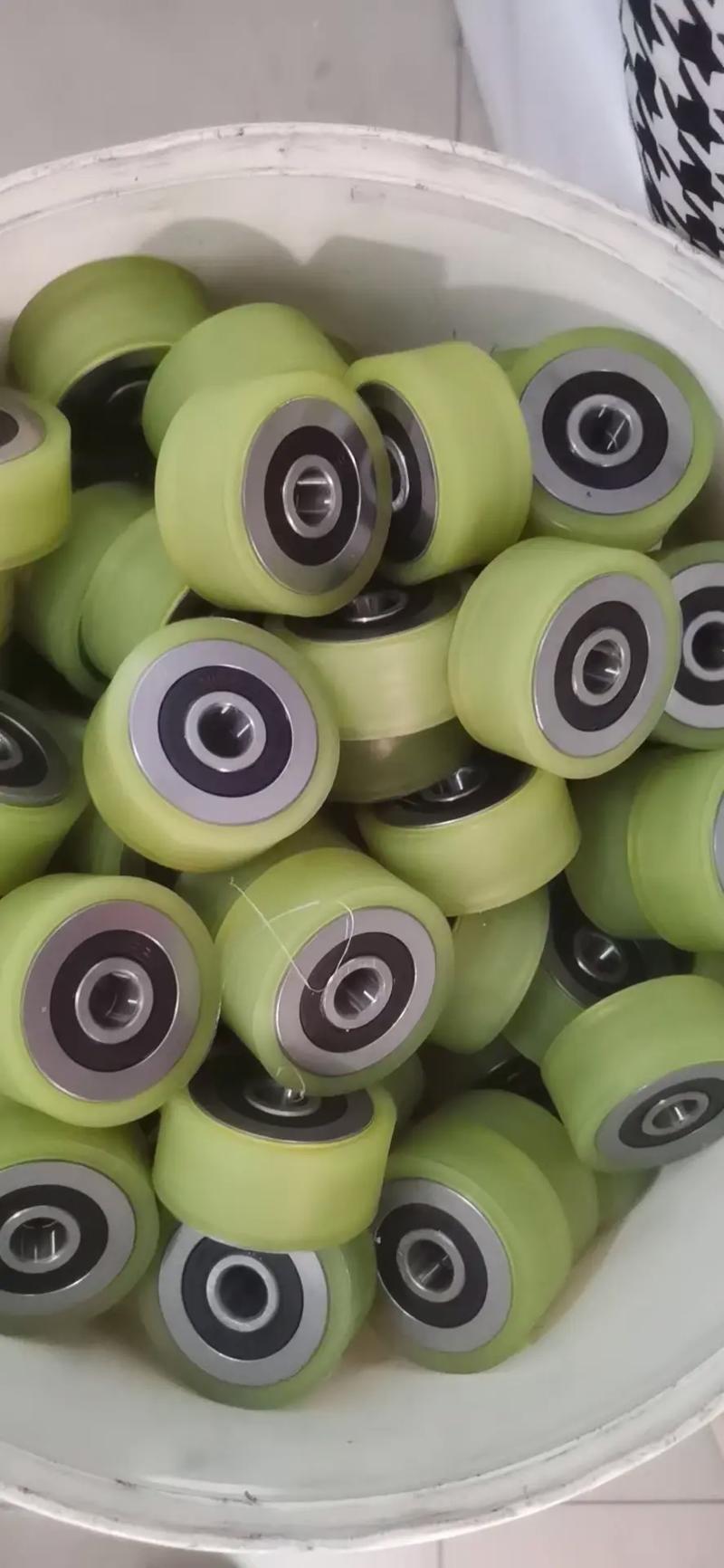
Wear resistant and silent polyurethane rubber wheels, industrial caster accessories, high load-bearing and tear resistant PU wheels
Category:
Rubber and plastic/synthetic rubber/Polyurethane rubber
Model:
0036
Brand:
Longju Rubber and Plastic
Material:
Polyurethane (PU)
Hardness range:
Shore A 70-95 degrees
Operating temperature:
-30 ℃ to 80 ℃
Characteristics:
Wear resistant, silent, tear resistant
Core material:
Cast iron/steel plate/aluminum alloy
Applicable ground:
Cement floor/epoxy floor
Retail Price
10,000,000.00USD
重量
kg
- Product Description
-
Material Polyurethane (PU)
Hardness range Shore A 70-95 degrees
Operating temperature -30 ℃ to 80 ℃
Characteristics Wear resistant, silent, tear resistant
Core material Cast iron/steel plate/aluminum alloy
Applicable ground Cement floor/epoxy floor
Description :
Polyurethane rubber wheels are industrial walking components mainly coated with polyurethane elastomers, widely used in logistics warehousing, automated assembly lines, and heavy machinery equipment. It effectively solves the pain points of traditional rubber wheels being prone to aging, poor load-bearing capacity of plastic wheels, and high noise and damage to the ground caused by metal wheels. This category has excellent wear resistance and tear resistance, and can maintain structural integrity during high-frequency back and forth movements. It is suitable for flat cement floors, epoxy floors, and some rough road surfaces, and is an ideal upgrade solution to replace ordinary nylon and rubber wheels. It can significantly reduce equipment operating resistance and extend replacement cycles.
The core specifications of this product include hardness, size, and internal structure. The hardness range is usually between Shore A 70 degrees and 95 degrees, which can be adjusted according to load requirements. The common outer diameter ranges from 50mm to 600mm, and the width of the wheel surface is designed according to the load level. The interior often uses cast iron cores, steel plate cores, or aluminum alloy cores to ensure strength. According to the relevant industry standards of JB/T or HG/T, materials must pass oil resistance, hydrolysis resistance, and dynamic fatigue testing. High quality polyurethane rubber wheels have a smooth and bubble free surface, and are firmly bonded to the metal core. They can maintain stable elastic modulus even in high and low temperature environments, ensuring that no debonding or brittle cracking occurs under working conditions of -30 ℃ to 80 ℃.
When selecting, special consideration should be given to ground conditions, load-bearing capacity, and operating speed. For flat indoor floors, it is recommended to choose polyurethane rubber wheels with lower hardness (80-85 degrees) to achieve better noise reduction effect; If there is oil pollution or chemical solvents on the ground, the oil resistance index of the material needs to be confirmed. Compared with solid rubber wheels, polyurethane rubber wheels have higher load-bearing capacity and do not deform; Compared to nylon wheels, it has stronger shock absorption and ground protection capabilities. Not suitable for environments with extreme high temperatures (over 100 ℃) or sharp metal debris, as such conditions can easily cause cutting damage to the wheel surface. When purchasing, the shaft hole size and bearing type (such as ball bearings or sliding bearings) should be specified to match the existing bracket.
Before installation, it is necessary to check the fit tolerance between the wheel axle and the bearing to ensure flexible rotation without jamming. Regularly clean the fibers or debris wrapped around the wheel surface to avoid affecting dynamic balance. In daily maintenance, attention should be paid to the wear of the wheel surface. If there are deep cracks or local peeling, they should be replaced in a timely manner to prevent damage to the equipment base plate. When idle for a long time, avoid permanent deformation caused by long-term compression of heavy objects and store in a cool and dry place. Common faults such as abnormal rotation noise are often caused by lack of oil or foreign objects entering the bearing, which can be restored by adding lubricating grease or cleaning. Proper use and maintenance can extend the service life of polyurethane rubber wheels by several times and reduce overall operating costs.
AfterSalesService :
Key words:
More Products