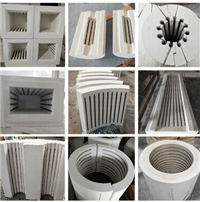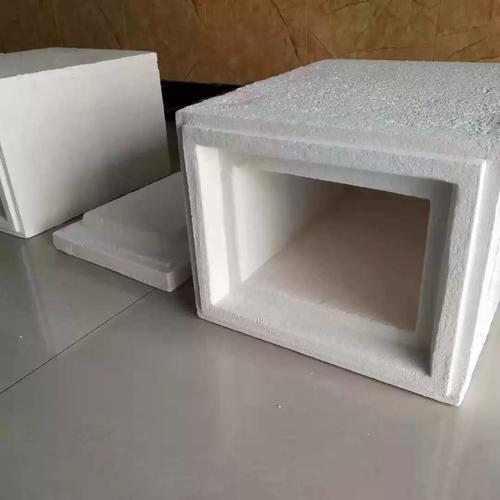

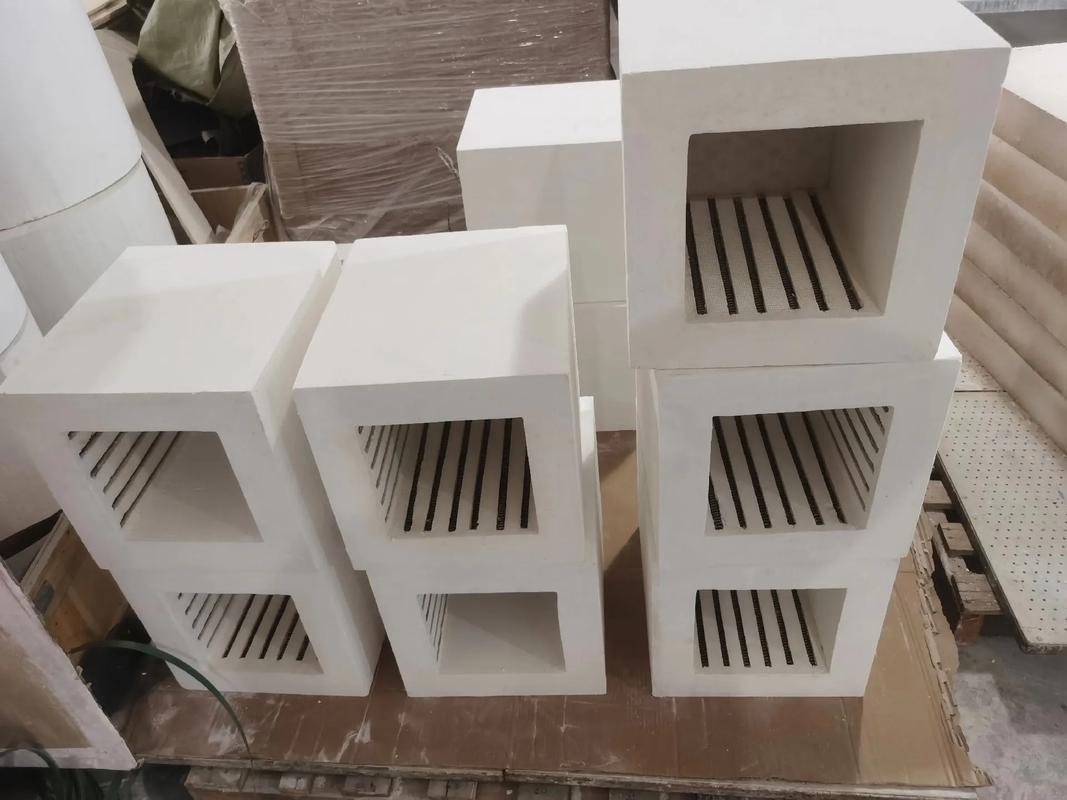
High temperature resistant ceramic fiber furnace, energy-saving insulation lining material for industrial kilns
Category:
mechanical equipment/Smelting equipment/Refractory materials and furnaces
Model:
ceramic fiber
Brand:
Kebang
Operating Temperature:
1000-1400℃
bulk density:
200-300kg/m³
thermal conductivity:
≤0.15W/(m·k)
tensile strength:
≥0.04MPa
chemical composition:
Al₂O₃+SiO₂
packaging form:
compression and packaging
color:
white
application field:
Industrial kiln lining
Retail Price
10,000,000.00USD
重量
kg
- Product Description
-
Operating Temperature 1000-1400℃
bulk density 200-300kg/m³
thermal conductivity ≤0.15W/(m·k)
tensile strength ≥0.04MPa
chemical composition Al₂O₃+SiO₂
packaging form compression and packaging
color white
application field Industrial kiln lining
Description :
Same as WeChat: 18768361219 Wu
Ceramic fiber furnace is a lightweight refractory insulation material mainly made of alumina and silica, processed by high-temperature melting, spraying or spinning into fibers. It mainly solves the problems of large heat storage, slow heating, and high energy consumption in traditional heavy refractory brick furnaces, and is suitable for lining construction of various industrial electric furnaces, gas furnaces, and heat treatment equipment. This material has the characteristics of low bulk density, low thermal conductivity, and good thermal stability, which can significantly reduce the overall weight of the kiln and improve heating efficiency. It is an ideal choice for modern industrial kilns to achieve energy conservation and consumption reduction.
The typical operating temperature range of ceramic fiber furnaces is usually between 1000 ℃ and 1400 ℃, depending on the chemical composition and grade of the fibers. Its bulk density is generally between 200-300kg/m ³, much lower than traditional refractory bricks. The product complies with national standards such as GB/T 3003 for refractory fibers and has excellent thermal shock resistance. It can withstand severe temperature changes without cracking or peeling. In high temperature environments, ceramic fiber furnaces maintain low thermal conductivity, effectively block heat loss, and have good sound insulation effects, improving the noise level of the working environment.
When selecting, it is necessary to choose the appropriate fiber grade based on the maximum operating temperature of the kiln, atmospheric conditions (oxidation or reduction), and mechanical stress conditions. For intermittent kilns with temperatures below 1000 ℃, ordinary ceramic fiber furnaces can meet the requirements; For high-temperature continuous operation furnaces, high aluminum or zirconium containing fibers should be selected to resist high-temperature creep. Compared with traditional refractory castables, ceramic fiber furnace construction is more convenient and does not require a long drying time. However, it should be noted that its compressive strength is lower and it is not suitable for parts that can withstand heavy mechanical loads or strong airflow erosion.
When installing ceramic fiber furnaces, modular folding or layer by layer nailing is usually used to ensure tight joints and prevent high-temperature gases from penetrating and causing overheating of the furnace shell. In daily maintenance, the surface of the furnace should be regularly inspected for collapse, pulverization, or local overheating, and damaged areas should be repaired in a timely manner. When shutting down the furnace, the cooling rate should be controlled to prevent damage to the fiber structure caused by rapid cooling. When used for a long time, attention should be paid to preventing liquid metal, slag, or strong alkaline substances from directly contacting the fiber surface to avoid chemical corrosion and shorten the service life of the ceramic fiber furnace.
AfterSalesService :
18768361219Key words:
More Products