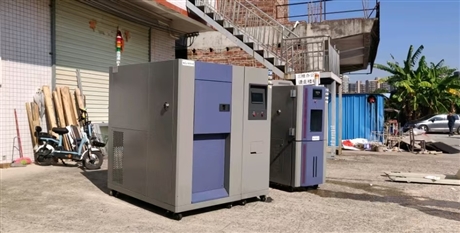

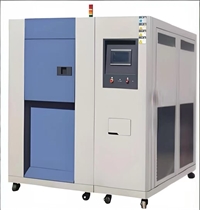
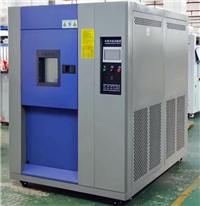
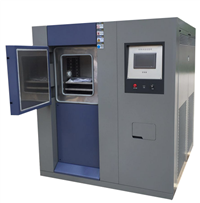
Reliability testing equipment for simulating extreme temperature difference environments using a two box and three box structure for cold and hot shock test chambers
Category:
Instrumentation/Test chamber and climate environment equipment/High and low temperature box
Model:
JX-LRCJ-225~1000L
Brand:
Juxin Instrument
test standard:
GB/T 2423, IEC, JESD22, MIL-STD
structural form:
Two box/three box
temperature range:
-70 ℃~+150 ℃ (typical value)
temperature fluctuation:
±0.5℃
Test Principle:
Fast switching between high/low temperature zones
application field:
Electronic appliances, automotive components, aerospace materials
Test purpose:
Testing of resistance to sudden temperature changes, fatigue, and cracking
Device Type:
Reliability testing equipment
Retail Price
10,000,000.00USD
重量
kg
- Product Description
-
test standard GB/T 2423, IEC, JESD22, MIL-STD
structural form Two box/three box
temperature range -70 ℃~+150 ℃ (typical value)
temperature fluctuation ±0.5℃
Test Principle Fast switching between high/low temperature zones
application field Electronic appliances, automotive components, aerospace materials
Test purpose Testing of resistance to sudden temperature changes, fatigue, and cracking
Device Type Reliability testing equipment
Description :
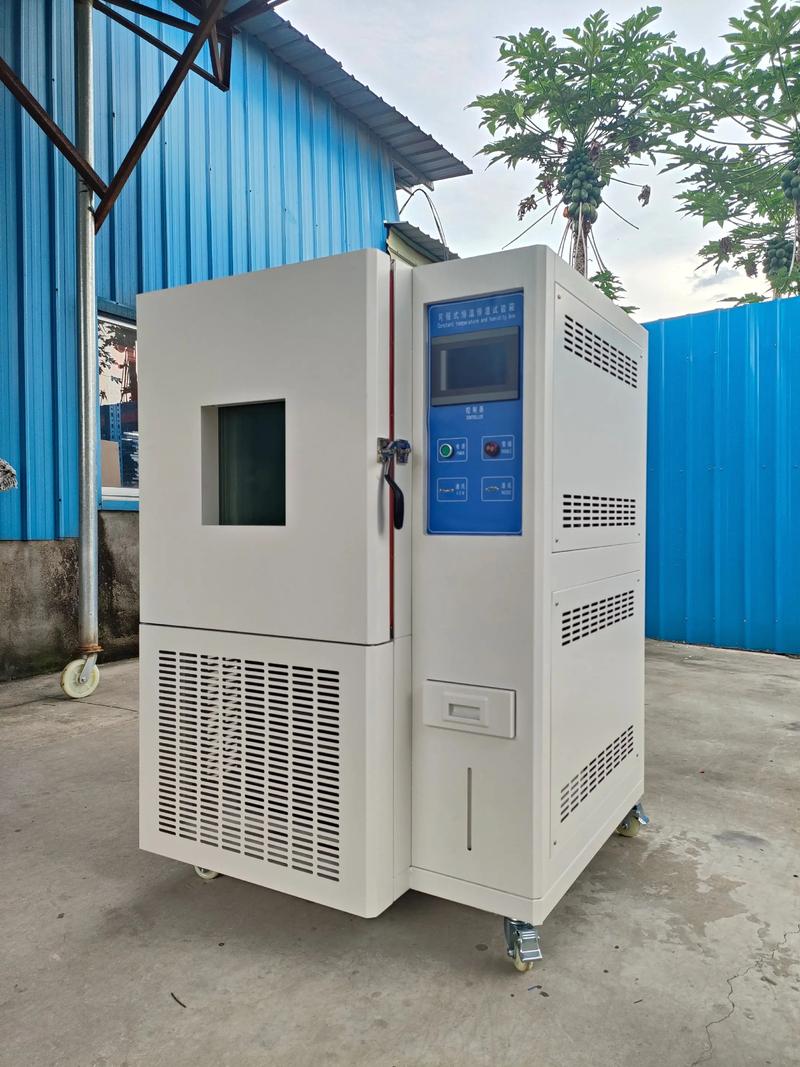
The cold and hot shock test chamber is a reliability testing equipment specifically designed to simulate extreme temperature difference environments, mainly solving the problem of product tolerance under severe temperature changes. This device quickly switches between high and low temperature zones, allowing the test sample to withstand rapid temperature fluctuations, thereby testing the product's ability to withstand sudden temperature changes, fatigue resistance, and cracking strength. This type of testing is crucial for ensuring the stability of electronic components, automotive parts, aerospace materials, and other materials in harsh environments. It is an indispensable verification tool in various product development and quality control processes, and is widely used in working scenarios that require the evaluation of differences in material thermal expansion coefficients and the impact of physical and chemical changes.
The cold and hot shock test chamber is usually designed with a two box or three box structure to achieve efficient heat exchange and temperature conversion. The two box type switches between high and low greenhouses by moving the basket, while the three box type switches the airflow path through the air door to ensure short temperature recovery time and significant impact effect during the testing process. The equipment complies with multiple international and domestic testing standards such as GB/T 2423, IEC, JESD22, MIL-STD, etc., and has precise temperature control system and data acquisition function. The typical working temperature range covers -70 ℃ to+150 ℃ (depending on the model), with temperature fluctuations controlled within ± 0.5 ℃ to ensure the accuracy and repeatability of test data, meeting the strict technical requirements of high-precision laboratories and industrial sites for cold and hot shock test chambers.
When selecting a cold and hot shock test chamber, it is necessary to specify the size, weight, and heat capacity of the test sample to determine the appropriate inner chamber volume and cooling power. If the sample is sensitive to mechanical vibration, it is recommended to prioritize the use of a three box air-cooled switching structure to avoid vibration caused by basket movement; If pursuing the ultimate temperature recovery speed and testing efficiency, a two box structure is often more advantageous. Attention should be paid to distinguishing the differences between the cold and hot shock test chamber and the ordinary high and low temperature alternating humidity test chamber. The former emphasizes the rate of temperature change and the impact effect, while the latter revisits the durability test of humidity cycling. When purchasing, attention should be paid to the compressor brand, controller algorithm, and sensor accuracy to ensure that the equipment can truly reproduce the preset extreme temperature difference environment and avoid test result deviation due to insufficient equipment performance.
When installing the thermal shock test chamber, it is necessary to ensure that the site has good ventilation conditions and stable power supply, and sufficient maintenance space should be reserved around for heat dissipation and maintenance. In daily use, the condenser should be regularly cleaned of dust, and the refrigerant pressure and pipeline sealing should be checked to prevent high pressure alarms or decreased refrigeration efficiency due to poor heat dissipation. Before testing, it is necessary to confirm that the placement of the sample does not affect the airflow circulation and avoid blocking the air outlet. Common faults include long temperature recovery time, sensor drift, etc. It is necessary to regularly calibrate the temperature probe and check whether the throttle actuator operates smoothly. Through standardized maintenance, the service life of the cold and hot shock test chamber can be extended, ensuring the continuous provision of stable and reliable extreme environmental testing data, and guaranteeing the smooth progress of product quality verification work.
AfterSalesService :
冷热冲击试验箱(也叫温度冲击箱、高低温冲击试验箱),是模拟瞬间极端温差环境的可靠性测试设备,利用两箱 / 三箱结构快速切换高温区、低温区,让样品承受剧烈温度交变冲击,检验产品耐温骤变、抗疲劳、抗开裂能力,广泛应用于各类产品严苛环境测试,符合 GB/T 2423、IEC、JESD22、MIL-STD 等测试标准。Key words:
More Products