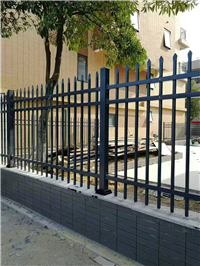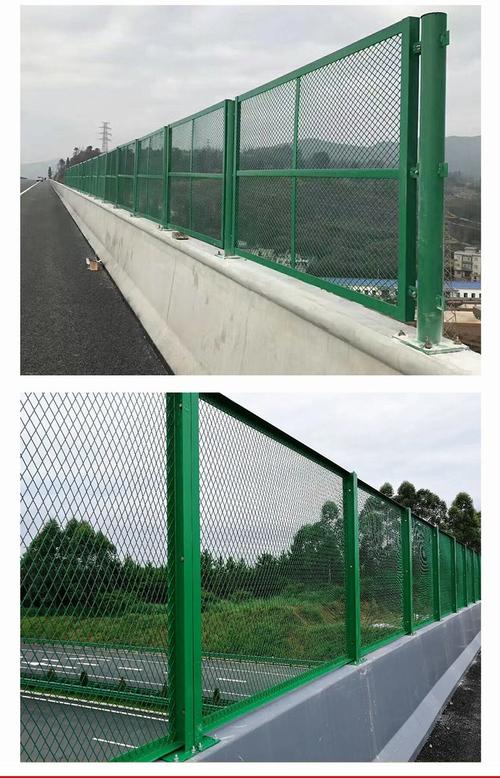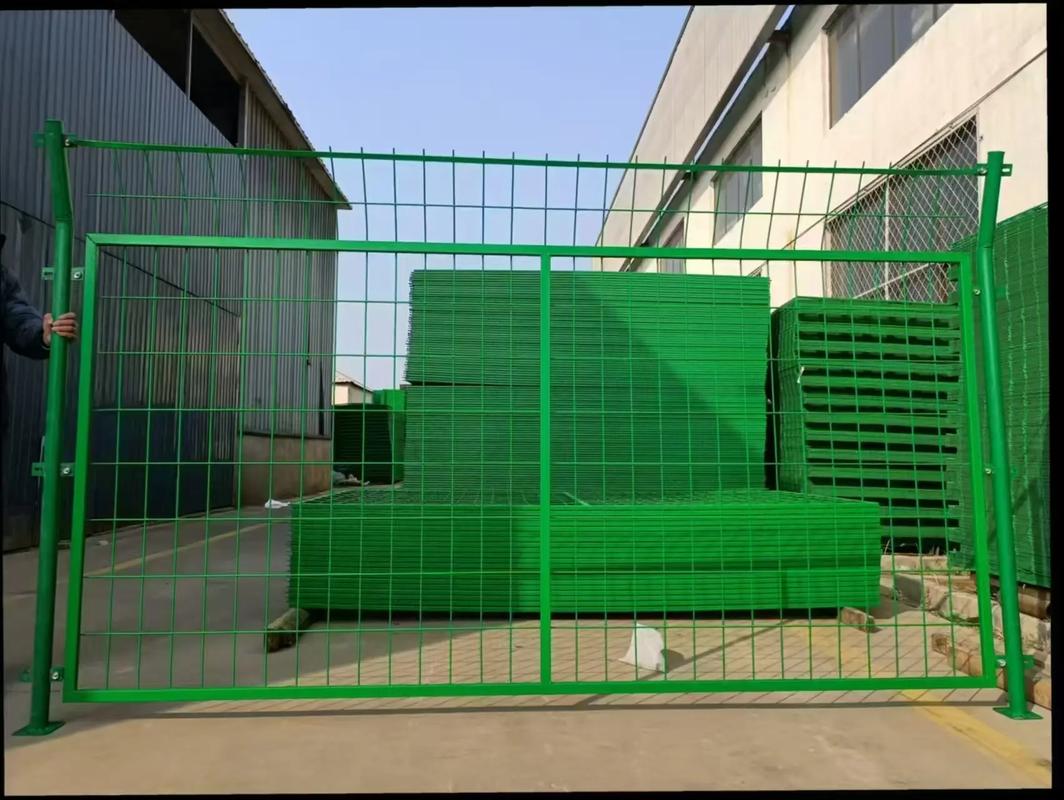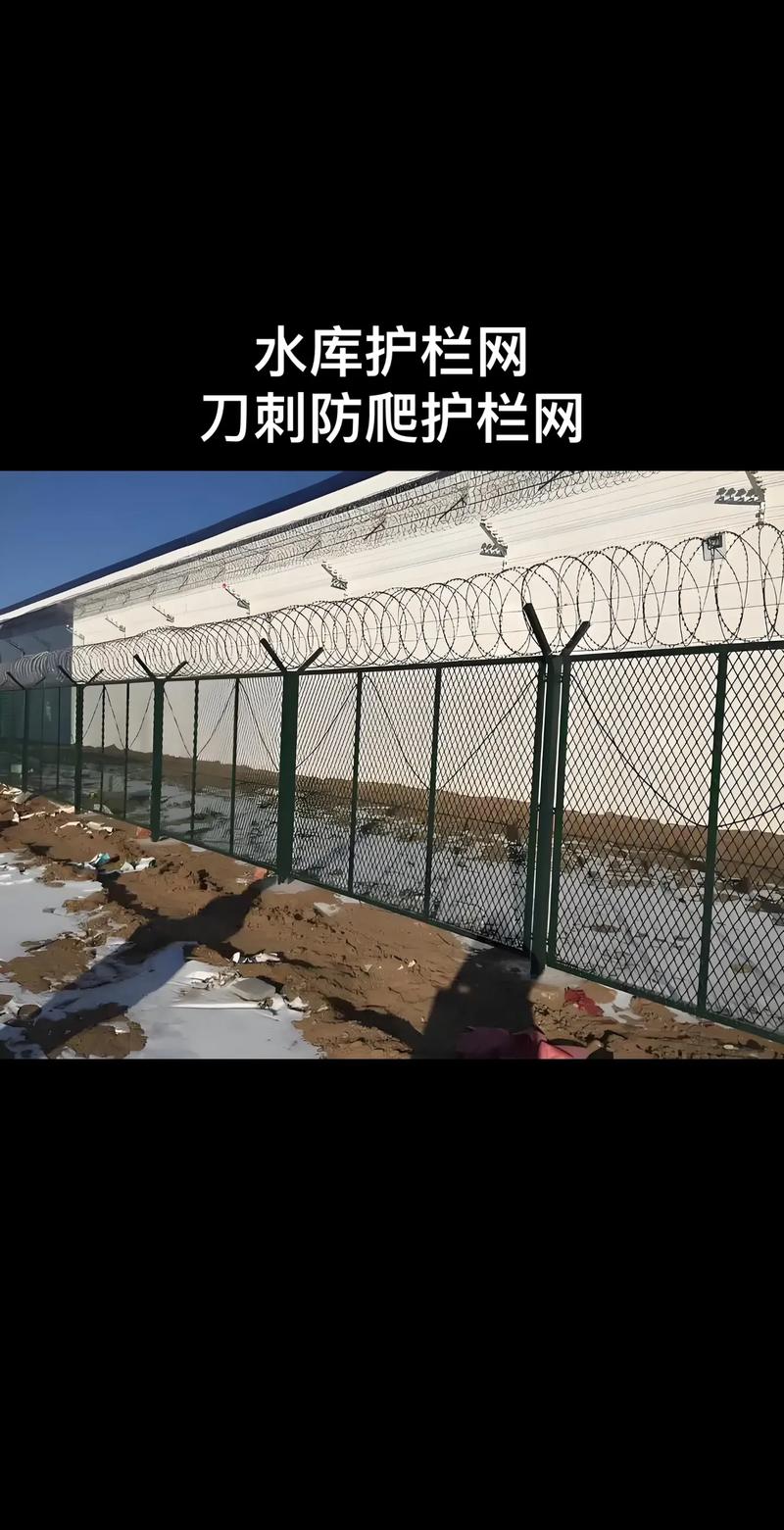

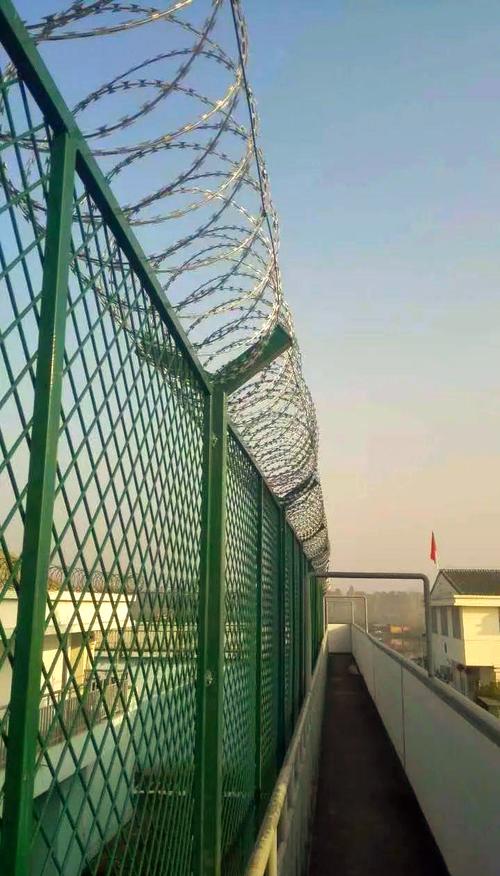
Blade barbed wire isolation net, hot-dip galvanized anti climbing guardrail, airport prison border defense special safety fence
Category:
building materials/Protection and municipal facilities/Isolation net
Model:
rice
Brand:
Yixu
Core wire diameter:
2.0-3.5mm
blade width :
45-75mm
Blade spacing:
50/100/150mm
Surface Treatment:
Hot dip galvanizing/PVC dipping
Material:
Low carbon steel wire/stainless steel wire
column spacing:
2.5-3.0m
Anti corrosion period:
Over 10 years
tensile strength:
≥500MPa
Retail Price
10,000,000.00USD
重量
kg
- Product Description
-
Core wire diameter 2.0-3.5mm
blade width 45-75mm
Blade spacing 50/100/150mm
Surface Treatment Hot dip galvanizing/PVC dipping
Material Low carbon steel wire/stainless steel wire
column spacing 2.5-3.0m
Anti corrosion period Over 10 years
tensile strength ≥500MPa
Description :
Blade barbed wire isolation net is a new type of safety fence product with high deterrence and strong protective performance, mainly used to solve the problems of traditional wire mesh being cut and low climbing safety. It is made of high-strength low-carbon steel wire or stainless steel wire as the core wire, and the outer layer is stamped into sharp blade shaped steel plates, which are spiral wound or cross woven. This structure poses extremely high physical obstacles and risks of injury to any attempt to cross, making it widely used in places with extremely high safety requirements, such as military bases, prisons, detention centers, airport runway areas, border lines, and important material warehouses. It can effectively achieve regional closure and warning.
The specifications of this product usually vary depending on the usage scenario. The common core wire diameter range is 2.0mm to 3.5mm, and the blade width is generally between 45mm and 75mm. The blade spacing can be customized to 50mm, 100mm, or 150mm. The surface treatment process often uses hot-dip galvanizing or zinc electroplating, and some high-end requirements may use PVC immersion treatment to enhance corrosion resistance. The weight of the zinc layer is usually not less than 60g/m ², ensuring a service life of more than 10 years in harsh outdoor environments. The implementation standard refers to YB/T4228-2010 "Wire Mesh" and related security fence specifications. During the production process, strict tensile testing and salt spray corrosion testing are required to ensure that the mesh surface is flat, the blade sharpness is uniform, and there is no welding detachment.
When selecting, the purchaser needs to clearly distinguish the applicable boundary between ordinary barbed wire and blade barbed wire. If only simple boundary markings or low-level protection are needed, ordinary double stranded barbed wire can meet the requirements; But if it involves high security requirements such as intrusion prevention and climbing prevention, blade barbed wire isolation nets must be selected. For humid coastal areas, it is recommended to prioritize the use of 304 stainless steel or thick zinc hot-dip galvanized products to avoid rapid rusting; For temporary construction site enclosures, galvanizing can be chosen to reduce budget. In addition, attention should be paid to the choice of installation method, whether it is erected separately or as an additional layer on top of the existing fence, which will determine the spacing and strength configuration of the columns. Usually, the spacing between columns is controlled between 2.5 meters and 3 meters for the most stable.
When installing the blade barbed wire isolation net, it is recommended to use specialized buckles or welding methods to fix the net body to the Y-shaped column or angle steel bracket, ensuring uniform tension and avoiding local relaxation that may cause protection failure. In daily maintenance, it is necessary to regularly check the fastening of connection points, especially in areas prone to strong winds or earthquakes, to prevent screws from loosening due to vibration. If the surface galvanized layer is found to be damaged, it should be repaired promptly by applying zinc rich paint to prevent the spread of rust. Common faults are often caused by human damage leading to deformation of the mesh body. When repairing, the damaged section needs to be replaced and re tightened. It is strictly prohibited to directly step on the mesh body for operation to avoid blade deformation or personnel scratches. Maintaining the integrity and deterrence of the mesh surface is the key.
AfterSalesService :
Key words:
More Products