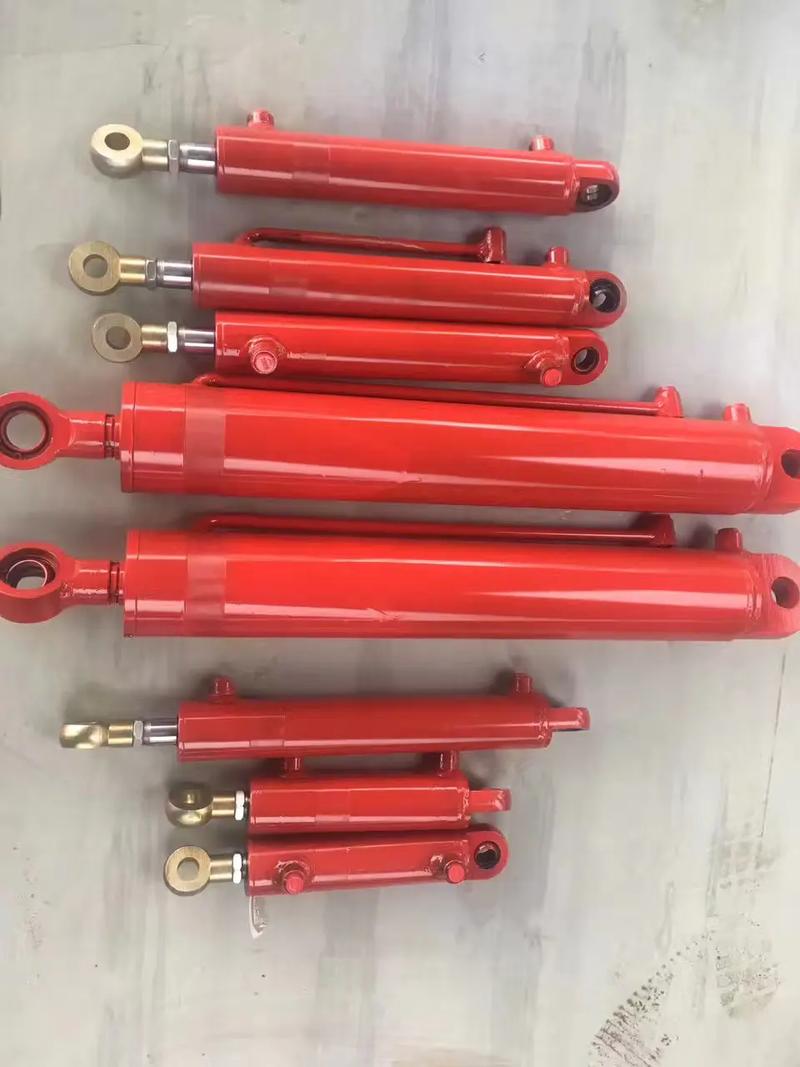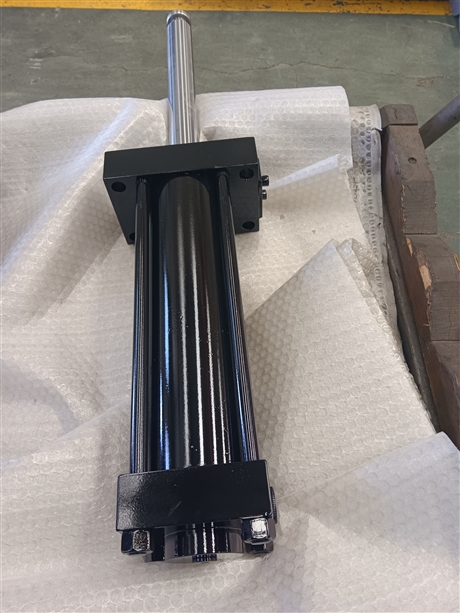

Four rod hydraulic cylinder, heavy-duty industrial grade high-pressure oil cylinder, customized by Wuxi Hengshui
Category:
hardware/Hydraulic components/hydraulic cylinder
Model:
40-450
Brand:
Wuxi Hengshui
work pressure:
16-31.5 MPa
Cylinder barrel material:
High quality seamless steel pipe
Material of piston rod:
45 # steel/40Cr
sealing form:
O-ring/combination seal
Surface Treatment:
Hard chrome plating/polishing
Installation Method:
Flanges/footrests/earrings
Operating temperature:
-20℃~+80℃
medium:
Hydraulic oil, water ethylene glycol, etc
Retail Price
10,000,000.00USD
重量
kg
- Product Description
-
work pressure 16-31.5 MPa
Cylinder barrel material High quality seamless steel pipe
Material of piston rod 45 # steel/40Cr
sealing form O-ring/combination seal
Surface Treatment Hard chrome plating/polishing
Installation Method Flanges/footrests/earrings
Operating temperature -20℃~+80℃
medium Hydraulic oil, water ethylene glycol, etc
Description :
A four-bar hydraulic cylinder is a linear actuator that converts hydraulic energy into mechanical energy, mainly solving the power transmission problem in industrial equipment that requires high thrust, long travel, and compact structure. The typical working conditions of this category include the mold clamping mechanism of injection molding machines, the mold locking system of die-casting machines, large press machines, and the push-pull operations of various heavy machinery. Its core advantage lies in the four high-strength tension rods that tightly tighten the two end covers of the cylinder, forming a stable load-bearing frame that can withstand extremely high internal pressure and external load impacts. Compared to welded hydraulic cylinders, the four rod structure is easier to disassemble and maintain, with convenient seal replacement, making it particularly suitable for production environments that require frequent maintenance or long-term continuous heavy load operation. It is an indispensable basic power component in general machinery and specialized equipment.
In terms of specifications and processes, four rod hydraulic cylinders usually use high-quality seamless steel pipes as cylinder barrel materials, and the inner walls are polished or rolled to ensure that the surface roughness reaches Ra0.4 or below, in order to reduce the friction coefficient and extend the life of the seals. The piston rod is mostly made of 45 grade steel or 40Cr alloy steel, which has undergone quenching and tempering treatment and high-frequency quenching. The surface is plated with hard chromium and polished, possessing excellent wear resistance and corrosion resistance. The execution standards often refer to GB/T 2879 Hydraulic Cylinder Piston and Piston Rod Dynamic Sealing Groove Size Series and JB/T 10205 Hydraulic Cylinder Technical Conditions. The working pressure range is usually between 16MPa and 31.5MPa, and some heavy-duty models can reach higher pressures. The connection between the end cap and the cylinder barrel adopts O-ring or combination sealing gasket, combined with high-precision machined rod threads, to ensure no leakage under high pressure, strong overall structural rigidity, and small deformation.
When selecting, it is important to consider the installation method, travel length, and load characteristics. The four pull rod hydraulic cylinder is suitable for scenarios such as front and rear flange installation, foot seat installation, or earring hinge. Before selecting, the equipment space limit should be clearly defined to determine the length of the pull rod and the form of the end cover. For working conditions with lateral loads, it is recommended to increase the length of the guide sleeve or choose a model with a buffer device to avoid eccentric wear of the piston rod. Compared with welded hydraulic cylinders, the four rod structure has a larger outer diameter but better maintainability; Compared to single pull rods, it has stronger resistance to bending and twisting, making it suitable for applications with large cylinder diameters. If the working environment is extremely hot or dusty, it is necessary to choose high-temperature resistant seals or install dust covers. The purchaser should verify the interface size, thread specifications, and inlet and outlet positions to ensure compatibility with the existing hydraulic piping system and avoid installation difficulties caused by inconsistent interfaces.
Installation and maintenance are key to ensuring the long-term stable operation of the four-bar hydraulic cylinder. During installation, it is necessary to ensure that the axis of the cylinder body is concentric with the direction of load movement. Excessive deviation can lead to early failure of the seals and piston rod strain. Daily maintenance should regularly check whether the pull rod nut is loose to prevent leakage caused by a decrease in preload force due to vibration. Observe whether there are scratches or rust on the surface of the piston rod, and promptly handle any abnormalities to avoid damaging the sealing ring. The cleanliness of hydraulic oil should be controlled within NAS 1638 8-9 level, and the filter element should be replaced regularly to prevent impurities from entering the cylinder and causing jamming or wear. Common faults such as internal leakage and crawling are often caused by aging seals or hydraulic oil contamination. Disassembling and replacing the corresponding sealing components can restore performance without the need for overall scrapping, reflecting the good maintainability and economy of this category.
AfterSalesService :
Key words: