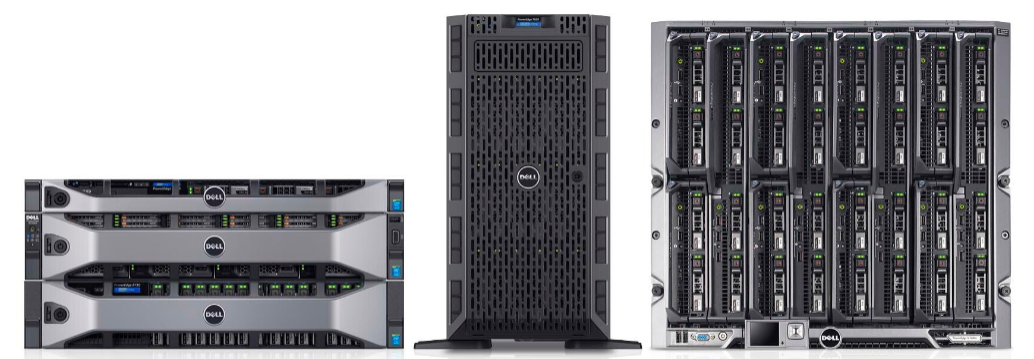

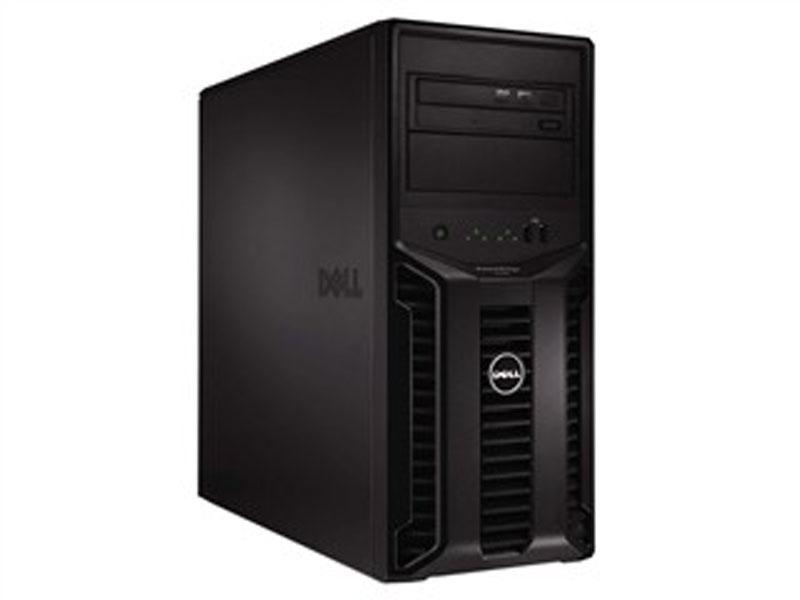
Enterprise level AI computing power server H2O/H200 GPU acceleration card high-performance computing cluster
Category:
Digital computer/Computer machine/Computer all-in-one machine
Model:
H20/H200
Brand:
Dongfang Yihang
GPU model:
H20/H200
Applicable scenarios:
AI training/reasoning/high-performance computing
structural form:
rack-mounted
power configuration:
redundant power supply
cooling method:
air cooling
management style:
BMC remote management
Bus interface:
PCIe Gen5/NVLink
certification standard:
CCC/ISO9001
Retail Price
10,000,000.00USD
重量
kg
- Product Description
-
GPU model H20/H200
Applicable scenarios AI training/reasoning/high-performance computing
structural form rack-mounted
power configuration redundant power supply
cooling method air cooling
management style BMC remote management
Bus interface PCIe Gen5/NVLink
certification standard CCC/ISO9001
Description :
AI servers are high-performance computing devices designed specifically for artificial intelligence training and inference, with the core solution being the bottleneck of computing power in large model data processing, deep learning algorithm iteration, and complex scientific computing. This category typically integrates high-density GPU acceleration cards, suitable for data centers, cloud computing platforms, and research institutions. The H20 and H200 models mentioned in the article represent the current mainstream high bandwidth memory graphics processor configurations, which can significantly improve parallel computing efficiency. This type of AI server performs well in typical working conditions such as financial risk control, autonomous driving simulation, and natural language processing. It is a key hardware carrier for enterprises to build private AI infrastructure, meeting the stringent requirements for low latency and high throughput.
In terms of specifications, this AI server typically adopts a standard rack mounted design, supporting an interconnected architecture of multiple CPUs and multiple GPU cards. H20 and H200, as core acceleration components, have extremely high video memory bandwidth and floating-point computing capabilities, coupled with high-speed NVLink or PCIe Gen5 bus to achieve fast data exchange. The body material is mostly high-strength cold-rolled steel plate, with good electromagnetic shielding and heat dissipation duct design, ensuring stable operation in high temperature and high load environments. The execution standard complies with the requirements of GB/T 9813 General Specification for Computers and Energy Efficiency Limits, and has passed CCC certification and ISO quality management system certification. The power module usually adopts 1+1 or 2+2 redundant configuration, supports hot plugging, and ensures continuous and uninterrupted operation of the system. The power consumption of the whole machine needs to be accurately calculated according to the specific configuration.
When selecting, it is necessary to clarify whether the business scenario is biased towards training or inference. The H20 model typically has advantages in energy efficiency and compliance, making it suitable for large-scale cluster deployment and power sensitive data centers; H200 is further upgraded in terms of video memory capacity and bandwidth, making it more suitable for training large models with billions of parameters. If the application scenario is only for lightweight inference or traditional virtualization, it may not be necessary to configure such high-end GPU resources, and entry-level acceleration cards can be chosen to reduce costs. Attention should be paid to the matching between the size of the chassis and the depth of the server room cabinet, as well as whether the power supply meets the peak load requirements. Compared with other general-purpose servers, AI servers emphasize more on the communication bandwidth and heat dissipation efficiency between GPUs. When selecting, attention should be paid to the topology structure and the maximum number of acceleration cards supported.
The installation of AI servers requires ensuring that the temperature of the computer room environment is controlled at 20-25 ℃, with a relative humidity of 40% -60%, and equipped with a precision air conditioning system. When shelving, attention should be paid to electrostatic protection, strictly follow the installation specifications of the guide rail, and ensure good grounding. Daily maintenance recommendations include regularly cleaning the dust screen at the air inlet, checking the fan speed and temperature sensor readings, and using the BMC remote management module to monitor hardware health status. Common faults include GPU disconnection, memory error correction, or power module alarm, which require log analysis to locate specific components. The usage cycle is usually 3-5 years, and firmware upgrades or storage expansion may be required as the algorithm iterates. Avoid deploying in environments with excessive vibration or corrosive gases to extend the lifespan of AI servers and internal H2O/H200 acceleration cards.
AfterSalesService :
Key words:
More Products