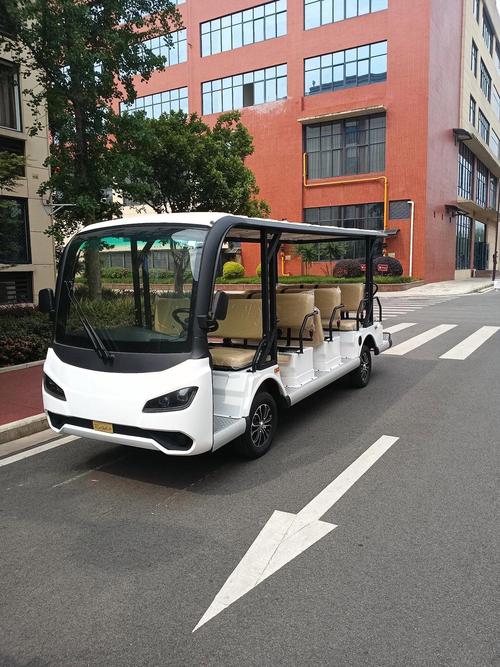

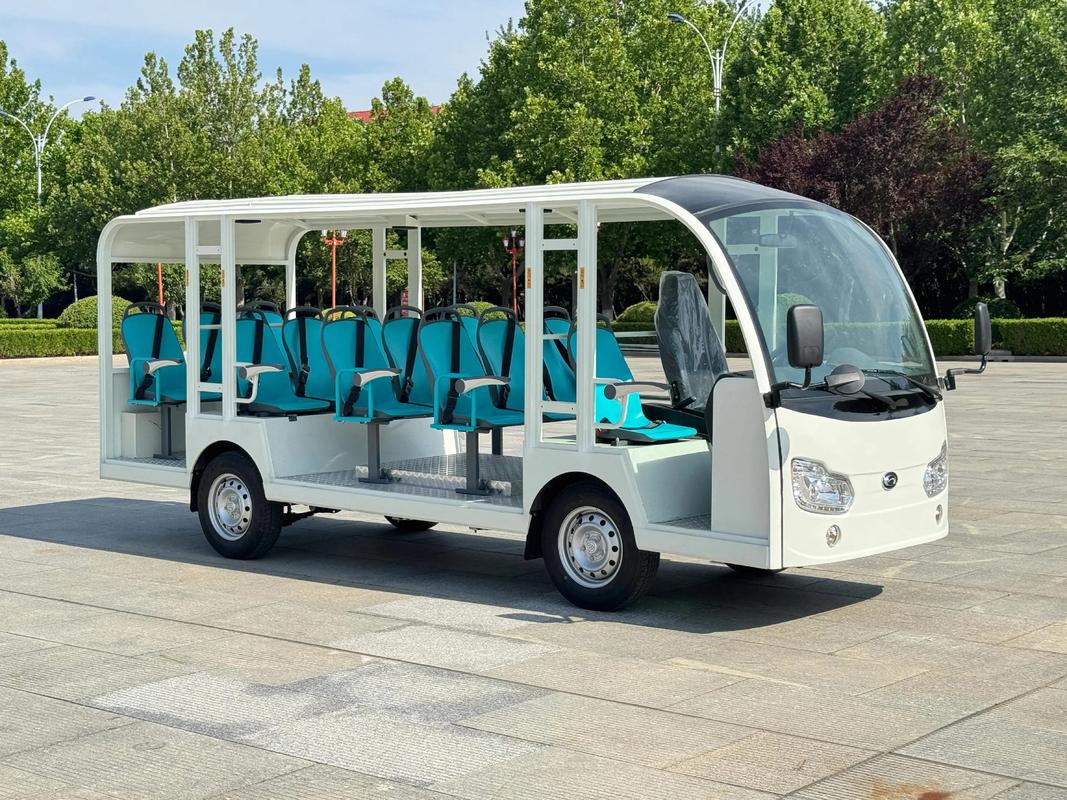
Electric sightseeing buses specifically designed for scenic areas and parks, with 8-14 seats and silent and environmentally friendly shuttle buses
Category:
Transportation/Electric vehicle/Electric sightseeing vehicle
Model:
LQY140B
Brand:
Kunming Green Clean
72 rated voltage:
48V/60V/72V
7500W motor power:
3kW-5kW
Maximum passenger capacity of 14 people:
8-14 people
Top speed of 30:
≤30km/h
Maximum climbing slope of 30 degrees:
≥20%
5.5 Minimum turning radius:
≤3.5m
Hydraulic braking method:
Front and rear drum brakes/hydraulic disc brakes
Vacuum tire type:
Vacuum steel wire tire
Steel body material:
High strength steel frame+fiberglass cover
6 hours of charging time:
8-10 hours
Retail Price
10,000,000.00USD
重量
kg
- Product Description
-
72 rated voltage 48V/60V/72V
7500W motor power 3kW-5kW
Maximum passenger capacity of 14 people 8-14 people
Top speed of 30 ≤30km/h
Maximum climbing slope of 30 degrees ≥20%
5.5 Minimum turning radius ≤3.5m
Hydraulic braking method Front and rear drum brakes/hydraulic disc brakes
Vacuum tire type Vacuum steel wire tire
Steel body material High strength steel frame+fiberglass cover
6 hours of charging time 8-10 hours
Description :
Electric sightseeing vehicles are short distance transportation designed specifically for tourist attractions, parks, large amusement parks, enclosed communities, schools, and other areas. It mainly solves the mobility needs of tourists in large areas, replaces traditional fuel vehicles, and achieves a zero emission, low-noise green travel experience. Typical working conditions include flat or slightly sloping paved roads, with speeds typically limited to 30km/h to ensure pedestrian safety and ride comfort. As a closed or open carriage design, electric sightseeing vehicles have good visibility and convenient boarding and alighting, and are important facilities for improving the service quality and image of scenic spots.
The core specifications of this model include body size, passenger capacity, and power parameters. The common length range is 4 to 6 meters, the width is about 1.5 to 1.8 meters, and the height is controlled at around 2 meters to meet the height limit requirements. The passenger capacity is usually 8, 11, or 14 seats, and the seats are made of leather or wear-resistant fabric material, with anti slip and easy to clean characteristics. The power system often uses 48V, 60V, or 72V lead-acid batteries or lithium battery packs, paired with 3kW to 5kW AC asynchronous motors, to provide smooth torque output. The frame is made of high-strength steel welded and the surface is treated with electrophoretic spray painting, which has anti rust and anti-corrosion capabilities and meets the standard of GB/T 21268-2014 "General Technical Conditions for Non Highway Tourist and Sightseeing Vehicles".
When selecting, special consideration should be given to road conditions, slope, number of passengers per trip, and charging conditions. If the slope of the scenic area exceeds 15%, high-power motors and enhanced braking systems should be selected; If the crowd is dense, it is recommended to choose high-capacity vehicles with 14 or more seats or increase the frequency of departure. Compared with fuel powered sightseeing vehicles, electric sightseeing vehicles have lower maintenance costs and no exhaust pollution, but their range is greatly affected by temperature, and battery insulation measures are required in winter in northern China. Compared with ordinary golf carts, electric sightseeing cars have a wider body and more compact seating arrangement, making them more suitable for public road driving. They also have a more complete lighting signal system and reversing image configuration, meeting security regulatory requirements.
In terms of installation and maintenance, before using the new car, it is necessary to check the battery electrolyte level (lead-acid battery) or BMS status (lithium battery), tighten the tire screws and brake wiring harness. In daily use, it is recommended to charge after the end of daily operation to avoid deep discharge. The charger should be placed in a ventilated and dry place. Regularly clean the sediment on the chassis, check the wear of the brake pads, and add lubricating grease to the bearings every six months. Common faults include sudden reduction in battery life (possibly due to damage to individual batteries), abnormal motor noise (bearing wear or foreign objects entering), which require professional personnel to use a multimeter and decoder for troubleshooting. When the battery is not in use for a long time, it should be kept at 50% -80% and recharged once a month to extend the battery life.
AfterSalesService :
整车质保一年Key words:
More Products