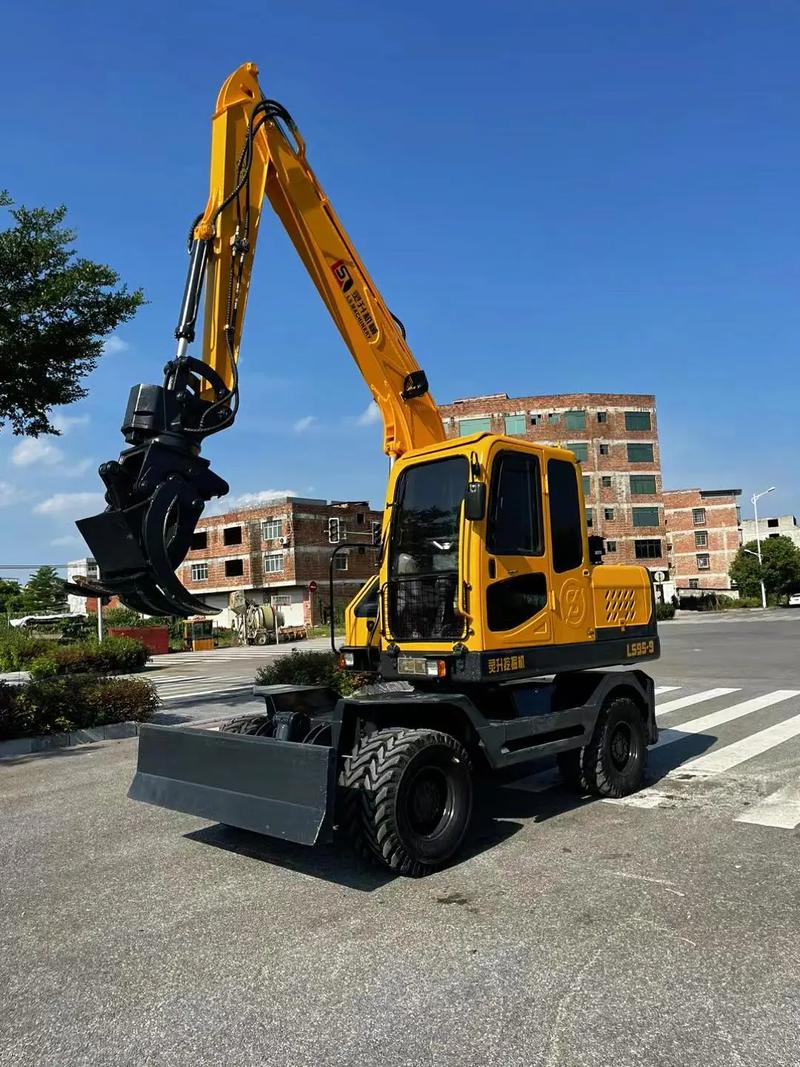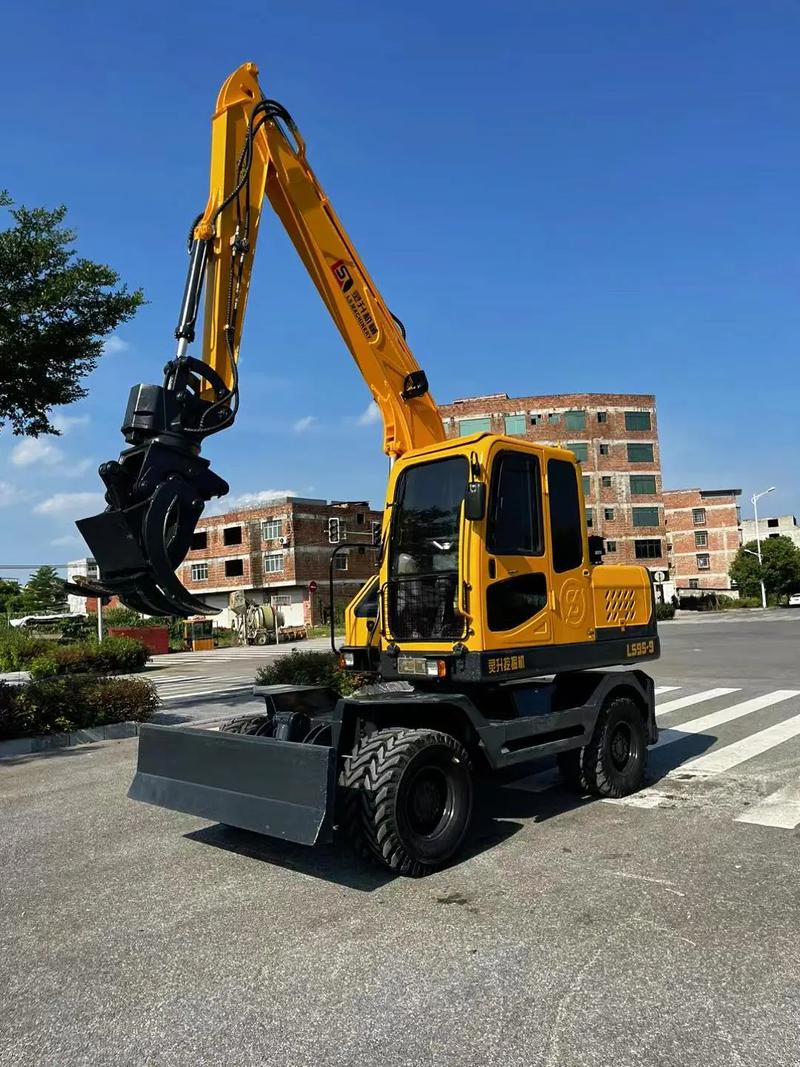

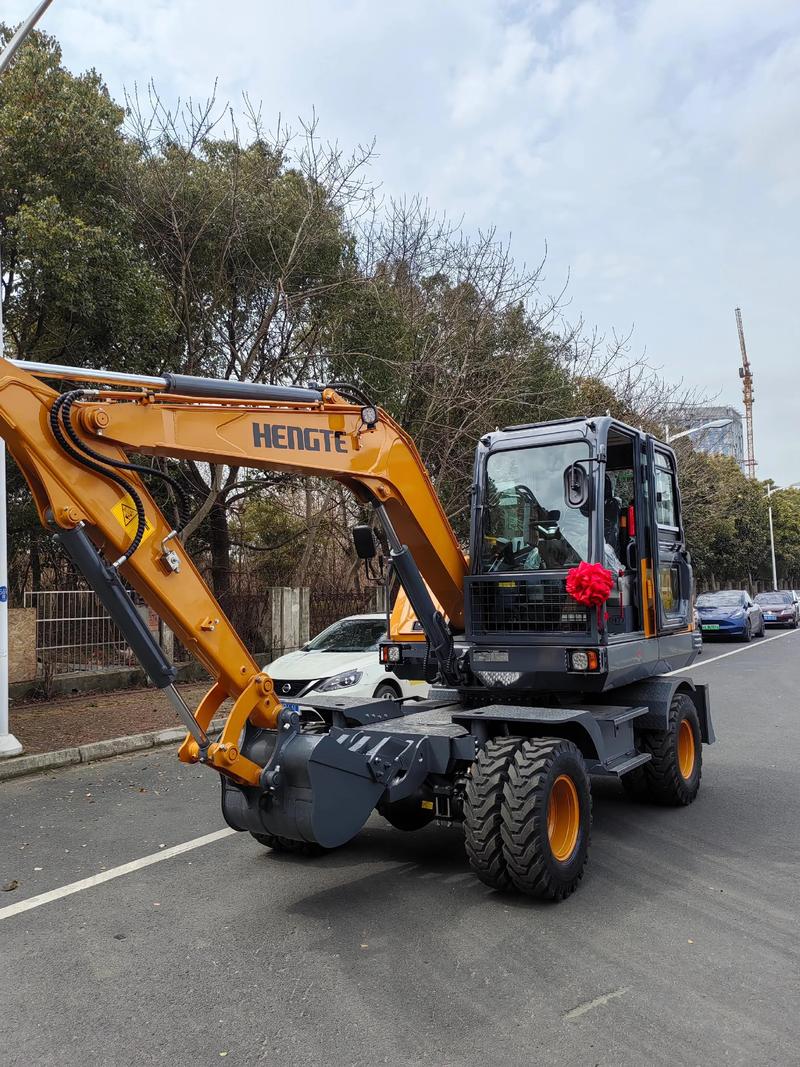
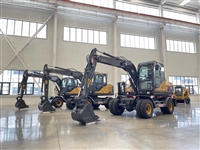
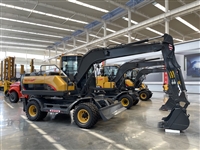
Delin Jinfu wheeled excavator is mobile, flexible, and suitable for fast transfer in municipal farmland
Category:
mechanical equipment/Engineering machinery, construction machinery/Excavation machinery
Model:
75 80 90 120
Brand:
Delin Jinfu
walking style:
tire type
Drive Type:
Four wheel drive/two wheel drive
emission standard:
Country 3/Country 4
Hydraulic system pressure:
20-25 MPa
Operation method:
Hydraulic pilot control
Applicable working conditions:
Municipal/Farmland/Highway Maintenance
Accessory interface:
Standard crushing/grabbing pipeline
Stability configuration:
Scalable support legs/bulldozer shovel
Retail Price
10,000,000.00USD
重量
kg
- Product Description
-
walking style tire type
Drive Type Four wheel drive/two wheel drive
emission standard Country 3/Country 4
Hydraulic system pressure 20-25 MPa
Operation method Hydraulic pilot control
Applicable working conditions Municipal/Farmland/Highway Maintenance
Accessory interface Standard crushing/grabbing pipeline
Stability configuration Scalable support legs/bulldozer shovel
Description :
Wheel excavator is a type of earthmoving construction machinery that uses tires as walking devices and has the ability to quickly transition. It solves the pain points of traditional crawler excavators with large damage during hard road driving and long-distance transfer requiring flatbed truck transportation, and is particularly suitable for urban municipal construction, agricultural water conservancy renovation, and dispersed working conditions. This equipment is usually equipped with a diesel engine and hydraulic system, and can achieve autonomous movement through four-wheel drive or two wheel drive. It has multifunctional accessory interfaces such as excavation, crushing, and grabbing, and can adapt to complex and changing construction environments. It is an efficient choice for small and medium-sized earthwork projects.
The core specifications of wheeled excavators include key indicators such as overall weight, engine power, bucket capacity, and maximum excavation depth. The weight of common aircraft models ranges from 6 tons to 15 tons, and the engine power range is usually between 50kW and 100kW, meeting the National III or IV emission standards. The walking system adopts inflatable tires or solid tires, and the chassis structure is reinforced to withstand the reaction force during operation. The working pressure of the hydraulic system is generally between 20-25MPa, ensuring the smoothness and force output of the boom, arm, and rotary movements. The body design emphasizes stability, and some models are equipped with extendable legs or bulldozers to provide additional support during operation, preventing rollover and complying with ISO and national engineering machinery safety standards.
When selecting a wheeled excavator, it is important to consider the ground conditions and transition frequency of the operating scenario. If the working conditions are mainly concentrated on urban roads, hardened ground, or require frequent movement between different construction sites, wheeled excavators are superior to tracked excavators; If the main operation is in soft, muddy, rugged mountains or large mines, it is recommended to choose a tracked type to ensure passability and stability. In addition, the matching bucket capacity should be selected according to the size of the earthwork volume to avoid low efficiency or hydraulic system overload caused by "small machine, large bucket". For narrow space operations, attention should be paid to the width and turning radius of the machine body to ensure that the equipment can enter and exit flexibly and carry out operations. At the same time, it should be confirmed whether there are reserved oil interfaces for tools such as crushers and wooden grippers.
The daily maintenance of wheeled excavators focuses on the walking system and hydraulic system. Regularly check the tire pressure and wear condition, clean the stones and debris in the tire tread to prevent tire blowouts or uneven wear; Every 50-100 hours of work, it is necessary to lubricate and maintain the lubrication points of the entire vehicle, especially the slewing bearings and pin shafts. The hydraulic oil filter and fuel filter need to be replaced periodically according to the instructions to maintain the cleanliness of the oil and extend the service life of the pump valve. Before starting the homework, it is necessary to check whether the leg cylinder leaks oil and whether the fasteners are loose. Common faults such as walking weakness are often caused by hydraulic pump wear or motor leakage, and pressure values need to be detected in a timely manner; If the engine overheats, it is necessary to clean the radiator dust to ensure smooth cooling system and continuous stable operation of the equipment.
AfterSalesService :
1年Key words: